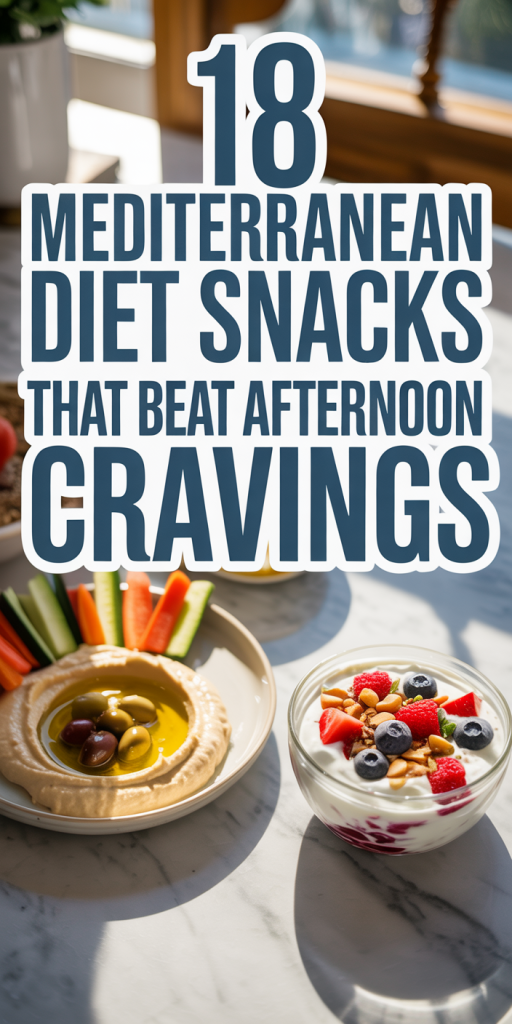
18 Mediterranean Diet Snacks That Beat Afternoon Cravings
Afternoon energy slumps are universal: around 3 p.m. we all want something that’s tasty, satisfying, and won’t wreck dinner plans. That’s where Mediterranean diet snacks shine. Rooted in whole foods, vegetables, legumes, whole grains, nuts, olive oil, and modest dairy, they deliver fiber, healthy fats, and protein that stabilize blood sugar and keep us focused. In this guide we share 18 thoughtfully composed Mediterranean diet snacks that are easy to prep, portable when needed, and built to beat those mid-afternoon cravings without feeling deprived. Each suggestion includes simple flavor ideas, portion thinking, and quick swap options so you can make them your own.
Why Mediterranean Snacks Work For Afternoon Cravings
The Mediterranean pattern has stood up in countless nutrition studies for good reason: it emphasizes minimally processed foods, healthy fats from olive oil and nuts, plant-forward meals, and moderate portions of protein and dairy. For afternoon cravings specifically, three physiological reasons explain why these snacks perform so well.
First, they balance macronutrients. A snack with fiber, a little protein, and a healthy fat, think whole-grain crackers with hummus or Greek yogurt with nuts, slows gastric emptying and blunts the blood sugar peaks and valleys that lead to urgent cravings.
Second, they’re rich in satiety-promoting compounds. Fiber from vegetables, legumes, and whole grains increases fullness, while monounsaturated fats (from olives and olive oil) and polyunsaturated fats (from walnuts and seeds) support sustained energy and cognitive focus.
Third, flavor and variety matter. Mediterranean snacks use bold, simple seasonings, lemon, garlic, fresh herbs, smoked paprika, that make small portions feel satisfying. When snacks taste like something special, we’re less likely to graze mindlessly.
Finally, these snacks are flexible. They’re easy to batch-prep, portable, and compatible with common dietary needs (vegetarian, gluten-tolerant, etc.). In short, they address the biology of cravings and the psychology of enjoyment at the same time.
How To Use This List: Portions, Timing, And Swaps
We designed this list to be practical. Here’s how to put it into action.
Portions: Aim for snacks that sit between 150–300 calories, depending on activity and daily needs. For dense foods (nuts, cheeses, olive oil), keep portions modest, about a small handful of nuts (about 1 ounce) or 1 ounce of cheese. For bulkier items (veggies, whole-grain toast), a larger volume is fine because fiber and water add satiety with fewer calories.
Timing: The ideal snack window is 3–4 hours after lunch and 2–3 hours before dinner. That timing keeps hunger manageable without spoiling your next meal.
Pairings: Combine at least two elements, fiber + protein, or healthy fat + protein. For example, pair fresh vegetables (fiber) with hummus (protein + fat), or an apple (fiber) with almond butter (fat + a bit of protein).
Swaps: We give alternatives so the snacks fit your pantry and preferences. If you’re avoiding dairy, swap Greek yogurt with a plant-based, unsweetened yogurt and add a scoop of pea-protein powder for extra protein. If you’re gluten-free, choose gluten-free crackers or rice-based whole grains such as freekeh substitutes (quinoa or buckwheat work nicely).
Prep tips: Batch-roast vegetables at the beginning of the week, portion hummus into small containers, toast nuts lightly to deepen flavor, and pre-mix spice blends (za’atar, smoked paprika + garlic) so assembly takes a minute.
With those guidelines, let’s jump into the 18 snacks grouped by category so you can find options that match what’s in your kitchen.
Vegetables And Dips
Vegetables paired with Mediterranean dips are the backbone of snackable, low-calorie satiation. They provide crunch, vitamins, and fiber while the dips add fat and protein to keep us full.
Cucumber Slices With Hummus And Za’atar
Cucumber is crisp and hydrating: hummus supplies plant protein and creaminess. We slice English cucumbers into thick rounds, top with a teaspoon of hummus and a sprinkle of za’atar for lemony, herbal brightness. Portion: 1 small cucumber + 2 tablespoons hummus (about 150–180 calories).
Why it works: The cool crunch satisfies oral cravings while the hummus moderates blood sugar and gives staying power. Za’atar adds savory complexity so a small scoop feels indulgent.
Carrot Sticks With Tzatziki
Tzatziki, Greek yogurt, grated cucumber, garlic, lemon, and dill, pairs naturally with carrots. We prefer thicker tzatziki (strain the yogurt a little) so it clings to sticks.
Portion: 1 cup carrot sticks + 3 tablespoons tzatziki (around 120–170 calories).
Why it works: Protein from yogurt and fiber from carrots make this a low-calorie, filling option that’s bright and refreshing in warm months.
Roasted Red Pepper And White Bean Dip With Crudités
Blend canned white beans (rinsed), jarred roasted red peppers, garlic, lemon, and a splash of olive oil, season with smoked paprika. This dip is like a Mediterranean hummus without tahini.
Portion: 2–3 tablespoons with an assortment of raw vegetables (bell pepper strips, celery, radishes).
Why it works: Beans add fiber and resistant starch: when combined with the flavor of roasted peppers and olive oil, it feels hearty enough to stave off hunger until dinner.
Cherry Tomatoes With Olive Oil, Sea Salt, And Basil
A very simple preparation: halved cherry tomatoes drizzled with a teaspoon of extra-virgin olive oil, flaky sea salt, and torn basil.
Portion: 1–1.5 cups of tomatoes (about 50–80 calories).
Why it works: Low in calories but high in flavor and volume, tomatoes are great when we want something light and savory. Olive oil provides a little fat to increase satiety and improve absorption of tomato carotenoids.
Nuts And Seeds
Nuts and seeds are a Mediterranean snack staple for a reason: they’re portable, calorically dense, and full of heart-healthy fats, protein, and minerals. A small amount goes a long way.
Mixed Nuts With Rosemary And Citrus Zest
Toss almonds, hazelnuts, and pistachios with a little olive oil, chopped fresh rosemary, and grated lemon zest: roast briefly to toast the flavors.
Portion: 1 ounce (about a small handful), roughly 160–180 calories.
Why it works: The aromatic rosemary and citrus make nuts taste festive, which increases satisfaction even at a modest serving size. The combination of fats and protein slows digestion and reduces impulsive snacking.
Walnuts With A Drizzle Of Honey And Cinnamon
Walnuts are especially high in alpha-linolenic acid (a plant omega-3). We drizzle a teaspoon of honey and a pinch of cinnamon on top for contrast.
Portion: 1 ounce walnuts (about 14 halves) with 1 tsp honey (about 200 calories total).
Why it works: The touch of sweetness answers sugar cravings without needing a pastry, and walnuts’ texture feels substantial.
Roasted Chickpeas With Paprika And Garlic Powder
Roasted chickpeas are crunchy, portable, and satisfying, season with smoked paprika, garlic powder, and a little sea salt.
Portion: 1/3 to 1/2 cup roasted chickpeas (about 120–160 calories).
Why it works: Chickpeas bring fiber and plant protein: the crispy texture mimics chips but with better nutrition. They’re great for on-the-go munching.
Whole-Grain And Legume-Based Snacks
Whole grains and legumes bring slow-burning carbohydrates and fiber: when paired with healthy fat and a bit of protein they’re ideal afternoon options.
Whole-Grain Crackers With Avocado Smash
Smash half an avocado with lemon, olive oil, salt, and a pinch of chili flakes: spread over 3–4 whole-grain crackers.
Portion: 3–4 crackers + 1/2 avocado (about 220–280 calories).
Why it works: Avocado’s monounsaturated fat plus the crackers’ fiber create a satisfying mouthfeel. We love adding lemon and chili to brighten the palate so the snack feels lively, not heavy.
Lentil Salad Bites On Endive Or Whole-Grain Toast
Mix cooked lentils with diced cucumber, cherry tomatoes, parsley, olive oil, and lemon. Spoon onto endive leaves for a low-carb option or onto a slice of toasted whole-grain bread when we want more heft.
Portion: About 1/2 cup lentil mixture spread across several leaves or 1 slice toast (200–260 calories).
Why it works: Lentils are rich in protein and slow-digesting carbs: paired with fresh vegetables and acid, they’re pleasantly filling.
Whole-Wheat Pita With Baba Ganoush
Baba ganoush, smoky roasted eggplant blended with tahini, lemon, garlic, and olive oil, feels decadent. Pair a couple of tablespoons with half a whole-wheat pita.
Portion: 2–3 tablespoons baba ganoush + 1/2 pita (about 180–220 calories).
Why it works: The smokiness and creaminess satisfy comfort-food cravings while maintaining a balance of fiber and healthy fats.
Freekeh Or Farro Salad Mason Jar
Mix cooked freekeh or farro with chopped cucumber, cherry tomatoes, chopped herbs, a squeeze of lemon, and a drizzle of olive oil. Pack in a mason jar for an easy, portable snack.
Portion: 1/2 to 1 cup (depending on hunger), about 200–300 calories.
Why it works: These ancient grains have a chewy texture and nutty flavor that keeps chewing enjoyable: they’re also nutrient-dense and sustain energy well into late afternoon.
Cheese, Yogurt, And Eggs
Dairy and eggs provide concentrated protein and fat, both key for satiety. Mediterranean-style preparations emphasize quality, simplicity, and portion control.
Greek Yogurt With Drizzled Honey And Toasted Almonds
We use full-fat or 2% plain Greek yogurt for creaminess. Drizzle a teaspoon of honey and sprinkle 1 tablespoon of toasted almonds and a few toasted oat clusters for crunch.
Portion: 3/4 cup yogurt + toppings (about 200–220 calories).
Why it works: Greek yogurt’s protein content is excellent for appetite control: the small amount of sweet and crunchy topping keeps things indulgent without excess.
Fresh Mozzarella Or Feta With Olives And Whole-Grain Bread
Slice a small ball of fresh mozzarella or crumble feta, pair with a few Kalamata olives, a drizzle of olive oil, and a thin slice of whole-grain bread.
Portion: 1–1.5 ounces cheese + 4–6 olives + 1 slice bread (about 230–280 calories).
Why it works: The savory fat of olives and cheese satisfies the desire for richness: including bread provides slow carbs so the snack feels balanced.
Hard-Boiled Egg With Olive Tapenade
Top a halved hard-boiled egg with a teaspoon of olive tapenade (chopped olives, capers, garlic, olive oil).
Portion: 1 egg + 1 tsp tapenade (about 100–130 calories).
Why it works: Eggs are compact protein that curb hunger effectively. The salty, briny tapenade keeps the snack flavorful and satisfying.
Fruit-Based And Sweet Options
When we crave something sweet, fruit-centered snacks lean into natural sugars but pair them with fats or protein to avoid a sugar crash.
Apple Slices With Almond Butter And Chia Seeds
Core and slice an apple, spread 1 tablespoon almond butter on each slice or dip, and sprinkle ground chia or whole chia seeds.
Portion: 1 medium apple + 1 tbsp almond butter (about 170–200 calories).
Why it works: The fiber in apples plus the fat and minimal protein in almond butter stabilizes blood sugar. Chia adds texture and a tiny protein/fiber boost.
Fresh Figs Or Dates Stuffed With Ricotta
Halve a fresh fig or date and stuff with a teaspoon of ricotta cheese: top with a few chopped pistachios.
Portion: 2–3 figs or dates with ricotta (about 120–180 calories depending on fruit).
Why it works: These small bites satisfy a sweet tooth with concentrated flavor, pairing fruit with cheese tempers the sugar spike and feels sophisticated.
Mixed Berries With Mascarpone Or Greek Yogurt
Combine strawberries, blueberries, and raspberries with a spoonful of mascarpone or Greek yogurt, and a zest of lemon.
Portion: 1 cup mixed berries + 2 tbsp mascarpone or 3/4 cup yogurt for a more filling option (120–220 calories).
Why it works: Berries are lower in sugar and high in antioxidants and fiber. Adding dairy creates a creamy mouthfeel that reads as dessert without excess calories.
Quick Savory Bites And Leftover Hacks
Some of our best snacks come from smart use of leftovers. Instead of reheating everything, reimagine it.
Mini Bruschetta Using Leftover Roasted Vegetables
Toast thin slices of whole-grain baguette or pita, rub with a cut garlic clove, then top with chopped leftover roasted eggplant, zucchini, or peppers tossed with a drizzle of olive oil and fresh herbs. A light shave of pecorino or a crumble of feta finishes the bite.
Portion: 2–3 small crostini (about 180–240 calories depending on toppings).
Why it works: Turning leftovers into small, composed bites keeps food exciting and reduces food waste. The contrast of crunchy toast and silky roasted vegetables makes a small serving feel like a treat.
Leftover ideas: Mix cooked quinoa or farro with a spoonful of pesto and a handful of chopped sun-dried tomatoes for a quick portable bowl: fold leftover grilled fish into a salad with olives and lemon for a protein-rich pick-me-up.
Time-saving tip: Keep a single-serve container of mixed roasted vegetables and a jar of hummus or baba ganoush in the fridge. Assembly takes less than two minutes and tastes better than most packaged snacks.
Conclusion
We don’t need elaborate snacks to beat that 3 p.m. slump, just a handful of principles and a few go-to preparations. The Mediterranean diet snacks here follow the same blueprint: combine fiber, healthy fats, and a bit of protein: emphasize flavor with herbs, citrus, and spices: and focus on whole foods. If we keep a few of these combinations ready, roasted chickpeas, a yogurt-and-nut mix, a jarred dip with prepped veggies, we can handle cravings without derailing our day.
Pick three favorites from different categories (a veggie-and-dip, a nut-based snack, and a whole-grain option) and rotate them through the week. That variety keeps snacks interesting and nutritionally balanced. Finally, remember portions: a little goes a long way when the flavors are sharp and the textures contrast.
Try a few of these snacks this week and note how long they keep us satisfied. Odds are you’ll find a couple that become regular lifelines, tasty, portable, and genuinely helpful the next time the afternoon yawns hit.