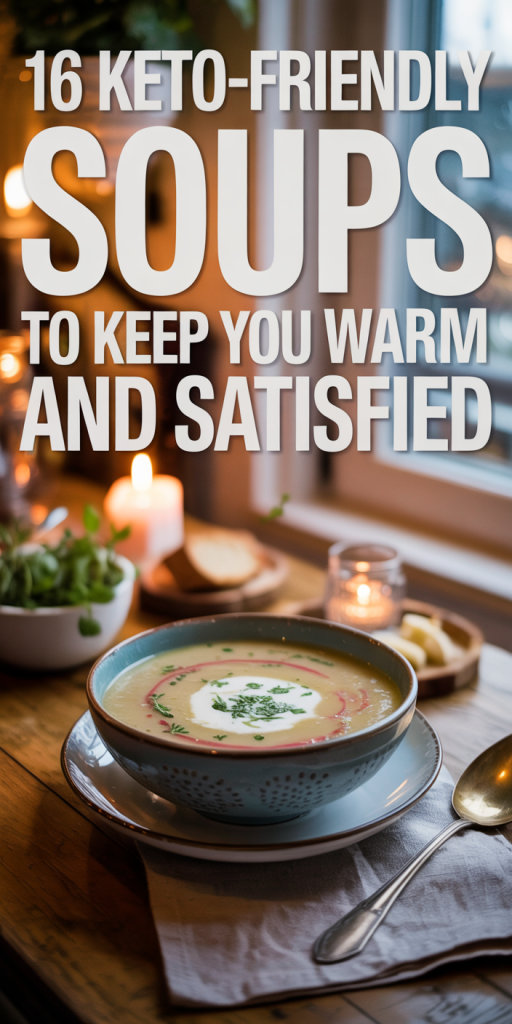
16 Keto-Friendly Soups To Keep You Warm And Satisfied
When the weather turns chilly or I need a low‑carb, comforting meal, a bowl of soup is often my first choice. Keto-friendly soups can be deeply satisfying, warming, nutrient-dense, and designed to keep carbs low while delivering protein, healthy fats, and plenty of flavor. In this guide I walk through 16 carefully chosen recipes spanning clear broths, creamy veloutés, hearty stews, and vegetable-forward bowls. Along the way I’ll explain how to track carbs and macros, offer practical tips for achieving luxurious textures without flour or starch, and share meal-prep and storage strategies so soup becomes one of my easiest weeknight wins.
Why Keto Soups Work For Low‑Carb Eating
Soups are one of the most versatile formats for a ketogenic diet. They let us concentrate flavor, pack in protein and non‑starchy vegetables, and use fats (butter, olive oil, heavy cream, coconut milk) to create satiating mouthfeel without the need for carbs. Because liquids distribute taste evenly, a little seasoning goes a long way: a modest amount of fat and salt can make a low‑carb vegetable sing.
From an insulin and blood‑sugar perspective, soups made from broths, leafy greens, cruciferous vegetables, and fatty proteins produce far smaller glycemic responses than grain‑ or starch‑based bowls. That means better appetite control and steadier energy, two goals many of us aim for on keto.
Another advantage is convenience: bone broth, rotisserie chicken, and frozen seafood are all ready to turn into weeknight soups. For those tracking macros, soups are easy to portion and quantify when we measure ingredients before simmering. And finally, soups encourage hydration: broth provides electrolytes (sodium, potassium, magnesium) that are especially useful when we’re low‑carb and flushing water weight.
In short, keto soups combine comfort, nutrition, and metabolic friendliness, a trifecta that makes them staples in our low‑carb rotation.
How To Use This Soup Guide (Serving Sizes, Carbs, And Macros)
We organized the recipes into categories so you can pick a soup by desired style, light broths, creamy bowls, hearty meal replacements, or vegetable-forward options. Below are a few guidelines to help translate each recipe into your meal plan.
Serving sizes and portions
- Standard serving: We describe most recipes with a 2‑cup serving (16 fl oz) as the baseline, which is an approachable single meal portion for many people. If you want a starter portion, reduce by half: for a meal you may increase to 3 cups depending on caloric needs.
- Protein targets: Aim for 20–40 grams of protein per meal if you use the soup as a main course. Add extra shredded meat, an egg, or full‑fat Greek yogurt (if tolerated) to raise protein without many carbs.
Carb counting and estimation
- Most broth-based soups in this guide land between 2–6g net carbs per serving depending on vegetables and amounts. Creamy soups with low‑carb thickening or greater dairy content range 4–8g net carbs. Hearty stews with root‑vegetable substitutes (rutabaga, turnip) may reach 6–10g net carbs if we’re generous with portions.
- We recommend subtracting fiber from total carbs for net carbs, and using a food scale to weigh vegetables for precise tracking. If you use packaged ingredients (like miso or tomato paste), check labels, sodium and carbs can vary.
Macros and fat adjustments
- To hit a typical keto macro split (60–75% fat, 20–30% protein, 5–10% carbs), add fat sources: olive oil, butter, ghee, coconut milk, or a spoonful of mayonnaise or avocado oil to finish the bowl.
- For higher‑protein needs, bulk up with shredded chicken, ground beef, or seafood. For higher fat we add cream, cheese, or an oil‑based drizzle.
Allergen and dairy substitutions
- Where we suggest dairy (cream, butter, cheese) you can swap full‑fat coconut milk, ghee, or nut‑based creams. For strict keto vegans, use tofu, coconut cream, olive oil, and adjust protein expectations.
Use this guide as a flexible framework, we give direction on flavors, textures, and carb expectations so you can adapt each recipe to your goals and preferences.
Broth‑Based And Clear Soups (Light, Low Carb)
Broth-based soups are the backbone of simple, low‑carb eating. They’re hydrating, quick, and rely on umami and aromatics instead of thickening agents. Below we outline four favorites that are light but filling.
Chicken Zoodle Soup
A classic reworked for keto: replace noodles with spiralized zucchini (zoodles). We start with homemade or high-quality chicken bone broth, add shredded roast chicken, thinly sliced leeks, carrot ribbons (sparingly), and zoodles added at the end so they don’t become watery. Season with thyme, lemon zest, and cracked pepper. Per 2‑cup serving: ~4–6g net carbs depending on carrot amount.
Beef And Cabbage Pho‑Style Broth
We mimic pho using a long‑simmered beef broth infused with star anise, cinnamon, ginger, and fish sauce. Instead of rice noodles we use thinly sliced napa cabbage and shirataki udon (optional). Top with cilantro, Thai basil, lime, and thinly sliced beef cooked briefly in the hot broth. This delivers deep flavor with 3–5g net carbs per serving.
Miso Seaweed And Tofu Soup (Low Carb Version)
Miso can be surprisingly keto‑friendly when used judiciously. We combine dashi or reduced‑sodium chicken broth with wakame and soft tofu cubes. Use a light miso paste and dissolve it off‑heat to preserve probiotics. Add chopped scallions and sesame oil for finish. Expect ~3–5g net carbs.
Lemon‑Garlic Shrimp And Spinach Broth
This bright, Mediterranean‑leaning bowl uses garlic, lemon, white wine (optional, small splash cooks off the alcohol), and fish or chicken broth. Quick‑poached shrimp and a handful of baby spinach finish the soup. We finish with olive oil and chopped parsley. Very low in carbs, typically 2–3g net carbs per serving, and high in protein.
Creamy And Velvety Keto Soups (Rich, Low Carb)
Achieving creaminess on keto means substituting starches with fats, puréed low‑carb veg, nuts, or cream alternatives. These soups feel indulgent without the carb load.
Cauliflower And Parmesan Velouté
Cauliflower is our go‑to for silky, low‑carb purées. Roast florets with garlic and shallot until caramelized, then simmer in chicken or vegetable stock. Purée with grated Parmesan and a splash of heavy cream (or cashew cream for dairy‑free). Finish with browned butter and chopped chives. Each 2‑cup serving is typically 4–6g net carbs depending on cauliflower volume.
Creamy Broccoli Cheddar (Low Carb)
We lightly steam broccoli, reserving some florets for texture, then blend the rest with warm stock and double cream. Stir in sharp cheddar until melted: a touch of Dijon or nutmeg lifts the flavor. To keep carbs down, limit milk and avoid flour thickeners. Per serving: about 5–7g net carbs.
Keto Tomato Basil Bisque With Heavy Cream Alternative
Tomato soups can be keto‑friendly when we control portion size and use concentrated flavors. We roast plum tomatoes (or use high‑quality canned strained tomatoes), reduce with onion, garlic, and basil, then blend with a mixture of heavy cream and cream cheese or mascarpone for richness. Use erythritol or a pinch of baking soda if needed to tame acidity. Net carbs vary (6–8g), so watch serving sizes.
Roasted Butternut Squash Substitute Soup (Lower‑Carb Version)
Traditional butternut squash is high in carbs: we create a visually similar, lower‑carb alternative using roasted pumpkin (less starchy varieties), kabocha in smaller amounts, or a combination of rutabaga and carrot for sweetness. Roast with sage and onion, simmer briefly, and purée with coconut cream and a dash of curry powder. This version aims for 6–9g net carbs, still lower than the classic butternut recipe, and offers a satisfying, autumnal flavor.
Protein‑Packed And Hearty Keto Soups (Meal‑Replacement)
When we want a soup that feels like a full meal, we turn to richer stocks, fatty cuts, and dense vegetables. These bowls are engineered to be filling enough to replace a plated dinner.
Italian Sausage, Kale, And Fennel Stew
We brown crumbled Italian sausage to render fat, then sauté fennel and garlic until soft. Add chicken stock and a big handful of chopped kale. Finish with a swirl of olive oil and grated pecorino. Optional: add small cubes of roasted turnip for body. Each serving provides 20–30g protein and ~6–8g net carbs depending on vegetable additions.
Beef Short Rib Chili (No Beans)
This slow‑cooked chili uses seared short ribs, tomato base (concentrated), smoked paprika, and plenty of chili peppers for heat. We omit beans and thicken by reducing the liquid and shredding the meat directly into the pot. Top with avocado, sour cream, and shredded cheddar. Per 2‑cup serving: ~8–10g net carbs and a high protein profile.
Chicken, Bacon, And Brussels Sprout Chowder
Think chowder without the potato. We sauté bacon until crisp, use the fat to toast shallots, then add shredded chicken, sliced Brussels sprouts, and heavy cream. A small amount of rutabaga can mimic potato texture without the carb burden. This soup gives us a creamy, savory meal with roughly 7–9g net carbs and strong satiety.
Seafood Cioppino With Tomato Broth (Low Carb)
Cioppino is naturally adaptable. We use a concentrated tomato broth but keep tomato quantities moderate, then load up on mussels, clams, shrimp, and firm white fish. Finish with olive oil and chopped parsley. Served with keto garlic croutons (thin almond‑flour toasts) it becomes a luxurious, low‑carb dinner: ~6–9g net carbs per serving depending on tomato base.
Vegetable‑Forward Low‑Carb Soups (Fiber‑Rich, Satisfying)
Vegetable-forward soups can be surprisingly filling when we prioritize fiber, fat, and umami. These bowls are great for days when we want to eat lighter but still feel satisfied.
Creamy Mushroom And Thyme Soup (No Flour)
We sauté a mix of cremini and shiitake mushrooms in butter until golden, deglaze with a splash of white wine (optional), then simmer with thyme and chicken stock. Purée half the mixture for body and leave the rest chunky. Finish with heavy cream or a dollop of crème fraîche. Net carbs are typically 4–6g per serving, and the umami keeps hunger at bay.
Zucchini And Herb Soup With Pesto Swirl
This is a simple blender soup: sauté zucchini and onion, add stock and a bouquet of herbs (parsley, basil, chives), then blend until smooth. A spoonful of basil pesto (homemade with pine nuts or walnuts and olive oil) stirred in before serving adds fat and flavor. Very low carb at ~3–5g net carbs.
Roasted Red Pepper And Almond Cream Soup
Roasted red peppers provide smoky sweetness: we pair them with blanched almonds puréed into a creamy base (almond cream). Garlic, smoked paprika, and a little sherry vinegar balance the profile. Because peppers carry some sugar, expect 6–7g net carbs per portion, but the almond protein and fat boost fullness.
Green Vegetable Soup With Avocado Garnish
Combine asparagus, broccoli stalks (peeled), spinach, and a small amount of peas if desired, simmer and blend until smooth. Top with diced avocado and a squeeze of lime for refreshing contrast. This bowl is fiber‑rich and often lands between 4–6g net carbs depending on pea inclusion.
Practical Tips For Making Keto Soups (Thickening, Creaminess, And Flavor)
Small technique choices have an outsized effect on soup quality. Here are practical tricks we use to get restaurant‑level results without adding carbs.
Low‑Carb Thickeners And Cream Alternatives
- Puréed low‑carb vegetables: cauliflower, zucchini, broccoli, and roasted peppers provide body when blended.
- Nut creams: soak blanched almonds and blend into a smooth cream for dairy‑free richness. Cashew cream is another classic substitute.
- Xanthan gum: a tiny pinch (1/8–1/4 tsp) stabilizes emulsions and thickens without flavor: use sparingly to avoid sliminess.
- Egg yolks: tempered yolks enrich and thicken veloutés: avoid curdling by slowly whisking in warm stock.
Boosting Flavor Without Adding Carbs
- Use roasted vegetables and browned proteins to create Maillard flavor, it changes everything.
- Concentrated stocks and reduction: simmer to reduce and intensify, but don’t over‑salt.
- Umami boosters: fish sauce, anchovy paste, nutritional yeast, and aged cheeses add depth for minimal carbs.
- Acids: lemon, sherry vinegar, or a touch of balsamic brighten flavors and reduce the need for sugar.
Adjusting Texture: Blending, Straining, And Emulsifying Techniques
- For velvety texture: blend hot soup with an immersion blender, then pass through a fine sieve if you want ultra‑silky results.
- Emulsify fats: finish with an off‑heat swirl of olive oil, cream, or butter and whisk briskly to create a glossy emulsion.
- For chunky stews: reserve a portion of vegetables/meat before blending to keep texture and body.
Applying these techniques consistently helps us make soups that feel indulgent and satisfy the low‑carb mandate without compromise.
Meal Prep, Storage, And Reheating Guidelines
Soup is one of the easiest things to batch‑cook, but doing it well means paying attention to storage and reheating to preserve texture and flavor.
Batch Cooking And Freezing Best Practices
- Cool rapidly: transfer soup to shallow containers after simmering so it cools within two hours. Quick cooling prevents bacterial growth.
- Portion before freezing: freeze in single‑meal containers (2‑cup portions) so we thaw only what we need. Use freezer‑safe glass or BPA‑free plastic.
- Avoid high‑water veg for freezing: some ingredients (like zoodles, soft avocado, or delicate greens) don’t freeze well. Add them fresh after reheating.
- Label with date and contents: most soups keep well for 3–4 months in the freezer.
Reheating Without Breaking Emulsions Or Curdling Dairy
- Reheat gently over low heat and stir frequently. Rapid boiling can separate cream and cause curdling.
- If soup contains eggs or an emulsion, use a bain‑marie or warm in short bursts in the microwave, stirring between intervals.
- If separation occurs, remove from heat and whisk in a tablespoon of cold cream or a knob of butter to reincorporate.
Labeling, Portioning, And Macro Tracking For Leftovers
- Weigh portions and note approximate macros at the time of batch cooking. Keep a spreadsheet or use a tracking app to record exact ingredients and quantities.
- When adding final toppings (avocado, cheese, pesto), factor those into your macro tally since they can add significant fat and calories.
- For accurate carb counts, log brand‑specific items like miso, tomato paste, or packaged stocks because carb content varies.
With a few mindful steps, soup batch‑cooking becomes a reliable strategy for staying on plan and saving time.
Conclusion
Soup is one of the most forgiving and rewarding formats on keto: it allows us to mix flavors, concentrate nutrition, manage macros, and enjoy comforting textures without relying on carbs. Whether we want a light, restorative broth: a velvety, cream‑forward bowl: a protein‑rich stew: or a vegetable‑forward, fiber‑packed option, these 16 recipes give us a template to build from.
Our parting advice: start with good stock, season boldly, and tailor fat and protein to your personal macro goals. Keep a few go‑to recipes in rotation for hectic weeks, and don’t be afraid to experiment with nut creams, slow‑roasted vegetables, and bold umami additions. A well‑executed keto soup can be as satisfying as any plated dinner, and it’s one of the simplest ways to make low‑carb living delicious and sustainable.