How to Create a Cozy Home That Still Feels Modern
We want our homes to feel warm, welcoming, and comfortable, but we also crave the clean, uncluttered look that defines modern design. The tension between coziness and modernity is solvable: with deliberate choices in color, materials, furniture, lighting, and small practical details, a home can feel both lived-in and contemporary. In this guide we’ll walk through a clear, room-by-room approach and share practical strategies, from palette decisions to budget-friendly updates, so you can make your space feel inviting without sacrificing that modern edge.
Define Cozy Modern: Principles and Mindset
Cozy modern is less a fixed style and more a set of principles we can apply to any home. It’s about pairing the soft, tactile elements that make a space feel lived-in with the restraint and clarity of modern design. If we adopt a mindset that values intentionality over accumulation, we’ll find the balance is easier than it looks.
Balance Warmth With Clean Lines
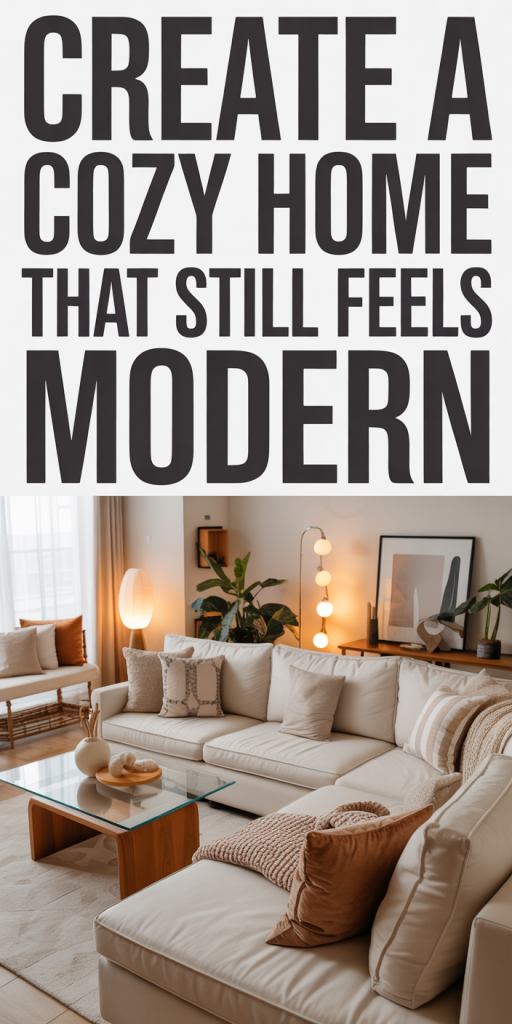
We want warmth, soft textiles, rounded forms, and natural materials, but we also want clean lines so the room reads contemporary rather than dated. Think generous, low-profile sofas with simple silhouettes: wooden coffee tables with crisp edges: and uncluttered shelving where every object has a purpose. The contrast between a streamlined form and a cozy surface (like a boucle cushion or wool throw) is what makes the modern-cozy look feel purposeful.
Prioritize Comfort, Function, and Restraint
Cozy modern isn’t maximalism. We prioritize comfort and function, but we edit relentlessly. Keep only pieces that support how you live: a comfortable reading chair, a dining table that fits family needs, storage that hides clutter. Restraint helps the warmth feel curated rather than chaotic.
Choose a Cohesive Material Palette
A limited materials palette unifies the room. Pick two to three dominant materials, for example: warm wood, matte metal, and natural stone, and repeat them in different places. This creates a quiet cohesion that reads as modern while allowing tactile variety that reads as cozy.
Plan for Layering and Visual Rest
Layering creates depth: rugs over floors, cushions on sofas, lighting at multiple heights. But visual rest is equally important. Interleave richer, textured zones with calm, plain surfaces so the eye has places to land. The result is a space that feels both rich and calm.
Color Strategy: Warm Neutrals With Modern Contrast
Color is one of the fastest ways to set tone. For cozy modern we build warmth with neutrals, then sharpen the look with modern contrast accents. The aim is a palette that feels calm at scale but interesting up close.
Build a Base of Neutral Warmth
Start with warm neutrals for large surfaces: walls, floors, and big furniture pieces. Think greige, warm taupe, soft cream, or muted terracotta. These hues reflect light softly and make rooms feel enveloping. A warm white on walls gives us brightness without the clinical feel of stark white.
Add Modern Accents and Contrast Hues
Introduce contrast with charcoal, deep navy, or matte black in small doses, window frames, a metal leg detail, or a graphic rug. These darker accents lend a modern edge and help anchor the room visually. For accent materials, we can also use cooler metals like brushed nickel or gunmetal to introduce subtle complexity without losing warmth.
How to Use Accent Color Without Overpowering
Limit high-contrast colors to 5–15% of the visual field. Use them as punctuation: a painted door, a side table, artwork, or a lamp. If we want a bolder statement, we keep it local (a single wall, a large art piece) and balance it with soft neutrals elsewhere. This way accents feel intentional rather than chaotic.
Materials and Finishes: Natural Textures With Sleek Surfaces
A tactile mix is central to cozy modern. We combine natural textures that invite touch with sleek surfaces that keep the aesthetic modern.
Mix Wood, Stone, and Metal Thoughtfully
Warm woods (walnut, oak, teak) bring natural richness. Stone (honed marble, soapstone) adds solidity and tactility. Metal provides modern punctuation. The trick is proportion: if our floors are warm wood, we might use stone on a coffee table and matte black metal accents in lighting or hardware. Repeating materials in several places creates harmony.
Finish Choices That Read Modern but Feel Inviting
We prefer matte or low-sheen finishes over high-gloss for a cozy modern home. Matte paints, honed stone, and brushed metals hide fingerprints and feel softer. When choosing cabinetry or shelving, flat-front panels with minimal hardware read modern: pair them with textured countertop or wood shelving to keep the composition inviting. Even hardware choices matter: simple, geometric pulls in warm metals (aged brass, satin bronze) strike the right balance between modern and warm.
Furniture Selection and Room Layouts
Furniture defines how a room functions and feels. We want modern silhouettes that prioritize comfort and arrange them so rooms encourage connection and rest.
Choose Modern-Silhouette Furniture With Plush Proportions
Look for pieces with clean lines but generous cushions. Low, wide sofas with thin arms or armless designs read modern while deep seat cushions and down or down-alternative fills ensure comfort. Chairs with sculptural frames can be softened with upholstery in tactile fabrics like boucle, wool, or linen blends.
Scale, Function, and Traffic Flow Tips
Scale is everything: oversized furniture in a small room feels heavy: too-small pieces in a large room feel insubstantial. We measure before buying and leave clear traffic paths, generally 2.5 to 3 feet between major pieces and at least 18 inches between coffee table and sofa for comfortable movement. Function matters: modular seating, nesting tables, and storage benches extend versatility without visual clutter.
Create Cozy Conversation Zones and Nooks
Break larger rooms into smaller zones. A conversation area anchored by a rug and a cluster of seating creates intimacy. A reading nook under a window, with a lamp and side table, invites downtime. Use furniture placement, not just walls, to define these areas, and let each zone have a focal point: a fireplace, a piece of art, or a dramatic light fixture.
Lighting Design: Layered, Dimable, and Warm
Lighting transforms materials and mood. For cozy modern we design in layers, prefer warm color temperatures, and use dimming to control atmosphere.
Ambient, Task, and Accent Lighting Roles
We layer three lighting types: ambient (general illumination), task (reading, cooking), and accent (art, architectural features). Ambient lighting could be recessed cans on dimmers or a central pendant. Task lighting includes under-cabinet lights in kitchens and adjustable desk lamps in offices. Accent lighting, picture lights, wall washers, and floor uplights, highlights texture and creates depth.
Selecting Bulbs, Fixtures, and Smart Controls
Choose bulbs with a warm color temperature: 2700K–3000K for living spaces. Opt for high CRI (90+) bulbs to render materials and skin tones accurately. Fixtures should reflect the palette, matte metals, warm brass, or ceramic finishes. Smart dimmers and multi-scene switches let us change the room’s tone at the push of a button, which is great for transitions from day to evening.
How Lighting Enhances Texture and Mood
Directional light reveals texture: soft, diffused light smooths it. We use uplighting to accent a textured wall, and table lamps with fabric shades to cast a warm glow over seating areas. The interplay between shadow and light makes materials read richer and makes a modern space feel more intimate.
Textiles and Layering: Softness That Feels Intentional
Textiles are the quickest path to coziness. When we layer thoughtfully and choose high-quality fabrics, a modern space gains touchable warmth without clutter.
Rugs, Throws, and Upholstery: Texture Tips
A rug anchors a seating area and adds warmth underfoot. We prefer rugs with natural fibers or low-pile wool in subtle patterns for a modern look. Throws in soft wool, cashmere blends, or faux sheepskin introduce tactile contrast. For upholstery, choose durable yet tactile fabrics, performance linen blends or tightly woven wool, and keep patterns minimal in large pieces.
Window Treatments That Soften Without Closing Off Light
Sheer layered with heavier drapery gives us light control and softness. We hang curtains high and wide to make windows feel larger, and choose fabrics that skim the floor for a tailored look. For a modern touch, consider motorized roller shades under decorative panels for privacy without losing the clean line.
Pillows and Bedding: Mixing Scale, Pattern, and Fabric
Mix pillow sizes and scales: a large lumbar, two medium-squares, and a smaller patterned cushion create visual interest without chaos. Stick to a restrained color story and vary textures, velvet, linen, nubby knit, for depth. In the bedroom, layered bedding (fitted sheet, duvet or comforter, lightweight throw) lets us adjust comfort while keeping the bed visually inviting.
Decor, Art, and Accessories: Curated, Not Cluttered
Accessories define personality but can also create visual noise. We curate deliberately and let negative space amplify the pieces we love.
Edit Collections and Embrace Negative Space
Less is more. Rather than dispersing small objects around the room, we group items into meaningful vignettes. A single shelf can feel intentional if objects are spaced with breathing room. Rotate pieces seasonally to keep displays fresh without adding clutter.
Incorporating Organic Elements and Greenery
Plants add life and warmth. Choose sculptural plants like fiddle-leaf figs or philodendrons for a modern vibe, and smaller succulents for tabletops. Organic elements, woven baskets, ceramics, or a bowl of seasonal fruit, introduce imperfection that softens strict geometry.
Modern Art, Mirrors, and Statement Pieces That Add Warmth
Large-scale art with warm palettes can anchor a room. Mirrors reflect light and expand space: choose frames that echo your metal finishes for cohesion. A single statement piece (an oversized lamp, a sculptural chair, or a textured wall hanging) creates personality without clutter.
Practical Touches: Storage, Acoustics, and Scent
Cozy modern isn’t just aesthetics: practical details keep the feeling authentic. We attend to storage, sound, and scent, the unsung contributors to perceived comfort.
Smart Storage Solutions That Maintain Clean Lines
Built-in cabinetry, floating shelving, and furniture with hidden storage keep surfaces calm. Opt for full-height cabinetry in kitchens and media consoles with doors to conceal electronics. Baskets inside open shelving offer a softer look while hiding inevitable clutter. When storage matches the wall color, it recedes and preserves clean lines.
Improve Acoustics to Enhance Perceived Coziness
Hard surfaces create echoes that undermine coziness. We add soft surfaces, rugs, upholstered headboards, fabric wall panels, to dampen sound. Curtains, bookshelves filled with books, and strategically placed textiles improve acoustics and make conversations feel intimate.
Scenting Strategies That Support a Cozy Ambience
Scent is subliminal but powerful. We favor subtle, natural scents: cedar, sandalwood, orange blossom, and warm spice blends. Use reed diffusers, soy candles, or a smart diffuser on a schedule. Keep scents light and seasonal, too-strong fragrance becomes overbearing and undermines a relaxed atmosphere.
Adapting Cozy Modern to Different Rooms
The cozy modern approach translates differently across rooms. Here’s how we adapt the principles to specific spaces so each feels intentional.
Living Room: Anchoring With Rugs and Seating Groups
In the living room we anchor zones with a large rug to define the seating area. Arrange seating to encourage conversation, and keep a mix of fixed and movable surfaces (a coffee table plus ottomans or side tables). Layer lighting, a central fixture, table lamps, and floor lamps, so we can dial the mood.
Kitchen: Warmth Through Materials and Task Lighting
Kitchens stay modern by using flat-front cabinetry and integrated appliances, but we introduce warmth with wood open shelving, warm stone countertops, or a wood island top. Under-cabinet task lighting and pendant lights over islands bring function and visual interest. Open shelving displays curated pieces rather than plates in disarray.
Bedroom: Layered Bedding and Minimal Clutter
The bedroom should feel like a retreat. We prioritize a sumptuous mattress, layered bedding, and minimal surfaces beside the bed. Built-in closets or a wardrobe system seal away clothes, and bedside lighting with dimmers supports winding down.
Home Office and Entryways: Function With Personality
Home offices need ergonomic furniture but can still feel cozy with warm materials and soft lighting. Entryways set first impressions: a streamlined console, a mirror, and a woven basket for shoes or umbrellas keep things tidy while adding texture and welcome.
Budgeting, Phasing, and DIY Strategies
We don’t need a full renovation to achieve cozy modern. Thoughtful phasing and targeted investments yield big returns.
Where to Invest vs. Save
Invest in pieces that are used daily: a quality sofa, a supportive mattress, and durable rugs. These items are hard to replace and define the comfort level. Save on accessories, replaceable décor, and small decorative items. Lighting and textiles offer high-impact, relatively affordable returns.
Easy Weekend Updates That Make a Big Impact
Swap out cabinet hardware, paint walls in a warm neutral, add a large rug, or change lampshades, these are weekend projects that dramatically shift a room’s character. Installing dimmers and swapping bulbs to warm 2700K LEDs also changes mood quickly.
Sourcing Tips for Affordable Modern-Cozy Finds
Mix high and low: splurge on a statement sofa or rug, then shop for side tables or lighting at budget-friendly retailers. Thrift stores and vintage markets are goldmines for unique wood pieces or framed art that add warmth and personality. For textiles, check remnant bins at fabric stores for discounted high-quality materials if you’re sewing cushions or curtains yourself.
Conclusion
Creating a cozy home that still feels modern is about intention. We pair warm materials, layered lighting, and tactile textiles with pared-back forms and a restrained palette. The result is a home that feels both lived-in and thoughtfully edited. Start with the big anchors, paint, sofa, rug, and build in layers: lighting, textiles, art, and scent. Edit often, invest where it counts, and don’t be afraid to let a few imperfect, organic pieces soften the geometry. With a plan and a few well-chosen changes, we can make any home feel like a modern sanctuary that invites us to stay awhile.