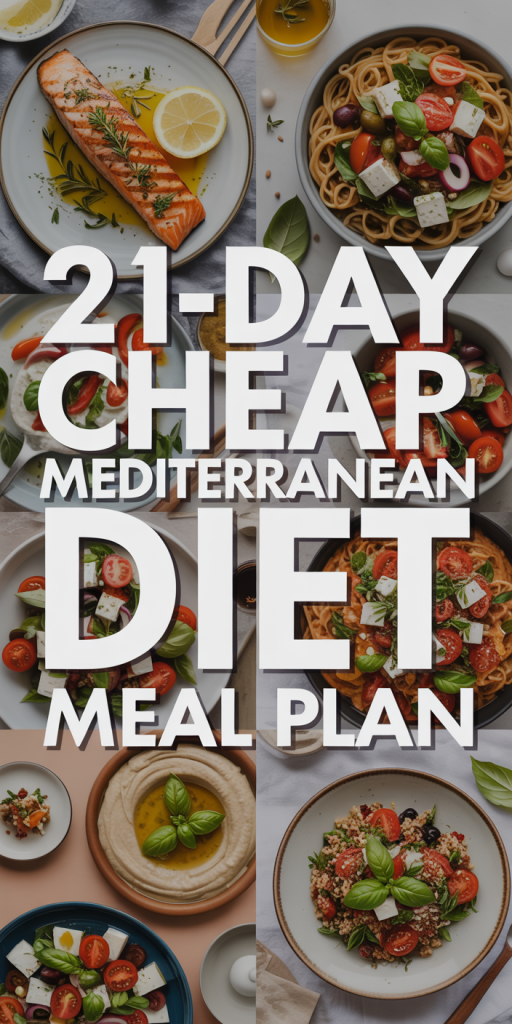
21-Day Cheap Mediterranean Diet Meal Plan
How to Eat Healthy on a Budget Without Sacrificing Flavor
Eating well often gets framed as expensive or complicated. It doesn’t have to be. The Mediterranean diet—one of the most researched and sustainable eating patterns in the world—is naturally built around simple, affordable foods. Beans, lentils, grains, seasonal vegetables, olive oil, and herbs form the backbone of this style of eating, which makes it surprisingly budget-friendly.
This 21-day Mediterranean meal plan is designed to prove exactly that. It focuses on low-cost staples, smart meal planning, and strategic leftovers so you can cook once and eat multiple times. Over the next three weeks, you’ll build habits that support both your health and your grocery budget.
Let’s start with why this way of eating works so well when money is tight.
The Mediterranean Diet Is Naturally Affordable
There’s a common belief that Mediterranean eating means fresh fish every night and expensive specialty foods. In reality, traditional Mediterranean diets were built by farming and coastal communities using whatever was cheap and available. That meant legumes, grains, vegetables, and small amounts of animal protein.
The budget advantages are built right into the diet:
- Plant-based proteins cost far less than meat
- Whole grains and legumes are shelf-stable
- Seasonal produce is inexpensive
- Olive oil and herbs add flavor without costly sauces
- Leftovers and batch cooking are traditional practices
When you combine those principles with intentional meal planning, grocery costs drop quickly. That’s exactly what this 21-day plan is built around.
Week 1: Building Your Foundation
The first week establishes a simple, repeatable routine using the cheapest Mediterranean staples. Breakfast stays consistent—oatmeal every day—to keep costs low and mornings easy. Instead of chasing variety, the focus is learning how to cook affordable ingredients confidently.
Batch cooking starts immediately. On Day 1, you prepare a large pot of hearty lentil soup. That single recipe becomes lunch for several days, reducing both cooking time and food waste. Ingredients like oats, lentils, chickpeas, and basic vegetables dominate the week because they deliver maximum nutrition per dollar.
By the end of Week 1, you’ve already learned the core skill of budget Mediterranean eating: cook once, eat multiple times.
Week 2: Expanding Variety Without Raising Costs
With the basics established, Week 2 adds variety while staying budget-conscious. Breakfast rotates to Greek yogurt, which remains affordable but increases protein. Lunches still rely on leftovers and batch meals, but dinners introduce lean proteins like chicken and canned tuna.
Meals become more diverse—shakshuka, chicken skewers, black bean burgers—yet the grocery bill stays steady because the protein sources remain inexpensive. This week proves a key point: variety doesn’t require expensive ingredients, only smart combinations.
The structure stays the same. The ingredients simply broaden.
Week 3: Mastering Mediterranean Cooking
By Week 3, you’re no longer just following a plan—you’re cooking confidently. Breakfast shifts again to eggs, another budget-friendly protein with a different flavor profile. Dinners focus on efficient techniques like sheet-pan meals and stuffed vegetables.
These recipes maximize both time and ingredients. A sheet-pan chicken dinner cooks protein and vegetables together. Stuffed vegetables combine grains and legumes into complete meals. Toward the end of the week, a planned “leftover buffet” encourages using everything remaining in the fridge.
This final week reinforces the central lesson: affordable cooking comes from skill and planning, not expensive ingredients.
Budget Breakfast Staples
Breakfast is where many budgets quietly leak. Coffee shop stops and packaged convenience foods add up fast. This plan keeps mornings inexpensive with three rotating staples:
- Oatmeal – about $0.75 per serving
- Greek yogurt with fruit – about $1.25 per serving
- Eggs with spinach and feta – about $1.50 per serving
Even the most expensive option costs less than a dollar-menu breakfast. Rotating these three meals prevents boredom while keeping grocery lists simple and efficient.
Foundation Recipe: Hearty Lentil Soup
If one recipe defines cheap Mediterranean eating, it’s lentil soup. Lentils provide roughly 18 grams of protein per cooked cup and cost only pennies per serving. A large pot can feed you for days and freezes well for future meals.
It’s also a perfect starter recipe because the flavors deepen overnight. What begins as a simple soup on Day 1 becomes even better by Day 2 and Day 3. This single dish anchors lunches throughout the first week and demonstrates how batch cooking stretches both time and money.
Quick Weeknight Hero: Chickpea Curry
Some nights you need dinner fast. Chickpea curry solves that problem using pantry staples and one pot. Chickpeas and spinach supply protein and iron, while coconut milk creates richness without expensive ingredients.
The entire meal comes together in under 30 minutes and costs around $1.75 per serving. It’s the kind of recipe that turns “nothing in the fridge” into a complete dinner.
Classic Simplicity: Pasta Aglio e Olio
Few dishes show the power of Mediterranean cooking better than pasta aglio e olio. Garlic, olive oil, pasta, and a bit of starchy cooking water transform into a silky sauce that feels far richer than its cost suggests.
At roughly $0.75 per serving, this is one of the cheapest meals you can make. The technique—infusing oil slowly with garlic and emulsifying with pasta water—is what elevates simple ingredients into something memorable.
Protein-Packed Favorite: Greek Chickpea Salad
Not every meal needs cooking. Greek chickpea salad provides a no-heat option perfect for lunches or meal prep. Chickpeas deliver protein and fiber, while chopped vegetables and olive oil create fresh Mediterranean flavor.
It actually improves after sitting in the fridge, making it ideal for preparing in advance. A double batch can cover several days of lunches for about $2 per serving.
One-Pan Dinner: Sheet Pan Lemon Herb Chicken
Sheet-pan meals are the ultimate efficiency tool. Chicken, potatoes, and green beans roast together, with juices flavoring everything as they cook. You get a full dinner with minimal prep and only one pan to clean.
At roughly $3.50 per serving, this meal delivers protein, vegetables, and starch at a cost comparable to fast food—but far healthier.
Vegetarian Star: Stuffed Bell Peppers
Stuffed peppers showcase how plant-based meals can be both inexpensive and nutritionally complete. Quinoa and black beans together provide a full protein profile, while the pepper acts as a natural serving container.
The dish is colorful, satisfying, and easy to batch cook. At about $2.25 per serving, it rivals meat-based meals at a fraction of the cost.
Smart Shopping Strategies That Cut Grocery Bills
Cooking cheaply starts in the store. A few habits dramatically reduce spending:
- Always shop with a list
- Buy seasonal produce
- Use frozen vegetables when cheaper
- Choose store brands for staples
- Plan meals around overlapping ingredients
These simple strategies alone can reduce grocery bills by $40–$60 per week.
The Budget Mediterranean Pantry
A stocked pantry is the secret to affordable cooking. With basic staples on hand, you can create meals anytime without extra trips or impulse purchases.
Core items include:
- Dried lentils and beans
- Canned chickpeas and tomatoes
- Whole grains like rice and pasta
- Olive oil
- Garlic and onions
- Dried herbs and spices
An initial investment of about $40 in these basics supports dozens of meals over time.
Your Mediterranean Journey Starts Now
Healthy eating doesn’t require specialty foods or a large budget. The Mediterranean diet remains one of the most affordable ways to eat because it prioritizes grains, legumes, vegetables, and modest portions of protein.
The key lessons are simple:
- Cook in batches
- Use leftovers intentionally
- Build meals from cheap staples
- Add flavor with herbs and olive oil
If you’re starting today, choose three recipes from this plan and try them this week. Small steps build confidence quickly. Before long, affordable Mediterranean cooking becomes second nature—good for your health, and your wallet.