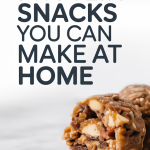
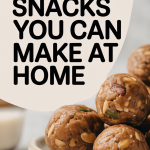
25 easy high-protein snacks you can make at home
We all know snacks can make or break a healthy day. When hunger hits between meals, choosing high-protein snacks you can make at home helps us control calories, keep energy steady, and support muscle and recovery. In this guide we share why protein-rich snacks matter, how to choose the right ones for your goals, pantry staples that speed prep, and 25 practical recipes and ideas, no gimmicks, just real food and doable techniques you can use this week.
Why High-Protein Snacks Matter
Protein does more than build muscle. When we reach for high-protein snacks, we get several benefits that matter whether we’re aiming to lose weight, recover from workouts, or simply keep energy steady through a busy day.
- Appetite control: Protein increases satiety hormones and reduces ghrelin, meaning we feel fuller longer and are less likely to snack impulsively on sugary foods.
- Muscle maintenance and repair: For anyone lifting, running, or aging, regular protein helps preserve lean mass and improves recovery between sessions.
- Stable blood sugar and steady energy: Pairing protein with fiber or healthy fats blunts glucose spikes and crashes, keeping our focus intact.
- Metabolic benefits: Protein has a higher thermic effect than carbs or fat, so digesting it burns more calories.
Put simply, swapping a bag of chips for a high-protein snack can change how we feel, perform, and eat the rest of the day. And making these snacks at home gives us control over ingredients, portions, and cost.
How To Pick The Right High-Protein Snack For Your Goals
Not every protein-rich bite fits every goal. Here’s a quick decision tree we use when choosing or building snacks:
- For weight loss: prioritize high protein + low-to-moderate calories + fiber. Think Greek yogurt with berries, or hard-boiled eggs with raw veggies.
- For muscle gain or recovery: larger portions and more carbs around workouts. Tuna on a whole-grain English muffin or a protein smoothie with oats works well.
- For steady energy during the day: pair protein with healthy fats and fiber (nut butter + apple, cottage cheese with seeds).
- For vegan/plant-based diets: combine complementary proteins or choose concentrated sources (tofu, tempeh, edamame, lentil dips, seedy bars).
We also consider convenience: on-the-go needs require portable, non-messy options: home-office breaks allow for slightly more prep. Finally, we check food sensitivities and keep swaps ready (e.g., dairy-free yogurt, nut-free seed butters).
Pantry And Prep Staples For Quick High-Protein Snacks
To make high-protein snacks fast, keep a small, well-curated set of staples on hand. These let us assemble quality snacks in minutes.
Must-haves:
- Canned tuna and salmon: shelf-stable, versatile, 15–20g protein per can.
- Greek yogurt (or dairy-free protein-rich yogurt): creamy base for parfaits and dips.
- Cottage cheese: high-protein and pairs well with savory or sweet add-ins.
- Eggs: hard-boil a batch for the week.
- Canned beans and lentils: mash into spreads or toss into salads.
- Tofu and tempeh: firm tofu for quick pan-fried bites: tempeh for heartier texture.
- Nuts, seeds, and nut/seed butters: protein plus healthy fats, almonds, pumpkin seeds, chia.
- Rolled oats and protein powder: for bars, energy balls, and smoothies.
- Whole-grain crackers, rice cakes, and pita: carriers for protein toppings.
- Chickpeas (canned or dried): roast for crisps or blend into hummus.
Prep habits that save time:
- Hard-boil a dozen eggs once or twice weekly.
- Roast a large tray of chickpeas or edamame for grab-and-go crunch.
- Portion yogurts, nuts, and seed mixes into single-serve containers.
- Make a double batch of energy balls and freeze extras.
With this pantry and a 30–60 minute Sunday prep session, we can cover most of the recipes below without stress.
No-Cook High-Protein Snacks (5 Fast Ideas)
When we don’t want to turn on the oven, plenty of high-protein snacks are ready in under five minutes. These are perfect for hot days, quick breaks, or times when we need something portable.
Greek Yogurt Parfait With Add-Ins
Start with plain Greek yogurt (about 3/4 cup = 15–20g protein). Add a tablespoon of chia seeds, a handful of berries, and 2 tablespoons of granola or chopped nuts. The seeds add texture and a protein/fiber boost: nuts or granola give crunch and healthy fats. For sweetness, a drizzle of honey or a few sliced dates does the job.
Cottage Cheese Savory Bowls
Half a cup of cottage cheese (12–14g protein) becomes a satisfying snack when we top it with cherry tomatoes, sliced cucumber, a sprinkle of za’atar or everything bagel seasoning, and a few olives. For a sweeter option, stir in cinnamon and diced pear.
Nut Butter + Fruit Or Rice Cakes
Two tablespoons of almond or peanut butter (6–8g protein) on an apple or two rice cakes is a classic for a reason. We like adding hemp seeds or a smear of ricotta under the nut butter for an extra protein lift.
Smoked Salmon And Whole-Grain Crackers
A few ounces of smoked salmon (10–15g protein depending on portion) on whole-grain crackers with a smear of cream cheese and dill feels indulgent but is quick and nutritious. Swap cream cheese for Greek yogurt to bump protein further.
Baked And Prepared High-Protein Snacks (7 Recipes)
These recipes take a bit more time or an oven, but the payoff is snacks we can portion and store for the week.
Mini Egg Muffins And Frittata Bites
Whisk 6–8 eggs with a splash of milk, add chopped spinach, bell pepper, cooked turkey or ham, and a little shredded cheese. Pour into a greased mini muffin tin and bake at 350°F for 12–15 minutes. Each muffin is about 3–4g protein: a 2–3 muffin serving is a satisfying snack. They’re portable and reheat well.
Protein-Packed Energy Balls And Bars
Mix 1 cup oats, 1 cup nut butter, 1/2 cup protein powder, 1/4 cup honey or maple syrup, and 1/4 cup seeds (flax, chia, or pumpkin). Press into a pan or roll into balls. Chill until firm. Each ball delivers ~6–10g protein depending on portion. Freeze extras and thaw as needed.
Baked Chickpea Crisps And Roasted Edamame
Drain and dry canned chickpeas, toss with a little olive oil, smoked paprika, and salt: roast at 400°F for 30–40 minutes until crunchy. One cup roasted chickpeas provides about 15g protein. For edamame, roast shelled or in-pod edamame with garlic powder for a similar high-protein snack.
Tuna Or Salmon Cakes
Flake canned tuna or salmon, mix with an egg, a tablespoon of breadcrumbs or oat flour, chopped green onion, lemon zest, and seasonings. Form small patties and pan-sear in a nonstick skillet for 3–4 minutes per side. Two small cakes yield roughly 15–20g protein. Serve with yogurt-dill sauce or mustard.
Vegan & Plant-Based High-Protein Snacks (5 Recipes)
Vegan snacks can be just as protein-dense when we choose concentrated sources and smart pairings.
Tofu Or Tempeh Bites With Dipping Sauce
Press extra-firm tofu, cube it, toss with a splash of soy sauce and cornstarch, then pan-fry until golden. A 100g serving of tofu provides about 8–12g protein. Tempeh is denser, pan-fry thin slices after marinating in a little maple and tamari for an even heartier bite.
Lentil Or Bean-Based Dip With Veggies
Blend cooked lentils or cannellini beans with lemon, garlic, tahini, and olive oil for a creamy dip. Two tablespoons of this dip with carrot sticks offers more protein than many store-bought hummus options. We like red lentil dahl spooned over cucumber rounds for a portable twist.
Seedy Nut-Free Protein Bars
For nut-free households, mix 1 cup sunflower seed butter, 1 cup oats, 1/2 cup pumpkin seeds, 1/2 cup hemp hearts, 1/3 cup protein powder, and a sweetener binder. Press into a pan and chill. Hemp hearts and pumpkin seeds provide concentrated protein and healthy fats.
Other easy vegan picks: edamame, roasted chickpeas, and high-protein yogurts made from soy or pea protein.

Kid-Friendly And On-The-Go Protein Snacks
We want snacks that kids will actually eat and that travel well for parents juggling school runs, practices, and meetings.
Ideas For School Lunches And Busy Days
- Mini turkey and cheese roll-ups: slice turkey and roll with cheese and a pickle spear. Easy to eat and low mess.
- Hard-boiled eggs: seasoned lightly and packed with a small spoon of mayo if needed.
- Yogurt tubes (freeze overnight for a cool treat), or portioned Greek yogurt with a small container of granola.
- Apple slices with individual nut-butter packets and a sprinkle of seeds.
- Homemade protein muffins (oats, egg, banana, protein powder) made in a mini-muffin tin, kid-sized portions reduce waste and portion creep.
Kids value familiarity, so we keep flavors simple and offer dips, yogurt, hummus, or guacamole, to boost intake.
Packing Tips For Travel And Workouts
- Use insulated lunch bags and small ice packs for dairy or egg-based snacks.
- For workouts, choose quick-digesting protein mixed with carbs (a small smoothie or a sandwich with lean meat) if the session is intense. For light workouts, a protein ball and banana often suffice.
- Portion snacks into single-serve containers to avoid overeating and make decisions fast when we’re on the move.
How To Portion, Store, And Reheat Protein Snacks
Good planning keeps snacks safe, tasty, and aligned with our nutrition goals. Here’s how we handle portions, storage, and reheating.
Meal-Prep Templates And Refrigerator/Freezer Storage Times
- Hard-boiled eggs: 1 week in the fridge in their shells.
- Cooked egg muffins: 4–5 days refrigerated, 2–3 months frozen.
- Baked chickpeas: best within 3–4 days (they lose crunch but remain edible): freeze roasted chickpeas only if vacuum-sealed.
- Energy balls/bars: 1 week refrigerated, 2–3 months frozen.
- Tuna/salmon cakes: 3–4 days refrigerated: 2–3 months frozen.
- Tofu/tempeh bites: 3–4 days refrigerated: re-crisp in a skillet.
Portion templates we use:
- Small snack: 10–15g protein (e.g., 1 hard-boiled egg + small apple)
- Moderate snack: 15–25g protein (e.g., 3/4 cup Greek yogurt with mix-ins)
- Substantial snack (pre/post-workout): 25–35g protein (e.g., sandwich with 3–4 oz tuna or a large protein smoothie)
Tracking Macros And Calorie Targets For Snacks
If we’re tracking macros, we keep a small notebook or use an app to log standard snack portions. Batch recipes (energy balls, muffins, bars) should be divided and calculated per piece so we can eat without guesswork. For weight loss, staying in a 150–300 calorie range per snack with 10–25g protein usually helps control appetite without overshooting daily calories.
Sample 7-Day High-Protein Snack Plan (With Portions)
Here’s a practical 7-day rotation we can use. Portions are tuned to provide 15–25g protein per snack unless noted.
Day 1: Greek yogurt parfait (3/4 cup Greek yogurt, 1 tbsp chia, 1/4 cup berries), ~20g protein
Day 2: Two mini tuna cakes with a cucumber slice, ~22g protein
Day 3: Cottage cheese bowl (1/2 cup cottage cheese, cherry tomatoes, seeds), ~14g protein (add a boiled egg to reach 24g)
Day 4: Protein energy ball (2 balls) + apple slices, ~18g protein
Day 5: Roasted edamame (1 cup) + whole-grain cracker, ~17g protein
Day 6: Tofu bites (100g) with dipping sauce, ~12g protein (add a tablespoon hemp seeds to reach 20g)
Day 7: Smoked salmon and whole-grain crackers (3 oz salmon), ~20g protein
This schedule balances animal and plant proteins, includes no-cook and prepared options, and keeps variety. We recommend adjusting portion sizes for special needs (more carbs around long workouts, smaller portions for strict caloric goals).
Quick Substitutions And Customization Based On Dietary Needs
Customization helps us keep these snacks practical for any household.
- Dairy-free: swap Greek yogurt/cottage cheese for soy or pea-protein yogurts: use hummus or seed-based spreads.
- Nut-free: choose sunflower or pumpkin seed butter and seed-based bars.
- Low-FODMAP: opt for canned tuna, hard cheeses, and low-FODMAP veggies: avoid large servings of beans unless tolerated.
- Paleo: focus on eggs, smoked fish, and meat roll-ups: skip grains and most legumes.
- Higher-calorie needs: scale up portions or add an extra carbohydrate (rice cakes, whole-grain toast) to reach energy goals.
We keep simple swap cards in our kitchen so anyone can build a snack that fits taste and restrictions. For instance, swap tempeh for tuna in a cake recipe to keep the texture and protein but make it plant-based.
If you have specific allergies or medical conditions, consult a registered dietitian for tailored swaps and portion guidance.
Conclusion
High-protein snacks you can make at home are an effective, affordable way to support energy, muscle, and weight goals without relying on processed convenience foods. With a few pantry staples, a little batch prep, and the 25 ideas in this guide, we can stay fueled between meals, stick to our macro and calorie targets, and enjoy snacks that actually satisfy. Start with one or two recipes this week, make a double batch, portion them out, and notice how much easier it is to make better choices when the right snack is within reach.