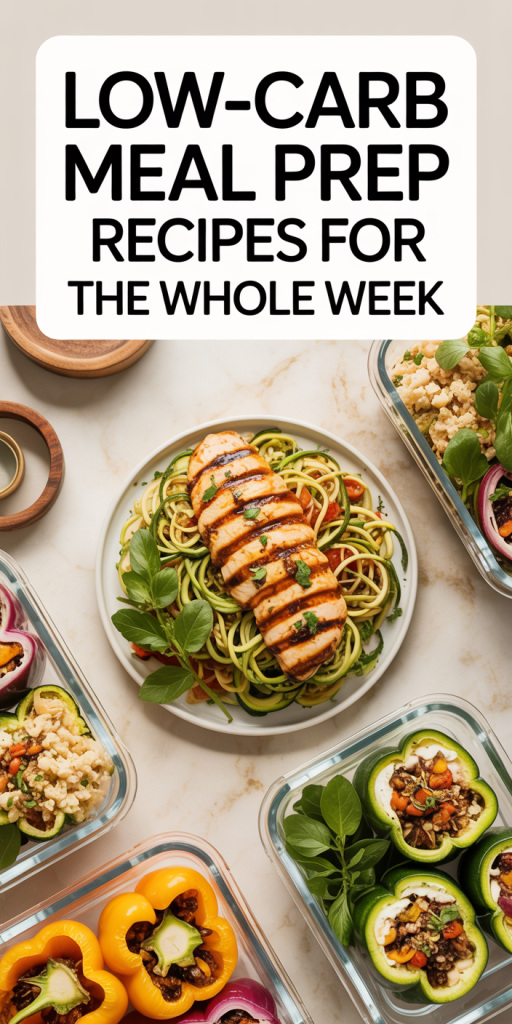
We know how freeing it feels to open the fridge and see a week of ready-to-eat low-carb meals laid out and waiting. That’s exactly why we created this practical, tested guide: Low-Carb Meal Prep Recipes for the Whole Week. Over the next ~2,000 words we’ll walk through planning, shopping, batch-cooking, and storing a 7-day low-carb plan that keeps flavor high and decision fatigue low. Whether you want to lose weight, manage blood sugar, or just stop guessing what’s for dinner, these recipes and timelines make it realistic to eat well all week.
Why Meal Prep Works for Low-Carb Eating
Meal prep changes the playing field for low-carb eating. Instead of relying on willpower at decision points (hangry afternoons, late dinners), we convert cooking into a single, efficient event and let convenience do the rest. Low-carb plans reward consistency: predictable protein, controlled carbs, and good fats. By batch-cooking proteins, pre-portioning veggies, and batching sauces, we remove the friction that usually causes us to reach for high-carb convenience foods.
There are several concrete benefits:
- Time saved: a 2–3 hour prep session can replace 10–14 nightly cooks.
- Cost efficiency: buying in bulk and using seasonal produce reduces per-meal cost.
- Better adherence: visible, ready meals reduce decision fatigue and impulsive eating.
- Nutrition control: when we prep, we set portions and macros instead of guessing.
In short, meal prep is the strategy that lets low-carb choices become the easy choices.
How To Plan Your Low-Carb Week
A good low-carb week starts with a realistic plan. We recommend mapping meals around protein first, then low-carb vegetables, then healthy fats and minimal starchy carbs. Start by deciding how many meals you’ll need (breakfasts, lunches, dinners, snacks) and whether you want repeats, repeating meals 2–3 times a week reduces prep time dramatically.
We break planning into three bite-sized steps below to keep things organized and scalable.
Essential Pantry, Fridge, and Tool Checklist
Essentials to have on hand make the week smoother. Here’s our practical list:
Pantry:
- Olive oil, avocado oil
- Canned tomatoes, coconut milk (full fat)
- Apple cider vinegar, Dijon mustard
- Nuts (almonds, walnuts), seeds (chia, flax)
- Low-carb sweeteners (erythritol, stevia) if you use them
Fridge/Freezer:
- Eggs (large batch breakfasts)
- Butter and/or ghee
- Fresh greens (spinach, arugula)
- Zucchini, broccoli, cauliflower
- Cheese (feta, cheddar), Greek yogurt (full-fat)
- Proteins: chicken breasts/thighs, salmon, ground beef, bacon
Tools:
- Good set of airtight containers (glass preferred)
- Sheet pans and rimmed baking sheets
- Slow cooker or Instant Pot
- Nonstick muffin tin for egg muffins
- Spiralizer or vegetable peeler for zoodles
We find one clear rule helpful: if you don’t have a tool, plan recipes that don’t need it. But investing in a few quality tools pays off fast.
7-Day Low-Carb Meal Plan Overview (Targets, Meal Timing)
Here’s a practical overview for a balanced week. We aim for 3 meals and 1 snack per day, with optional second snack for higher-calorie needs.
Targets:
- Daily net carbs: 25–50 g (adjust per goal)
- Protein: 90–150 g/day depending on body size/activity
- Meals: Breakfast (eggs or chia), Lunch (protein + salad/bowl), Dinner (one-pan or slow-cooker)
Meal timing options we use:
- Traditional: breakfast within 1–2 hours of waking, lunch midday, dinner 3–4 hours before bed.
- Intermittent fasting variant: skip breakfast or use coffee + fat (bulletproof) and have two larger meals if that suits your appetite.
Sample week rotation (high-level):
- Mon/Tues: Sheet-pan salmon + salads: egg-based breakfasts
- Wed/Thu: Pulled pork bowls and zucchini noodle dinner
- Fri/Sat: Stir-fry bowls and make-ahead frittata
- Sun: Leftover remix day (soups, salads, or reheated mains)
We recommend blocking prep and cooking sessions so we don’t end up scrambling midweek.
Breakfast Recipes To Prep Ahead (Make 3–4 Breakfasts)
Breakfast is the easiest meal to win at with meal prep, eggs and chia are forgiving and portable. Make 3–4 breakfasts to rotate and prevent boredom.
Lunches And Bowls That Hold Up All Week
Lunches should survive a workday and still taste fresh. We prefer bowls and salads assembled so dressings stay separate until serving. Below are three options that keep texture and flavor for several days.
Dinners: One-Pan And Slow-Cooker Options For Busy Nights
Dinners must be low-effort but high-satisfaction. One-pan and slow-cooker meals free up evenings while delivering leftovers. Here are three of our favorites that scale and store well.
Low-Carb Snacks, Sides, And Sauces To Prep Once
Snacks and small sides keep us satisfied and prevent derailment. Prepare a few that we can mix and match through the week to keep variety high with minimal effort.
Weekly Prep Timeline And Batch-Cooking Schedule
Scheduling prep avoids overwhelm. We use a two-step approach: longer weekend session + a short midweek refresh. Below is a clear timeline to follow.
Storage, Reheating, And Food-Safety Best Practices
Food safety keeps meal prep useful rather than risky. We follow basic rules: cool foods quickly, store in airtight containers, label with date, and adhere to recommended fridge/freezer windows.
Temperature & timing guidelines:
- Refrigerate within 2 hours of cooking
- Eat refrigerated meals within 3–5 days
- Freeze portions you won’t eat within 3–4 days: use within 2–3 months for best quality
Avoid cross-contamination by using clean cutting boards and utensils for cooked vs. raw foods, and wash hands frequently when handling proteins.
Customizing The Plan For Special Diets And Preferences
A well-built low-carb plan can adapt to most dietary preferences without losing simplicity. Here’s how we tweak for common needs.
Troubleshooting Common Meal-Prep Problems
Even the best plans hit bumps. Below are common issues and how we fix them without starting over.
Printable Weekly Grocery List And Portion Guidelines
Here’s a compact shopping list and portion guide to print or copy into your phone. This covers a standard 1–2 person low-carb week (multiply for more people).
Proteins:
- Chicken breasts/thighs: 2–3 lbs
- Salmon fillets: 4 pieces (or 1.5–2 lbs)
- Pork shoulder: 3–4 lbs (or swap for ground beef)
- Eggs: 2 dozen
Vegetables & Fruits:
- Zucchini: 6 medium (zoodles)
- Broccoli: 2–3 heads
- Cauliflower: 2 heads or 2 bags riced
- Spinach/greens: 2 large bags
- Asparagus: 1–2 bunches
- Cherry tomatoes: 1 pint
Dairy & Pantry:
- Feta and cheddar: 8–12 oz each
- Unsweetened almond or macadamia milk: 1 quart
- Olive oil, coconut aminos, apple cider vinegar
- Almond flour, nuts, chia seeds
Portion guidelines (per serving):
- Protein: 4–6 oz cooked (about palm-sized)
- Nonstarchy veggies: 1–2 cups
- Healthy fats: 1–2 tablespoons (olive oil, nut butter)
Adjust quantities for appetite, household size, and goals. Label containers with meal name and date to stay organized.
Conclusion
Low-carb meal prep doesn’t need to be complicated. By focusing on a handful of scalable recipes, egg-based breakfasts, simple proteins, versatile veggies, and a few make-ahead sauces, we make healthy eating the easy default. Use the 2–3 hour weekend session plus a 15–30 minute midweek refresh to stay on track, and don’t be afraid to lean on smart shortcuts when life gets busy. With the recipes, shopping list, and timelines here, we can confidently say you’ll save time, reduce stress, and enjoy flavorful, low-carb meals all week long.