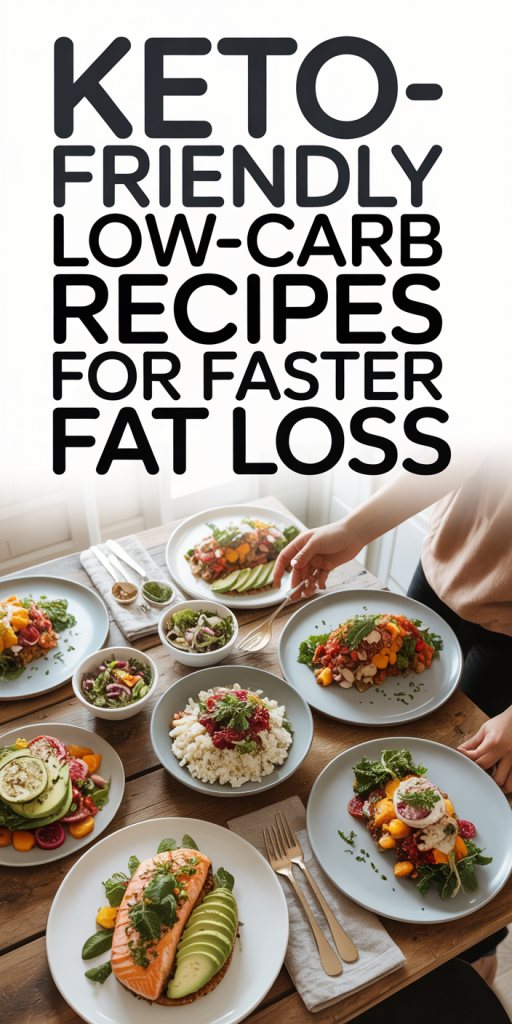
Keto-friendly low-carb recipes for faster fat loss with 21 easy meals and tips
I know the promise of keto: faster fat loss with steady energy and fewer cravings. But success comes from smart meal choices, consistent habits, and a plan that fits a busy life. In this guide I’ll explain why ketogenic eating helps accelerate fat loss, break down target macros and protein goals, and give practical meal-prep, shopping, and substitution advice. Then I’ll walk through 21 tested, tasty low-carb recipes, breakfasts, lunches, dinners, snacks, and finish with a sample 7-day meal plan and lifestyle strategies to keep progress moving. Whether you’re new to keto or refining your approach in 2026, these recipes and tips are designed to make fat loss simpler, sustainable, and enjoyable.
Why Keto Works For Faster Fat Loss
Keto, or ketogenic eating, shifts the body from burning glucose to burning fat for fuel by keeping carbohydrate intake low and increasing fats. When we limit net carbs (total carbs minus fiber) to a moderate-low range, insulin levels drop and the body’s access to stored fat improves. That metabolic shift can lead to faster reductions in body fat, particularly in the initial weeks when glycogen and associated water weight are also depleted.
There are several mechanisms that explain why many people see faster fat loss on keto:
- Appetite reduction: Higher protein and fat tend to keep us fuller longer, often leading to a spontaneous reduction in calorie intake without chronic hunger.
- Improved insulin sensitivity: Lower carbohydrate intake reduces the insulin spikes that promote fat storage: over time this helps our body mobilize stored fat.
- Stable blood sugar and energy: Fewer carb swings mean less reactive hunger and fewer energy crashes, making it easier to stick to a calorie deficit.
- Increased metabolic flexibility: As we adapt to using fat and ketones for fuel, our mitochondria become more efficient at oxidizing fat during rest and activity.
That said, keto isn’t a magic bullet, calorie balance still matters, and individual responses vary. We’ll show how to optimize a keto approach to maximize fat loss while protecting lean mass and performance.
Keto Basics: Target Macros, Net Carbs, And Protein Targets
To get results, we need clear macro targets. Typical ketogenic ranges look like this, but we’ll tailor them for fat-loss success:
- Net carbs: 20–50 grams per day for most people who want sustained ketosis. Beginners often start at 20–30g to accelerate adaptation: active people can tolerate toward the higher end.
- Protein: 1.2–2.2 g per kg of bodyweight (0.55–1.0 g per lb). For fat loss we recommend aiming toward the upper half to preserve muscle, roughly 1.6–2.0 g/kg if strength training.
- Fat: The remainder of calories after protein and carbs. Fat provides satiety and is our primary fuel on keto, but it’s not a free-for-all, total calorie intake still impacts fat loss.
Example: For a 75 kg (165 lb) person aiming for 1.6 g/kg protein and 30g net carbs on a 1,800 kcal day:
- Protein: 120 g (480 kcal)
- Carbs: 30 g (120 kcal)
- Fat: ~133 g (1,200 kcal)
Tracking net carbs versus total carbs matters. We subtract fiber and certain sugar alcohols (like erythritol) that don’t significantly impact blood glucose. Also, prioritize high-quality proteins and whole-food fats, olive oil, avocado, fatty fish, nuts, and full-fat dairy if tolerated.
Finally, keep an eye on micronutrients. Low-carb diets change electrolyte needs, sodium, potassium, magnesium, so plan food choices or supplements accordingly.
Meal Prep, Shopping, And Substitutions For Busy Weeknights
We can make keto sustainable even with a hectic schedule by planning ahead. A weekly framework, shopping list, batch-cooked proteins, and a few go-to staples, lets us assemble low-carb meals in minutes.
Make-Ahead Tips And Portioning
- Batch proteins: Roast a tray of chicken thighs, grill salmon, or cook ground beef in bulk. Portion into single-serving containers so dinners and lunches are ready.
- Pre-portion snacks: Make fat bombs, portion nuts, and pack yogurt parfaits into jars for grab-and-go.
- Use sheet-pan dinners: Roast vegetables and protein together for minimal cleanup and fast assembly.
- Reheat smart: Avoid overcooking when reheating, low heat and a splash of broth or olive oil preserve texture and flavor.
- Label and rotate: Date containers and rotate by freshness to avoid boredom: keep two or three different proteins and veg options on hand.
Low-Carb Pantry Staples And Smart Substitutions
Stocking a keto-friendly pantry saves time and prevents last-minute carb decisions:
- Pantry staples: Olive oil, avocado oil, coconut oil, canned tuna/salmon, almond flour, coconut flour, almond butter, nut flours, chia seeds, collagen powder, shirataki noodles, low-carb tortillas, canned tomatoes (no sugar), and sugar-free condiments.
- Dairy & chilled: Full-fat Greek yogurt, cottage cheese, heavy cream, butter, hard cheeses.
- Produce: Avocados, leafy greens, broccoli, cauliflower, zucchini, bell peppers, berries (in moderation).
- Proteins: Eggs, chicken thighs, ground beef/turkey, pork tenderloin, fatty fish, shrimp, canned sardines.
Smart swaps:
- Bread → lettuce wraps or low-carb tortillas
- Rice → cauliflower rice
- Regular pasta → shirataki noodles or spiralized zucchini
- Flour → almond or coconut flour
- Sugary sauces → homemade dressings sweetened with stevia or erythritol
These substitutions keep texture and satisfaction while keeping net carbs low, crucial for consistent fat loss.
21 Keto-Friendly Recipes For Faster Fat Loss
We tested and refined these recipes to be low in net carbs, higher in protein, and genuinely flavorful, so you’ll stick with the plan. Each recipe focuses on whole foods, realistic prep times, and straightforward ingredients.
Breakfasts (5 Quick, High-Protein Starts)
Breakfast sets the tone for the day, pick options that control appetite and fuel workouts.
Sample 7-Day Keto Meal Plan For Faster Fat Loss
Here’s a practical 7-day plan built from recipes above, with alternating higher-protein and moderate-fat days to protect muscle and promote fat loss. Portions will depend on individual calorie needs, scale up protein portions for strength training days.
Day 1 (Lower carb, higher protein):
- Breakfast: Bacon & Spinach Egg Muffins (2) + coffee with MCT oil
- Lunch: Grilled Chicken Caesar Salad
- Snack: Spicy Roasted Pumpkin Seeds
- Dinner: Garlic Butter Steak + Roasted Broccoli
Day 2 (Moderate carbs via berries):
- Breakfast: Keto Chia Pudding with berries
- Lunch: Zucchini Noodle Pesto with Shrimp
- Snack: Greek Yogurt Berry Parfait
- Dinner: Salmon with Lemon-Dill Cream Sauce
Day 3 (Workout day, slightly higher carbs):
- Breakfast: Low-Carb Green Smoothie with Collagen
- Lunch: Keto Cobb Bowl
- Snack (pre-workout): Small avocado + a boiled egg
- Dinner: Keto Chicken Alfredo with Shirataki Noodles
Day 4:
- Breakfast: Avocado-Smoked Salmon Bowl
- Lunch: Quick Egg Roll in a Bowl
- Snack: Keto Fat Bomb (1)
- Dinner: Pork Tenderloin with Mustard-Cabbage Skillet
Day 5 (Higher protein):
- Breakfast: Cottage Cheese Pancakes
- Lunch: Stuffed Bell Peppers with Cauliflower Rice
- Snack: Spicy Roasted Pumpkin Seeds
- Dinner: Beef and Broccoli Stir-Fry over cauliflower rice
Day 6 (Relaxed weekend):
- Breakfast: Bacon & Spinach Egg Muffins
- Lunch: One-Pan Mediterranean Cod with Olives
- Snack: Greek Yogurt Berry Parfait
- Dinner: Cauliflower Crust Pizza with Veggies
Day 7 (Recovery & prep day):
- Breakfast: Low-Carb Green Smoothie
- Lunch: Leftover Steak or Salmon Salad
- Snack: Keto Mug Cake (small)
- Dinner: Light soup or bowl (chicken, greens, bone broth)
Adjust portion sizes and snack timing around workouts as described below.
Daily Macros, Snack Timing, And Workout Fueling
- Macros: Aim for 20–50g net carbs daily, protein 1.2–2.2 g/kg, and fat to meet remaining calories. On heavy workout days, slightly increase protein and consider an extra 50–100 kcal from carbs (berries or a small sweet potato if not strictly keto) for performance.
- Snack timing: Use snacks pre- or post-workout: half an avocado or a boiled egg before a session, and a protein-focused snack after to support recovery.
- Hydration & electrolytes: Drink water throughout the day and add salt to meals or sip electrolyte drinks around workouts to prevent cramping and fatigue.
Nutrition And Lifestyle Tips To Accelerate Fat Loss
Fat loss is more than food choices. Sleep, stress, movement, and recovery play huge roles in how our bodies respond.
Sleep, Stress Management, And Intermittent Fasting Options
- Sleep: Aim for consistent 7–9 hours. Sleep restriction disrupts hunger hormones (ghrelin, leptin) and insulin sensitivity, undermining fat loss.
- Stress: Chronic stress raises cortisol, which can promote abdominal fat. Integrate daily stress-reduction practices, short walks, breathing, or 10–20 minutes of meditation.
- Intermittent fasting (IF): IF pairs well with keto for many people. A 16:8 window (16 hours fast, 8-hour eating window) simplifies calorie control and can enhance ketone production. We recommend easing in, don’t force IF if it causes overeating during your window.
How To Track Progress Without Obsessing Over The Scale
- Use multiple metrics: Track body measurements, how clothes fit, progress photos, and strength or performance improvements alongside scale weight.
- weekly check-ins: Weigh or measure once weekly at a consistent time for reliable trends. Daily weigh-ins can mislead due to water and glycogen shifts.
- Strength as a priority: Preserving or increasing strength while losing fat signals we’re retaining lean mass. Track lifts, reps, and workout consistency.
- Energy and sleep: Improved energy and better sleep are important non-scale victories that signal metabolic improvements.
Common Pitfalls And How To Avoid Plateaus
Plateaus are normal. We’ll outline common reasons and practical fixes to keep progress steady.
Conclusion
Keto-friendly low-carb recipes can accelerate fat loss when paired with clear macro targets, sensible meal prep, and a lifestyle that supports recovery and consistency. Our 21 recipes offer variety and simplicity, breakfasts to fuel mornings, lunches to keep us productive, dinners that satisfy, and snacks to curb cravings. Use the sample 7-day plan as a template and adapt macros around your activity level.
Remember: fat loss is a marathon, not a sprint. We’ll get the best long-term results by protecting muscle with adequate protein, managing electrolytes, prioritizing sleep and stress, and being flexible, cycling carbs when appropriate. Choose recipes you enjoy so keto becomes a sustainable way of eating, not a short-term punishment. With the meal ideas, prep strategies, and troubleshooting tips here, we’re set up to lose fat faster, without losing quality of life.