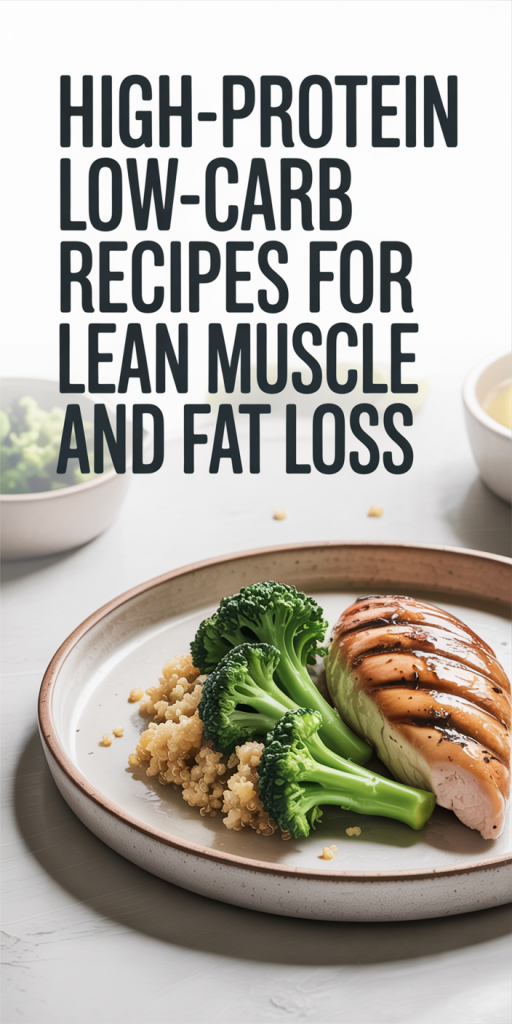
High-Protein, Low-Carb Recipes To Build Lean Muscle And Lose Fat: 30 Easy Meals For Strength And Shredding
We want meals that help us build lean muscle without adding extra body fat, food that fuels heavy lifts, repairs tissue, and keeps our energy steady. High-protein, low-carb recipes are a practical way to do that: they prioritize the amino acids our muscles need while trimming excess carbs that can make calorie control harder. In this guide we explain why this approach works, show how to customize macros to our goals, share realistic kitchen and meal-prep strategies, and give 30 easy recipes across breakfasts, lunches, dinners, snacks, and desserts. We’ll finish with a sample 7-day plan and tips for tracking progress, so you can adapt and keep improving throughout 2026.
Why High-Protein, Low-Carb Works For Muscle Gain And Fat Loss
High-protein, low-carb diets work because they target two complementary mechanisms: supporting muscle protein synthesis and improving body composition by managing calorie intake and insulin-related fat storage.
Protein is the most anabolic macronutrient. Consuming adequate protein, generally 1.6–2.2 g/kg of bodyweight for those focused on hypertrophy and strength, supplies essential amino acids, particularly leucine, which triggers muscle protein synthesis. Higher-protein intakes also preserve lean mass when we’re in a calorie deficit, which is crucial for losing fat without losing strength.
Reducing carbohydrate intake doesn’t mean zero carbs: it means prioritizing protein and whole-food fats while choosing carbs strategically around workouts and from fiber-rich vegetables. Lowering carbs can help reduce total calories without increasing hunger in many people, and it often stabilizes blood sugar and energy between meals. That makes it easier to maintain a consistent calorie deficit for fat loss while still having the substrate and insulin response needed to recover from resistance training.
Finally, protein is thermogenic: it requires more energy to digest, absorb, and metabolize than carbs or fats. That modest increase in energy expenditure plus the appetite-suppressing effects of protein adds up over weeks, supporting fat loss while we pursue strength gains.
In short, a high-protein, low-carb approach offers a practical balance: we get the muscle-building building blocks and satiety we need while making fat loss more manageable.
How To Customize Macros For Your Goals
Macros, protein, carbs, and fat, should serve our specific goals. Here’s a straightforward process to customize them:
- Calculate baseline calories. Estimate maintenance calories using a reliable calculator or multiplier (roughly 14–16 kcal per lb for moderately active people). For fat loss, reduce by 10–20% (conservative) or 20–25% (aggressive). For muscle gain, increase by 5–15% depending on training experience.
- Set protein first. Aim for 1.6–2.2 g/kg (0.7–1.0 g/lb) for most lifters. For example, a 175-lb (79 kg) person might target 140–175 g protein/day.
- Allocate fats next. Keep fat at 20–35% of total calories to support hormones and satiety. For a 2,200 kcal maintenance plan, 25% fat is 550 kcal or about 61 g fat.
- Fill remaining calories with carbs. After protein and fat are set, carbs provide the rest. Around workouts, we often place a higher proportion of carbs pre- and post-training to support intensity and glycogen repletion.
Practical examples:
- For fat loss: 2,200 kcal maintenance -> 1,760 kcal target (20% deficit). Protein 150 g (600 kcal), fat 60 g (540 kcal), carbs fill remaining ~155 g (620 kcal).
- For lean muscle gain: 2,200 kcal -> 2,420 kcal (+10%). Protein 160 g (640 kcal), fat 70 g (630 kcal), carbs ~286 g (1,150 kcal).
Micro-adjust every 2–4 weeks based on progress. If strength is stagnant while losing weight and protein is sufficient, slightly increase carbs around training or reduce deficit. If fat loss stalls, drop 5% of calories or add more low-intensity cardio while keeping protein steady.
Remember individual variation matters: sleep, stress, and training volume all affect how we should adjust macros. Use the numbers as a starting point and be willing to iterate.
Practical Kitchen Setup And Time-Saving Meal Prep Tips
We can make a high-protein, low-carb approach sustainable by optimizing our kitchen and workflow. Small investments and a few habits cut prep time and decision fatigue.
Must-Have Pantry And Fridge Staples
- Proteins: canned tuna/salmon, chicken breast, ground turkey/beef (90/10), eggs, Greek yogurt (plain, full-fat or 2%), cottage cheese, tempeh, tofu.
- Fats: extra-virgin olive oil, avocado oil, nut butter (almond, peanut), olives, avocados.
- Low-carb veggies: spinach, kale, broccoli, cauliflower, zucchini, bell peppers, asparagus.
- Low-carb flavor builders: mustard, soy sauce/tamari, hot sauce, apple-cider vinegar, lemon, garlic, spices.
- Convenience items: frozen berries (small amounts for smoothies), frozen shrimp, riced cauliflower, spiralized zucchini, low-carb tortillas/wraps.
- Supplements (optional): whey or plant protein powder, creatine monohydrate, fish oil.
Stocking these staples keeps us ready to assemble meals in minutes.
Batch-Cooking Strategies And Storage Guidelines
- Cook protein in bulk: bake or roast multiple chicken breasts or make a sheet-pan of salmon. Cool quickly and portion into airtight containers (3–4 day fridge life for cooked poultry/fish).
- Use the oven and slow cooker: sheet-pan meals and slow-cooker stews let us cook large quantities with minimal hands-on time.
- Pre-chop veggies: wash and chop salad greens, slice bell peppers, and store in glass containers so they’re grab-and-go.
- Make base mixes: combine riced cauliflower with toasted spices, or keep a jar of chopped herbs and lemon zest to brighten dishes.
- Portioning and labels: portion protein, carbs, and fats into single-meal containers, label with date and macros if we track closely.
- Freeze smart: freeze individual portions of cooked meat and sauces. Freeze pancakes (protein pancakes freeze well) with parchment between layers.
Timing: pick one or two meal-prep sessions weekly (e.g., Sunday big cook and Wednesday refresh). Keep one quick-assembly night where we use leftovers in a stir-fry or salad.
These steps keep our kitchen efficient so we’re more likely to stick to the high-protein, low-carb plan.
High-Protein Low-Carb Breakfasts (8 Quick Ideas)
Breakfast sets the tone for the day. High-protein, low-carb breakfasts keep us full and ready for training without loading up on sugars.
Savory Egg-Based Bowls And Frittatas
- Veggie Egg Bowl with Turkey Sausage: Sauté spinach, mushrooms, and cherry tomatoes in olive oil, add crumbled turkey sausage and top with two fried eggs. Sprinkle with feta and chili flakes.
- Crustless Broccoli–Cheddar Frittata: Whisk 6 eggs with chopped steamed broccoli and sharp cheddar, bake in a cast-iron skillet. Slice into portions for grab-and-go protein.
- Shakshuka with Feta and Spinach: Simmer crushed tomatoes with cumin and paprika, wilt spinach, crack in eggs and bake until set. Serve with a sprinkle of feta and chopped parsley.
Savory, nutrient-dense egg dishes deliver high-quality protein and are easily prepped ahead, frittatas especially travel well.
Protein Pancakes, Yogurt Bowls, And Low-Carb Wraps
- Whey Protein Pancakes (Low-Carb Version): Mix protein powder, one egg, 2 tbsp almond flour, cinnamon, and water: cook like pancakes. Top with a spoonful of ricotta and a few raspberries.
- Greek Yogurt Parfait: Full-fat plain Greek yogurt layered with chopped nuts, 1 scoop collagen or whey powder mixed in, and a sprinkle of cinnamon. Add a tablespoon of chia seeds for texture and fiber.
- Smoked Salmon & Avocado Wrap: Use a low-carb tortilla, layer smoked salmon, mashed avocado, cucumber ribbons, and a smear of light cream cheese.
- Cottage Cheese & Berry Bowl: High-protein cottage cheese topped with a small handful of berries, chopped walnuts, and a drizzle of sugar-free maple.
- Tofu Scramble Breakfast Burrito (Low-Carb Wrap): Crumbled firm tofu sautéed with turmeric and veggies, wrapped in a low-carb tortilla with salsa.
These eight breakfasts are quick, high in protein, and adaptable. We can double recipes and portion them for busy mornings.
Lean Lunches And Dinners (10 Balanced Recipes)
Lunches and dinners should be balanced: a high-quality protein, plenty of non-starchy vegetables, and modest healthy fats. Here are ten reliable ideas that scale for meal prep.
Fast Stir-Fries, Sheet-Pan Meals, And One-Pot Dinners
- Sesame-Ginger Chicken Stir-Fry: Sliced chicken breast tossed with broccoli, snap peas, and bell pepper in a low-sugar sesame-ginger sauce. Serve over cauliflower rice.
- Sheet-Pan Lemon-Herb Salmon & Asparagus: Salmon fillets with lemon, dill, and olive oil roasted alongside asparagus. Quick, flavorful, and rich in omega-3s.
- Turkey & Zucchini Skillet: Ground turkey cooked with grated zucchini, diced tomatoes, and Italian herbs. Top with Parmesan and serve over sautéed spinach.
- Beef and Broccoli (Low-Sugar): Lean flank steak slices seared with broccoli florets and a tamari-based sauce, finished with sesame seeds.
- One-Pot Chicken, Kale, and White Beans (Lower-Carb Swap): Use fewer beans and more kale for fiber and volume while keeping protein front and center.
These recipes are stovetop or oven-friendly and scale well to multiple portions.
Fish, Poultry, And Vegetarian High-Protein Options
- Pesto-Crusted Cod with Roasted Brussels Sprouts: Cod offers lean protein: a thin almond-pesto crust adds fat and flavor without excess carbs.
- Greek Chicken Bowls with Tzatziki: Marinated chicken breast, cucumber, tomato, olives, and a spoonful of tzatziki over mixed greens.
- Shrimp & Avocado Salad with Lime Vinaigrette: Quick-cooked shrimp, diced avocado, red onion, cilantro, and a citrus dressing, light but protein-rich.
- Lentil & Tempeh Chili (Higher-Protein Vegetarian): Combine tempeh crumbles with lentils, tomatoes, and spices for a hearty, protein-forward vegetarian option. Reduce lentils if we want lower carbs.
- Stuffed Bell Peppers with Ground Turkey and Cauliflower Rice: Use cauliflower rice to keep carbs down while still delivering a satisfying stuffed-pepper dinner.
Across these ten meals we hit the spectrum: fast stir-fries, easy sheet-pan dinners, and vegetarian swaps that still pack protein. We recommend rotating proteins weekly to avoid boredom and to cover micronutrient variety.
High-Protein Snacks, Bars, And Smoothies
Snacks are an opportunity to reinforce protein targets and control hunger between meals. We prefer snacks that deliver at least 10–20 g protein so they meaningfully contribute to daily totals.
Pre- And Post-Workout Mini-Meals
- Greek Yogurt + Whey: Mix 1 serving of protein powder into Greek yogurt and top with a few crushed nuts, 25–35 g protein and minimal carbs.
- Cottage Cheese & Cucumber: 1 cup cottage cheese with sliced cucumber and black pepper (20–28 g protein).
- Protein Smoothie: Whey or plant protein, unsweetened almond milk, 1/4 avocado for creaminess, handful of spinach, and ice. Add 1 tbsp nut butter for extra calories if bulking.
- Tuna-Stuffed Mini-Peppers: Tuna mixed with Greek yogurt and dill stuffed into mini bell peppers, portable and nutrient-dense.
Pre-workout, choose a small snack with both protein and a moderate amount of carbs (e.g., protein smoothie with a small banana) if we need fuel. Post-workout, prioritize protein (20–40 g) and include carbs if we’re in a muscle-building phase.
Simple Low-Carb Dessert Alternatives
- Dark Chocolate Protein Mousse: Blend silken tofu, unsweetened cocoa, protein powder, and a touch of zero-calorie sweetener for a mousse that’s satisfying and high in protein.
- Almond Flour Protein Cookies: Low-carb cookies using almond flour, whey protein, egg, and a little baking soda. They freeze well in single portions.
- Berries with Mascarpone & Collagen: A small serving of berries topped with a spoonful of mascarpone and a scoop of collagen stirred in.
We keep dessert portions small and protein-forward so we don’t undermine daily calorie or macro goals. These options let us enjoy treats without a carb or sugar binge.
Sample 7-Day High-Protein, Low-Carb Meal Plan (For Muscle Gain And Fat Loss)
Below is a flexible 7-day plan designed as a template. It targets high protein and controlled carbs: portion sizes should be adjusted to meet individual calorie and macro targets.
Day 1
- Breakfast: Crustless broccoli–cheddar frittata (2 slices) + 1 cup black coffee
- Lunch: Sesame-ginger chicken over cauliflower rice + steamed bok choy
- Snack: Greek yogurt with 1 scoop whey
- Dinner: Sheet-pan lemon-herb salmon with asparagus
Day 2
- Breakfast: Protein pancakes with ricotta and a few raspberries
- Lunch: Greek chicken bowl with tzatziki and mixed greens
- Snack: Tuna-stuffed mini-peppers
- Dinner: Turkey & zucchini skillet with sautéed spinach
Day 3
- Breakfast: Smoked salmon & avocado low-carb wrap
- Lunch: Shrimp & avocado salad with lime vinaigrette
- Snack: Cottage cheese and walnuts
- Dinner: Beef and broccoli over riced cauliflower
Day 4
- Breakfast: Tofu scramble (or eggs) burrito in low-carb wrap
- Lunch: Lentil & tempeh chili (reduced lentils) with side salad
- Snack: Protein smoothie (whey, spinach, avocado)
- Dinner: Pesto-crusted cod with roasted Brussels sprouts
Day 5
- Breakfast: Veggie egg bowl with turkey sausage
- Lunch: Stuffed bell peppers with ground turkey and cauliflower rice
- Snack: Almond flour protein cookie + herbal tea
- Dinner: One-pot chicken, kale, and reduced beans
Day 6
- Breakfast: Cottage cheese & berry bowl
- Lunch: Sesame-ginger chicken leftovers over greens
- Snack: Greek yogurt + crushed nuts
- Dinner: Grilled flank steak with zucchini ribbons and chimichurri
Day 7
- Breakfast: Greek yogurt parfait with collagen
- Lunch: Sheet-pan salmon salad (leftover salmon, mixed greens)
- Snack: Dark chocolate protein mousse
- Dinner: Slow-cooker turkey meatballs with sautéed spinach
This plan mixes fresh and leftover meals to reduce cooking time. Adjust portion sizes, add targeted carbs around workouts, or increase healthy fats to meet calorie needs for muscle gain.
How To Adjust The Plan For Calorie Surplus Or Deficit
- To create a deficit (fat loss): reduce portion sizes slightly (5–15%), cut starchy sides, and prioritize volumetric vegetables. Keep protein unchanged. If energy drops, add a pre-workout 15–20 g protein + small carb portion (e.g., half a banana).
- To create a surplus (lean gain): add calorie-dense, protein-forward items, extra 1/2 cup Greek yogurt, 2 tbsp nut butter, or an additional scoop of protein in a smoothie. Increase carbs around training (sweet potato, rice) while preserving the high-protein focus.
We recommend small incremental changes and monitoring energy and progress rather than big swings.
Monitoring Progress And When To Recalibrate
We measure progress using objective and subjective metrics: strength in the gym, body composition trends, energy levels, and how clothes fit. Here’s a practical monitoring routine:
- Strength tracking: Record compound lifts (squat, deadlift, bench, row, overhead press) weekly. If strength is improving while bodyweight is stable or dropping, we’re likely losing fat and retaining or building muscle.
- Body composition: Use a combination of weekly weigh-ins, progress photos every 2–4 weeks, and at least one circumference measure (waist, hips). Scales and body-fat estimators have limits: look for trends over time.
- Recovery and energy: Note sleep quality, hunger, and workout performance. Persistent fatigue and poor recovery often indicate we need more calories or carbohydrates, especially if training volume is high.
- Adjustments: If fat loss stalls for two weeks and calorie tracking is accurate, reduce daily calories by 5–10% or increase NEAT (non-exercise activity thermogenesis). If strength drops significantly during a cut, slightly raise carbs around workouts or reduce the deficit.
When bulking: If fat gain accelerates (>0.5–1% bodyweight per month for lean gainers), reduce surplus slightly. For those who gain slowly, keep the surplus small and prioritize progressive overload.
We also recommend a short “refeed” (1–2 days of slightly higher carbs) every 10–14 days for people who feel particularly depleted: this can restore glycogen and psychological freshness without derailing progress when used strategically.
Finally, be patient. Building noticeable muscle and losing stubborn fat are multi-month processes. Small, consistent adjustments beat radical short-term changes.
Conclusion
A high-protein, low-carb approach gives us a practical framework to build lean muscle and lose fat if we pair it with consistent resistance training and sensible calorie control. The recipes and meal-prep strategies here make the approach sustainable: we’re not fighting flavor or convenience. Start by setting protein targets, fit fats and carbs to your lifestyle and training, and use the sample meals to remove decision fatigue.
Track strength, energy, and body-composition trends, and recalibrate in small steps every 2–4 weeks. With a little planning, a stocked pantry, a weekly batch-cook session, and a rotating list of breakfasts, lunches, dinners, and snacks, we can stay on track through 2026 and beyond. Let’s get cooking, lift hard, and keep the momentum going.