17 Nail Trends Everyone Secretly Hates (And What To Wear Instead in 2026)
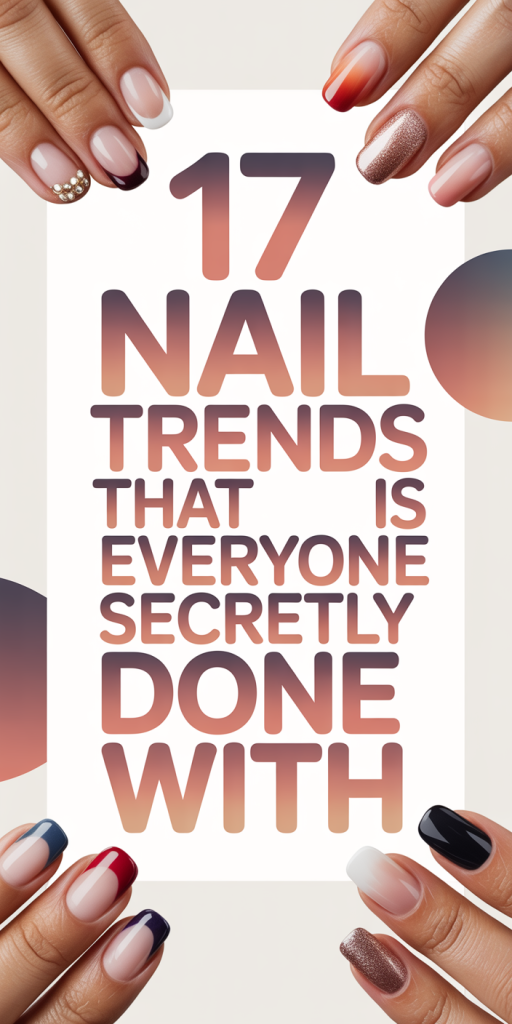
We’ve all been there: scrolling through feeds, bookmarking manicures that looked fabulous three months ago, then realizing our saved inspiration now screams “outdated.” Nail trends move at warp speed, and what felt fresh last season can feel overdone or impractical fast. In this piece we’ll call out 17 nail trends that have overstayed their welcome in 2026, explain why they fizzled, and, crucially, show what to wear instead. Our aim is practical: keep your nails stylish without being a walking nostalgia exhibit of past trends. Whether you’re a salon regular, a nail tech, or someone who paints at home, we’ll give guidance that respects wearability, longevity, and aesthetics. Read on to learn how to retire the tired, embrace the timeless, and make smarter choices for nails that actually fit your life.
Why Nail Trends Fade Fast — And How To Tell When One’s Over
Trends in beauty, and nails especially, accelerate because they’re visual and easy to replicate, a viral design or an influencer moment can push a look into every salon overnight. But speed is a double-edged sword: mass adoption often equals mass fatigue. We watch a handful of signals that tell us a trend is on the decline. First, ubiquity. When we start seeing the same motif across diverse creators, it’s a sign the novelty’s gone. Second, impracticality. If a look requires constant upkeep, fragile lengths, or techniques that damage nails, it loses favor quickly. Third, cultural pushback. Some styles age poorly when they clash with contemporary values around sustainability and inclusivity. Finally, design exhaustion: when clever variations become repetitive, sparkles on everything, neon outlines on every tip, creativity stalls.
How to spot a trend that’s over: notice how you feel when you see it. If you roll your eyes or think “we did this,” consider it past its peak. For professionals, client requests dropping or customers asking for variations of the same thing signals fatigue. For home painters, if your saved inspo folder is full of slightly different versions of one look, it’s time to move on. Recognizing the lifecycle of trends lets us pivot intentionally: keep what works, retire what doesn’t, and adapt ideas into more wearable, modern versions.
Overly Complicated Looks That Lost Their Charm
Intricate manicures were always a way to showcase skill, but complexity for complexity’s sake has declined. When designs require multi-step application, hours in the salon, or impossible at-home replication, they stop being aspirational and start being exhausting. We’re talking about looks that demand a full commitment: layered foils over hand-painted micro art capped with chrome dust and 3D embellishments. Those elements were striking when used sparingly, but overuse turned them into visual noise.
Complicated trends also widened the gap between pro and consumer. If most people can’t recreate an Instagram-famous style without professional help and a weekend, it naturally loses mass appeal. Another problem is longevity: the more components, the more points of failure, lifting, chipping, and lost gems. For busy people, these looks became impractical. As a result, we now prefer restraint that suggests mastery rather than shouting it. Clean lines, selective accents, and techniques that translate to quick touch-ups feel more modern and inclusive.
Trend Breakdown: The Specific Overplayed Designs
- Layered mixed-media manicures: Foil + glitter + hand paint + decals. Once novel, now chaotic. Use one or two elements, not all.
- Over-embellished 3D stones and charms: They catch on clothing, fall off, and look dated fast. Reserve for special events.
- Micro-hand lettering across multiple nails: Tiny cursive on every finger is fussy and wears out quickly. Try a single accent nail.
- Mirror chrome combined with heavy matte and glossy panels: Too many finishes fight for attention. Pick one finish and complement with subtle texture.
These specific designs peaked because they offered maximal visual payoff. The backlash came when maintenance and practicality couldn’t keep up with aesthetic ambition. Our advice: simplify and focus on one standout detail.
Excessive Length, Extensions, And Sculpting Trends
Extra-long nails and elaborate sculpting dominated for a while, fueled by celebrities and editorial shoots. But length beyond a certain point is a lifestyle statement, one that many can’t maintain. We’ve seen a swing away from extreme length for three main reasons: functionality, health, and aesthetics.
Functionally, excessively long tips interfere with everyday tasks: typing, opening cans, caregiving, and fitness. Health-wise, long extensions stress the natural nail and increase the chance of lifting, breakage, and bacterial buildup underneath. Aesthetically, the ultra-long pointy stiletto and baroque sculpted forms began to read costume-y rather than chic. Even among trendsetters, there’s a hunger for looks that integrate into real life.
In 2026 we’re seeing more people choose shorter, stronger shapes that flatter fingers without sacrificing practicality. Coffin and extreme almond are declining: short to medium almond, soft square, and natural rounded tips are rising. Builders and hard gels remain valuable, but applied with restraint, thinner sculpting, better apex placement, and a focus on nail health rather than maximum length.
If you love drama, consider detachable accent tips for events instead of weeks-long commitment, or opt for a slightly elongated tip that’s still usable daily. For nail techs, encourage options that protect natural plates and embrace maintenance plans that minimize damage.
Color Fads That Have Run Their Course
Color is cyclical, yet certain palettes have saturated feeds to the point of exhaustion. Colors that once felt bold are now predictable. We’ve noticed several hues and approaches that don’t resonate anymore because they either overpowered individuality or became too safe.
The rise and fall of color trends is often immediate: TikTok and Instagram push one shade everywhere and within months people are bored. When a single color becomes the default for every salon, it loses its edge. Also, color choices that neglect wearability, neon pastels that stain or super-sheer milky shades that show streaks, frustrate clients. In short: when a color trend prioritizes novelty over polish, it fades.
Right now, we recommend moving away from these overplayed options and toward palettes that feel simultaneously modern and adaptable. The best colors in 2026 are ones that complement multiple skin tones and outfits while still providing personality, think warmed neutrals, muted olives, and understated reds with a brownish base. Finish matters too: subtle satin sheens and cream finishes have more staying power than gratuitous glitter or mirror effects that scream “trend” rather than style.
Trend Breakdown: The Most Tired Color Styles
- Bubblegum neutrals: Pale, milky pinks that look like a basic wash, safe, but uninspired.
- Neon everything: Neon tips and full neon nails were flashy: now they read as aggressive and hard to wear long-term.
- Two-tone clashing brights: Jarring color blocks felt playful, but overuse made them look juvenile.
- Pure chrome metallics: Mirror chrome was innovative: repeated use on every nail made it feel dated and high-maintenance.
- Brown-reds with orange undertones: This specific red had its moment but has been copied ad infinitum.
Instead, we’re embracing colors with depth: caramel beiges, muted mauves, soot greys with warm undertones, and low-key moss greens. These translate across seasons, photograph well, and won’t scream “last year.”
Problematic Or Impractical Trends You Should Ditch
Some nail trends aren’t just outdated, they’re actively problematic. We need to call out practices that compromise nail health, involve unsustainable materials, or reinforce exclusionary beauty standards.
Health concerns top the list. Over-aggressive filing, repeated use of acrylic monomers without proper cure, and aggressive cuticle removal cause long-term damage. Trends that pressure clients into continuous fills or destructive prep methods should be questioned. We’ve also seen practices like permanent extreme extensions on weak natural plates, which increase incidence of infections and long recovery times.
Sustainability is another issue. Single-use acrylic embellishments, non-recyclable glitter, and chemical-heavy removal processes create a lot of waste. As consumers grow conscious, trends that ignore environmental cost are falling out of favor.
Finally, exclusivity. Some trends implicitly catered to a narrow range of nail shapes or skin tones, which alienated many. A manicure movement that doesn’t consider diversity will fade as markets demand inclusivity.
What to ditch: harsh buffing techniques, heavy non-breathable overlays on fragile nails, single-use decorative waste with no eco alternative, and color palettes that assume a narrow audience. Replace these with gentler application methods, refill/refuse/replace policies for embellishments, and inclusive shade ranges.
Microtrends That Quickly Became Cringe-Worthy
Microtrends rise and fall faster than ever, sometimes they peak in a weekend. Their problem is a lack of staying power and a propensity to look silly once they’re everywhere. A few microtrends exhausted their charm because they were either too gimmicky or too fussy.
We’ll highlight several microtrends that hit the cringe button: first, tiny face decals on each nail. Cute the first few times, but they read like stickers on a child’s lunchbox when mass-produced. Next, manicure memes, literal text or emojis meant to be ironic but which age badly. Then there were the “randomized” obsessive color throw-ups where every nail had a different pattern: the human eye prefers rhythm, so chaotic randomness felt visually tiring. Finally, seasonal micro-obsessions, like holiday-specific miniatures, went too niche: they’re fun for a day but look out of place within a week.
The fix? Use microtrend elements sparingly: a single tiny face decal on an accent nail, emojis digitally printed on a clear topcoat for a party, or subtle hints of seasonal motifs. Context matters: microtrends can be playful, just not the whole story.
How To Transition Your Manicure From Old Trends To Timeless
Transitioning away from tired trends doesn’t mean abandoning creativity. We approach the shift like editing a wardrobe: keep staples, retire the overly trendy pieces, and add a few thoughtful updates. Start by auditing your current looks: which elements do you genuinely love and which do you only have because everyone else did? For instance, if you adored the color but hated the maintenance of a full chrome set, translate that color into a cream finish.
Practical steps we recommend:
- Choose one focal point per manicure. If you want texture, skip the heavy embellishment: if you want color, go simpler on design.
- Opt for versatile shapes. Short to medium lengths in rounded or soft-square shapes suit most lifestyles and look refined longer.
- Embrace transitional palettes. Move from saturated brights to deeper or softened versions of the same hue, think neon faded into dusty tones.
- Invest in health-first techniques. Use gentle prep methods, breathable base products, and recommend sensible refill intervals to clients.
For nail techs, offer “classic with a twist” menus: classic French, single-color creams, or neutral gradients with one unexpected accent nail. For DIYers, master a handful of reliable techniques, gradient sponges, simple line work, and single-nail decals. These allow creative expression without falling into trend traps.
Finally, document the process. Keep a reference book or digital folder of looks you like that stand the test of time. When clients (or you) ask for inspiration, choose from that curated collection rather than the latest viral post. That’s how we build a personal, timeless aesthetic.
Conclusion
Trends will always cycle, but we don’t have to ride every wave. In 2026 the smartest choices are those that balance aesthetics, practicality, and longevity. We encourage you to step away from overly complicated designs, extreme length, tired color fads, and health-compromising methods. Instead, focus on refined details, wearable shapes, inclusive colors, and sustainable practices. That way, your manicure looks thoughtful rather than trapped in a past trend. Try one small change this month, swap a chrome for a satin finish, shorten to a softer tip, or choose one accent nail instead of four, and you’ll see how modern, wearable nails can feel refreshingly new.