13 Morning Meals That Are Basically Dessert Cosplaying as Health Food: Indulgent Breakfasts You Can Feel Good About
We all know the pull of something sweet first thing in the morning, a little indulgence can set a positive tone for the day. But what if that indulgence also supported our energy, recovery, and long-term health? In this text we pulled together 13 breakfast ideas that read like dessert but behave like nourishing meals. Each option leans on whole-food ingredients, smart swaps, and balanced macros so you don’t have to sacrifice flavor for nutrition. Whether you want cookie-dough–style overnight oats, smoothie bowls that mimic soft-serve, or ricotta-and-honey toast that tastes like a pastry, we’ll show you how to enjoy mornings that feel guilty-free. Read on for recipes, portion tips, and simple swaps to keep these treats wholesome without losing any of the decadence.
Why Dessert-Style Breakfasts Can Be Healthy (And How To Keep Them That Way)
Dessert-style breakfasts earn a bad rap because typical desserts are high in added sugars, refined flours, and empty calories. But the core idea, delicious textures, familiar flavors, and a touch of sweetness, can be translated into nourishing breakfasts by emphasizing whole ingredients and balancing macronutrients. When we say “healthy dessert breakfast,” we mean three principles: 1) prioritize fiber and protein to stabilize blood sugar, 2) use minimally processed carbohydrates for sustained energy, and 3) add healthy fats for satiety and mouthfeel.
Practical examples: swap white flour for oats or whole-grain buckwheat, replace refined sugar with mashed fruit or a modest amount of maple or honey, and include Greek yogurt or a scoop of protein powder to bump the protein. Portion control matters, dessert flavors don’t require dessert-sized servings. We also favor toppings that add nutritional value: nuts, seeds, fresh fruit, and a sprinkle of dark chocolate rather than a candy bar. Finally, timing and context are important: pairing a sweet breakfast with a protein- or fiber-rich coffee (think oat milk + protein) will keep cravings at bay until lunch.
Creamy Overnight Oats That Taste Like Cookie Dough
Overnight oats are the perfect canvas for dessert vibes because the texture becomes luxuriously creamy without cooking. To mimic cookie dough we blend rolled oats with a creamy base and a few pantry magic tricks.
Base recipe (single serving): 1/2 cup rolled oats, 1/2 cup milk (dairy or unsweetened plant milk), 1/4 cup Greek yogurt, 1 tbsp natural nut butter, 1–2 tsp pure maple syrup. Stir and refrigerate overnight. To get the cookie-dough note, fold in 1 tbsp oat flour (or blitz a few oats) and 1 tsp vanilla extract before chilling. Add 1 tbsp mini dark chocolate chips and a pinch of fine sea salt right before serving to mimic that classic contrast.
Nutritional tweaks: use high-protein yogurt or add 1/2 scoop vanilla protein powder to raise protein to 20+ grams. For fiber and micronutrients, stir in 1 tbsp ground flaxseed or chia seeds. If you’re watching sugar, reduce maple syrup and rely on ripe mashed banana for sweetness.
Serving ideas: top with chopped toasted walnuts for crunch, a drizzle of melted dark chocolate for drama, or diced dates if you want an extra caramel note. The result is indulgent texture and real cookie-dough flavor, but with oats, protein, and healthy fats doing the heavy lifting.
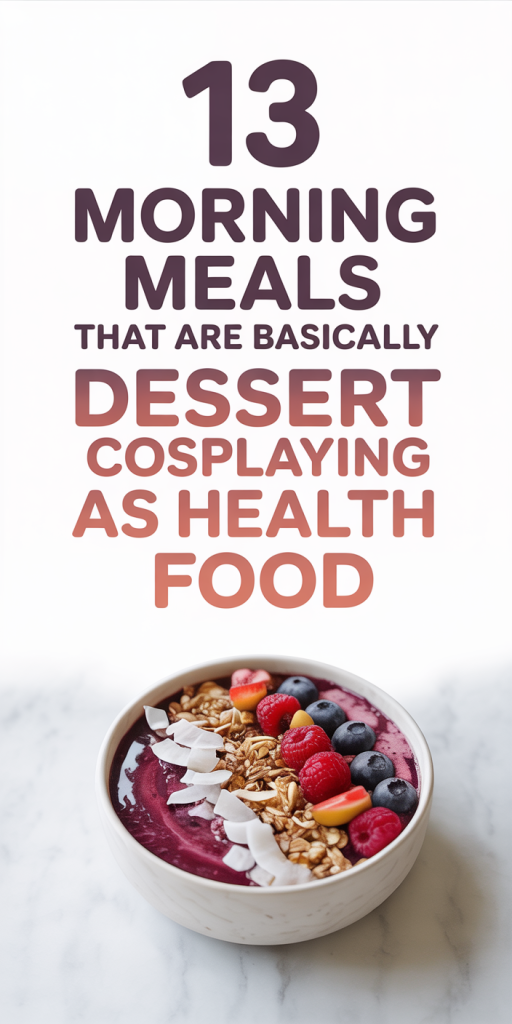
Smoothie Bowls That Double As Ice Cream (Berry Banana, Chocolate Avocado, Tropical Coconut)
Smoothie bowls let us recreate soft-serve ice cream with frozen fruit and thickening agents. The trick is a high frozen-fruit-to-liquid ratio and protein or healthy-fat additions for creaminess and satiety.
Berry Banana: Blend 1 cup frozen mixed berries, 1 small frozen banana, 1/2 cup Greek yogurt, splash of almond milk, and 1 tbsp chia seeds. Spoon into a bowl and top with toasted oats and a few fresh berries.
Chocolate Avocado: For a decadent, velvety bowl blend 1/2 frozen banana, 1/4 ripe avocado, 1 tbsp cocoa powder, 1 scoop chocolate protein powder or 1/2 cup silken tofu, and 1/2 cup unsweetened milk. Garnish with cacao nibs and sliced almonds.
Tropical Coconut: Combine 1 cup frozen mango, 1/2 cup frozen pineapple, 1/4 cup coconut yogurt, and 2 tbsp unsweetened shredded coconut. Top with toasted coconut flakes and a squeeze of lime.
Why these work: frozen fruit replicates ice cream’s texture while fruit’s natural sugars give dessert-like sweetness. Protein and fats (yogurt, avocado, protein powder) prevent a mid-morning crash. For extra fiber, sprinkle hemp seeds or a small handful of granola, just watch portion size. Smoothie bowls are flexible, so we recommend starting with the thicker, less-liquid approach and adjusting sweetness after blending.
Yogurt Parfaits That Read Like Cake (Berry Cheesecake, Honey-Pecan, Coconut Mango)
Layering turns a simple breakfast into something celebratory. Parfaits give us crumbly textures, creamy layers, and contrasting flavors that feel like cake without turning to butter-laden recipes.
Berry Cheesecake Parfait: Mix 3/4 cup Greek yogurt with 2 tbsp whipped ricotta or a splash of cream cheese for tang. Sweeten lightly with 1 tsp maple syrup and 1/2 tsp vanilla. Layer with macerated berries (berries tossed with a touch of lemon and 1 tsp maple syrup) and a crumb layer made from crushed whole-grain graham crackers or almond flour cookies.
Honey-Pecan Parfait: Alternate honey-sweetened yogurt with toasted pecans and a cinnamon-oat crumble. The nuts give that candied crunch: honey replaces refined sugar to maintain a more natural-sweet profile.
Coconut Mango Parfait: Use coconut yogurt, fresh mango chunks, and toasted coconut. Add a scatter of pistachios for color and a flavor lift.
Balance tips: aim for roughly equal parts protein (yogurt) and complex carbs (fruit + whole-grain crumbs) with a small amount of fat (nuts/seeds) to maintain fullness. Parfaits are visually appealing and portable when layered in jars, perfect for meal prep that still feels like a treat.
Sweet Grain Bowls With a Treaty Twist (Maple Quinoa Porridge, Apple Cinnamon Farro)
Grains like quinoa, farro, and steel-cut oats make hearty bases that take on dessert-like flavors beautifully. They’re naturally more substantial than many pastries and provide fiber and micronutrients.
Maple Quinoa Porridge: Cook 1/2 cup quinoa in 1 cup milk or water with a pinch of salt. When fluffy, stir in 1–2 tsp maple syrup, 1/4 tsp cinnamon, and 1 tbsp almond butter for richness. Top with chopped toasted hazelnuts and a scatter of pomegranate seeds for brightness.
Apple Cinnamon Farro: Simmer farro with milk, a grated apple, and cinnamon until tender. Sweeten with mashed dates or a little maple syrup. Finish with a spoonful of Greek yogurt and a sprinkling of toasted pepitas.
Why we like these: farro and quinoa boast more protein and chew than refined cereals, and their nutty flavors pair beautifully with dessert spices. They also reheat well for weekday breakfasts. To keep them balanced, add a protein element (yogurt, milk, or a scoop of protein powder) and a small fat source to slow digestion and keep you full longer.
Breakfast Toasts That Pass For Dessert (Ricotta-Honey Fig, Almond Butter-Banana + Cocoa Nibs)
Toast as dessert is effortless: a sturdy slice becomes pastry-like with the right toppings. The key is choosing dense, whole-grain bread and pairing it with protein and fiber-rich spreads.
Ricotta-Honey Fig: Toast a thick slice of seeded sourdough. Smear with part-skim ricotta, top with sliced fresh fig or fig spread, drizzle with honey, and finish with flaky sea salt. The salty-sweet contrast makes it feel luxurious without excess sugar.
Almond Butter–Banana + Cocoa Nibs: Start with sprouted-grain toast, spread 1–2 tbsp almond butter, top with banana slices, and sprinkle with cocoa nibs and a dusting of cinnamon. Cocoa nibs provide crunch and a chocolatey note with minimal sugar.
Optional savory-sweet variation: ricotta with lemon zest, honey, and crushed pistachios gives a bright, pastry-like flavor. Portion control is important, one or two slices provide enough to feel indulgent but grounded. These toasts are quick, portable, and pair well with a hot cup of coffee or tea.
Protein Pancakes and Waffles That Aren’t Guilty Pleasures (Oat Protein Pancakes, Buckwheat Waffles With Berry Compote)
Pancakes and waffles can be high-protein, fiber-rich options when we swap refined flours and add protein boosters. Texture and indulgent toppings keep them dessert-adjacent without the crash.
Oat Protein Pancakes: Blend 1 cup rolled oats into flour, add 1 scoop vanilla protein powder, 1 egg (or flax egg for vegan option), 1/2 cup milk, 1/2 tsp baking powder, and 1/2 tsp cinnamon. Cook small pancakes in a nonstick skillet. Serve with a modest drizzle of maple syrup and a handful of fresh berries.
Buckwheat Waffles with Berry Compote: Buckwheat yields a nutty flavor that echoes rustic pastries. Make batter with buckwheat flour, an egg, and milk. For compote, simmer 1 cup mixed berries with 1–2 tbsp water and a teaspoon of honey until saucy. Spoon compote over waffles and add Greek yogurt or a smear of ricotta.
Macros and satiety: Both recipes deliver more protein and fiber than standard buttermilk pancakes, which helps us avoid mid-morning hunger. For even more protein, fold cottage cheese into batter or serve with a dollop of high-protein yogurt. Portion mindfully, two modest pancakes or one waffle plus protein and fruit is plenty to feel indulgent and satisfied.
Baked Morning Treats Reimagined Healthier (Banana Bread Muffins, Blueberry Oat Crumble)
We adore muffins and crumbles, but traditional recipes can hide loads of sugar and butter. Reimagining baked goods with whole grains, reduced sugar, and healthy fats makes them viable breakfast options.
Banana Bread Muffins: Use 100% whole-wheat pastry flour or oat flour, mashed overripe bananas for sweetness, a modest amount of maple syrup or honey, and olive oil or avocado oil instead of butter. Add Greek yogurt for moisture and a protein boost. Fold in chopped walnuts for crunch. Bake in muffin tins for portion control, one muffin is usually enough to satisfy a sweet tooth.
Blueberry Oat Crumble: Combine rolled oats, ground almonds, a touch of coconut oil, cinnamon, and a small drizzle of maple syrup to form the crumble topping. Toss fresh or frozen blueberries with lemon zest and a teaspoon of cornstarch, top with the oat mixture, and bake until bubbling. Serve with a spoonful of plain yogurt to add protein.
Batch tips: both recipes freeze well and make weekday breakfasts easier. The idea is to keep sweetness natural (fruit + small amounts of real sweeteners) and rely on whole grains and nuts for texture and nutrition.
Simple Swaps To Make Any Sweet Breakfast Healthier (Sugar Substitutes, Portion Tips, Topping Choices)
Small changes yield big returns when we want dessert-flavored breakfasts that support goals. Here are practical swaps and rules we use frequently.
Sugar swaps: Replace part or all refined sugar with mashed banana, unsweetened applesauce, dates, or a touch of pure maple syrup or honey. For baking, reduce recipe sugar by 25–30%, often you won’t miss it.
Flour swaps: Use rolled oats (blitzed into flour), whole-wheat pastry flour, almond flour, or buckwheat to increase fiber and micronutrients. These flours also provide nuttier flavors that feel more complex than white flour.
Fats and protein: Swap butter for olive or avocado oil in baked goods, and add Greek yogurt, cottage cheese, or protein powder to puddings, pancakes, and batters for lasting fullness.
Topping choices and portions: Favor toppings that contribute nutrients, nuts, seeds, fresh fruit, and a modest sprinkle of dark chocolate or cacao nibs. We recommend measuring granola and nut butters (1–2 tbsp) to avoid calorie creep. When serving sweet sauces or compotes, spoon rather than pour: 2–3 tbsp is typically enough.
Timing and balance: Pair a sweet breakfast with a protein-rich beverage or a side of cottage cheese if you’re especially active. Aim for 20–30 grams of protein when possible to stabilize appetite and support morning performance.
Conclusion
Dessert-style breakfasts don’t have to be all indulgence or all sacrifice. By prioritizing whole ingredients, balancing protein, fiber, and healthy fats, and making small, strategic swaps, we can enjoy mornings that taste decadent while fueling our day. Try one recipe a week, adjust portion sizes to your hunger, and celebrate that a little sweetness can coexist with wellness. Eventually, food should feel good both emotionally and physiologically, and these breakfast ideas let us have the best of both worlds.