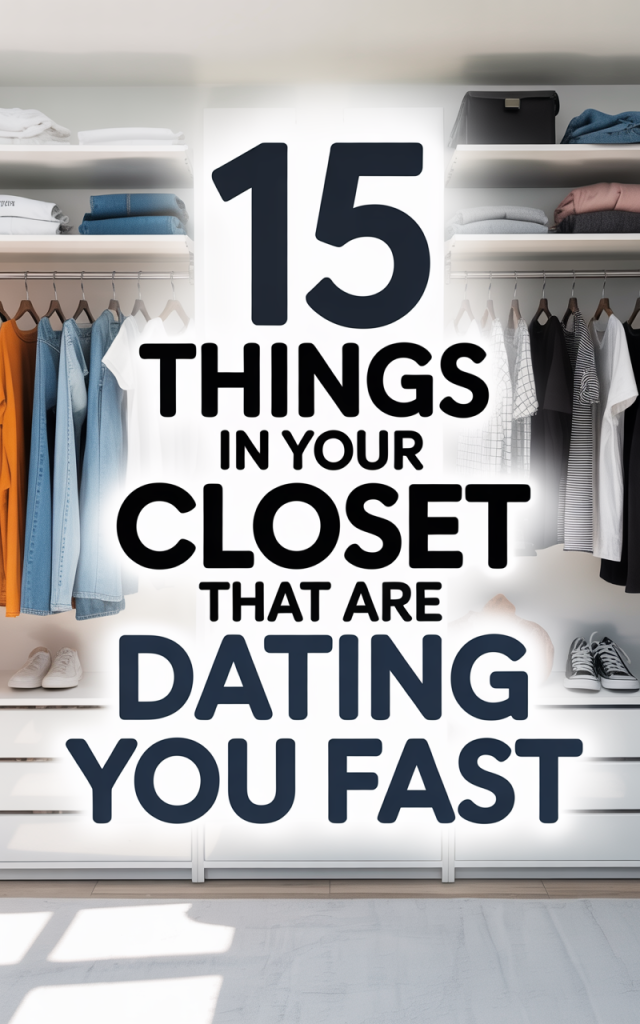
15 Things In Your Closet That Are Dating You Fast (And What To Replace Them With in 2026)
Fashion cycles speed up, and what felt current five years ago can start broadcasting a different era. We’ve all stood in front of our closets wondering why outfits that used to feel sharp now read as decidedly dated. This guide walks us through 15 specific items or trends still lurking in our wardrobes that are aging our look, and, crucially, what to replace them with in 2026. We’ll focus on practical swaps that honor personal style while updating silhouette, color, and proportion so our closets feel intentional, current, and wearable. Think of this as a friendly closet audit: no shaming, only smarter edits and forward-thinking replacements.
Chunky Shoulder Pads, Oversized Blazers, And Power Suits From The ’80s
The power-dressing relics of the ’80s, wide padded shoulders, exaggerated shoulder lines, and boxy suit proportions, used to send a clear message: authority. In 2026, authority belongs to nuance. Those chunky shoulder pads and oversized blazers can now read theatrical or stuck-in-time unless they’re being intentionally styled as a retro statement.
Why they age us: Heavy shoulder structure and excessively boxy tailoring enlarge the torso and create a silhouette associated with a past business aesthetic. When we layer contemporary pieces over them, the mismatch in proportion becomes obvious.
What to replace them with in 2026:
- Soft-shoulder blazers: Look for minimal padding, a tapered waist, and a slightly cropped length. These give polish without bulk.
- Relaxed tailoring: Single-breasted suits with softer canvases and breathable fabrics (linen blends, lightweight wool) feel modern and wearable.
- Deconstructed blazers: Unlined or partially lined jackets with exposed seams create an effortlessly chic vibe.
How to style the replacements: Pair a soft-shoulder blazer with mid-rise tailored trousers and sneakers for a contemporary office look. For evenings, swap the trousers for a high-waisted skirt or wide-leg pant and add a sleek boot. If we want to keep a nod to power dressing, pick one piece with a stronger structure (a fitted waist) and keep the rest of the outfit streamlined.
Shopping tips: Try blazers labeled “relaxed fit” or “unstructured.” Avoid jackets that extend past the hip with boxy shoulders. Tailoring is our friend, a slight nip at the waist can modernize a vintage find without losing its character.
Low-Rise Jeans And Super Flared Denim That No Longer Flatter
Low-rise jeans dominated the early 2000s and super-flared denim had its run, too. Both can now make an outfit feel dated because they disrupt contemporary proportion and comfort expectations. Low-rise often creates awkward hip lines and shows a gap between top and bottom: extreme flare can throw the body’s vertical line off-balance when not balanced with modern fits.
Why they age us: Trends that emphasize midriff or exaggerated bell-bottoms can look like costume rather than style unless intentionally curated. They also clash with current high-waist and straight-leg preferences that lengthen the silhouette.
What to replace them with in 2026:
- Mid-to-high-rise straight jeans: A true wardrobe staple, comfortable, elongating, and versatile.
- Relaxed-tapered jeans: Room through the thigh with a slightly tapered hem balances ease and modern tailoring.
- Clean wide-leg jeans: Not super flared: think proportional wide-leg cropped or full length with a neat hem.
How to style the replacements: Tuck a fitted tee or blouse into high-rise straight jeans and finish with loafers or Chelsea boots for an elevated everyday look. For a casual weekend, pair relaxed-tapered jeans with a chunky knit and sneakers. When choosing wide-leg jeans, keep the top more fitted or structured to maintain balance.
Fit and fabric matters: Avoid overstretched denim with too much sheen, it reads older. Opt for mid-weight selvedge or cotton blends that hold shape. When trying jeans, check the rise: measure from crotch seam to top of waistband, 9–11 inches is typically mid-to-high rise depending on body type.
Logo-Saturated Tees, Motif Mania, And Loud Designer Staples
We’ve all been through phases of collecting logo tees, slogan sweatshirts, and motif-heavy pieces. While a well-placed logo can be stylish, wall-to-wall branding and loud motifs tend to date a wardrobe quickly, they tie us to a marketing moment rather than a timeless aesthetic.
Why they age us: Logos and motifs follow brand cycles. A heavily branded tee screams era-specific culture and can look less about taste and more about billboard-style consumption.
What to replace them with in 2026:
- Minimal graphic tees: Subtle prints, single-color embroidery, or small chest logos feel current.
- Elevated basics: Modal or Pima cotton tees with refined necklines (slightly scooped or crew) are versatile.
- Timeless pattern pieces: Think micro-prints or classic stripes in muted palettes rather than loud motifs.
How to style the replacements: Pair a minimal graphic tee with a blazer and high-waist jeans for an instant elevated-casual outfit. Use neutral-colored basics as the backbone of layered outfits, letting accessories (a scarf, a sleek belt) supply character without shouting brand names.
Sourcing smarter: Buy fewer, better. Invest in quality fabrics that wear well and avoid impulse buys based on a brand logo. When we do buy designer, choose pieces with subtle signature details rather than oversized branding.
Too-Baggy Sweatpants, Worn-In Hoodies, And Athletic Wear Misfits
Athleisure is here to stay, but sloppy sweats and thrifted hoodies that sag in all the wrong places can drag an outfit down. The trick is to keep comfort while refining fit and fabric so athletic pieces read modern rather than tired.
Why they age us: Over-worn, stretched-out hoodies and baggy sweatpants suggest neglect. Plus, proportions that are too large for our frame can look outdated when compared to the cleaner lines dominating current streetwear.
What to replace them with in 2026:
- Tailored sweatpants: Slimmer or tapered joggers in heavyweight cotton blends or technical fabrics.
- Elevated hoodies: Structured hoodies with cleaner seams, refined drawstrings, and dense fleece that holds shape.
- Hybrid athleisure: Pieces that bridge gym function and everyday wear, think moto panels, water-resistant finishes, or ponte fabrics.
How to style the replacements: Swap baggy sweats for tailored joggers and pair them with a minimalist Zip-up or a fitted bomber. Combine athletic tops with tailored outerwear (a trench or structured coat) to balance casual with polish. For errands, pair elevated sneakers with tapered joggers and a lightweight knit.
Care and longevity: Proper washing (wash inside out, low heat or air-dry) and repair (re-stitch drawstrings or patch small holes) can extend life. When we buy new, prioritize fabrics that keep structure, avoid ultra-thin fleece that pills fast.
Frosted Lipstick Shades, Shimmery Fabrics, And Outdated Evening Pieces
Makeup and eveningwear trends travel together. Frosted lipsticks, glitter-heavy fabrics, and overly embellished evening dresses were glamorous in certain eras but can now feel dated or costume-like. Evening style in 2026 favors thoughtful texture and refined shine over all-over sparkle.
Why they age us: Heavy shimmer and frosted makeup were tied to specific decades. When the finishing touches shout a bygone era, the whole look nods backward.
What to replace them with in 2026:
- Satin and matte-mix pieces: Silky satin slips balanced with matte wool blazers or structured jackets feel modern and luxe.
- Subtle metallics: Brushed metal finishes, pearlized fabrics, or micro-lurex threads that catch light without screaming disco.
- Refined embellishment: Embroidery, beadwork used sparingly, or tonal sequins rather than full-coverage sparkle.
How to style the replacements: Pair a satin slip dress with a cropped leather jacket and heeled booties for an updated evening look. For makeup, swap frosted lipstick for a satin or creamy finish in modern neutrals, or a dewy skin base with a single bold element like liner or a rich lip.
Wardrobe audit tip: If an evening piece feels stuck in a particular era, consider altering proportions, shortening a hem, removing or adjusting heavy shoulder details, or changing buttons, rather than consigning it immediately to the donate pile.
Pointy-Toe Stilettos, Platform Sandals, And Impractical Statement Shoes
Statement shoes cycle fast. Extremely pointy stilettos, sky-high platforms, and shoes that prioritize drama over wearability can date a look and limit how often we reach for them. In 2026, footwear trends emphasize a balance of sculptural design and everyday comfort.
Why they age us: Footwear that reads like an era-specific silhouette or that looks impractical for modern life tends to anchor an outfit in a past moment.
What to replace them with in 2026:
- Square-toe low heels: A mid-height, squared-off toe offers polish without the femme-fatale pointiness.
- Sculpted flats and kitten heels: Curved soles, architectural heels, and low sculpted platforms feel current and wearable.
- Minimal strappy sandals: Slim straps, natural leather tones, and modest heels for evening wear.
How to style the replacements: Swap pointy stilettos for a square-toe heel when pairing with cropped trousers or midi skirts. Use sculptural flats with jeans and a blazer for an elevated daytime look. Keep sandals minimal and pair them with linen suiting or slip dresses.
Practical considerations: Prioritize construction, look for cushioned insoles, premium leathers, and heels that distribute weight. We’ll reach for shoes more if they’re comfortable, which means they’ll become wardrobe staples instead of closet relics.
Novelty Bags, Mini Backpacks, And Overly Branded Purses
Novelty bags and tiny backpacks had their viral moment, and heavily branded purses saturated the market. But in 2026, we’re leaning toward utility, proportion, and quiet luxury. Too-small bags or gimmicky designs often look whimsical in a way that reads juvenile rather than chic.
Why they age us: Micro bags and novelty silhouettes were driven by social trends and influencer culture, they can feel ephemeral and don’t always function for modern life.
What to replace them with in 2026:
- Medium structured totes: Practical, proportional, and polished for daily use.
- Crossbody bags with adjustable straps: Hands-free, wearable, and sleek, pick muted tones and clean hardware.
- Sculptural mini-but-useful bags: If we want small, pick mini bags that still hold essentials (phone, cardholder, lip) and feature high-quality materials.
How to style the replacements: Use a medium structured tote with a blazer and straight jeans for a refined errand-running look. Pair a sleek crossbody with a midi dress for an easy day-to-night transition. When choosing hardware, opt for matte or brushed metals over oversized logos.
Sustainability and ROI: Invest in a few quality bags that age well rather than many novelty pieces. Leather alternatives (vegan leathers with durable finishes) can also offer longevity and modern appeal when sourced responsibly.
Conclusion
Updating a closet doesn’t mean abandoning everything we love. It’s about identifying the pieces that anchor us in a past fashion moment and replacing them with thoughtful alternatives that respect our personal style and how we live. In 2026, the throughlines are clear: cleaner proportions, smarter fabrics, and design details that favor subtlety over shout. We recommend a targeted closet edit, remove a few truly dated items, invest in well-fitting replacements, and tailor where needed. Small swaps (a soft-shoulder blazer for a padded one, high-rise straight jeans for low-rise denim, a structured tote for a novelty mini) refresh our look without erasing who we are. Let’s keep what feels right, trade what doesn’t, and build a wardrobe that serves us now and next season.