18 Home Items That Look Way Better In Your Head: Why Reality Falls Short (And How To Stop Disappointing Yourself)
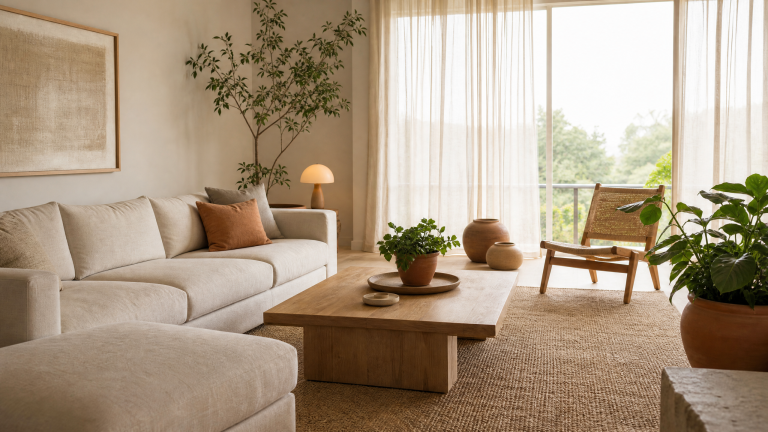
We’ve all been there: we picture a perfectly curated living room, kitchen, or bedroom in our heads, a place where every piece looks effortless and magazine-ready. Then reality arrives: colors clash, proportions misread, and even the most promising ideas fall flat. This isn’t a failure of taste: it’s a predictable gap between imagination and real-world constraints. In this text we break down 18 common home items and design moments that tend to look better in our heads than they do in practice. For each, we’ll explain why the disconnect happens and offer practical fixes so your next attempt actually matches the vision in your mind.
Why Your Design Vision Often Beats Reality
We get attached to an idea before we’ve tested it in a space. In our heads, context is perfect: lighting flatters, scale is ideal, and nothing competes for attention. But homes are messy systems, architecture, lighting, budget, and habits all shape outcomes. Several predictable reasons explain the gap between intention and outcome:
- Lighting lies. Photos in magazines or online often use professional lighting and post-production: natural home light changes throughout the day and can radically alter color and texture.
- Scale gets misread. We imagine a sofa or rug at the “right” size without measuring sightlines, door swings, or walkway clearance.
- Material properties are overlooked. A paint swatch or tile sample on a counter won’t reveal how it reads across an entire wall, or how grout, sheen, and pattern interact.
- Lifestyle mismatches. We design for a pristine, staged version of life rather than the way we actually live, kids, pets, or frequent hosting make certain materials and arrangements impractical.
Understanding these common failure modes lets us plan better. The rest of the article walks through 18 specific items that routinely disappoint, and shows how to make them work for real life, not just for our imagination.
Living Room Letdowns: Sofa, Rug, Coffee Table, And Gallery Wall
Sofa: In our heads, the sofa anchors the living room with perfect scale and comfort. In reality, we pick something visually right but ergonomically wrong, too deep for lounging, too low for standing up, or a fabric that stains instantly. Fix: measure your seating area properly (allow 18″–24″ between sofa and coffee table), test seat depth in-store, and choose textiles with practical abrasion and stain resistance. Removable cushion covers are a sanity-saver.
Rug: We picture a dramatic rug that frames the room, but often the rug is too small or has a pattern that fights with existing furniture. A common mistake: centering a rug under a coffee table only, which visually chops the space. Fix: aim for a rug that at least includes front legs of larger furniture pieces, and always tape kraft paper to the floor to test sizes before buying. If pattern feels overpowering, opt for tone-on-tone textures for visual interest without noise.
Coffee table: The dream coffee table in our head is sculptural and perfectly proportioned. The reality often involves awkward height, sharp corners, or an impractical finish. Fix: height should match or sit slightly below the sofa seat, typically 16″–18″. Choose rounded corners for high-traffic homes: pick a surface that tolerates spills or add trays to protect delicate finishes.
Gallery wall: We imagine an effortless gallery wall with a curated narrative. In practice, spacing is inconsistent, frames clash, or the composition feels lopsided. Fix: lay frames on the floor to compose before you commit, keep consistent spacing (2″–3″ is a good rule), and consider a unifying element, matching frames, a consistent mat color, or a repeating subject, so the wall reads intentional rather than chaotic.
Kitchen Daydreams That Don’t Age Well: Backsplash, Island, Open Shelving
Backsplash: We dream of an eye-catching backsplash that pulls the kitchen together, but intricate grout lines, large-format patterns, or glossy finishes often reveal smudges, grease, and grout discoloration. Fix: pick durable, low-maintenance materials for cooking zones, large-format porcelain or rectified tiles reduce grout lines, and matte or textured finishes hide fingerprints better. If you love pattern, reserve it for a small focal area or behind open shelves where it’s less likely to be splattered.
Island: The island in our imagination is a perfectly proportioned gathering place and prep zone. The common miscalculations: insufficient clearance around the island (you need at least 42″–48″ behind seated areas), or an island that’s too low/high relative to counters. Fix: plan traffic flow carefully and mock up footprint using cardboard or painter’s tape to ensure the island doesn’t obstruct work triangles. If the island needs to double as dining, consider a raised bar segment or overhang with proper knee space.
Open shelving: We picture styled open shelves that look like a brand shoot. The reality often shows mismatched glassware, dust, and the inevitability of functional clutter. Fix: limit open shelving to a few well-planned stretches and use it primarily for items you actually use regularly (matching sets of dishes, cookbooks, and baskets). Combine open shelving with closed storage to hide the things we don’t want on display. Use consistent containers and keep a cleaning schedule, dust accumulates faster than we imagine.
Bedroom Makeover Fantasies: Headboards, Throw Pillows, And Bedding
Headboards: We imagine a dramatic upholstered headboard as a centerpiece. Often, the headboard’s scale overwhelms the room or the fabric shows wear quickly. Fix: choose a headboard height that respects ceiling height (low ceilings favor shorter headboards, while tall ceilings can handle taller designs). Select durable upholstery for high-use beds, or opt for a painted wooden or panel headboard that’s easier to keep fresh.
Throw pillows: In our heads, a cluster of throw pillows adds texture and comfort. In reality, too many pillows make the bed unusable for sitting or reading and look staged every night. Fix: limit pillows to a functional mix, two Euro shams, two sleeping pillows, and one or two accent pillows. Use pillow inserts with medium loft for a lived-in, comfortable look rather than stiff, overstuffed cushions.
Bedding: We picture crisp, hotel-style bedding. Often, expensive linens still look wrinkled, mismatched, or cold. Fix: choose fabrics that match your routine, percale sleeps cool and crisply, while sateen or brushed cotton feels softer and cozier. Use a duvet insert with appropriate fill weight for your climate and a fitted sheet that actually stays on the mattress. Layering should be practical: lightweight blanket, duvet, and a single throw for color rather than piling multiple heavy blankets that get kicked off.
Bathroom Upgrade Illusions: Tile Choices And Vanity Expectations
Tile choices: We often envision dramatic tile patterns or subway tile installations with perfect grout lines. Yet bathrooms have humidity, water splashes, and high traffic, grout can stain, small tiles harbor mildew, and glossy tiles show water spots. Fix: favor rectified large-format tiles to reduce grout lines where practical, or use darker grout in high-splash areas. Choose slip-resistant finishes for floors and pick tiles with a slightly textured surface for better maintenance. For vertical accent walls, limit bold patterns to spaces less likely to be in direct contact with water.
Vanity expectations: We imagine a floating vanity with open storage and organized trays for everything. The reality: drawers become a jumble, open shelves collect damp towels, and the vanity top becomes a staging ground for daily clutter. Fix: prioritize drawers with organizers and deep drawers for bulk storage. If you want open shelving, reserve it for decorative items or baskets that contain toiletries. Durable countertop materials like quartz perform better than porous stone unless you are disciplined about sealing and maintenance.
Lighting: Another bathroom misstep is underestimating lighting. A vanity that looks great in photos can look harsh or unflattering without the right light placement. Fix: use layered lighting, overhead, task lighting flanking the mirror at eye level, and dimmable options to adapt to needs.
Storage And Organization Promises That Don’t Deliver: Built-Ins, Closets, And Baskets
Built-ins: We imagine built-ins as the perfect solution, custom fit, endlessly organized, and beautiful. In real life, built-ins are often underutilized because they’re not planned around our actual storage habits. Shelves can be too tall or too deep, and customizing later is costly. Fix: audit what you actually own before commissioning built-ins. Measure the tallest items, the most frequent categories, and design adjustable shelving and a mix of open and closed storage.
Closets: The closet we dream of is a boutique-like system with uniform hangers and perfectly folded sweaters. Most closets become overflow dumps or have awkward shelf heights. Fix: rethink closet as a functional system: double hanging where appropriate, dedicated shoe storage, and fewer deep shelves that bury items. Consider pull-out accessories (trouser racks, tie hooks) and lighting inside the closet so visibility is never the problem.
Baskets: We buy baskets imagining they’ll tame the chaos. Then baskets become black holes, decorative but opaque, hiding the clutter without fixing it. Fix: use baskets with labels and transparent bins for things you need to find. Choose sizes that fit shelf dimensions and avoid using baskets as a substitute for decluttering. If the goal is access, combine baskets with open bins or smaller compartmentalized organizers inside them.
Small Decor Details That Look Better In Your Head: Plants, Art, And Mirrors
Plants: We imagine architecturally perfect plants in every corner. Unfortunately, plant health depends on light, humidity, and our willingness to care for them. A low-light room won’t sustain a fiddle-leaf fig, and hanging planters can drip soil on upholstery. Fix: choose plants that match your conditions and commitment, snake plants and ZZ plants tolerate low light and neglect: pothos and philodendron trail beautifully on shelves. Use saucers and protective trays, and consider faux plants in tricky locations (but choose high-quality faux silk or polymer varieties to avoid the ‘plastic’ look).
Art: We see a hero painting dominating a wall and tying a room together. The real problem is scale and color mismatch: art can feel lost if it’s too small or create dissonance if the tones fight with furnishings. Fix: choose art proportional to the wall (a common formula is 60%–75% of the furniture width for above-sofa pieces). Use a unifying palette or framing choice to knit diverse pieces together.
Mirrors: We assume mirrors will instantly make rooms look larger. They can, but reflective surfaces also magnify clutter and show unattractive angles. A mirror placed opposite a messy view will double the problem. Fix: position mirrors to reflect interesting architecture or daylight, not toilets, cords, or unsightly storage. Use framed mirrors that complement other finishes for cohesion.
Conclusion
Our mental design photos are useful, they help us aim for aesthetic goals, but they’re rarely the whole story. The gap between vision and reality comes down to context, scale, material behavior, and everyday habits. By testing at full scale, prioritizing function alongside form, and choosing forgiving materials and flexible systems, we can close that gap and create rooms that truly look as good as we imagined. Design isn’t about getting it perfect on the first try: it’s about making choices that let the space evolve without derailing the dream. Let’s be intentional, measure twice, and let reality enhance our vision, not contradict it.