How to Turn Your Everyday Food Photos into Paid Side Work
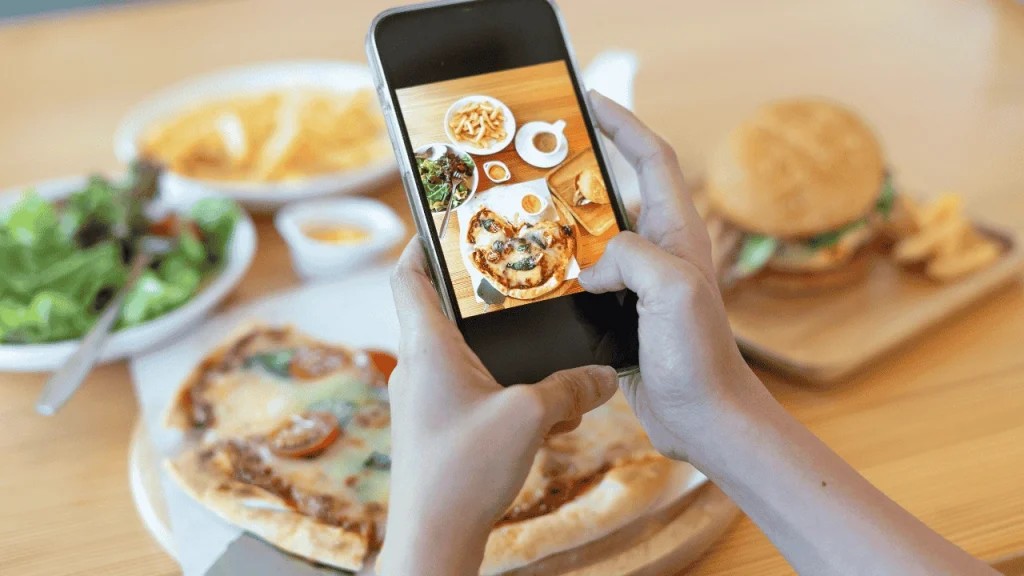
If you habitually photograph your meals, you already have one of the main ingredients for a simple side opportunity. Many companies and content platforms are looking for authentic, everyday food images — the kind you capture with your phone at breakfast, lunch, or a casual dinner. You don’t need pro gear to participate; attention to light and composition goes a long way.
This article walks through why real food photos are in demand, practical ways to list or submit your images, which apps and services commonly request food shots, and how to improve your chances of earning from the photos you already take. Read on for clear steps, helpful examples, and cautions to keep in mind as you experiment.
1. Photographing Food That Buyers Actually Want
Make your images usable by sticking to simplicity and realism. Natural light is the single most reliable improvement you can make: shoot near windows or outdoors when possible and avoid harsh overhead flash. Keep backgrounds uncluttered and choose simple props — a plain napkin, a wooden board, or a single utensil can add context without distracting from the dish.
Think about context and story. A coffee cup beside a laptop suggests a morning routine; a family-style bowl on a table suggests shared meals. Small variations — a different angle, a closer crop, or a quick rearrangement of elements — can create multiple distinct images from the same setup. Before uploading, check for obvious distractions (dirty cutlery, phone charger, stray crumbs) and tidy the frame so buyers see a clear, usable image.
Ready to Build a Flexible Income Stream?
2. Where to Submit Photos: Popular Apps and Platforms
There are several ways to monetize food photos, ranging from stock libraries to gig-based task apps. Some platforms host regular photo challenges where brands select images for campaigns; others operate like traditional stock sites where buyers license images. Crowdwork apps sometimes request local store photos, menus, or menu-item shots as part of short tasks.
When choosing platforms, compare how they pay, what usage rights they require, and the typical turnaround for approvals. It’s often best to use multiple services: stock libraries can provide passive, long-term exposure, while challenge or task apps may produce faster, one-off payments. Read each platform’s contributor terms so you understand exclusivity requirements and royalty splits before uploading.
3. A Simple Workflow to Start Earning from Food Photos
Turn your phone’s food-photo habit into a repeatable process. First, create accounts on a few platforms that fit your goals. Next, curate and edit the strongest shots — crop for composition, adjust exposure or white balance, and remove obvious distractions. Save high-resolution versions when the platform accepts them.
Follow briefs and task descriptions closely: some clients request specific angles, props, or contextual elements (e.g., a receipt or a menu in the frame). Keep a short log of what you upload where so you don’t accidentally submit the same exact image as an exclusive to multiple services. Finally, check each app regularly for feedback or requests to resubmit images that don’t meet technical or content guidelines.
4. Weighing Niche and Lower-Performing Services
Not every platform will be equally productive for every contributor. Some apps pay based on views, some split revenues, and some have long wait times between upload and any sale. Before investing a lot of time in a single service, test it with a small batch of uploads to see how quickly your images gain traction and whether payments actually materialize.
Pay attention to user reports and review terms: subscription fees, strict exclusivity, or high commission rates can reduce the effective return on your work. Treat lesser-known sites as experiments rather than primary income streams, and prioritize ones that match your style, schedule, and comfort level with licensing terms.
5. Realistic Expectations About Earnings
Consider photo-selling as a flexible side activity rather than a replacement for steady income. Payments for individual photos vary widely by platform, assignment complexity, and whether brands seek exclusive rights. Occasional tasks or contest wins can yield higher one-time payments, while stock sales tend to provide smaller, recurring royalties.
If you upload consistently and follow platform briefs, the work can add up to a noticeable supplement — useful for covering small expenses or treating yourself. Avoid promises of quick riches; success depends on volume, the quality and relevance of your images, and patience while your portfolio gains visibility.
6. Why Brands Value Everyday Food Photos
Commercial buyers often prefer images that feel genuine and relatable. Perfectly staged, overly stylized shots can look unattainable and may not connect with many customers. Pictures that show real portions, common tableware, and natural settings help brands present food as part of everyday life.
From marketing to menus and app listings, companies need a range of images that reflect different people, cultures, and dining situations. Your candid, routine photos can fill gaps that studio photography doesn’t — especially when they capture seasonal items, regional dishes, or trending presentations that feel current and credible.
Selling food photos is accessible because it builds on something many people already do: capture moments around meals. Start small, learn the rules and preferences of a couple of platforms, and refine your shooting habits to produce clean, well-lit images that buyers can use immediately.
Be patient and methodical: keep experimenting with angles and subjects, track which images perform best, and treat lower-performing platforms as tests rather than core income sources. Over time, a modest, consistent effort can turn casual snapshots into a steady little stream of extra cash.