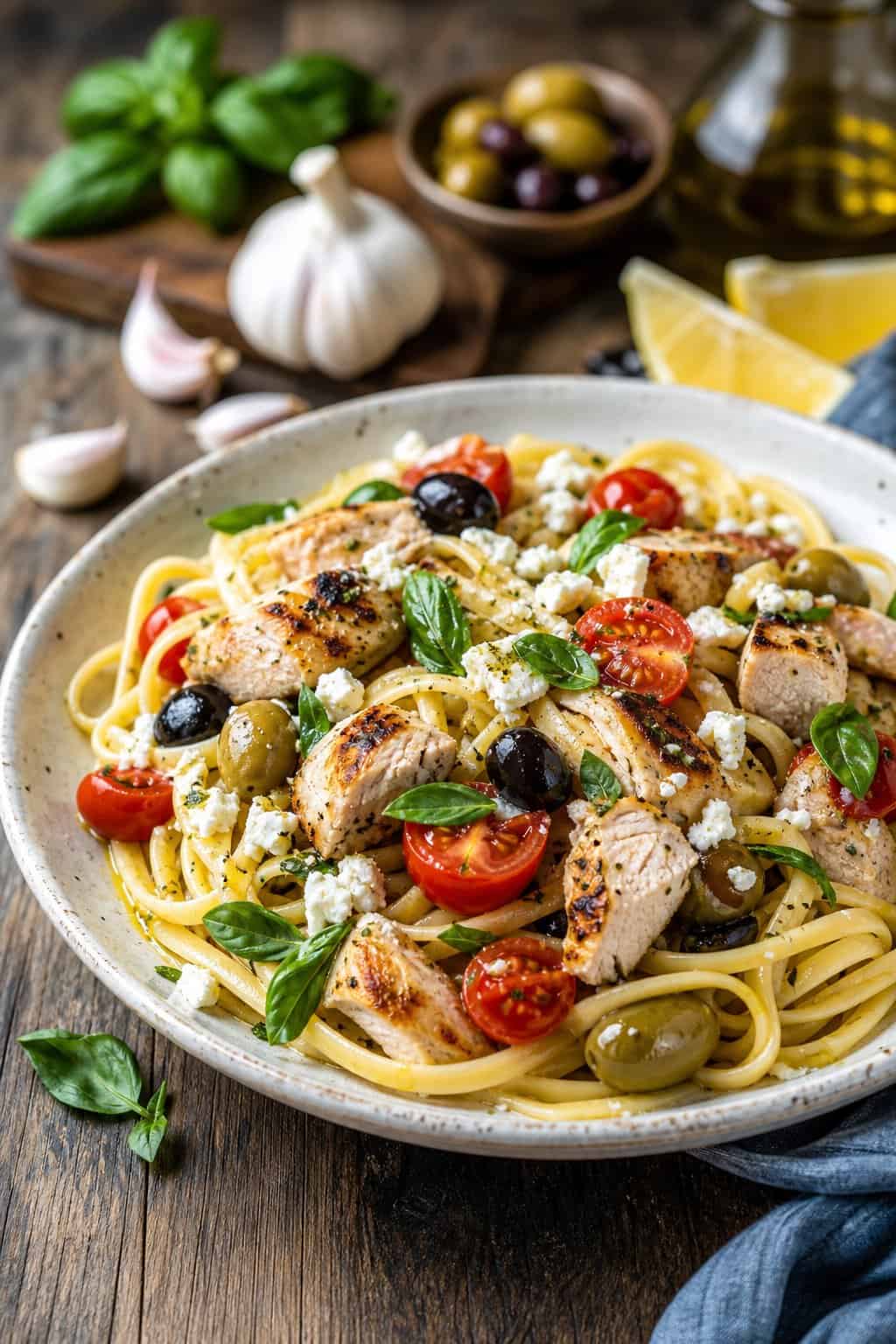
The Complete Beginner’s Guide to the Mediterranean Diet (Budget-Friendly & Science-Backed)
If you’ve spent any time researching healthy eating patterns, you have almost certainly encountered the Mediterranean diet. It consistently ranks as one of the top diets globally, recommended by doctors, dietitians, and researchers alike. Yet, despite its widespread popularity, significant confusion surrounds what it actually entails. Many people assume it requires expensive imported olive oils, daily servings of fresh salmon, and a limitless grocery budget. Others believe it is merely an excuse to eat unlimited pasta while drinking red wine.
In reality, the Mediterranean diet is neither an elite, expensive lifestyle nor a free pass for overindulgence. It is a flexible, sustainable, and highly affordable eating pattern based on the traditional foods and lifestyle habits of countries bordering the Mediterranean Sea—such as Greece, Italy, and Spain—during the mid-20th century. [1] Crucially, the foundation of this diet was built by working-class people relying on cheap, local, and shelf-stable ingredients like beans, lentils, and seasonal vegetables.
This comprehensive guide will deconstruct the Mediterranean diet from the ground up. This guide explores the robust scientific evidence supporting its health benefits, outline exactly what foods to prioritize, and, most importantly, provide a detailed strategy for implementing this eating pattern on a strict budget. Whether you are looking to improve your heart health, reduce inflammation, or simply eat better without breaking the bank, this guide will provide the actionable steps you need.
Understanding the Mediterranean Diet
At its core, the Mediterranean diet is a primarily plant-based eating plan that emphasizes whole, minimally processed foods. Rather than focusing on restrictive rules or what you cannot eat, it focuses on what you should eat more of: fruits, vegetables, whole grains, legumes, nuts, and healthy fats.
It differs from many modern diets in several fundamental ways. First, it does not ban entire macronutrient groups. Carbohydrates, fats, and even dairy and meat have a place, albeit in different proportions than the standard Western diet. Second, it prioritizes healthy fats. Instead of avoiding fat, the diet relies heavily on monounsaturated fats, primarily from extra virgin olive oil, as well as polyunsaturated fats from nuts and fish. [2] Third, it treats meat—particularly red meat—as a side dish or flavoring agent rather than the main event. Red meat is eaten rarely, while fish and poultry are consumed in moderate amounts.
Finally, it emphasizes lifestyle. The traditional Mediterranean approach to health includes regular physical activity and the social aspect of sharing meals with others. Research suggests that these lifestyle factors play a significant role in the diet’s overall health benefits, contributing to lower stress levels and better mental well-being. [1]
The Science: Why the Mediterranean Diet Works
The Mediterranean diet is arguably the most heavily researched eating pattern in the world. The evidence supporting its benefits is robust, spanning decades of observational studies and clinical trials. The scientific interest began with the famous Seven Countries Study in the 1950s, led by researcher Ancel Keys, which first observed that populations in Italy and Greece had significantly lower rates of heart disease compared to the United States and Northern Europe, despite having limited access to modern healthcare. [2]
Cardiovascular Health and Longevity
The strongest evidence for the Mediterranean diet lies in its profound cardiovascular benefits. Research has consistently shown that this eating pattern is highly effective in reducing the risk of cardiovascular diseases, including heart attacks and strokes, as well as overall mortality. [1]
A landmark study involving nearly 26,000 women found that those who closely followed a Mediterranean-style diet had a remarkable 25% lower risk of developing cardiovascular disease over a 12-year period. The researchers noted that changes in inflammation, blood sugar control, and body mass index (BMI) accounted for this significant risk reduction. [1] The diet’s emphasis on olive oil, nuts, and fatty fish helps improve endothelial function (the functioning of blood vessel linings), lower LDL (bad) cholesterol, and reduce oxidative stress throughout the body. [2]
Inflammation and the Gut Microbiome
Chronic inflammation is increasingly recognized as a root cause of many modern diseases, from arthritis to certain cancers. The Mediterranean diet is inherently anti-inflammatory, largely due to its high fiber content and abundance of polyphenols—powerful antioxidants found in olive oil, berries, vegetables, and even coffee and tea.
Recent research highlights the diet’s rapid and positive impact on the gut microbiome. The high intake of dietary fiber from legumes, whole grains, and produce provides essential fuel for beneficial gut bacteria. These bacteria ferment the fiber to produce short-chain fatty acids, such as butyrate, which support gut barrier integrity and reduce systemic inflammation. [2] Remarkably, clinical studies have shown that transitioning from a standard fast-food diet to a Mediterranean diet can induce positive changes in the gut microbiome in as little as four days. [2]
Metabolic Health and Cognitive Function
Because the diet focuses heavily on complex carbohydrates—like whole grains, lentils, and beans—rather than refined sugars and white flour, it naturally helps stabilize blood sugar levels. Studies have shown that strict adherence to the Mediterranean diet is associated with improved insulin sensitivity and a significantly lower risk of developing type 2 diabetes. [3]
Furthermore, emerging research suggests a strong link between the Mediterranean diet and cognitive health. The combination of healthy fats, antioxidants, and reduced inflammation is associated with better cognitive function in older adults and a reduced risk of developing Alzheimer’s disease and depression. [3]
What to Eat: The Mediterranean Diet Pyramid
Unlike strict diet plans that dictate precise daily calorie limits or macronutrient ratios, the Mediterranean diet is often visualized as a pyramid. Introduced in 1993 by the Harvard School of Public Health, Oldways, and the World Health Organization, this pyramid indicates how frequently different food groups should be consumed. [1]
| Frequency | Food Groups | Examples & Guidelines |
|---|---|---|
| Every Meal | Vegetables, fruits, whole grains, olive oil | Spinach, tomatoes, oats, brown rice, extra virgin olive oil. Aim for 1-2 servings of fruit and whole grains per meal, and at least 2 servings of vegetables at lunch and dinner. |
| Every Day | Beans, legumes, nuts, seeds, herbs, spices | Chickpeas, lentils, almonds, walnuts, oregano, garlic. Nuts should be limited to about 1 ounce per day due to calorie density. |
| A Few Times a Week | Fish, seafood, poultry, eggs, and dairy | Salmon, sardines, chicken breast, Greek yogurt, feta cheese. The American Heart Association recommends a 4-ounce serving of fish twice per week. |
| A Few Times a Month | Red meat and sweets | Beef, pork, pastries, sugary drinks. Treat red meat as a rare occasion (1 serving per week or less) and use fruit as the primary dessert. |
The Central Role of Olive Oil
Extra virgin olive oil (EVOO) is the primary source of added fat in the Mediterranean diet, replacing butter, margarine, and highly processed seed oils. [1] EVOO is rich in monounsaturated fats and polyphenols, which are crucial for the diet’s heart-health benefits. While EVOO is ideal for dressings and drizzling over finished dishes, standard or “light” olive oil is perfectly acceptable (and often more budget-friendly) for cooking at higher temperatures.
Doing It on a Budget: How to Eat Mediterranean for Less
One of the most persistent myths about the Mediterranean diet is that it is expensive. People picture fresh wild-caught salmon, imported Italian cheeses, and heirloom tomatoes. However, the true, traditional Mediterranean diet was born out of necessity and frugality. It relies heavily on some of the cheapest ingredients available in any grocery store.
According to nutrition experts at Penn State Extension, eating the Mediterranean way can actually lower your grocery bill if you shop strategically. [3] Here is exactly how to implement the diet on a strict budget.
1. Master the Cheap Proteins: Beans and Lentils
The biggest cost-saver in the Mediterranean diet is the shift away from meat as the centerpiece of every meal. Meat is expensive; legumes are incredibly cheap. Dried or canned beans, peas, and lentils should become your primary protein sources throughout the week. A half-cup serving of beans equals a 2-ounce protein portion, providing substantial protein and high amounts of filling fiber for pennies per serving. [3]
Budget Tip: Buy dried beans in bulk for the absolute lowest cost, or stock up on canned beans (look for “no salt added” or rinse them well) when they go on sale. Lentils are particularly convenient because they cook quickly without needing to be soaked overnight. A one-pound bag of dried lentils costs around $1.50 and yields roughly six servings of protein-rich food.
2. Buy Canned and Frozen Seafood
The recommendation to eat fish twice a week can sound expensive if you are only looking at the fresh seafood counter. The solution is the canned goods aisle. Canned tuna, canned salmon, and sardines are authentic Mediterranean staples that have been eaten in coastal communities for generations. They are rich in omega-3 fatty acids, shelf-stable, and a fraction of the cost of fresh fish. [3]
Budget Tip: Look for plain frozen 3- to 4-ounce portions of fish fillets in the freezer aisle. These are often frozen at sea immediately after being caught, making them both cheaper and sometimes fresher in terms of nutrient content than the fish sitting in the fresh counter that has been sitting there for several days.
3. Rethink Fresh Produce
You need to eat a lot of vegetables on this diet, but they do not all need to be fresh, organic, or out-of-season. Frozen vegetables are picked at peak ripeness and flash-frozen immediately, locking in their nutrients at the highest possible level. Research has shown that frozen vegetables are nutritionally comparable to—and sometimes superior to—fresh produce that has been sitting in transit or on store shelves for days. They are often cheaper than fresh produce and eliminate the risk of food waste entirely.
Budget Tip: Buy plain frozen fruits and vegetables without added sauces, seasonings, or sugar. For fresh produce, shop farmers markets at the end of the day when vendors are eager to make deals on remaining inventory, or stick strictly to what is currently in season at your local supermarket. Seasonal produce is always significantly cheaper and more flavorful than out-of-season imports. [3]
4. Optimize Your Fats and Snacks
Nuts and olive oil can be pricey, but they go a long way when used correctly. Buy plain nuts in bulk from the bulk bins or in large bags rather than expensive pre-portioned snack packs, and stick to the recommended 1-ounce daily serving. For olive oil, use cheaper, non-extra virgin olive oil or even canola oil for baking and high-heat cooking, saving your high-quality extra virgin olive oil strictly for finishing dishes and making salad dressings where its flavor actually matters. [3]
Budget Tip: Replace expensive deli meats and processed snack bars with homemade plant-based spreads. Hummus made from cheap chickpeas, fava bean dip, or roasted eggplant spread (baba ganoush) are authentic Mediterranean staples that cost very little to make at home. Serve them with carrot sticks, celery, or whole-grain pita for a satisfying, genuinely nutritious snack. [3]
5. Build a Budget Mediterranean Pantry
Having the right staples on hand is the single biggest key to making this diet sustainable and affordable long-term. When yyour pantry is stocked with the right foundational ingredients, you can build a complete, nutritious Mediterranean meal from almost nothing in under 30 minutes.
| Pantry Category | Budget Staples to Keep on Hand | Approximate Cost |
|---|---|---|
| Legumes | Dried lentils, dried chickpeas, canned white beans, canned black beans | $0.50–$1.50 per serving |
| Whole Grains | Brown rice, whole-wheat pasta, rolled oats, whole-grain bread | $0.25–$0.75 per serving |
| Canned Goods | Canned diced tomatoes, canned tuna, canned salmon, canned sardines | $0.50–$2.00 per can |
| Frozen Produce | Frozen spinach, frozen broccoli, frozen mixed vegetables, frozen berries | $1.00–$2.50 per bag |
| Oils & Vinegars | Extra virgin olive oil (small bottle for finishing), canola oil (large bottle for cooking) | $5–$10 per bottle |
| Herbs & Spices | Garlic, dried oregano, cumin, smoked paprika, red pepper flakes, cinnamon | $1–$3 per jar |
A Realistic 3-Day Budget Meal Plan
To demonstrate how accessible this diet can be in practice, here is a simple, budget-friendly 3-day meal plan that utilizes affordable staples. Every meal is built from ingredients that are available at any standard grocery store at modest cost.
Day 1
Breakfast: Oatmeal made with water or milk, topped with frozen (thawed) berries, a small handful of bulk-bought walnuts, and a generous dash of cinnamon. Total cost: approximately $0.90 per serving.
Lunch: White bean and vegetable salad. Mix one can of rinsed white beans with chopped cucumbers, cherry tomatoes, red onion, and a simple vinaigrette made from two tablespoons of olive oil, fresh lemon juice, and dried oregano. Total cost: approximately $2.50 per serving.
Dinner: Whole-wheat pasta tossed with canned crushed tomatoes, garlic, a full bag of frozen spinach (thawed and squeezed dry), and a sprinkle of feta cheese. This is a genuinely satisfying, filling dinner that costs under $3.00 per serving and comes together in under 20 minutes.
Day 2
Breakfast: Plain Greek yogurt bought in a large tub (never single-serve, which is far more expensive per ounce) topped with a sliced apple and a spoonful of natural peanut butter for healthy fat and protein. Total cost: approximately $1.20 per serving.
Lunch: Leftover whole-wheat pasta from Day 1. This is the “cook once, eat twice” principle in action—the best tool in any budget cook’s arsenal.
Dinner: Canned salmon mixed with a tablespoon of plain Greek yogurt, fresh dill, and a squeeze of lemon, served over a large bed of mixed greens with a side of roasted sweet potatoes tossed in olive oil and smoked paprika. Total cost: approximately $3.50 per serving.
Day 3
Breakfast: Two eggs scrambled in a small amount of olive oil, served with a slice of whole-grain toast and a side of sliced tomatoes with a pinch of salt and a drizzle of olive oil. Simple, protein-rich, and genuinely Mediterranean. Total cost: approximately $1.00 per serving.
Lunch: A whole-wheat pita pocket stuffed with homemade hummus (made from a can of chickpeas, olive oil, lemon, and garlic in a blender), fresh spinach, and sliced bell peppers. Total cost: approximately $1.75 per serving.
Dinner: A hearty red lentil soup made from dried lentils, diced carrots, onions, garlic, and canned diced tomatoes, seasoned generously with cumin, smoked paprika, and a squeeze of lemon at the end. Serve with a simple side salad. This pot of soup costs approximately $1.50 per serving and makes excellent leftovers for the next two days.
Common Mistakes to Avoid When Starting Out
The Mediterranean diet is forgiving and flexible, but there are a few common pitfalls that can derail beginners. The first is treating olive oil as a free food. While it is a healthy fat, it is still calorically dense at 120 calories per tablespoon. Use it generously but not recklessly. The second mistake is assuming that any pasta or bread qualifies. The diet calls specifically for whole grain versions, which provide fiber and nutrients that refined white versions lack. The third—and perhaps most common—mistake is trying to overhaul everything at once. The most sustainable approach is to make one or two swaps per week: replace butter with olive oil this week, swap white rice for brown rice next week, and add one bean-based dinner the week after that.
The Bottom Line
The Mediterranean diet is not a rigid, expensive fad. It is a time-tested, science-backed approach to eating that prioritizes nourishment, flavor, and longevity. By shifting your focus toward affordable plant-based proteins like beans and lentils, utilizing frozen and canned produce, and treating meat as a rare addition rather than a daily necessity, you can fully embrace the health benefits of the Mediterranean lifestyle while actually reducing your monthly grocery budget.
Start small. You don’t need to overhaul your entire kitchen today. Begin by swapping your cooking fat to olive oil, replacing one meat-heavy dinner a week with a lentil or bean-based dish, and reaching for fruit instead of processed sweets for dessert. Consistency, not perfection, is the key to long-term success with any sustainable eating pattern.
References
- Harvard T.H. Chan School of Public Health. Diet Review: Mediterranean Diet. The Nutrition Source. https://nutritionsource.hsph.harvard.edu/healthy-weight/diet-reviews/mediterranean-diet/
- Daley, S. F., & Hinson, M. R. (2024). Mediterranean Diet. StatPearls [Internet]. National Library of Medicine. https://www.ncbi.nlm.nih.gov/books/NBK557733/
- James, L. (2021). Mediterranean Eating on a Budget. Penn State Extension. https://extension.psu.edu/mediterranean-eating-on-a-budget