8 Ideas for Using a Low-Cost Digital Reading Subscription Instead of Audible
A reading subscription can make books and audiobooks easier to fit into a busy schedule without requiring a separate purchase for every title. This guide explains how a Scribd-style service works, what to check before subscribing, and how features such as downloads and multi-device access can make the monthly cost worthwhile for frequent readers.
1. Treat the service as an all-in-one reading library
A digital reading subscription brings ebooks, audiobooks, and magazines into one account. The useful distinction is that you are paying for ongoing access to a broad catalog rather than buying each book individually, which can be a practical approach for someone who likes to sample several subjects or formats.
Explore this resource
2. Compare the monthly fee with your usual book spending
Before joining, compare the subscription price with what you normally spend on new books, individual audiobooks, or borrowing alternatives. The value is strongest when you regularly finish multiple titles; occasional readers may save more by using a library or purchasing only the books they know they will revisit. Check the current price and plan terms because subscription details can change over time.
3. Use a trial period as a catalog test
A free trial is most useful when you use it to test real reading habits instead of signing up and forgetting about it. Search for several books you already want, sample both print-style and audio content, and set a calendar reminder well before renewal so you can decide deliberately whether the paid plan earns its place in your budget.
4. Choose between browser reading and mobile listening
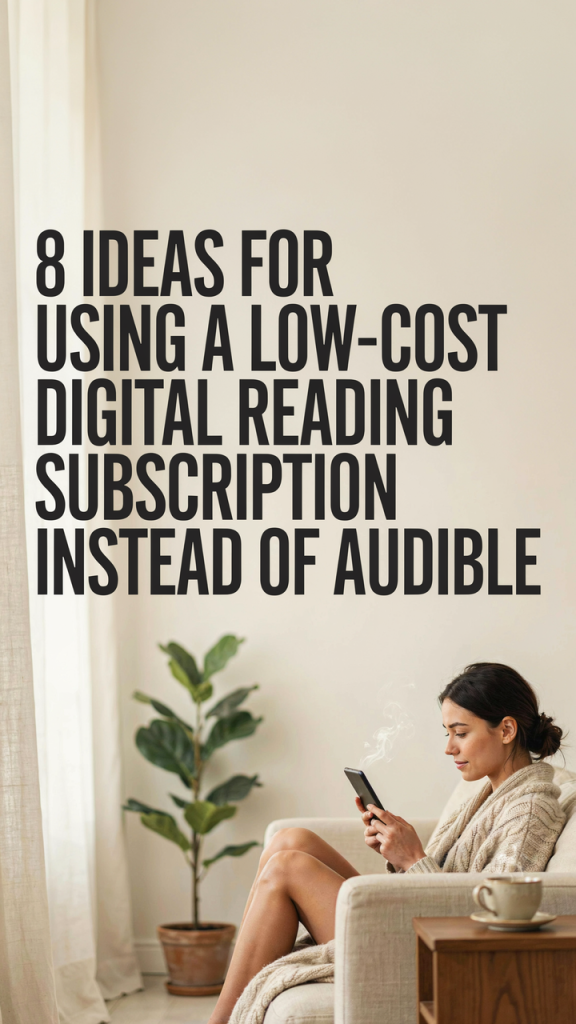
You can generally read through a computer browser or use an app on compatible phones, tablets, and selected e-readers. A simple routine might be reading on a laptop in the evening and switching to a phone for an audiobook while commuting, folding laundry, or running errands. Confirm that your particular device and operating system are supported before subscribing.
5. Download titles before leaving Wi-Fi
Offline downloads can help control mobile-data use and prevent interruptions when service is unreliable. Connect to Wi-Fi, save the books or audiobooks you expect to use, and remove finished downloads periodically so your device does not fill up. This is especially helpful for households using a limited or inexpensive data plan.
6. Share your routine across several approved devices
Multi-device access lets you move between a phone, tablet, and computer without abandoning a title whenever your setting changes. Use the account only within the provider’s permitted device limits and keep track of which family member is using which device. For a household with children, a tablet can also make supervised listening or reading more convenient.
7. Search broadly, then verify availability
Find material by title, author, topic, or category, and use recommendations as a starting point rather than assuming every bestseller is included. Catalogs can contain a large mix of traditionally published and user-uploaded work, but availability varies by region, publisher agreement, and release date. Search for your must-read titles before counting them toward the service’s value.
8. Decide whether unlimited access matters more than ownership
A subscription can be a strong Audible alternative when your priority is exploring or finishing many books for one recurring fee. A purchase-based audiobook service may be better if you want to keep a permanent audio library or return to favorites indefinitely. One balanced approach is to borrow digitally first and buy a used or permanent copy only when a title proves genuinely useful.
The best choice depends on how often you read, which formats you use, how well the catalog matches your interests, and whether you value access or ownership. Test the service with a purposeful trial, download content over Wi-Fi, and compare the current terms with your library and purchase options before making it a regular budget line.