Turn Clutter into Cash: A Modern Guide to Profitable Garage and Yard Sales
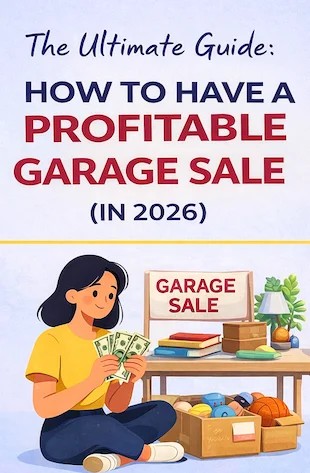
With a little planning and the right mindset, a weekend sale can be more than tidy-up duty—it can be a small, profitable venture. This guide gives practical, modern strategies to plan, price, present and promote a sale that attracts buyers and moves inventory.
1. Start with a Seller’s Mindset
Treat your sale as a short-term business rather than a chore. Begin by identifying what buyers in your neighborhood actually want and which items are worth extra effort—photographing, cleaning, or listing online. Ask simple questions: who will attend, what items typically fetch the highest return, and which pieces should be bundled versus sold individually. Example: separate rare or branded goods into a ‘premium’ group you’ll advertise online, while putting everyday household items into easy-to-browse tables. This shift in perspective helps you allocate time and energy where it matters and turn what feels like cleanup into a profitable weekend.
2. Prep Like a Pro: Sort, Clean, and Decide
Preparation is the backbone of a successful sale. Sort everything into clear categories: items for individual sale, bundled goods, low-cost bulk items, and things to donate or recycle. Clean and, where appropriate, test electronics and small appliances so buyers feel confident. For clothing, steam or gently launder items and use simple hangers to display sizes clearly. Practical example: create small bundles of similar low-value items and label them, so you can hand a buyer a ready-made deal rather than negotiating each piece. Investing time in prep increases perceived value and speeds transactions on sale day.
3. Price for Movement, Not Sentiment
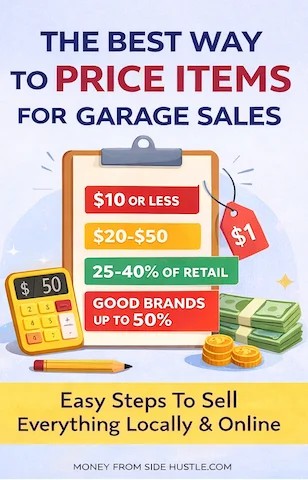
Pricing is strategic: aim to make items attractive and clearly fair. Research comparable listings online to understand current demand, then set prices that reflect condition and rarity. For common household goods, keep prices low and obvious; for branded or collectible pieces, base your price on recent sales and be prepared to negotiate. Employ simple psychological tactics like rounded-but-not-even numbers and visible discounts on grouped lots. Example: instead of individually pricing every paperback, offer a pre-set bundle to move several at once. Clear, reasonable pricing reduces haggling and keeps buyers moving through your sale.
4. Display with Purpose to Encourage Browsing

How you present items shapes how shoppers discover them. Place higher-value pieces toward the back so people walk past other tables, boosting impulse buys. Use tables, boxes, and hanging racks to introduce height and keep eye-level merchandise prominent. Designate a clearly marked bargain table to draw visitors in immediately. Practical examples: set kitchenware on a central table grouped by function, hang shirts by size and color for easy sifting, and prop framed art upright rather than stacking it so buyers can see images at a glance. Thoughtful display increases dwell time and sales.
5. Run a Sale That Feels Organized and Trustworthy
An orderly sale feels professional and encourages purchases. Use visible price tags, printed category signs, and a dedicated checkout station with clear payment options. Keep change organized in a cash box or tray, label bundled offers, and separate fragile items with protective coverings. Practical example: create a simple map near the entrance indicating where to find baby items, tools, or media; shoppers appreciate efficiency and are more likely to spend when they can shop without confusion. A tidy setup reduces friction, speeds sales, and makes buyers comfortable returning to future events.
6. Simple Time-Saving Hacks to Increase Profit
A few practical habits can lift your proceeds. Start early to attract serious buyers and collectors, and advertise clear opening hours so people plan their visit. Accept multiple payment types to remove barriers—cash, mobile payments, and common apps—so buyers aren’t turned away. Place large, legible signs with directional arrows at nearby intersections, and use background music to create a welcoming atmosphere. Example: keep a labeled ‘free for kids’ box to entertain families while adults browse; small comforts like this lengthen browsing time and often translate into more purchases.
7. Make Smart End-of-Day Decisions to Clear Inventory
The final hours are your best chance to move remaining stock. Prepare staged, easy-to-understand markdowns or bundle offers for the last hour to encourage quick sales. Have a clear plan for leftovers—donate, list online, or set aside for a future event—so you aren’t tempted to keep everything. Practical example: offer a ‘fill-a-bag’ or ‘take-all’ option for remaining clothes or books; buyers like simple, bold deals and you’ll leave with fewer unsold items. Decide in advance how steep discounts will be and when to announce them to avoid negotiation fatigue.
8. Leverage Neighbors and Little Extras for Big Gains
Advanced moves amplify traffic: coordinate with neighbors for a multi-house sale to make your block a destination, share signage costs, and stagger opening hours for steady foot traffic. Offer small perks like a kids’ freebie bin or inexpensive refreshments to keep shoppers around longer. Provide bundle discounts for bulk buyers to move slow inventory quickly. Example: combine a few households and promote as a neighborhood sale in local online groups; with more variety, shoppers linger and spend more. These techniques turn a solo sale into a mini-market that benefits everyone involved.
9. Use Facebook Strategically: Promote, Sell, and Streamline Pickup
Online platforms extend your reach and help you sell higher-value items. Publicize your in-person sale with an event page, marketplace listings, and posts in local buy/sell groups, showcasing a few standout items to draw interest. Alternatively, run a fully online sale by posting clear photos, detailed descriptions, and scheduling pickup windows. A hybrid approach often works best: list big-ticket items individually online while selling bulk and low-cost items at the physical event. Practical example: advertise an eye-catching tool or furniture piece online and offer porch pickup to save time and secure a sale in advance.
10. Host a Sale Without a Garage: Venue Ideas and Logistics

No garage? No problem—there are many alternative venues. Use your driveway, front yard, apartment courtyard, church or school parking lot, or a friend’s larger space. Partner with neighbors to create a block sale or rent a corner of a community flea market. If space is limited, consider an online-only event with scheduled pickups or porch drop-offs. Practical example: organize a mini-market at a nearby community center on a weekend morning, advertise the location clearly, and set up directional signage. Choosing the right spot and communicating logistics keeps traffic steady and sales flowing.
11. Know What Resellers Seek and How to Spot It
If you’re buying to flip, focus on categories with consistent resale demand—tools, branded apparel, collectible games, building sets, and select electronics. Learn to check condition and completeness quickly: look for intact labels, working parts, and original boxes for higher returns. Practical example: a nearly complete board game with all pieces fetches much more than a single box with missing parts, so inspect contents in front of sellers before offering a price. Developing a quick checklist helps you make confident buys that can turn a weekend hobby into a small resale income stream.
12. Make It a Fundraiser: Practical Ways to Raise Money and Awareness
Pairing a sale with a cause draws community support and boosts turnout. Clearly communicate the beneficiary and how proceeds will be used, partner with a local charity, and add simple on-site fundraising elements like a raffle or donation jar. Sell refreshments to increase time spent and impulse purchases. Example: split proceeds from a bake sale table with a neighborhood charity, promote the partnership on social pages, and offer modest incentives like a ‘donor discount’ on selected items to encourage contributions. Transparency and a clear purpose build goodwill and higher attendance.
13. Think Long-Term: Repeat, Refine, and Grow
A profitable sale is rarely accidental—treat each event as a learning opportunity. Track what sells and when, note which advertising channels brought the most visitors, and refine your pricing and display tactics for the next time. Consider creating a simple inventory list before and after the sale to measure what moved and what stagnated. Practical examples: if a particular bundle sold quickly, replicate that approach next time; if online listings brought pre-sale buyers, expand that strategy. Over time, small adjustments compound into consistently better results and less leftover clutter.
With a seller’s mindset, focused preparation, clear presentation and smart promotion, a yard or garage sale can be an efficient way to make money, declutter, and engage your community. Plan, experiment, and treat each sale as a small business project to improve results over time.