How to Turn Homemade Dog Treats into a Small Business That Wags

If you love baking and dogs, turning those two passions into a small business can be deeply rewarding. This guide walks you through the essentials—how to test demand, shape a brand, and get your first batches into eager paws—without overwhelming you with jargon. Read on for clear, practical steps and real-world examples to help your treats find fans.
1. From Oven to Offering: Building the Basics of a Home Dog‑Treat Brand
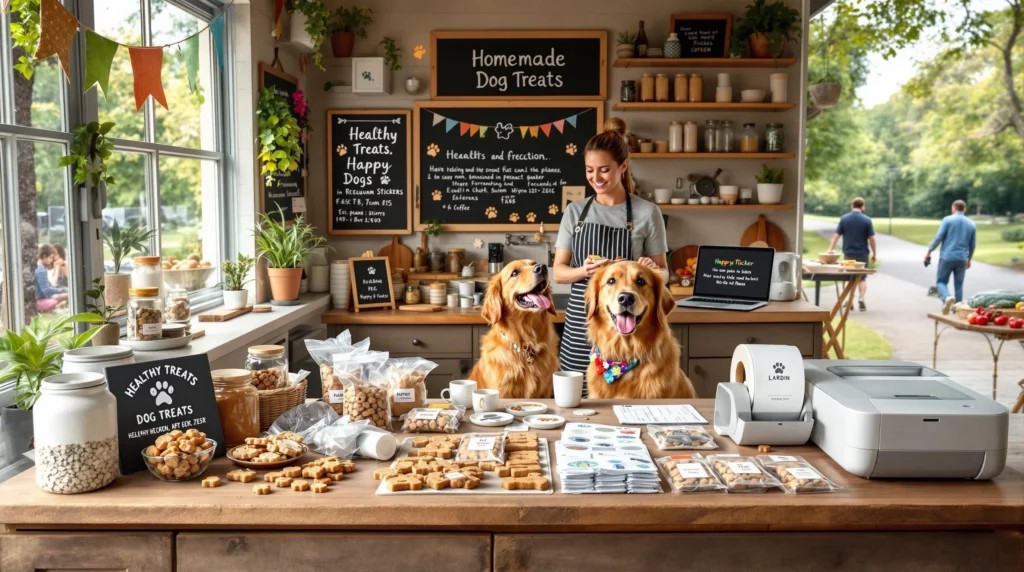
Start by checking whether people nearby or online want a fresh alternative to supermarket snacks—ask fellow dog owners at the park or in neighborhood groups what they look for in treats. Use that feedback to shape a simple business plan: list likely costs (ingredients, packaging, a website), set realistic goals, and decide where you’ll sell (local markets, a shop counter, or an online store). Learn the craft through recipe testing and friendly taste panels; try a basic peanut butter‑and‑oat biscuit, then tweak texture and size to suit different breeds. Pick a clear niche—such as grain‑free, seasonal flavors, or party cakes—then create consistent branding and small, eye‑catching packaging. Practical example: test three flavors at a weekend farmers’ market, note which sells best, and use those winners as your signature line.
2. Tactful Selling: Pricing, Packaging, Compliance, and Customer Care
Decide prices by totaling ingredient, packaging, labor, and overhead costs, then compare similar local offerings so your price reflects quality and positioning. Choose packaging that keeps treats crisp—resealable bags or tins—and include a clear ingredient list and storage advice. Check local food‑business rules for home kitchens and labeling requirements so customers know what they’re buying; some areas require specific permits or separate equipment for pet food production. Market where dog owners gather: partner with groomers, host a tasting at a park, or encourage buyers to share photos in exchange for a small discount. When feedback is mixed, respond promptly—offer a replacement or refund and use the insight to refine recipes or packaging. Practical example: offer a small tasting table at a community market and collect email signups in return for a first‑order coupon.
Starting a dog‑treat business from home is a series of small, manageable moves—test the idea, hone a few standout recipes, stay on top of rules, and build relationships with local pet lovers. With patience and consistent quality, you’ll find the right customers and plenty of wagging tails.