How Blackout Bingo Works, What to Expect, and Whether It Fits Your Free Time
If you enjoy quick, tactile mobile games that reward speed and pattern recognition, Blackout Bingo is worth a look. Below you’ll find a clear, practical guide to how the app works, what features to try, how to get started safely, and whether it might be a fun occasional cash play or just a pastime.
1. A friendly primer: what this bingo-style app actually is
Blackout Bingo is a mobile game that adapts traditional bingo into head-to-head, timed encounters on a digital board. Instead of a caller and paper cards, you tap numbers on a phone screen while racing another player; the app pairs you with opponents of similar experience. It lives on a third-party match-and-pay platform, which handles matchmaking and payments. If you like familiar games with a modern twist—short rounds, quick decisions, and a mix of casual and competitive modes—this app captures that vibe. Try a free practice match to feel the tempo before considering any paid play.
2. What a typical round looks and feels like

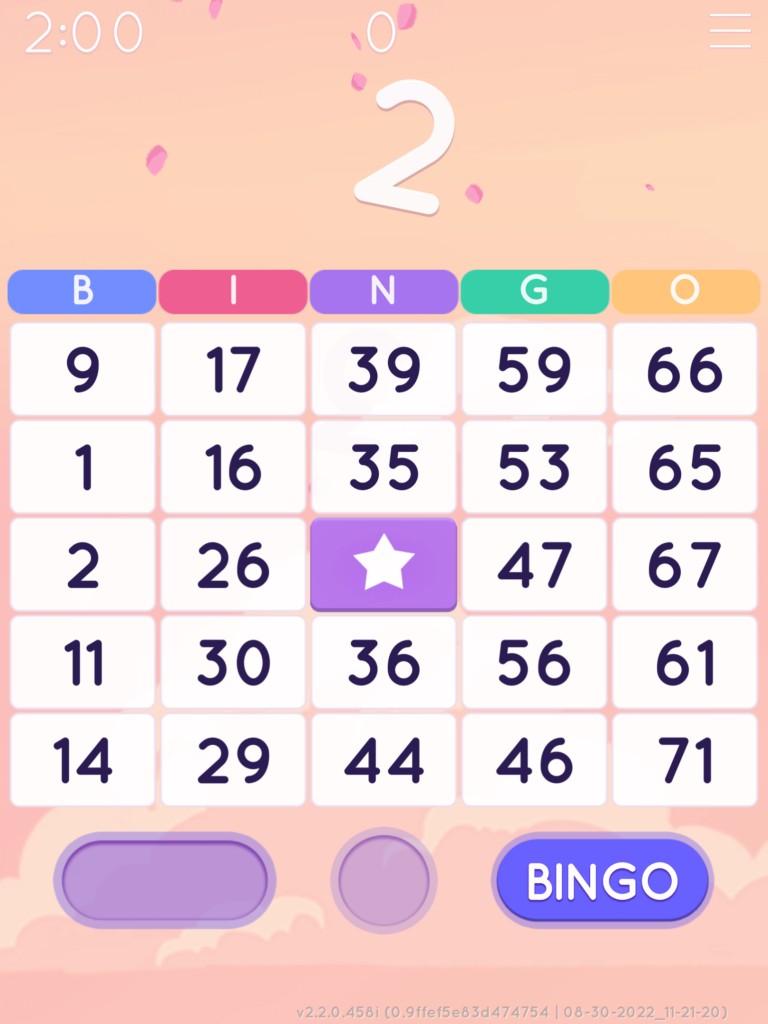
Rounds are short, goal-oriented sprints: you mark called numbers on a digital grid, chase bingo patterns, and score points based on timing and sequence. Both players see the same set of numbers and have comparable cards, so speed, accuracy, and timing of special abilities matter more than luck alone. The interface emphasizes visual clarity and a ticking clock; expect a fast pace and repeated opportunities to call multiple bingos in a match. A good way to practice is to play a string of free rounds and focus on accuracy under the clock rather than raw speed—this trains muscle memory for the faster, paid matches.
3. The golden ball: a pause button with choices
One standout tool is the golden-ball mechanic, a power that temporarily freezes play and presents a small menu of number options to choose from. Used at the right moment, it can turn a near-miss into an immediate bingo. Think of it as a short strategic timeout: before activating, scan your board for spots that would unlock extra bingo lines, then use the golden ball to claim the most valuable number. In practice, players save this for late in a round when they can convert the pause into multiple scoring opportunities rather than spending it early when fewer combos are possible.
4. Simple strategies and how to use boosts wisely
Winning consistently is more about timing and resource management than guessing numbers. Keep boosts like free-square, bonus time, and multipliers for moments that will multiply value—such as near the end of a round when a single square can enable multiple bingos. The free-square is best reserved for late-game completion rather than early convenience, while bonus time and freeze can buy you valuable seconds to spot additional combos. Review recorded paid matches if the app offers replays to learn where you missed daubs or used boosts too soon. Practically, try saving one boost per round and using it only when you can see a clear scoring advantage.
5. How to get started and move from practice to paid matches
Begin with the free download from your device’s app store, create an account, and play practice rounds to learn pacing and controls. Free matches often award in-game currency or tickets that can be redeemed for noncash prizes or used to enter additional practice games. When you feel confident, the platform offers paid games and tournaments; you’ll need to add funds through supported payment methods to enter those contests. The app also usually includes friend-referral incentives and a simple withdrawal workflow for cash prizes. A practical first session: play several free matches, then try one low-stakes paid round to test the deposit and withdrawal experience before committing more.
6. Benefits and drawbacks experienced players mention
Players cite short match lengths, a polished mobile interface, and the thrill of head-to-head play as major positives. Free practice modes let beginners learn without risk, and cash games add a competitive edge for those who enjoy wagering. Downsides can include losing streaks when stakes are involved and occasional technical glitches that interrupt rounds. Accessibility can also be mixed: some features or cash play may be restricted in certain locales. If you enjoy short bursts of competition and accept that losses are possible, it’s an engaging option; if you need a steady income stream, it’s not a replacement for steady work.
7. How fair and reliable is the app in practice?
The game runs on a matchmaking and payments platform designed for competitive mobile titles, and many players report smooth experiences and timely payouts. Still, users sometimes report app crashes or account-side problems, especially on older devices or after updates. Fairness is driven by matching players of similar skill and offering deterministic board play rather than a house advantage; nevertheless, performance and connection quality can influence outcomes. A good precaution is to keep your device and app updated, test small transactions first, and contact customer support if you notice repeated technical issues before risking larger sums.
8. Where cash play is allowed and what to check locally
Availability of cash-based contests varies by jurisdiction: while the free mode is broadly accessible, not every region permits paid play. Before depositing funds, check the app’s in-app notices and the platform’s terms to confirm whether cash games are allowed where you live. If paid contests aren’t available in your area, you can still enjoy free matches and earn tickets or in-app rewards. Practical tip: if you travel frequently, avoid assuming every location will grant access to cash play—verify after you change networks or move states to prevent surprises at login or when attempting a deposit.
9. Other apps and games that deliver similar thrills
If you like the competitive, speed-based format, there are other skill-focused mobile titles and platforms that offer comparable experiences. Look for head-to-head puzzle or card games that pair short rounds with optional entry fees and tournament tracks. Some apps emphasize solo leaderboard play and reward systems, while others mirror the match-and-pay model. Trying a couple of alternatives in free mode is an easy way to compare interfaces, support responsiveness, and prize structures. For example, experiment with a solitaire-based competitive game to test your reaction speed in a different context before allocating significant funds.
10. Deciding whether it’s worth your time and attention
For casual players who already spend downtime on games, this title can add an extra layer of excitement and occasional cash reward. It’s also a way to practice rapid decision-making and pattern recognition in short sessions. However, don’t expect a dependable income: earnings are variable and tied to skill, consistency, and how you manage boosts and bankroll. If your goal is sustained side income, pair occasional play with other projects that scale, such as building a small business or freelance work. A sensible approach is to set a strict budget for paid matches and treat any winnings as bonus money rather than guaranteed earnings.
11. Answers to the most common practical questions
Prospective players often wonder whether real money can be won, how much it costs to play, and how payouts work. Yes, there are paid matches where real payouts are distributed through common digital payment channels, but the amount you can win depends on the contests you enter and your level of play. Costs vary by contest entry, and free modes exist for practice. For withdrawals, follow the app’s verified process and confirm any fees or minimums before requesting payment. Finally, account rules may restrict multiple accounts; if you run into issues, contact support and keep records of any transactions to resolve disputes smoothly.
Blackout Bingo blends classic bingo patterns with quick, competitive mobile gameplay and a set of tactical tools. It’s an entertaining option for short, focused sessions and occasional paid contests, but approach cash play cautiously: start with free matches, test small stakes, and treat winnings as incidental rather than steady income.