Where to Sell Your Magic Cards: A Practical Guide to Getting the Best Return
Found a forgotten stack of trading cards and wondering what to do next? Whether you’re clearing out an attic or trimming a collection, knowing how cards are valued and where to list them can make a real difference. This guide walks you through what matters, how to prepare your cards, and which selling routes match different goals.
1. How Collectors and Players Decide What’s Valuable
Several overlapping factors determine what someone will pay for a card. Rarity and print run affect scarcity, while the physical condition—sharp corners, uncreased surfaces and intact edges—matters a lot to buyers. Cards tied to popular tournament decks or signature play strategies tend to stay in demand, and older printings often attract collectors because they’re harder to find. Market interest can also spike when a card becomes strategically useful or is reprinted less often. Practical example: a well-preserved older edition that’s still used in competitive decks may attract both players and collectors, increasing competition and the potential price.
2. Prepare Your Cards to Maximize Offers
Presentation and preparation directly affect what buyers will offer. Start by sorting cards into categories: rares, uncommons, commons, and sealed products. Use soft sleeves for individual rares and place bulk commons in breathable storage to avoid scratching. Photograph each high-value card on a neutral background with even lighting and include close-ups of corners and backs. Do quick price research so you know baseline values before negotiating. Consider professional grading for single high-ticket cards: it costs time and money, but graded pieces often command stronger offers. Example: sleeve and photograph every rare, then list them individually while bundling commons for a single bulk sale.
3. Match Your Selling Method to Your Priorities
Decide whether speed, convenience, or top dollar is your priority before choosing where to sell. If you want cash quickly and don’t mind accepting a lower offer, local shops or pawn outlets are efficient. If you’re willing to invest time to capture the best price, online auctions and specialized marketplaces can reach collectors worldwide. For a middle ground—less hassle without the lowest offers—consignment or professional sellers handle listing, photography and shipping for a share of the sale price. Practical example: a one-box collection you want gone fast can go to a nearby shop, while a handful of sought-after singles might be listed on a specialized marketplace for higher returns.
4. Using General Online Marketplaces: Reach vs. Effort
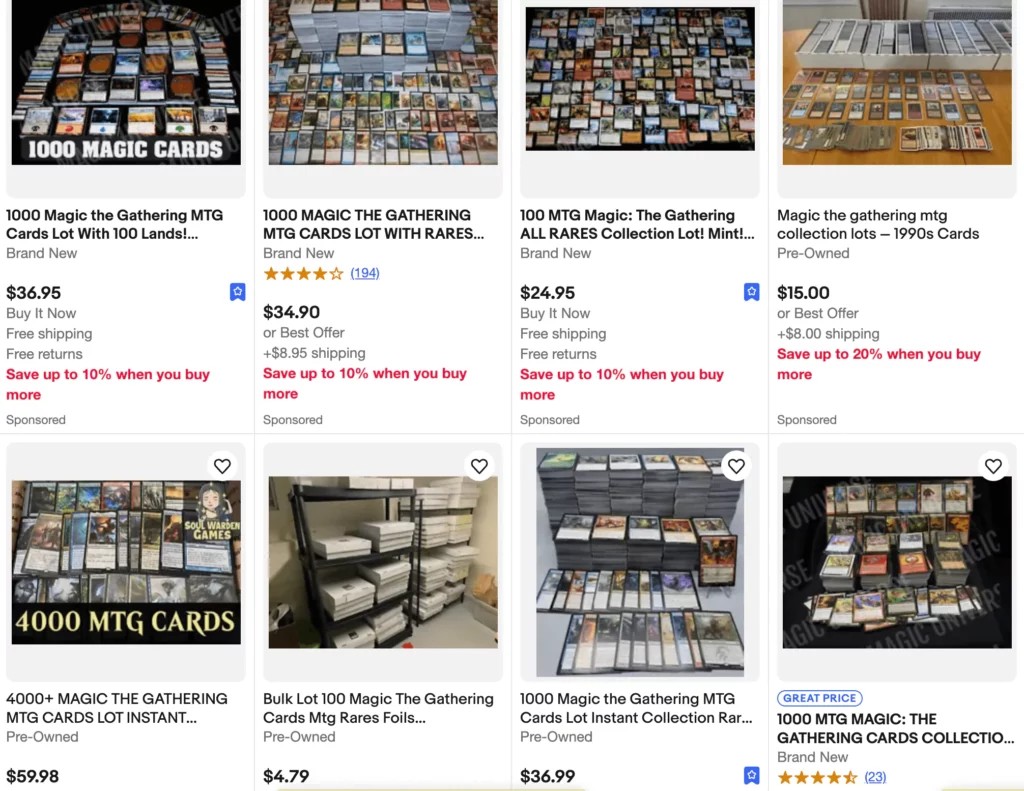
General marketplaces connect you with a broad audience, which is great for visibility—especially if you have rare singles that could ignite bidding wars. They support both fixed-price listings and auctions, and let you choose local pickup or shipping. The trade-offs include listing fees, buyer-seller management, and handling packages safely. Fraud risk is a reality, so use tracked shipping and clear photos that show condition. Example: list a single collectible as an auction to let the market set the price, but combine commons into a single lot with a clear ‘what’s included’ photo to save time and shipping hassle.
5. Specialized Buyers and Marketplaces: When to Go Niche
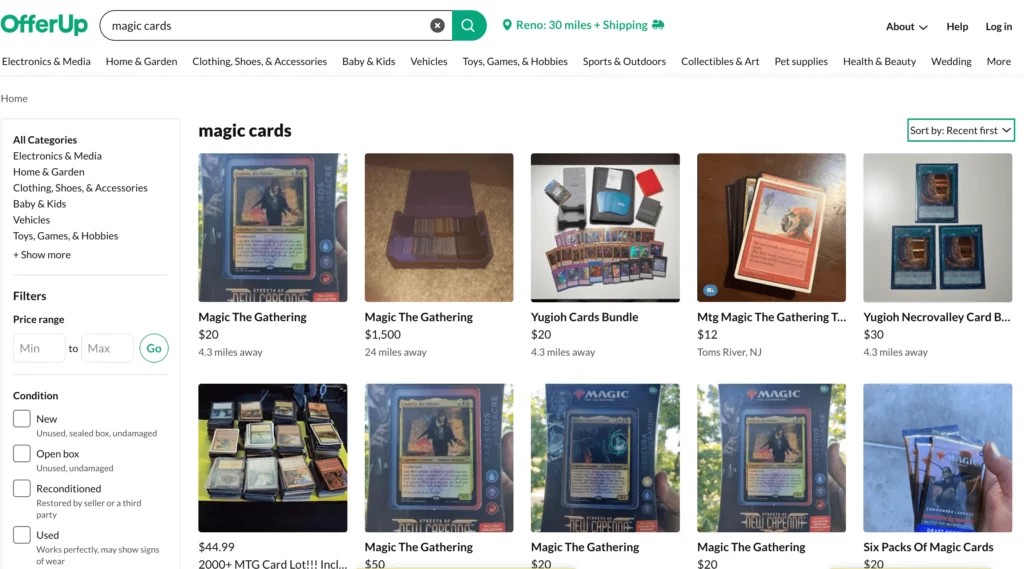
Dedicated card platforms and specialty buyers focus on trading-card collectors and players, so they tend to offer more accurate pricing for singles and sealed items. These outlets often provide tools like buy lists, bulk upload options, or buy-now offers for common cards. They’re a strong choice if you want targeted exposure or need bulk-handling features such as inventory scanners. Some services will purchase large lots directly, while others enable you to sell individually but benefit from a collector audience. Example: use a specialized marketplace to sell a graded rare or consult a buy-list to move multiple singles quickly to a buyer who knows their market.
6. Online Selling Strategies That Actually Work
Think strategically about listing style, timing and pricing. For rare singles, high-quality, honest photos and an accurate condition description build buyer trust. Auction formats can generate higher prices for ultra-scarce items, while fixed-price listings suit in-demand but commonly available cards. Shipping options matter: offer tracked, well-padded shipping and set clear return policies to avoid disputes. For bulk commons, promote quantity and convenience—buyers who want lots value neat sorting and transparent totals. Example: stagger listings to avoid flooding the market with similar items, and bundle related cards into a single shipment discount to encourage higher-value purchases.
7. Selling Locally: Shops, Shows and Face-to-Face Trades
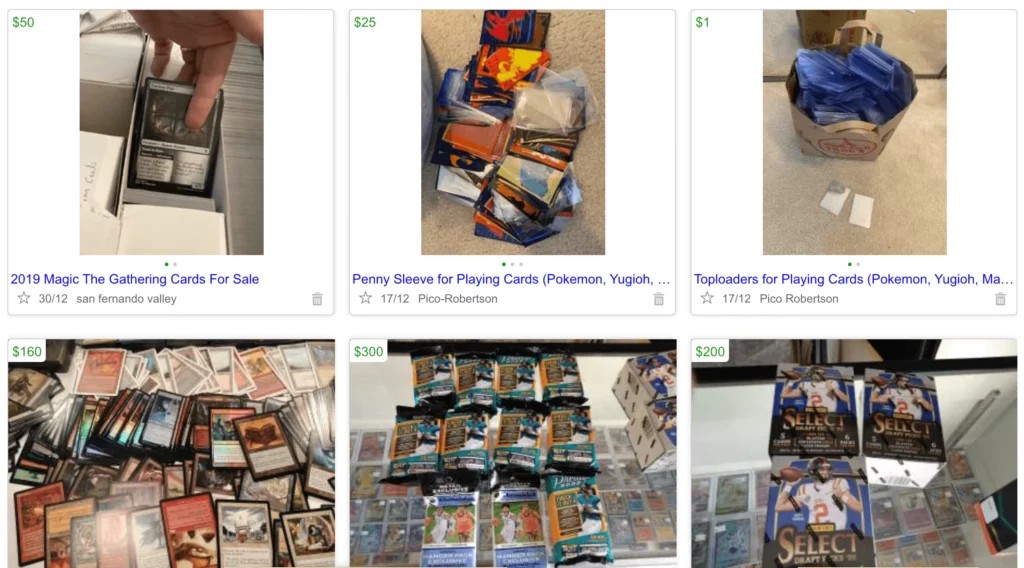
Local outlets give fast payment and avoid shipping, but they often offer less than online collectors. Comic and collectible stores may buy singles or take inventory on consignment; pawn shops are good for quick cash, particularly for bulk commons. Trade shows and conventions gather many potential buyers in one place and are ideal for networking and selling at fair market values; remember to factor booth fees. Safety matters with local meetups—choose public, well-lit locations and bring a companion if possible. Example: bring a curated selection of top-condition cards to a convention booth and keep commons in separate boxes for easy bulk sale discussions.
Selling your cards is a personal choice: balance the time you’ll spend against the price you hope to get. Prep thoughtfully, choose the right channel for your goals, and be open to multiple offers. With a little sorting and smart listing, you can turn a forgotten stack into meaningful returns.