The Beginner’s Guide to Meal Prep for a Clean, Simple Life
The Beginner’s Guide to Meal Prep for a Clean, Simple Life is here to help you take back your time, cut the stress out of cooking, and actually enjoy eating well. Life gets busy and chaotic, but meal prepping can bring a little calm and structure to your week. With just a bit of planning, you’ll have healthy, home-cooked meals ready to go, no scrambling, no guilt, no drive-thru detours.
In this guide, we’ll cover the basics: what meal prep really is, why it makes life easier, and how to get started without feeling overwhelmed. You’ll learn how to choose wholesome, nutrient-dense foods that fit a clean eating lifestyle, and how to set up a simple system (think of it like a “capsule kitchen”) that gives you flexibility instead of locking you into rigid menus.
By the end, you’ll walk away with practical tips, time-saving tricks, and sample meal ideas you can start using right away. The goal is simple: make meal prep feel doable, give yourself more free time, and create a routine that supports a cleaner, calmer, and more intentional way of living.
What is Meal Prep?
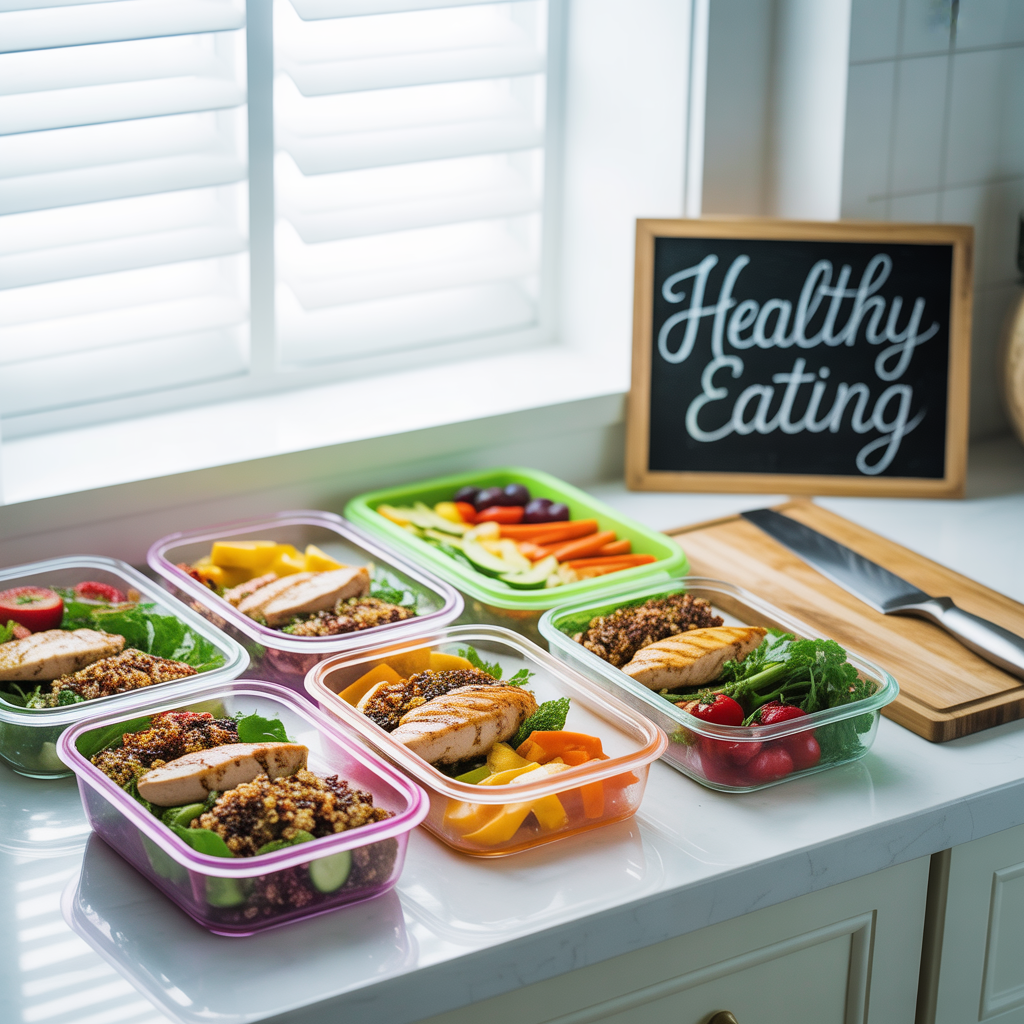
Meal prepping is the practice of preparing meals or their components in advance to be consumed later. This can range from simply chopping vegetables for the week to cooking and portioning out complete meals for several days. The primary goal of meal prepping is to make healthy, home-cooked meals more convenient and accessible, especially for individuals with busy schedules. As noted by Budget Bytes, if you have ever packed up leftovers from dinner for lunch the next day, you have already engaged in a form of mini-meal prep. However, the term generally refers to preparing food for a more extended period, typically three to seven days at a time.
The practice has gained significant popularity as a strategy for maintaining a healthy lifestyle, saving money, and reducing the stress associated with daily cooking. By dedicating a specific block of time to meal preparation, you can eliminate the daily question of “what’s for dinner?” and avoid the temptation of less healthy, last-minute options like takeout or fast food. As highlighted by the Cleveland Clinic, meal prepping is a “tried-and-true trick that many healthy eaters swear by to save time and keep them on track”.
The Benefits of Meal Prepping
The advantages of incorporating meal prep into your routine are numerous and extend beyond simple convenience. By planning and preparing your meals in advance, you can experience significant improvements in various aspects of your life, from your health and finances to your overall well-being. The following table summarizes the key benefits of meal prepping, as identified by our research from various health and lifestyle experts.
| Benefit | Description | Source(s) |
|---|---|---|
| Reduces Decision Fatigue | By eliminating the daily need to decide what to eat, you free up mental energy for other important tasks. | Cleveland Clinic |
| Saves Time | Investing a few hours in meal prep on one day can save you a significant amount of time on cooking and cleaning throughout the week. | Cleveland Clinic |
| Promotes Healthier Eating | Meal prepping allows for more thoughtful, balanced meals, helping you to avoid unhealthy impulse choices and control portion sizes. | Cleveland Clinic |
| Saves Money | Planning your meals and grocery shopping with a list helps to prevent food waste and reduces the likelihood of spending money on expensive takeout or restaurant meals. | Cleveland Clinic |
| Reduces Stress | Knowing that you have healthy, delicious meals ready to go can significantly reduce the stress and anxiety associated with daily meal planning and preparation. | Simply + Fiercely |
| Supports Weight Management | Consistent, planned meals can help to regulate hunger levels and prevent overeating, which can be beneficial for weight management. | Cleveland Clinic |
By embracing the practice of meal prepping, you are not just preparing food; you are investing in a more organized, intentional, and simplified lifestyle. The initial time commitment pays dividends throughout the week, providing you with the peace of mind that comes from knowing you are nourishing your body with wholesome, home-cooked meals.
The Philosophy of Clean Eating
At the heart of a simplified and intentional approach to meal prepping lies the philosophy of clean eating. This dietary approach is not a strict diet but rather a mindful way of selecting and preparing food that aligns with a minimalist and health-conscious lifestyle. The core principle of clean eating is to consume foods in their most natural, whole state, minimizing processed and refined ingredients. As explained by Harvard Health, “the foundation of clean eating is choosing whole foods and foods in their less processed states—choosing from vegetables, fruits, whole grains, pulses (beans, lentils, and peas), dairy, nuts, seeds, and high-quality animal and plant proteins”.
By focusing on whole foods, you naturally increase your intake of essential nutrients, such as vitamins, minerals, and fiber, while reducing your consumption of added sugars, unhealthy fats, and artificial additives. This approach not only supports your physical health but also simplifies your food choices, making it easier to plan and prepare meals. The following table outlines the fundamental principles of clean eating, providing a clear framework for making mindful food choices.
| Principle | Description | Source(s) |
|---|---|---|
| Prioritize Whole Foods | Build your meals around fresh fruits and vegetables, lean proteins, whole grains, and healthy fats. These foods are nutrient-dense and provide sustained energy. | Harvard Health |
| Avoid Processed Foods | Limit your intake of packaged and processed foods, which often contain hidden sugars, sodium, and unhealthy fats. When you do buy packaged foods, opt for those with short, recognizable ingredient lists. | Harvard Health |
| Limit Added Sugars | Be mindful of added sugars in your diet, which can be found in everything from sauces and dressings to seemingly healthy snacks. | Harvard Health |
| Cook at Home | Preparing your own meals gives you complete control over the ingredients, allowing you to create healthy and delicious dishes that align with your clean eating goals. | Harvard Health |
| Stay Hydrated | Drink plenty of water throughout the day to support your body’s natural detoxification processes and maintain optimal hydration levels. | The Minimalists |
It is important to approach clean eating with a balanced perspective. While the principles of clean eating provide a valuable framework for a healthy lifestyle, it is essential to avoid extremism. Harvard Health warns against rigid interpretations of clean eating that ban entire food groups without scientific justification, as this can lead to nutrient deficiencies and an unhealthy relationship with food. The goal is not to achieve perfection but to make mindful, intentional choices that nourish your body and simplify your life.
A Minimalist Approach to Meal Planning: The Capsule Kitchen
For many, the idea of meal planning can feel rigid and restrictive. The pressure to create a detailed plan for every meal of the week can be overwhelming and may not align with a desire for flexibility and spontaneity. This is where a minimalist approach to meal planning, inspired by the concept of a “capsule wardrobe,” can be transformative. As Jennifer Burger of Simply + Fiercely explains, the idea is to create a “capsule kitchen” stocked with versatile, go-to ingredients that you love, rather than shopping for specific, recipe-based meals.
This approach shifts the focus from rigid meal plans to a more intuitive and flexible system. By curating a collection of essential ingredients that can be mixed and matched in various ways, you empower yourself to create simple, delicious meals based on your cravings and schedule. This not only reduces the stress of meal planning but also minimizes food waste, as you are only buying ingredients you know you will use and enjoy.
The Capsule Kitchen Concept
The capsule kitchen is built upon a foundation of staple ingredients that form the backbone of your meals. These are items that you can rely on to create a variety of dishes without the need for complex recipes. The following table provides a sample framework for building your own capsule kitchen, which you can adapt to your personal preferences and dietary needs.
| Category | Examples | Purpose |
|---|---|---|
| Pantry Staples | Rice, quinoa, oats, pasta, beans, lentils, tortillas, nuts, seeds | Provide a base for meals and a source of complex carbohydrates and plant-based protein. |
| Proteins | Eggs, chicken, fish, tofu, tempeh | Offer versatility and can be cooked in batches to be used in various meals throughout the week. |
| Fresh Produce | Seasonal fruits and vegetables | Add flavor, color, and essential nutrients to your meals. |
| Flavor Enhancers | Onions, garlic, herbs, spices, condiments (e.g., soy sauce, olive oil, vinegar, sriracha) | Allow you to create a variety of flavor profiles and customize your dishes to your liking. |
The Food Uniform Strategy
Once you have established your capsule kitchen, you can implement the “food uniform” strategy. This involves identifying a few basic meal structures that you enjoy and can easily prepare. These “uniforms” serve as templates for your meals, which you can then customize using the ingredients from your capsule kitchen. Some examples of food uniforms include:
- Bowls: A base of grains or greens topped with protein, roasted vegetables, and a flavorful sauce.
- Stir-fries: A quick and easy way to combine protein and vegetables with a simple sauce, served over rice or noodles.
- Salads: A bed of fresh greens topped with a variety of vegetables, protein, and a simple vinaigrette.
- Tacos: A versatile option that can be filled with anything from seasoned meat or fish to roasted vegetables and beans.
By embracing the capsule kitchen and food uniform concepts, you can create a meal preparation system that is both simple and flexible. This minimalist approach allows you to enjoy the benefits of meal prepping without feeling confined by a rigid plan, empowering you to create healthy, delicious meals that align with your clean and simple lifestyle.
Getting Started: A Step-by-Step Guide to Meal Prep
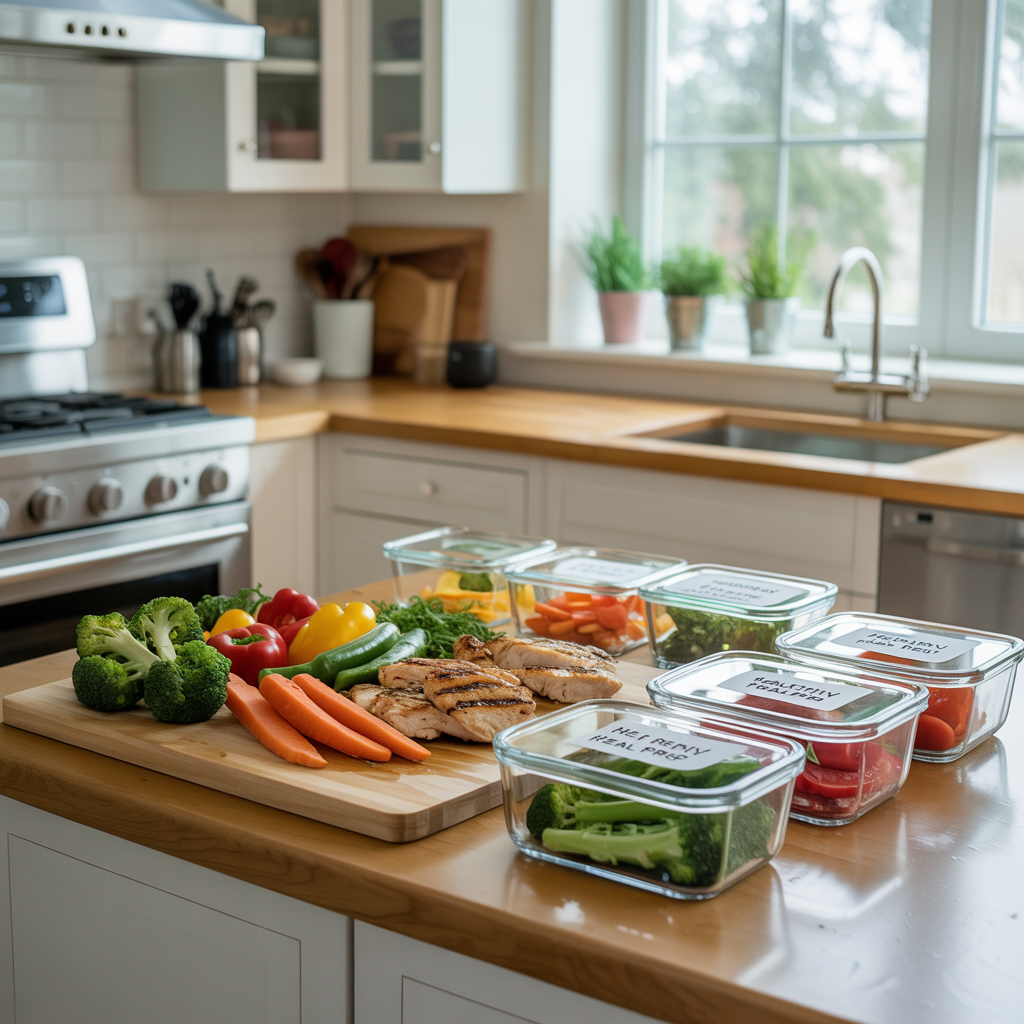
Embarking on your meal prep journey can feel like a significant undertaking, but with a structured approach, it can quickly become a seamless and rewarding part of your weekly routine. The key is to start small and gradually build upon your successes. This section provides a step-by-step guide to help you begin your meal prep practice, drawing upon expert advice to ensure a smooth and successful experience.
Step 1: Make a Plan
Before you even think about stepping into the kitchen, it is crucial to have a clear plan. This initial planning phase will set the foundation for a successful meal prep session. As recommended by the Cleveland Clinic, you should start by asking yourself a few key questions:
- What meals will I prep? Instead of trying to prep every meal for the entire week, start with the one meal you struggle with the most. For many, this is lunch during the workweek.
- How much food do I need? Begin by prepping for just two or three days. This will help you get into the rhythm of meal prepping without feeling overwhelmed.
- What recipes will I make? Choose simple recipes with a limited number of ingredients. You can find inspiration from food blogs, cookbooks, or by simply adapting your favorite meals.
Step 2: Create a Grocery List
Once you have a plan, it is time to create a detailed grocery list. This will help you stay focused at the store and avoid impulse purchases. Your grocery list should be based on the meals you have planned, as well as the staple ingredients for your capsule kitchen. Remember to check your pantry, refrigerator, and freezer before you go to the store to avoid buying items you already have.
Step 3: Schedule Your Prep Time
Consistency is key to making meal prep a sustainable habit. Choose a day and time that you can consistently dedicate to your meal prep session. For many people, Sunday afternoons are ideal, but you should choose whatever works best for your schedule. Treat this time as a non-negotiable appointment with yourself.
Step 4: Prep Your Ingredients
Before you start cooking, take the time to prep all of your ingredients. This includes washing and chopping vegetables, marinating proteins, and measuring out spices. This practice, known as mise en place, will make the cooking process much more efficient and enjoyable.
Step 5: Cook and Assemble Your Meals
With your ingredients prepped, it is time to cook and assemble your meals. To maximize your efficiency, use multiple cooking methods at once. For example, you can have something roasting in the oven, a pot of grains simmering on the stove, and fresh vegetables being chopped on your cutting board. Once your food is cooked, allow it to cool before portioning it into your storage containers.
Step 6: Store Your Meals
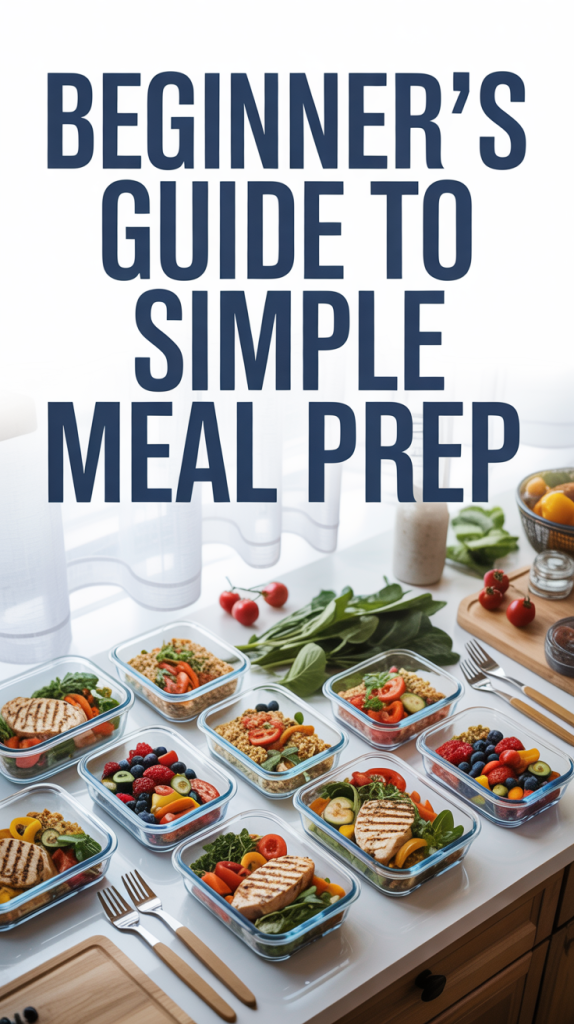
Proper storage is essential for keeping your prepped meals fresh and delicious. Invest in a set of high-quality, airtight containers. Glass containers are a great option as they are durable, microwave-safe, and do not absorb odors or stains. Label your containers with the contents and the date to help you stay organized. Most prepped meals will last for three to four days in the refrigerator. For longer-term storage, you can freeze individual portions.
By following these six steps, you can establish a meal prep routine that is both effective and sustainable. Remember to be patient with yourself and to celebrate your progress along the way. Over time, you will discover what works best for you and will be well on your way to a more simplified and nourished life.
7-Day Sample Meal Plan
This 7-day sample meal plan is designed to be simple, delicious, and easy to prepare. It is based on the principles of clean eating and minimalist meal prep, focusing on whole foods and versatile ingredients. Feel free to adjust the plan to your personal preferences and dietary needs.
| Day | Breakfast | Lunch | Dinner | Snack(s) |
|---|---|---|---|---|
| Monday | Overnight Oats with Berries and Nuts | Quinoa Salad with Roasted Vegetables and Chickpeas | Sheet Pan Lemon Herb Chicken with Broccoli and Carrots | Apple slices with almond butter |
| Tuesday | Greek Yogurt with Honey and Walnuts | Leftover Sheet Pan Lemon Herb Chicken | Lentil Soup | Handful of almonds |
| Wednesday | Smoothie with Spinach, Banana, and Protein Powder | Leftover Lentil Soup | Baked Salmon with Asparagus and Brown Rice | Baby carrots with hummus |
| Thursday | Scrambled Eggs with Avocado and Whole Wheat Toast | Leftover Baked Salmon and Asparagus | Turkey and Black Bean Tacos with Whole Wheat Tortillas | Pear |
| Friday | Overnight Oats with Berries and Nuts | Leftover Turkey and Black Bean Tacos | Veggie Stir-fry with Tofu and Brown Rice | Greek yogurt |
| Saturday | Whole Wheat Pancakes with Fresh Fruit | Large Salad with Grilled Chicken and Vinaigrette | Homemade Pizza on Whole Wheat Crust with Veggies | Popcorn |
| Sunday | Greek Yogurt with Honey and Walnuts | Leftover Homemade Pizza | Batch-prepped meal for the week ahead (e.g., chili) | Any leftover snacks from the week |
Recipes
Here are the simple, adaptable recipes for the meals in the 7-day sample plan. These recipes are designed for easy meal prepping and align with clean eating principles.
Overnight Oats with Berries and Nuts
This is a classic meal prep breakfast that you can customize to your liking. Make a few jars at the beginning of the week for a quick and easy grab-and-go breakfast.
Ingredients (per serving):
- 1/2 cup rolled oats
- 1/2 cup milk of your choice (dairy or non-dairy)
- 1/4 cup Greek yogurt (optional, for extra protein)
- 1 tablespoon chia seeds
- 1 tablespoon maple syrup or honey (optional)
- 1/4 cup mixed berries (fresh or frozen)
- 1 tablespoon chopped nuts (almonds, walnuts, pecans)
Instructions:
- In a jar or container, combine the rolled oats, milk, Greek yogurt (if using), chia seeds, and maple syrup (if using).
- Stir well to combine, then top with the mixed berries and chopped nuts.
- Cover and refrigerate for at least 4 hours, or overnight.
- Enjoy cold in the morning.
Quinoa Salad with Roasted Vegetables and Chickpeas
This versatile salad is perfect for a satisfying and nutrient-packed lunch. You can roast any vegetables you have on hand, making it a great way to use up leftover produce.
Ingredients:
- 1 cup quinoa, rinsed
- 2 cups water or vegetable broth
- 4 cups mixed vegetables, chopped (e.g., bell peppers, zucchini, red onion, sweet potatoes)
- 1 can (15 ounces) chickpeas, rinsed and drained
- 1 tablespoon olive oil
- Salt and pepper to taste
- For the dressing:
- 1/4 cup olive oil
- 2 tablespoons lemon juice
- 1 teaspoon Dijon mustard
- Salt and pepper to taste
Instructions:
- Preheat your oven to 400°F (200°C).
- On a large baking sheet, toss the chopped vegetables and chickpeas with 1 tablespoon of olive oil, salt, and pepper. Roast for 20-25 minutes, or until the vegetables are tender and lightly browned.
- While the vegetables are roasting, cook the quinoa. In a medium saucepan, bring the water or vegetable broth to a boil. Add the quinoa, then reduce the heat to low, cover, and simmer for 15-20 minutes, or until the liquid is absorbed.
- In a small bowl, whisk together the ingredients for the dressing.
- In a large bowl, combine the cooked quinoa, roasted vegetables, and chickpeas. Pour the dressing over the salad and toss to combine.
- Serve warm or cold. This salad will keep in the refrigerator for up to 4 days.
Sheet Pan Lemon Herb Chicken with Broccoli and Carrots
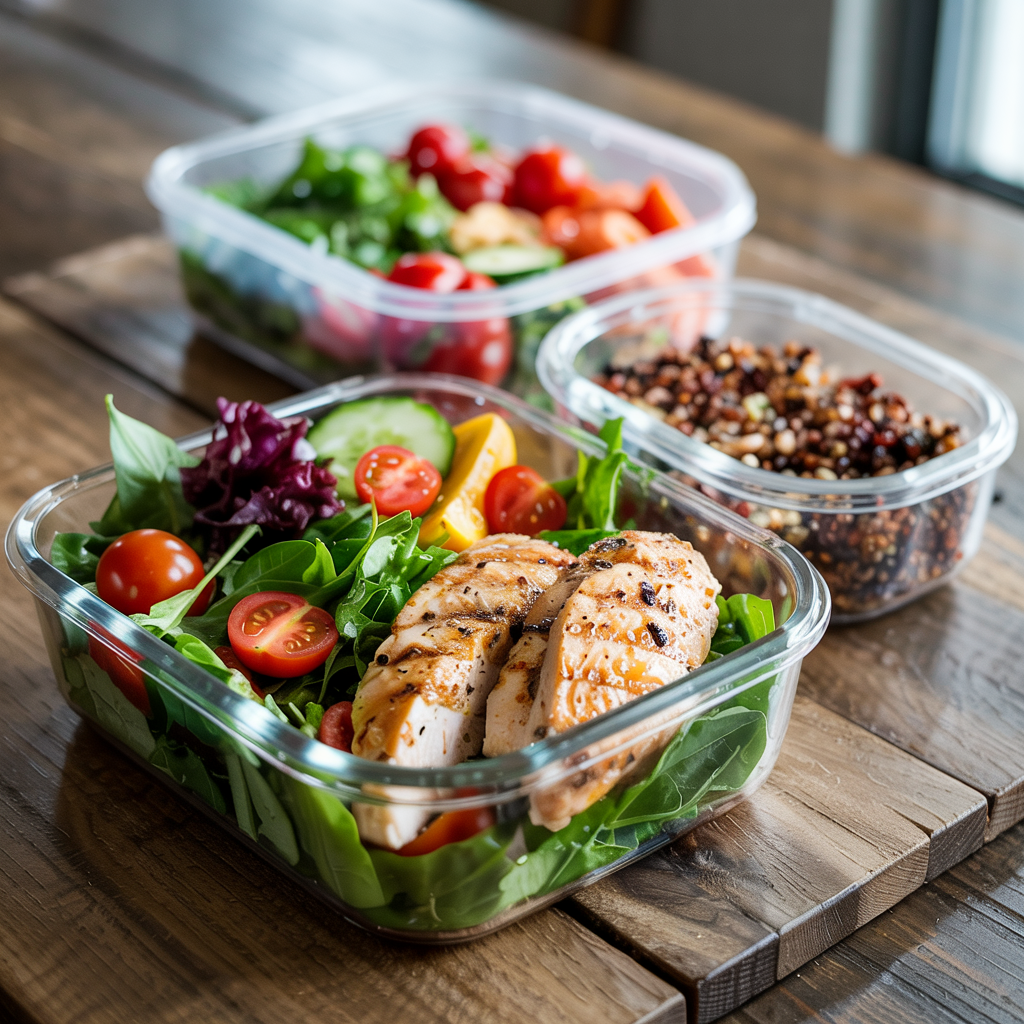
This one-pan meal is a weeknight dinner lifesaver. It is incredibly easy to prepare and the cleanup is a breeze. You can swap out the vegetables for any others you have on hand, such as Brussels sprouts, bell peppers, or asparagus.
Ingredients:
- 4 boneless, skinless chicken breasts
- 4 cups broccoli florets
- 2 cups carrots, sliced
- 2 tablespoons olive oil
- 1 teaspoon dried oregano
- 1 teaspoon dried thyme
- Salt and pepper to taste
- 1 lemon, sliced
Instructions:
- Preheat your oven to 400°F (200°C).
- On a large baking sheet, toss the broccoli and carrots with 1 tablespoon of olive oil, salt, and pepper.
- In a separate bowl, toss the chicken breasts with the remaining 1 tablespoon of olive oil, oregano, thyme, salt, and pepper.
- Arrange the chicken on the baking sheet with the vegetables.
- Top the chicken and vegetables with the lemon slices.
- Bake for 20-25 minutes, or until the chicken is cooked through and the vegetables are tender.
- Serve immediately. Leftovers can be stored in an airtight container in the refrigerator for up to 3 days.
Lentil Soup
This hearty and nutritious soup is perfect for a cozy dinner and makes for great leftovers. It is packed with plant-based protein and fiber, making it a satisfying and healthy meal.
Ingredients:
- 1 tablespoon olive oil
- 1 onion, chopped
- 2 carrots, chopped
- 2 celery stalks, chopped
- 2 cloves garlic, minced
- 1 cup brown or green lentils, rinsed
- 6 cups vegetable broth
- 1 can (14.5 ounces) diced tomatoes, undrained
- 1 teaspoon dried thyme
- Salt and pepper to taste
Instructions:
- In a large pot or Dutch oven, heat the olive oil over medium heat. Add the onion, carrots, and celery and cook until softened, about 5-7 minutes.
- Add the garlic and cook for another minute until fragrant.
- Stir in the lentils, vegetable broth, diced tomatoes, and thyme. Season with salt and pepper.
- Bring the soup to a boil, then reduce the heat to low, cover, and simmer for 45-50 minutes, or until the lentils are tender.
- Serve hot. This soup can be stored in an airtight container in the refrigerator for up to 5 days or frozen for longer storage.
Baked Salmon with Asparagus and Brown Rice
This simple and elegant meal is perfect for a healthy and satisfying dinner. Salmon is a great source of omega-3 fatty acids, and the asparagus provides a dose of essential vitamins and minerals.
Ingredients:
- 2 salmon fillets (6 ounces each)
- 1 bunch asparagus, trimmed
- 1 tablespoon olive oil
- Salt and pepper to taste
- 1 cup cooked brown rice, for serving
Instructions:
- Preheat your oven to 400°F (200°C).
- On a baking sheet, toss the asparagus with olive oil, salt, and pepper.
- Season the salmon fillets with salt and pepper and place them on the baking sheet with the asparagus.
- Bake for 12-15 minutes, or until the salmon is cooked through and the asparagus is tender.
- Serve the salmon and asparagus with a side of brown rice.
Turkey and Black Bean Tacos
These healthy and flavorful tacos are a great way to use up leftover ground turkey. They are quick and easy to make, making them perfect for a weeknight dinner.
Ingredients:
- 1 tablespoon olive oil
- 1 pound ground turkey
- 1 onion, chopped
- 2 cloves garlic, minced
- 1 can (15 ounces) black beans, rinsed and drained
- 1 can (14.5 ounces) diced tomatoes, undrained
- 1 tablespoon chili powder
- 1 teaspoon cumin
- Salt and pepper to taste
- 8 whole wheat tortillas
- Optional toppings: shredded lettuce, diced tomatoes, avocado, salsa, Greek yogurt
Instructions:
- In a large skillet, heat the olive oil over medium-high heat. Add the ground turkey and cook until browned.
- Add the onion and garlic and cook until softened.
- Stir in the black beans, diced tomatoes, chili powder, and cumin. Season with salt and pepper.
- Bring the mixture to a simmer and cook for 5-7 minutes, or until slightly thickened.
- Warm the tortillas according to package directions.
- Serve the turkey and black bean mixture in the warm tortillas with your favorite toppings.
Conclusion: How To Meal Prep For Life
Meal prepping is more than just a method for saving time and eating healthier; it is a powerful tool for cultivating a more intentional, simplified, and fulfilling life. By embracing the principles of clean eating and adopting a minimalist approach to meal planning, you can transform your relationship with food and reclaim your most valuable resources: your time and mental energy. The journey begins with small, manageable steps, and with each successful prep session, you will build the confidence and momentum to make this practice a sustainable part of your lifestyle.
This guide has provided you with a comprehensive roadmap to begin your meal prep journey, from understanding the fundamental concepts to implementing practical, step-by-step strategies. By creating a capsule kitchen, embracing the food uniform concept, and dedicating consistent time to your prep sessions, you will be well-equipped to navigate the demands of a busy life with grace and ease. Remember that the goal is not perfection but progress. Be patient with yourself, celebrate your successes, and enjoy the profound sense of peace and well-being that comes from nourishing your body with wholesome, home-cooked meals.