Smart, Simple Ways to Earn Extra Cash by Referring Friends (Without the Hustle)
Referral programs are an easy, low-effort way to turn everyday recommendations into pocket money while sharing services you actually use. Below is a practical, reader-friendly guide that reimagines how to find, promote, and track credible referral opportunities so you profit without pressuring friends.
1. How referral programs typically work — a quick roadmap
Most referral programs follow a simple pattern: sign up, get a unique invite link or code, share it with someone who might genuinely benefit, and earn a reward when they complete a qualifying action. A practical routine is to identify a service you already use, locate the “Invite” area inside the app, and copy the link. Share it via a friendly message—for example, a quick text explaining how the service helped you—or post a short demo on social media. Track responses in a spreadsheet or notes app so you can follow up politely if a friend has trouble completing the required steps.
2. Small strategies that make referrals more effective
Effective referrals feel helpful rather than salesy. Begin by recommending only services you’ve tried; explain a specific problem they solved for you so your suggestion feels authentic. Craft bite-sized guidance: a one-paragraph note on how to sign up, common pitfalls, and where to find the referral link. Use targeted outreach—message friends who have shown interest in the topic rather than blasting every contact. Consider creating a short video or screenshot tutorial if the sign-up process has steps. Finally, keep a simple log of who you invited and when, so you can remind or assist them if something blocks the referral from being completed.
3. Choosing the right programs to promote from your network’s point of view
Not all referral programs are equal, and the best choices match your audience’s needs. Evaluate programs by relevance, simplicity of the reward process, and customer experience. For example, choose a finance tool to recommend to friends interested in budgeting or an app that simplifies grocery shopping for busy households. Look for transparent terms and easy qualification steps so friends aren’t turned off by fine print. If you run a blog or newsletter, curate a short list of a few trusted programs with honest blurbs on who they suit and why. This saves your contacts time and builds your credibility as a referrer.
4. How investment and money management apps fit into referral plans

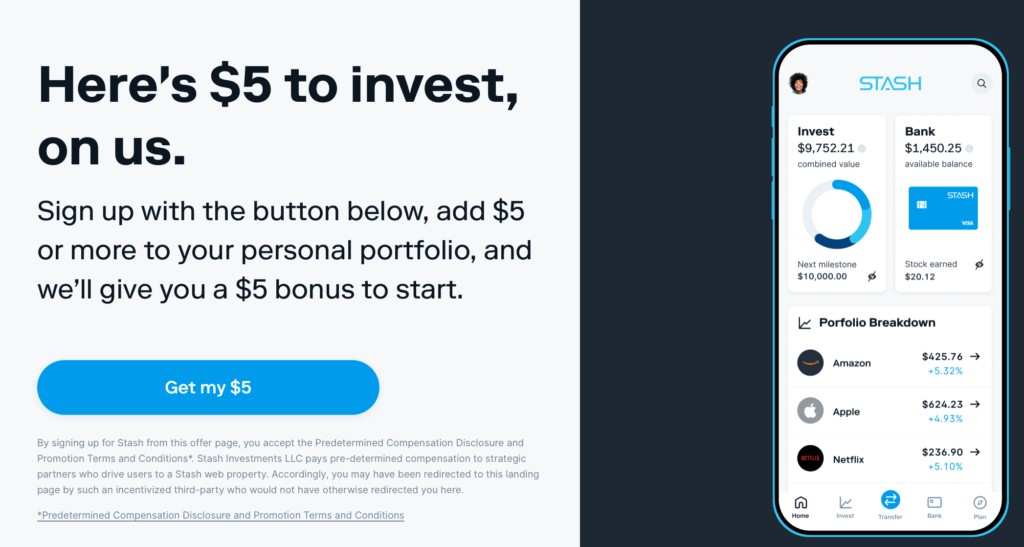
Investment and personal finance apps can be strong referral candidates because many people want simpler ways to manage money. Rather than pushing complex products, describe how an app helped you open a first account, automate savings, or learn the basics. Demonstrate the sign-up flow in a handful of screenshots or a short walkthrough so hesitant friends feel confident clicking your link. If you host a small workshop or casual online chat about personal finance, include a live demonstration of the app and share your referral link afterward—this turns an informative moment into an authentic invitation without pressure.
5. Tactful ways to introduce crypto exchanges and apps to friends
Cryptocurrency platforms have referral programs, but they can feel technical for newcomers. When sharing these apps, focus on education first: explain basics like creating an account, completing identity verification, and how to make a small, informed test transaction. Offer to walk a friend through the setup or share a simple checklist so they won’t worry about missing steps. Emphasize safety practices—using strong passwords and enabling extra account protections. If you share your link in a group interested in digital assets, add a short primer that covers both risks and conveniences so people make informed choices before using your referral.
6. Using cashback and shopping apps as everyday referral options

Cashback and deals apps are easy to recommend because they align with everyday spending. Suggest an app when friends mention shopping or planning a sale purchase: explain briefly how to install, activate a cashback offer, and use coupons. Share a screenshot of where to claim the referral reward so the process looks approachable. If you’re part of local buy-and-sell groups or parenting communities, pin a short guide to using the app for groceries or essentials, and include your link. This contextual sharing encourages sign-ups from people who will actually use the app, increasing the chance you both get the referral reward.
7. Survey and rewards panels: recommend to the right people
Survey sites and reward panels appeal to those seeking flexible, small-income opportunities. When suggesting these platforms, be honest about the time commitment and types of tasks available. Offer concrete examples—such as completing a short survey during a commute or trying an app to earn points while watching promo videos—to set realistic expectations. Share tips on building a profile that matches more surveys and on checking payout thresholds. If you manage an online community, create a pinned post that lists a few vetted survey sites and step-by-step signup help so newcomers can start quickly and avoid common frustrations.
8. How to share gig and service marketplaces with people who might use them
Ride-share, task, and pet-sitting platforms suit friends with flexible schedules or side-gig interest. Recommend these services to people who’ve mentioned wanting extra income or needing convenient services. Give practical guidance: outline the steps to create a provider profile, document typical first-job expectations, and explain how referrals are credited. If you’ve used a platform personally, share a brief story about your first booking or a top tip for getting clients. This practical framing helps friends see the real-world fit and reduces friction for both their first gig and for you to earn a referral reward.
9. Food delivery and grocery apps: sharing winners for convenience
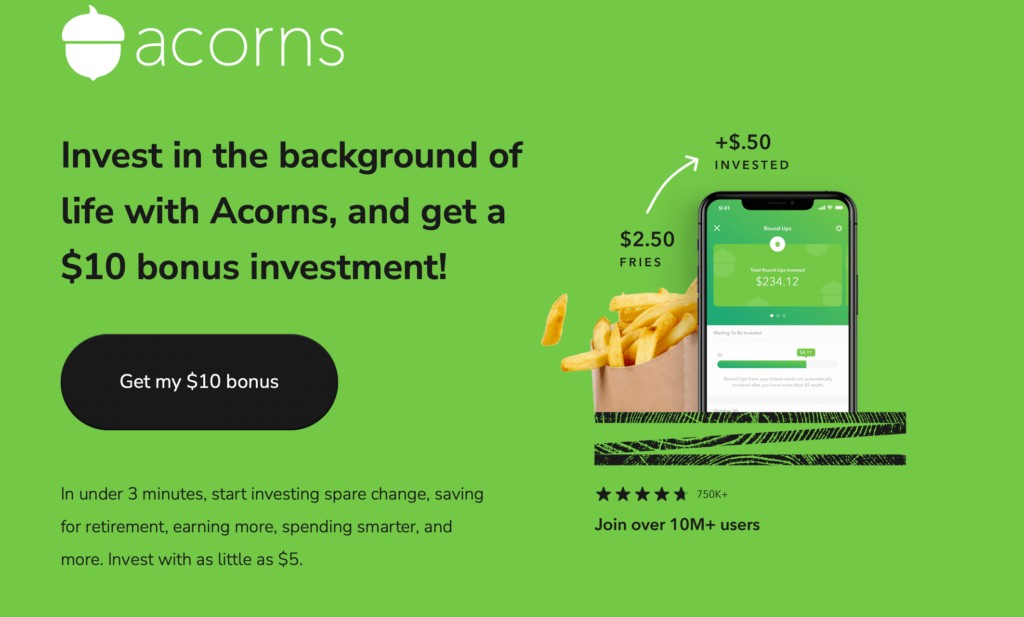
Food delivery and grocery apps are natural referrals when friends talk about busy weeks or meal prep struggles. Mention a specific scenario—like an easy weeknight meal or a contactless grocery run—when you recommend the app, and include a short note on ordering and using promo credits. A screenshot showing where to paste the referral code or how to claim a new-user discount can remove uncertainty. For extra value, pair your recommendation with a quick meal suggestion or list of local restaurants available in the app so recipients get both inspiration and an easy path to try the service.
10. Other useful programs: travel, storage, marketplaces and more
Beyond apps and panels, many platforms you already use—like short-term rental sites, cloud storage, freelance marketplaces, and peer-to-peer car rentals—offer referral rewards. Recommend these to friends who have relevant needs: travelers with flexible plans, creatives looking for freelance gigs, or people who need extra storage. When you introduce a service, include a practical example: how a friend used a marketplace to find a weekend gig, how a host prepared a short-term rental, or how extra storage simplified document sharing. Clear, situation-specific recommendations increase trust and make referrals more likely to convert.
11. Frequently asked questions people actually ask about referring friends
People commonly wonder whether referral codes work across borders, how long rewards take to arrive, and whether they need an account to invite others. A practical approach is to check the program’s help center first and save the relevant policy snippets to share with friends. If a reward doesn’t appear, reach out to customer support on behalf of your friend with polite documentation—screenshots or timestamps—so the issue can be resolved faster. Also clarify that many programs limit who can be referred, so confirm eligibility before sending multiple invites. A calm, informed follow-up often resolves most hiccups.
12. A fair, long-term approach to referring friends
Treat referrals as friends-first recommendations rather than quick sales. Always disclose that you may receive a reward and explain why you think the product fits their needs. Keep track of which services genuinely benefited your contacts and double down on those when sharing in future. Build goodwill by helping new users through setup or by offering tips you found helpful. Over time this ethical, helpful approach preserves relationships and creates repeat referral opportunities because people trust your recommendations—and happy referees are the best source of sustainable rewards.
Referral programs can be a tidy, low-pressure way to earn a little extra while helping people discover useful tools. Focus on relevance, clarity, and helpful follow-through: recommend what you actually use, explain how to get started, and be ready to assist. That combination keeps your suggestions trusted and referral efforts both effective and enjoyable.