Turn Everyday Searches into Side Income: Practical Ways to Earn by Browsing
If you spend time online anyway, you can redirect some of that activity into a modest side income without changing your routine. Below are practical approaches—from swapping your default search engine to signing up for evaluation projects or passive-data apps—so you can decide which mix fits your schedule, comfort level, and privacy standards.
1. Where to Begin: The main options for getting paid to search
There are three broad routes people take to earn from web searching: use a rewards-based search engine that credits you for routine queries; participate in evaluator projects that ask you to judge the quality and relevance of results; or install apps that collect anonymized usage data in the background. Each path has trade-offs: search engines are low-effort but incremental, evaluator roles require attention and may pay per task, and data-collection apps are largely passive but raise privacy considerations. Example: pick one paid search engine for daily use, try a few evaluator tests to see if you enjoy the work, and experiment with a background app on a spare device.
2. Swap your default: Using reward-enabled search engines
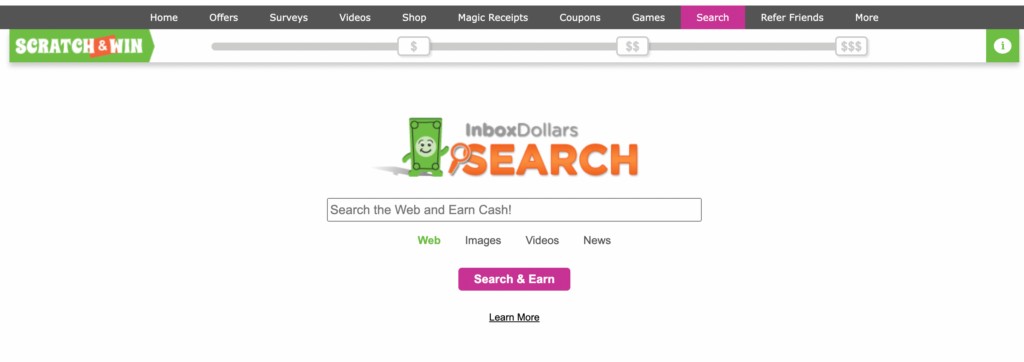
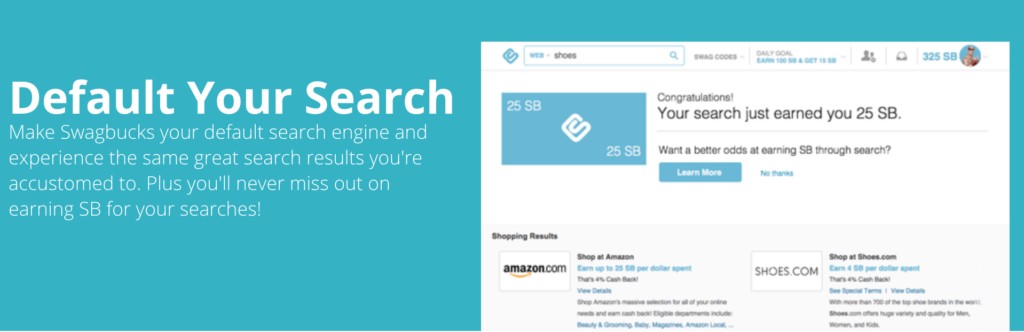
A straightforward method is to switch your browser’s default to a search provider that offers rewards or points for queries. These platforms route regular searches through their engine and convert activity into redeemable credit, gift cards, or small cash payments. To make it practical, set that search as the default on your phone and laptop, and use it for everyday tasks like recipe searches, product lookups, and directions. Look for flexible redemption options and read redemption terms. Example routine: make the rewarded engine your browser home page, check daily bonuses or quizzes some providers offer, and transfer earnings to a gift card or payment account when thresholds are reached.
3. Letting apps run: What passive data-collection tools do and when they work
Some services compensate users for allowing anonymized data collection from their devices—tracking general browsing patterns, app use, or bandwidth. These apps are designed to run quietly in the background, so they’re useful for people who want minimal effort after initial setup. If you try this route, use a dedicated or secondary device to isolate any privacy concerns, check battery and data usage, and review the company’s privacy policy carefully. Example setup: install the app on a spare phone or tablet connected to Wi‑Fi, keep it running overnight or during non-sensitive browsing, and periodically review what types of data are collected to ensure you’re comfortable with the exchange.
4. Doing more involved work: Becoming a search results evaluator

Evaluator roles ask you to analyze search queries and rate the usefulness of results; tasks can include judging relevance, labeling content, or flagging spam. These contracts are typically task-based and require attention to detail and adherence to guidelines. They’re a good fit for people who enjoy critical thinking and want higher pay-per-task than passive methods offer. To get started, sign up with reputable firms that post evaluator openings, complete qualification tests, and build a track record of consistent, high-quality submissions. Example workflow: carve out focused time blocks, follow the provided rubrics carefully, and keep notes on tricky examples to improve speed and accuracy.
5. Boosting what you earn and protecting your privacy
Combine strategies to raise overall income—use a rewards search engine for daily queries, accept evaluator tasks during focused work sessions, and optionally run a passive data app on a spare device. Practical moves: set a small daily goal for searches with the rewards engine, schedule two evaluation sessions per week, and connect a non-primary device to a data-collection app on Wi‑Fi. At the same time, safeguard your information by checking privacy policies, using unique passwords for each service, and avoiding apps that request unnecessary personal details. If any program asks for sensitive documents or upfront fees, treat it as a red flag and step back.
6. Answers to the questions people ask first
How does it work? You either receive rewards for using a particular search engine, get paid per evaluation task, or allow anonymous data collection through an app. How much can you expect? Earnings vary by activity and time invested—Some people treat these methods as pocket change; others combine several streams for a steadier supplement. Which devices work? Most programs support desktop and mobile; a secondary device is useful for passive apps. Can anyone participate? Many programs accept applicants globally but check regional availability. Example: if you want predictable tasks, seek evaluator projects; for effortless income, try a background data app on a spare phone.
7. Making a smart start and next steps
Start small, test a couple of services, and track what fits your habits. Create a simple trial plan: one rewards search engine as your daily default, one evaluator platform for focused work, and one passive app on a spare device. Keep a short log of time invested versus payouts to see which activities are worth continuing. Periodically revisit privacy settings and payment terms, and be prepared to switch services if data usage or reward value changes. Example next step: after a two-week trial, decide whether to scale up a specific method, drop low-return programs, or diversify further.
Earning while you browse can be low-effort or hands-on depending on the route you choose. Try a mix, protect your privacy, and stick with the options that suit your routine and comfort level—over time those small rewards can add up into dependable pocket money.