Print-on-Demand for Beginners: How to Turn Your Designs Into a Reliable Side Income on CafePress
If you enjoy creating graphics, slogans, or simple illustrations, print-on-demand sites like CafePress can turn that creativity into extra income without inventory headaches. Below are practical, original strategies to design with intention, list and price items wisely, overcome the biggest barrier—finding buyers—and build a repeatable process so your side hustle can grow over time.
1. Designs That Work: Simplicity, Adaptability and Product Fit
Start by thinking about how a design will look on multiple product shapes and sizes. Clean, bold graphics or concise phrases often translate well from tees to tote bags and hats; intricate art can be simplified into a strong central motif. Use templates to create consistent mockups and test a few colorways to see what pops. Example: take a single logo and place it on a mug, a baseball cap, and a canvas tote to evaluate contrast and scale. Ask friends for quick feedback or run a low-effort poll on social media to learn which variations feel most appealing before listing them in a shop.
2. How Listings, Royalties and Shops Typically Operate
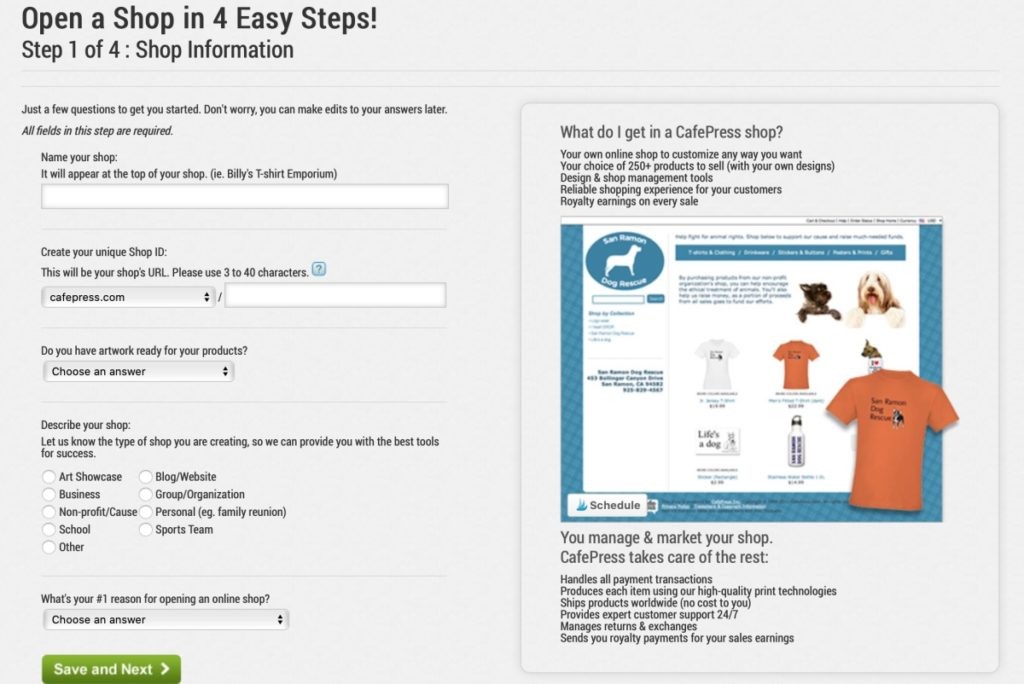
Most print-on-demand marketplaces offer two paths: submit a design to the marketplace so it can be applied across products, or create your own shop where you select items and set a markup. The platform handles production, inventory, and shipping, which frees you to focus on design and promotion. When you set a sale price, you earn the difference above the platform’s base cost; with marketplace listings, you earn royalties when your design is chosen for products. Practical example: upload a versatile seasonal design and list it both in the marketplace and in your shop, then compare which approach generates more visibility and income over a month.
3. Traffic Is the Limiting Factor — How to Address It
Creating attractive listings is only half the job; getting buyers to see them is the other. Organic discovery on a marketplace can bring some sales, but consistent results come from active promotion. Use targeted social posts, niche community sharing, and basic SEO tactics in your product descriptions to increase visibility. Example tactics: post lifestyle photos that show your product in use, partner with a small influencer in your niche for a swap or shoutout, or write a short blog post featuring a themed collection and link to individual listings. Track which channels bring clicks and double down on the most effective ones.
4. A Repeatable Test-and-Scale Routine for Your Side Hustle
Treat your first weeks as an experiment: design several concepts, list them across a few product types, and promote one distribution channel to start. Measure which designs get attention and which convert into sales, then iterate—tweak colorways, change titles or swap product mockups. Reinvest modest earnings into a promoted post or a small ad test for a winning design, and collect customer feedback to refine future releases. Example plan: launch five cohesive designs, run a two-week social push for one design, then use that data to guide your next batch of creations and promotional choices.
Turning creative work into steady side income takes curiosity and persistence. Focus on thoughtful designs, learn how listings and shop options affect earnings, be proactive about driving traffic, and adopt a testing mindset. With small, consistent steps you can discover what resonates and build a shop that supports your creative goals.