Turn Your Phone Into Extra Cash: 10 Practical Ways to Earn, Save, and Grow Money with Apps

Your smartphone can do more than stream and scroll — it can help top up your wallet. Below are ten practical app-based strategies, organized so you can pick the ones that fit your routine, skills, and comfort level. Each section includes simple examples you can try this week.
1. Short tasks, steady payout: survey and reward platforms
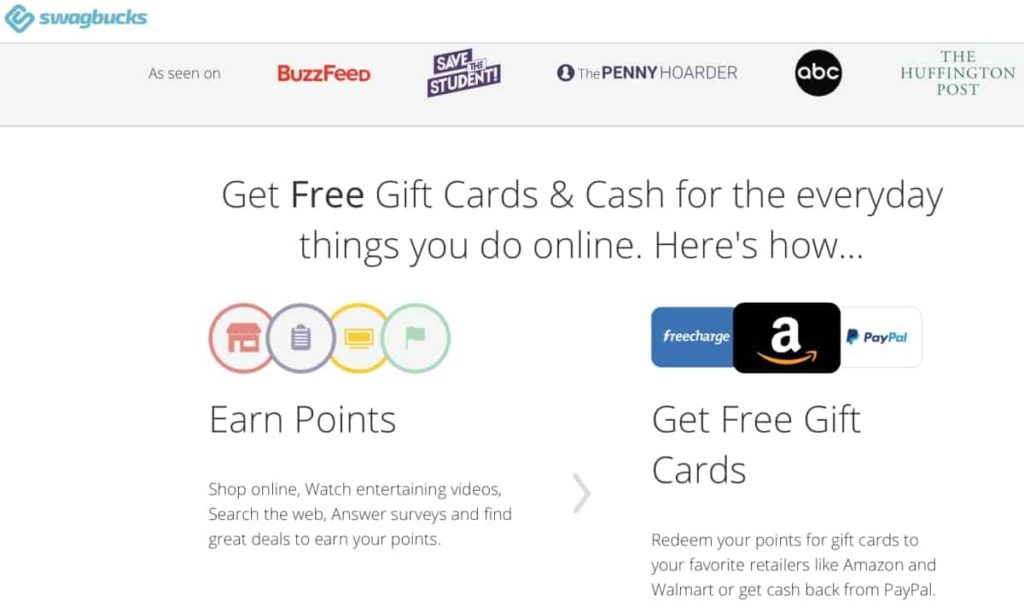
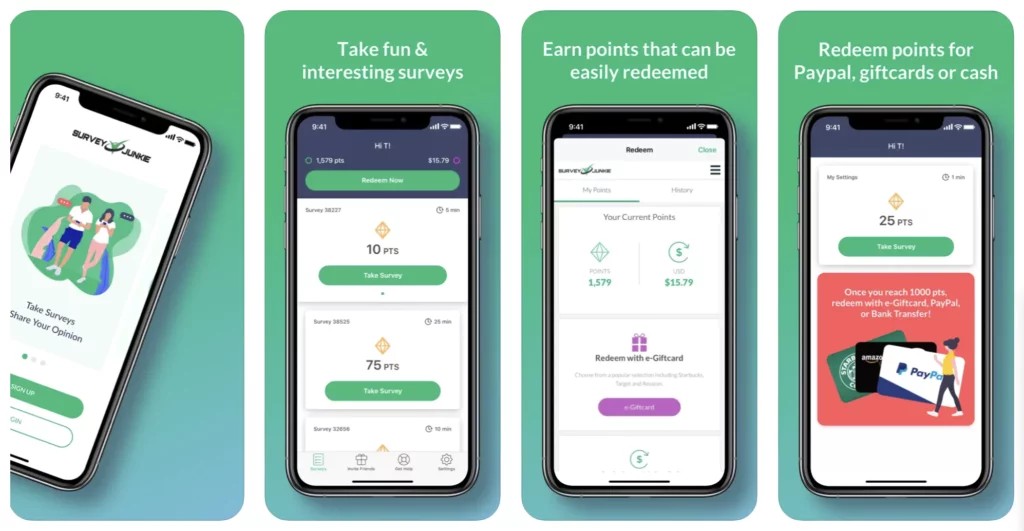
Survey and rewards apps are a classic way to earn in short bursts during idle moments. These platforms match you with brief questionnaires, product feedback, video tasks or search-based rewards. To use them efficiently, focus on completing higher-value surveys listed in the app, fill out profiles carefully so you qualify more often, and cash out when you hit the minimum. Practical example: spend two 15-minute breaks answering targeted surveys, redeem earned points for a gift card, and repeat across two apps for a predictable weekly top-up without disrupting your schedule.
2. Turn routine shopping into cash: cashback and rebate tools
Cashback apps and browser extensions return a slice of your spending and are easiest for shoppers who already buy online or at major retailers. Activate an app before you check out or link your card for automatic rebates, then collect earnings as gift cards or direct payments. To get more value, combine store promotions with seasonal coupons and check the app’s special offers page before big purchases. Practical example: install a cashback extension, compare eligible stores for the same item, and route the purchase through the extension to earn back a percentage of the sale automatically.
3. Earn during store stops: receipt scanning and mystery-shop tasks
If you’re already running errands, receipt-scanning and mystery-shopping apps let you monetize those trips. These tools reward you for uploading purchase receipts, photographing displays, or answering quick in-store surveys about product placement and pricing. To maximize returns, check available tasks for stores on your planned route and group errands around paying tasks. Practical example: before heading to the grocery store, open the app to claim a listing that requires a receipt and a few product photos; finish the task while you shop and submit everything before leaving for a fast payout.
4. Use your wheels and time: delivery and errand gigs

Delivery and local-gig apps let you convert time and transportation into income on your schedule. Options range from grocery shopping and food delivery to helping with moving or furniture assembly; many let you accept jobs that match your location and availability. To increase earnings, target peak hours, accept back-to-back gigs in the same neighborhood, and factor in mileage before committing. Practical example: pick a late-afternoon slot when demand rises, accept short nearby orders, and consolidate trips so you complete multiple deliveries per hour while keeping driving efficient and profitable.
5. Declutter for dollars: sell unwanted items with apps
Selling things you no longer use is fast money and light work: photograph items, list them on a marketplace app, and ship or meet locally. Apps that buy or facilitate resale streamline pricing and offer prepaid labels. To get the best return, clean and photograph items in natural light, include accurate descriptions with measurements, and price competitively by checking similar listings. Practical example: gather a bag of electronics and textbooks, scan barcodes for instant quotes, accept a fair offer for items you won’t miss, and use the proceeds toward a specific financial goal to keep momentum.
6. Set-and-forget income: data-sharing and passive pay apps
Passive pay apps run in the background and compensate users for anonymized data or unused bandwidth. After installation and clear consent, they collect usage patterns or route small amounts of internet traffic to clients who need residential IPs. Because the apps operate quietly, earnings accumulate without daily effort — but review privacy policies and device requirements first. Practical example: install a reputable data-sharing app on a secondary device, monitor its activity for a few weeks, and compare payouts across services; if you’re comfortable with the security terms, keep it active to earn incremental passive rewards.
7. Grow spare change: micro-investing and round-up services
Micro-investing apps round purchases up to the nearest dollar and invest the difference, turning spare change into a regular savings habit. These platforms often allow fractional shares and automated recurring deposits to build a diversified portfolio over time. To make them work for you, link an everyday debit or credit card, set round-ups to a comfortable level, and review fees versus balances — for very small balances, fees can quickly eat returns. Practical example: enable round-ups for daily coffee and grocery purchases, schedule a modest weekly transfer, and check quarterly performance to stay engaged with your growing nest egg.
8. Play for points: gaming apps that offer rewards
Gaming reward apps let you earn points by playing casual mobile games, completing levels, or competing in matches. Rewards typically convert to gift cards or small cash payouts, making these apps a fun way to monetize spare screen time. To avoid overspending, treat paid-entry contests cautiously and practise in free modes before playing cash matches. Practical example: try a rewards-based game that tracks playtime, focus on daily challenges that boost point multipliers, and redeem accumulated points for a gift card you would have bought anyway to stretch your entertainment budget.
9. Move more, earn more: activity and wellness reward apps
Activity apps reward walking, workouts, or health goals with points, entries into prize challenges, or cash incentives. They pair well with existing fitness routines and can add motivation to daily movement. If a program involves wagers or bets on outcomes, budget only what you can afford to lose and verify verification procedures for any prizes. Practical example: sync a step-tracking app with your phone, set a reachable daily goal, and claim rewards for milestones; you’ll earn small payouts while improving your routine without changing your schedule radically.
10. Keep more of what you buy: price tracking and bill-cutting tools
Price-tracking and bill-negotiation apps look for post-purchase price drops, identify coupons, or negotiate recurring bills on your behalf. They can find refunds when retailers lower prices after a purchase and can help cancel or reduce subscriptions you no longer use. Use these tools by linking only the accounts you’re comfortable with and by checking how commissions or fees are charged so savings aren’t offset. Practical example: connect a price-tracking service to recent online orders to monitor drops, and run a bill audit to flag subscriptions for cancellation or a negotiation attempt to lower monthly costs.
Mix and match these app strategies based on how you spend time and where you’re comfortable sharing data. Small, consistent actions — a few surveys, a scanned receipt, a delivery shift, or steady round-ups — add up. Start with one or two approaches, track what works, and scale gradually to build reliable extra income without disrupting your life.
