10 Clean Eating Rules That Actually Make Sense
In an era saturated with wellness trends and dietary fads, “clean eating” has emerged as a popular but often misunderstood concept. While the term lacks a formal definition, it generally promotes a diet rich in whole, unprocessed foods. However, the movement has also been associated with extreme restrictions and a fear of certain food groups, leading to confusion and, in some cases, unhealthy eating patterns. This article provides 10 evidence-based clean eating rules that are sensible, sustainable, and grounded in nutritional science.
If you’ve ever tried to ‘eat clean’ and ended up confused about what counts as clean, you’re not alone. Between fad diets, ingredient lists longer than your grocery receipt, and endless TikTok advice, clean eating can sound more complicated than it really is. Let’s simplify it with 10 rules that actually make sense, no guilt, no extremes, just real food made simple.”
1. Prioritize Whole Foods
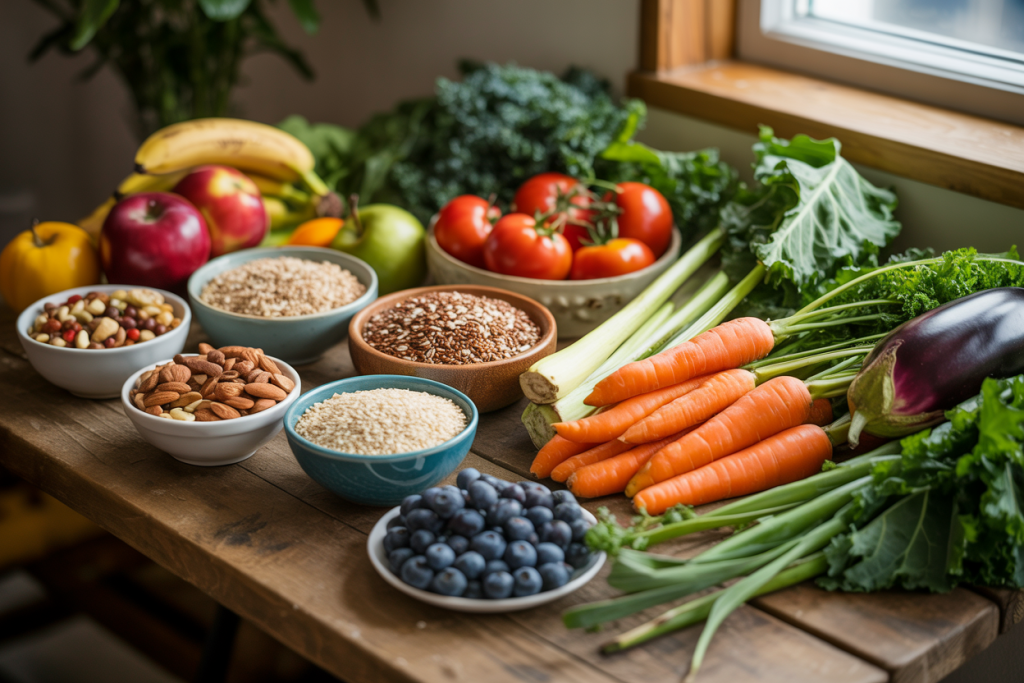
The cornerstone of a healthy diet is the consumption of whole foods—foods that are as close to their natural state as possible. This includes an abundance of fruits, vegetables, whole grains, legumes, nuts, and seeds. A diet rich in these foods provides essential vitamins, minerals, fiber, and antioxidants that are vital for optimal health. As noted by Harvard Health Publishing, the foundation of clean eating is “choosing whole foods and foods in their less processed states”.
2. Read and Understand Food Labels
Navigating the grocery store can be challenging, but food labels are a powerful tool for making informed choices. When selecting packaged foods, opt for those with shorter, recognizable ingredient lists. Pay close attention to the Nutrition Facts panel to understand the serving size and the amounts of added sugars, sodium, and saturated fats. This practice helps you choose more nutrient-dense options and avoid excessive consumption of unhealthy additives.
3. Limit Added Sugars
Excessive sugar consumption is linked to a host of health problems, including obesity, type 2 diabetes, and heart disease. The Centers for Disease Control and Prevention (CDC) recommends limiting added sugars to less than 10% of your total daily calories. A simple yet effective strategy is to replace sugar-sweetened beverages like soda and fruit juices with water, unsweetened tea, or sparkling water. When choosing packaged foods, be mindful of hidden sugars in sauces, dressings, and even seemingly healthy products like yogurt and granola bars.
4. Choose High-Quality Proteins
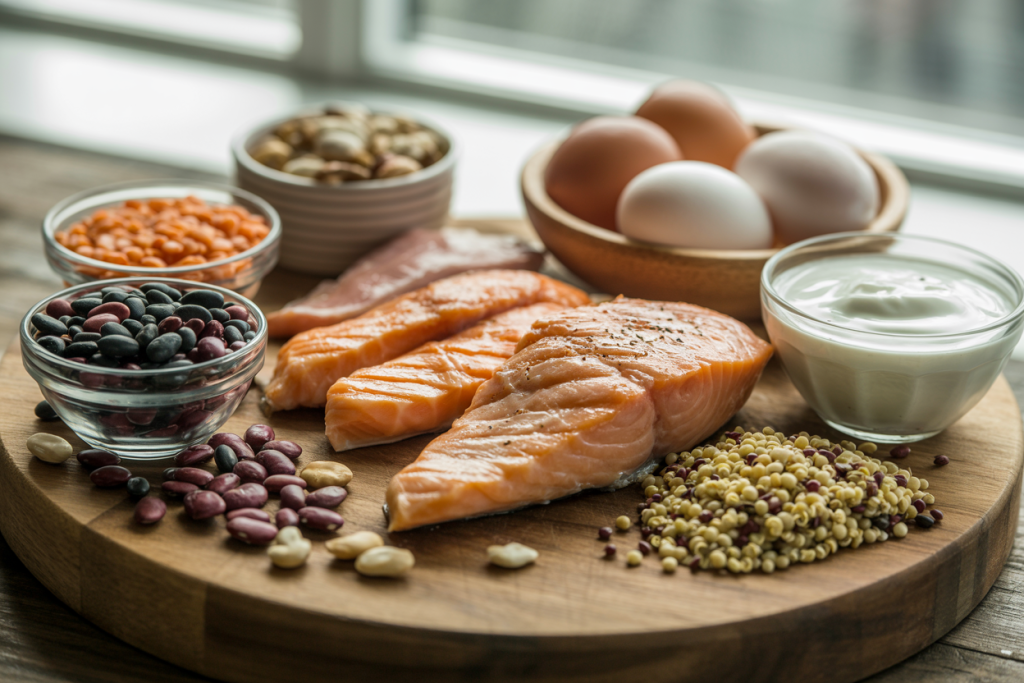
Protein is essential for building and repairing tissues, and making enzymes and hormones. Incorporate a variety of lean protein sources into your diet, such as poultry, fish, beans, lentils, and tofu. It is advisable to limit the consumption of processed meats like hot dogs, bacon, and deli meats, which have been linked to an increased risk of chronic diseases. A balanced intake of both plant-based and animal-based proteins can contribute to a well-rounded diet.
5. Embrace Healthy Fats
Fats are a crucial component of a healthy diet, providing energy and supporting cell growth. Focus on incorporating unsaturated fats from sources like avocados, nuts, seeds, and olive oil. These fats can help reduce bad cholesterol levels and lower your risk of heart disease. Conversely, it is important to limit saturated and trans fats, which are often found in fried foods, baked goods, and processed snacks.
6. Stay Adequately Hydrated
Water is essential for nearly every bodily function, from regulating temperature to lubricating joints. The National Academies of Sciences, Engineering, and Medicine recommend a daily fluid intake of about 15.5 cups (3.7 liters) for men and 11.5 cups (2.7 liters) for women, which can come from water, other beverages, and food. Make water your primary beverage of choice to stay hydrated without consuming unnecessary calories and sugars.
7. Practice Mindful Eating and Portion Control
In our fast-paced world, it’s easy to eat distractedly and overconsume. Mindful eating involves paying full attention to the experience of eating and listening to your body’s hunger and fullness cues. Simple practices like eating slowly, savoring each bite, and eliminating distractions like phones and television can enhance your enjoyment of food and help prevent overeating. Using smaller plates and being aware of serving sizes can also aid in portion control.
8. Don’t Fear All Processed Foods
While the emphasis of clean eating is on whole foods, not all processed foods are created equal. Minimally processed foods like canned beans, frozen vegetables, and pasteurized dairy can be convenient and nutritious additions to your diet. The key is to distinguish between these and ultra-processed foods, which are typically high in unhealthy fats, sugar, and sodium. As research from Harvard has shown, some ultra-processed foods like whole-grain bread and cereals can be part of a healthy diet.
9. Plan and Prepare Meals
Cooking at home gives you complete control over the ingredients in your meals. Planning your meals for the week and preparing ingredients in advance can save time and make it easier to stick to your healthy eating goals. Having healthy, home-cooked meals readily available reduces the temptation to opt for less nutritious takeout or convenience foods.
10. Listen to Your Body and Avoid Extremes
Perhaps the most important rule of clean eating is to adopt a balanced and flexible approach. Rigidly excluding entire food groups without a medical reason can lead to nutrient deficiencies and an unhealthy relationship with food. It’s crucial to be aware of the potential for clean eating to morph into orthorexia, an obsession with healthy eating that can have serious physical and psychological consequences [3]. A healthy diet should nourish your body and enhance your life, not create anxiety and restriction.
This 7-day clean eating meal plan is designed to be a practical and delicious guide to help you incorporate the 10 clean eating rules into your daily life. It emphasizes whole, unprocessed foods, balanced nutrition, and mindful eating. The recipes are simple, and many can be prepared in advance to save time.
Guiding Principles for the Week
- Hydration: Aim to drink 8-10 glasses of water throughout the day.
- Mindful Eating: Take your time with each meal, savor the flavors, and listen to your body’s hunger and fullness cues.
- Flexibility: This meal plan is a guide, not a strict regimen. Feel free to swap meals, substitute ingredients based on your preferences and what’s in season, and adjust portion sizes to your energy needs.
- Snacks: The snacks are optional and can be adjusted based on your hunger levels. The focus is on whole food options.
7-Day Clean Eating Meal Plan
| Day | Breakfast | Lunch | Dinner | Snack (Optional) |
|---|---|---|---|---|
| Monday | Overnight Oats: 1/2 cup rolled oats, 1 tbsp chia seeds, 1 cup unsweetened almond milk, 1/2 banana (mashed), cinnamon. | Quinoa Salad: 1 cup cooked quinoa, 1/2 cup chickpeas, cucumber, tomatoes, bell peppers, lemon-tahini dressing. | Sheet-Pan Salmon & Veggies: 6 oz salmon fillet, 1 cup broccoli, 1 cup sweet potato chunks, roasted with olive oil, salt, and pepper. | Apple slices with 2 tbsp almond butter |
| Tuesday | Scrambled Eggs: 2 large eggs scrambled with spinach and a side of 1/2 avocado. | Leftover Salmon & Veggies | Lentil Soup: 1.5 cups lentil soup with a side of whole-grain bread. | Handful of mixed nuts and seeds |
| Wednesday | Greek Yogurt Parfait: 1 cup plain Greek yogurt, 1/2 cup mixed berries, 1 tbsp chopped walnuts. | Leftover Lentil Soup | Chicken Stir-fry: 4 oz chicken breast, broccoli, snap peas, carrots, and a light soy-ginger sauce, served with brown rice. | Baby carrots with 1/4 cup hummus |
| Thursday | Smoothie: 1 cup spinach, 1/2 banana, 1/2 cup berries, 1 tbsp almond butter, 1 cup unsweetened almond milk. | Leftover Chicken Stir-fry | Black Bean Burgers: 1-2 black bean burgers on a whole-wheat bun with lettuce, tomato, and onion. | A pear and a small handful of almonds |
| Friday | Overnight Oats | Leftover Black Bean Burgers | Shrimp Scampi with Zucchini Noodles: Shrimp sautéed with garlic, lemon, and herbs, served over zucchini noodles. | A small bowl of mixed berries |
| Saturday | Pancakes: 2 whole-wheat pancakes with fresh berries and a drizzle of maple syrup. | Large Green Salad: Mixed greens with grilled chicken, various vegetables, and a light vinaigrette. | Homemade Pizza: Whole-wheat pizza crust with tomato sauce, lots of veggies, and a sprinkle of cheese. | A handful of trail mix (nuts, seeds, dried fruit) |
| Sunday | Scrambled Eggs | Leftover Pizza | Roast Chicken & Vegetables: Roasted chicken breast with a medley of roasted root vegetables (carrots, potatoes, onions). | A small container of Greek yogurt |
Simple Recipes & Preparation Tips
Overnight Oats
- Ingredients: 1/2 cup rolled oats, 1 tbsp chia seeds, 1 cup unsweetened almond milk, 1/2 banana (mashed), a dash of cinnamon.
- Instructions: Combine all ingredients in a jar or container, stir well, and refrigerate overnight. In the morning, top with fresh fruit or nuts.
Quinoa Salad
- Ingredients: 1 cup cooked quinoa, 1/2 cup chickpeas, chopped cucumber, tomatoes, and bell peppers.
- Dressing: 2 tbsp tahini, 1 tbsp lemon juice, 1-2 tbsp water, salt, and pepper to taste.
- Instructions: Combine salad ingredients. Whisk dressing ingredients together and pour over the salad.
Sheet-Pan Salmon & Veggies
- Ingredients: 6 oz salmon fillet, 1 cup broccoli florets, 1 cup sweet potato chunks, 1 tbsp olive oil, salt, and pepper.
- Instructions: Toss vegetables with olive oil, salt, and pepper. Spread on a baking sheet and roast at 400°F (200°C) for 10 minutes. Add the salmon to the pan and roast for another 12-15 minutes, or until the salmon is cooked through.
Lentil Soup
- Ingredients: 1 tbsp olive oil, 1 onion (chopped), 2 carrots (chopped), 2 celery stalks (chopped), 1 cup brown or green lentils (rinsed), 4 cups vegetable broth, 1 tsp cumin, 1/2 tsp turmeric, salt, and pepper.
- Instructions: In a large pot, sauté the onion, carrots, and celery in olive oil until softened. Add the lentils, vegetable broth, and spices. Bring to a boil, then reduce heat and simmer for 25-30 minutes, or until the lentils are tender.
Black Bean Burgers
- Ingredients: 1 can (15 oz) black beans (rinsed and mashed), 1/2 cup breadcrumbs, 1/4 cup chopped onion, 1 tsp cumin, 1/2 tsp chili powder, salt, and pepper.
- Instructions: Combine all ingredients in a bowl and mix well. Form into patties. Cook on a lightly oiled pan over medium heat for 3-4 minutes per side.
This meal plan provides a framework for a week of clean eating. Remember to listen to your body, enjoy your food, and make choices that support your overall health and well-being.
Dietary Substitutions Guide for the Clean Eating Meal Plan
This comprehensive guide provides alternative ingredients for common allergies and dietary restrictions, ensuring that the 7-day clean eating meal plan can be adapted to meet your individual needs. All substitutions maintain the nutritional integrity and clean eating principles of the original plan.
Common Dietary Restrictions & Allergies
Dairy-Free Alternatives
Many people avoid dairy due to lactose intolerance, milk allergies, or personal dietary choices. Fortunately, there are numerous plant-based alternatives that provide similar nutritional benefits when fortified appropriately.
Greek Yogurt Substitutions:
The meal plan includes Greek yogurt in several recipes. For a dairy-free alternative, consider using unsweetened coconut yogurt, almond milk yogurt, or soy yogurt. Soy yogurt typically provides the highest protein content among plant-based options, making it the closest nutritional match to Greek yogurt. When selecting a dairy-free yogurt, choose varieties that are fortified with calcium and vitamin D, and check that they contain live active cultures for probiotic benefits.
Cheese Substitutions:
The Saturday homemade pizza calls for a sprinkle of cheese. Dairy-free cheese alternatives made from cashews, almonds, or coconut oil can be used. Nutritional yeast is another excellent option that provides a cheesy flavor while adding B vitamins and protein. For those who tolerate small amounts of dairy, aged cheeses like Parmesan often contain less lactose than fresh cheeses.
Milk Substitutions:
The meal plan uses unsweetened almond milk in smoothies and overnight oats. Other suitable alternatives include oat milk (which has a creamy texture), soy milk (highest in protein), coconut milk, cashew milk, or rice milk. When choosing plant-based milk, select unsweetened varieties fortified with calcium and vitamin D to match the nutritional profile of dairy milk.
Gluten-Free Alternatives
Individuals with celiac disease or gluten sensitivity must avoid wheat, barley, and rye. The meal plan can be easily adapted with these substitutions.
Oats:
While oats are naturally gluten-free, they are often processed in facilities that handle wheat, leading to cross-contamination. Always choose certified gluten-free oats for the overnight oats recipe if you have celiac disease or severe gluten sensitivity.
Bread and Buns:
The meal plan includes whole-wheat bread with lentil soup and whole-wheat buns for black bean burgers. Substitute with gluten-free bread made from rice flour, almond flour, or a blend of gluten-free grains. Many commercial gluten-free breads are available, or you can make your own using gluten-free flour blends.
Quinoa:
Quinoa is naturally gluten-free and already featured in the meal plan, making it an excellent grain choice for those avoiding gluten.
Pizza Crust:
For the Saturday pizza, use a gluten-free pizza crust made from cauliflower, almond flour, or a gluten-free flour blend. Pre-made gluten-free crusts are widely available, or you can create a simple crust using chickpea flour or a combination of rice flour and tapioca starch.
Breadcrumbs:
The black bean burger recipe calls for breadcrumbs as a binder. Substitute with gluten-free breadcrumbs, crushed gluten-free crackers, or ground oats (certified gluten-free). Alternatively, use ground flaxseed or chia seeds mixed with a small amount of water to help bind the burgers.
Egg-Free Alternatives
Eggs are a common allergen, and many people also avoid them for vegan dietary reasons. The meal plan includes scrambled eggs on Tuesday and Sunday mornings.
Breakfast Substitutions:
Replace scrambled eggs with a tofu scramble. Crumble firm tofu and sauté it with turmeric (for color), nutritional yeast (for a savory flavor), and your choice of vegetables like spinach, tomatoes, and mushrooms. Season with salt, pepper, and garlic powder. This provides a protein-rich, satisfying breakfast that mimics the texture and appearance of scrambled eggs.
Baking and Binding:
If you need to substitute eggs in baking or binding applications (such as the black bean burgers), use one of the following per egg: 1 tablespoon ground flaxseed mixed with 3 tablespoons water (let sit for 5 minutes to thicken), 1 tablespoon ground chia seeds mixed with 3 tablespoons water, 1/4 cup unsweetened applesauce, 1/4 cup mashed banana, or 3 tablespoons aquafaba (the liquid from a can of chickpeas).
Nut-Free Alternatives
Tree nut allergies are among the most common food allergies and can be severe. The meal plan includes almonds, walnuts, and almond butter.
Nut Butter Substitutions:
Replace almond butter with sunflower seed butter or tahini (sesame seed paste). Both provide healthy fats and protein. Sunflower seed butter has a mild, slightly sweet flavor that works well in smoothies and as a spread. Tahini has a more savory, earthy taste and is excellent in dressings and sauces.
Whole Nuts Substitutions:
Instead of almonds and walnuts, use sunflower seeds, pumpkin seeds (pepitas), or hemp seeds. These seeds provide similar nutritional benefits, including healthy fats, protein, fiber, and minerals like magnesium and zinc.
Almond Milk Substitutions:
Replace almond milk with oat milk, soy milk, rice milk, or coconut milk. Oat milk is a popular choice due to its creamy texture and naturally sweet flavor.
Vegetarian Adaptations
The meal plan includes salmon, chicken, and shrimp. For vegetarians who consume eggs and dairy, these can be easily substituted.
Salmon Substitutions:
Replace the sheet-pan salmon with a plant-based protein such as baked tofu, tempeh, or a portobello mushroom cap. Marinate tofu or tempeh in a mixture of soy sauce, lemon juice, and herbs before baking. Portobello mushrooms can be brushed with olive oil and roasted alongside the vegetables.
Chicken Substitutions:
In the chicken stir-fry and roast chicken dishes, substitute with extra-firm tofu, tempeh, seitan (wheat-based protein), or chickpeas. Tofu and tempeh should be pressed to remove excess moisture and then marinated for maximum flavor. Chickpeas can be roasted with spices for a crispy, protein-rich addition.
Shrimp Substitutions:
For the shrimp scampi with zucchini noodles, use white beans, chickpeas, or cubed tofu. These will absorb the garlic, lemon, and herb flavors beautifully.
Vegan Adaptations
For those following a fully plant-based diet, the meal plan requires several modifications to eliminate all animal products.
Complete Protein Sources:
Ensure adequate protein intake by incorporating a variety of plant-based proteins throughout the day. Excellent vegan protein sources include lentils, chickpeas, black beans, tofu, tempeh, edamame, quinoa, hemp seeds, chia seeds, and pumpkin seeds. Combining different plant proteins throughout the day ensures you receive all essential amino acids.
Omega-3 Fatty Acids:
Since the meal plan includes salmon (a rich source of omega-3s), vegans should incorporate alternative sources such as ground flaxseeds, chia seeds, hemp seeds, and walnuts. Consider adding a tablespoon of ground flaxseed to your morning smoothie or overnight oats.
Vitamin B12:
Vitamin B12 is primarily found in animal products, so vegans should consume fortified foods (such as plant-based milk, nutritional yeast, and breakfast cereals) or take a B12 supplement.
Iron Absorption:
Plant-based iron (non-heme iron) is less readily absorbed than iron from animal sources. Enhance absorption by consuming iron-rich foods (lentils, beans, spinach, quinoa) alongside vitamin C-rich foods (citrus fruits, bell peppers, tomatoes, strawberries).
Meal-by-Meal Substitution Summary
Monday Breakfast: Overnight Oats
- Dairy-free: Use any plant-based milk
- Gluten-free: Use certified gluten-free oats
- Nut-free: Use oat milk or soy milk instead of almond milk
Monday Lunch: Quinoa Salad
- Nut-free: Replace tahini dressing with a lemon-olive oil vinaigrette
- Already vegan and gluten-free
Monday Dinner: Sheet-Pan Salmon & Veggies
- Vegetarian/Vegan: Replace salmon with marinated tofu, tempeh, or portobello mushroom
Monday Snack: Apple with Almond Butter
- Nut-free: Use sunflower seed butter or tahini
Tuesday Breakfast: Scrambled Eggs
- Egg-free/Vegan: Make a tofu scramble with turmeric and nutritional yeast
- Dairy-free: Avocado is already dairy-free
Tuesday Dinner: Lentil Soup
- Already vegan, gluten-free, and nut-free
Tuesday Snack: Mixed Nuts and Seeds
- Nut-free: Use only seeds (sunflower, pumpkin, hemp)
Wednesday Breakfast: Greek Yogurt Parfait
- Dairy-free/Vegan: Use coconut yogurt or soy yogurt
- Nut-free: Replace walnuts with sunflower seeds or pumpkin seeds
Wednesday Dinner: Chicken Stir-fry
- Vegetarian/Vegan: Replace chicken with tofu, tempeh, or chickpeas
- Gluten-free: Use tamari instead of soy sauce
Wednesday Snack: Carrots with Hummus
- Already vegan, gluten-free, and nut-free
Thursday Breakfast: Smoothie
- Dairy-free: Use any plant-based milk
- Nut-free: Replace almond butter with sunflower seed butter; use oat milk
Thursday Dinner: Black Bean Burgers
- Gluten-free: Use gluten-free breadcrumbs or ground flaxseed; serve on gluten-free buns
- Egg-free: Use flax egg (1 tbsp ground flaxseed + 3 tbsp water)
- Already vegetarian; vegan if using flax egg
Friday Dinner: Shrimp Scampi with Zucchini Noodles
- Vegetarian/Vegan: Replace shrimp with white beans or chickpeas
- Already gluten-free and nut-free
Saturday Breakfast: Whole-Wheat Pancakes
- Gluten-free: Use gluten-free flour blend or oat flour
- Egg-free: Use flax eggs or commercial egg replacer
- Dairy-free: Use plant-based milk
Saturday Lunch: Green Salad with Grilled Chicken
- Vegetarian/Vegan: Replace chicken with chickpeas, lentils, or marinated tofu
Saturday Dinner: Homemade Pizza
- Gluten-free: Use gluten-free pizza crust
- Dairy-free/Vegan: Use dairy-free cheese or nutritional yeast
- Vegetarian: Already vegetarian with veggie toppings
Sunday Dinner: Roast Chicken & Vegetables
- Vegetarian/Vegan: Replace chicken with roasted chickpeas, lentil loaf, or stuffed portobello mushrooms
Additional Tips for Successful Substitutions
Read Labels Carefully: When purchasing packaged alternatives, always read ingredient labels to ensure they align with clean eating principles. Look for products with short ingredient lists and minimal additives.
Fortification Matters: When replacing dairy products, choose fortified alternatives to ensure adequate intake of calcium, vitamin D, and vitamin B12.
Protein Variety: If following a vegetarian or vegan diet, consume a wide variety of plant-based proteins throughout the day to ensure you receive all essential amino acids.
Experiment and Adjust: Not all substitutions will work perfectly in every recipe. Be prepared to experiment and adjust seasonings, cooking times, and proportions to achieve the best results.
Consult a Healthcare Professional: If you have multiple food allergies or severe dietary restrictions, consider consulting with a registered dietitian to ensure your meal plan meets all your nutritional needs.
By using these substitutions, the 7-day clean eating meal plan can be adapted to accommodate virtually any dietary restriction or allergy while maintaining its focus on whole, nutritious foods and balanced nutrition.
The Dark Side of Clean Eating
While the principles of clean eating can promote a healthy lifestyle, the trend has a potential dark side. The rise of social media has amplified the pressure to adhere to strict and often unrealistic dietary standards. The term “clean” can imply that other foods are “dirty,” fostering a sense of guilt and anxiety around food choices. Research from the Harvard T.H. Chan School of Public Health has highlighted the link between high Instagram use and a greater tendency toward orthorexia. It is essential to approach clean eating with a critical mindset and prioritize overall well-being over dietary perfection.
Conclusion
Clean eating, when approached with a sensible and evidence-based mindset, can be a powerful tool for improving your health and well-being. By focusing on whole foods, limiting processed items, and practicing mindful eating, you can create a sustainable and enjoyable dietary pattern. Remember that the goal is not to be perfect, but to make consistent, healthy choices that nourish your body and support a vibrant life.