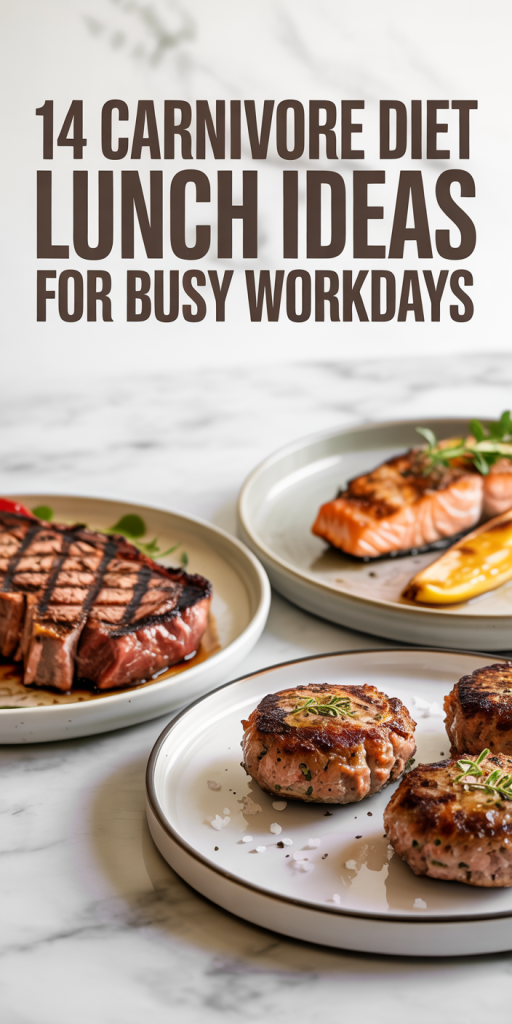
14 Carnivore Diet Lunch Ideas For Busy Workdays
I know how hard it is to stay on a focused eating plan when work gets busy, meetings stack up, and the office fridge becomes a land of mystery. That’s why I put together these 14 Carnivore Diet lunch ideas for busy workdays, practical, tasty, and built to travel. Whether you’re new to carnivore or you’ve been eating this way for a while, my goal is to help you simplify lunch so you can maintain consistency, control hunger, and keep productivity high. I’ll cover meal-prep and packing tips, reheating and safety, a ready-to-go 5-day plan, portion guidance, and ways to handle workplace realities like smells and social lunches.
Why The Carnivore Lunch Works For Busy Schedules
One of the strengths of the carnivore approach is its simplicity. A typical carnivore lunch is protein- and fat-forward, which means it’s filling, low in preparation complexity, and often portable. For busy schedules, those qualities translate into fewer decision points at midday, longer-lasting satiety, and less need for frequent snacking.
We find that carnivore lunches reduce blood sugar swings because they’re low in carbs and moderate to high in fat, this means more steady energy through that 2–4 pm slump. High-protein meals also support cognitive performance: amino acids matter for neurotransmitter production. Practically speaking, many carnivore components (steak, chicken thighs, canned fish, jerky) store well and reheat quickly, making them ideal for short lunch breaks or back-to-back meetings.
Finally, the carnivore lunch is flexible. You can scale portions up or down depending on activity level, skip side dishes without losing satisfaction, and rotate items to keep things interesting. That variety plus straightforward prep is why the carnivore lunch works so well for busy workers.
Meal-Prep And Packing Tips For Workday Lunches
Good meal prep reduces friction. Below are practical packing and prep habits we rely on to keep lunches easy and safe.
Choose The Right Containers And Insulation
Invest in 2–3 sturdy containers: one insulated lunch bag, one leakproof airtight container for fats and sauces, and one shallow container for solid meats. Stainless steel bento-style boxes are great, they’re durable, neutral-smelling, and often oven-safe. For hot foods, a thermos-style container keeps temperatures stable for hours. We also recommend silicone or metal ice packs rather than water-based ones: they don’t leak if punctured.
Reheating, Food Safety, And Storage Tips
Food safety is non-negotiable. Keep cold foods at or below 40°F and hot foods above 140°F. If your workplace has a microwave, reheat to at least 165°F (use a food thermometer if you’re precise). For foods like cooked steak or rotisserie chicken, cool them quickly after cooking (within two hours) and store in the fridge. Consume prepared lunches within 3–4 days for best safety and quality. If you’re packing raw ingredients to cook at work (rare but possible with a workstation that has a burner), follow normal raw-meat handling protocols.
Time-Saving Prep Strategies (Batch Cooking, Leftovers)
We rely heavily on batch cooking. Roast multiple chicken thighs or a tri-tip on Sunday: portion into lunches: and use different dressings or fats through the week to prevent monotony. Make a big pot of meatballs or hamburger patties and freeze single portions, thaw overnight in the fridge. Leftovers from dinner often become the quickest carnivore lunch: a steak from last night or the crispy skin of roasted chicken with a side of drippings is perfect. Another timesaver: portion out hard-boiled eggs or make liver pâté in bulk and store in small jars for grab-and-go protein.
14 Carnivore Diet Lunch Ideas (Quick, Portable, Or Make-Ahead)
Below are 14 lunch ideas designed for busy workdays: some are quick and portable, others are make-ahead friendly. We include notes on packing and reheating where helpful.
Classic Steak And Butter Slices (Meal-Prep Steak)
Cook steaks to medium-rare or your preference, slice thinly, and portion with a pat of butter or clarified butter on top. Pack in a shallow container. If you have a microwave, a 30–60 second zap brings it back to temperature without drying it out: a thermos keeps it hot for hours. Steak provides high-quality protein and iron, great for midday focus.
Ground Beef Bowls With Rendered Fat
Brown 80/20 ground beef in batches and save the rendered fat. Pack portions of beef with a small container of warmed tallow or beef fat on the side for drizzling. This is inexpensive, satiating, and reheats evenly. Add salt and optional powdered seasonings before eating.
Chicken Thighs With Crispy Skin
Bone-in, skin-on thighs roast well in bulk. The skin stays crispy for several hours if separated from steam, pack skin and meat side-by-side or re-crisp briefly in a toaster oven if available. Thighs are forgiving in reheating and provide a good fat-to-protein ratio for energy.
Pork Belly Cubes Or Pan-Fried Chunks
Pork belly can be cooked low and slow, then crisped before packing. Cubes or chunks are easy to eat cold or hot. They’re calorie-dense, so include smaller portions if you’re managing calories.
Hard-Boiled Eggs With Cold Roast Beef
Hard-boiled eggs are perfect for busy days, portable, no-reheat, and protein-packed. Pair with thin slices of roast beef for a balanced, fast lunch. Keep a small container of mayo or butter for added fat and flavor.
Seared Salmon Fillets With Lemon Butter
Salmon seared skin-on and finished with a lemon-butter dollop travels well in a thermos or insulated container. Fatty fish provides omega-3s and feels lighter than red meat, which some of us prefer on hectic days.
Pan-Fried Liver Paté Or Slices (Liver And On-The-Go Prep)
Liver is nutrient-dense. Make a quick liver pâté and portion into small jars, or pan-fry thin liver slices and pack with a fat like butter. Start with smaller portions if you’re new to organ meats.
Carnivore-Style Salad: Shredded Chicken And Bacon (No Greens Option)
Shred rotisserie or baked chicken and toss with crumbled bacon and a spoonful of chicken drippings or mayo. It has the texture and variety of a salad without the veggies, ideal for when you want contrast in a purely animal-based meal.
Meatball Batch With Bone Broth For Dipping
Make a big batch of meatballs (beef, pork, or mixed) and store with frozen bone broth cubes in a separate container. Reheat meatballs and pour warmed broth over them for a comforting, travel-friendly lunch that feels like a warm bowl.
Deli Meat Roll-Ups With Cheese (If Tolerated)
When we need ultra-quick lunches, high-quality deli meats rolled with cheese are convenient. Choose nitrate-free, minimally processed options. Roll-ups are great cold and require no reheating.
Lamb Chops Or Cutlets (Quick Sear And Pack)
Lamb chops sear quickly and are flavorful enough to remain interesting over multiple days. Pack individually to retain juices: they’re an elevated option if you want variety in the week.
Rotisserie Chicken Portions With Drippings
Rotisserie chicken is the weekday hero. Divide into portions with a small container of pan drippings or ghee. It’s cheap, ready-to-eat, and requires zero cooking during a busy day.
Canned Fish Pack With Mayonnaise Or Butter (Sardines/Tuna)
Canned sardines, mackerel, or tuna are the ultimate emergency carnivore lunch: shelf-stable, nutrient-dense, and portable. Mix with mayonnaise or melted butter in a small bowl. Keep a fork and napkins handy.
Beef Jerky Or Biltong Plus Pork Rinds (Portable Power Lunch)
For ultra-portability and zero prep, pair quality beef jerky or biltong with pork rinds. This combo is light, non-perishable for a day, and great for travel days or when we know our schedule will be unpredictable.
Sample 5-Day Carnivore Lunch Plan For Busy Workers
We designed a compact 5-day plan that pairs shopping and batch prep with easy daily lunches. Swap days to match your schedule or taste.
Make-Ahead Shopping List And Batch Prep Schedule
Shopping list (basic):
- 4–5 lb ground beef (80/20)
- 3–4 chicken thighs per person
- 2 steaks (sirloin or ribeye) or 1 large roast
- 1 lb pork belly or pork shoulder
- 1–2 cans sardines, 1 can tuna
- 6–8 eggs
- 1 rotisserie chicken
- 8 oz liver or pâté ingredients
- Bacon, deli slices (nitrate-free)
- Butter, tallow, mayo (if using)
- Bone broth (homemade or store-bought)
Batch prep schedule:
- Sunday: Roast chicken thighs, cook ground beef, bake meatballs, hard-boil eggs. Portion into containers.
- Midweek (Wednesday): Pan-sear steaks or crisp pork belly to freshen meals. Replenish any perishables.
Day-By-Day Lunch Layout (Lunches Matched To Prep Days)
Day 1: Steak slices + butter. (Prep: quick sear Sunday or on night before.)
Day 2: Ground beef bowl with drippings and hard-boiled egg.
Day 3: Chicken thighs with crispy skin and a small pot of bone broth.
Day 4: Canned sardines mixed with mayo + pork rinds.
Day 5: Meatballs reheated with warmed bone broth for dipping: cold roast beef slices as backup.
This layout keeps variety high while limiting cooking time to a couple of sessions. If we want a weekend reset, we repeat the Sunday batch prep or do a quick midweek re-crisp of proteins.
Portioning, Macros, And Calorie Guidance For Lunches
Understanding portions and macros helps us plan lunches that fit energy needs and body goals while maintaining simplicity.
Estimating Portions And Protein Targets For Workday Meals
A practical protein target for a carnivore lunch depends on body size and goals. As a rule of thumb, many of us aim for 25–40 grams of protein at lunch. Examples:
- 3–4 oz cooked steak = ~20–25 g protein
- 4 oz cooked chicken thigh = ~20–24 g protein
- 1 large egg = ~6–7 g protein
- 4 oz canned tuna = ~26–30 g protein
If we want 30–40 g protein at lunch, a typical portion might be 5–7 oz of cooked meat or a combination of meat plus eggs. Heavier workers or those doing strength training can increase portions accordingly.
Adjusting Fat To Match Energy Needs And Satiety
Because the carnivore diet often uses fat for fuel, we tune fat to match activity and satiety. If a meal feels lean (e.g., 93/7 ground beef or white fish), add butter, tallow, or mayo to hit energy needs and avoid afternoon crashes. Conversely, if we’re trying to lose weight, we might trim fattier cuts or reduce added fats slightly. Aiming for a balance that keeps us satisfied until the end of the workday is the practical guide: if you’re hungry two hours later, add more fat next time.
Tips For Eating Carnivore At Work: Etiquette And Practicalities
Eating animal-based foods at work presents small logistical and social challenges. Here’s how we navigate them politely and practically.
Dealing With Office Smells, Shared Fridges, And Reheating
Strong-smelling foods (canned fish, liver) can be noticed. We use airtight containers and, when possible, eat those items in private or outside. If reheating in a shared microwave, cover food to limit smell and splatter. Label containers with your name and date to discourage fridge mix-ups. For rotisserie or roasted meats, keeping them in sealed containers prevents the office from getting overly fragrant.
Handling Social Situations, Meetings, And Limited Time Breaks
For meetings with food, we either bring a neutral option (rotisserie chicken portion) or eat beforehand to avoid awkwardness. When time is tight, choose no-reheat options like hard-boiled eggs, canned fish, or deli roll-ups. For team lunches, it’s fine to accept socializing without participating in the communal meal, bringing your own food is common and professional. If asked about your diet, give a short, confident explanation and pivot back to the discussion at hand.
Troubleshooting Common Issues (Boredom, Cost, Digestive Changes)
We’ve seen three recurring issues among busy carnivore eaters: boredom, perceived cost, and digestive shifts. Here’s how to address each.
Boredom: Rotate textures and flavors. Alternate grilled steaks with saucy meatballs, crisp pork belly, and soft pâté. Use different fats (beef tallow, ghee, butter) and simple seasonings like smoked salt or pepper to keep meals interesting. A weekly swap, say, switching from beef to lamb, refreshes the palate.
Cost: Prioritize budget cuts like ground beef, chicken thighs, and canned fish. Buy larger packs and freeze in meal-sized portions. Organ meats are inexpensive and nutrient-dense, use liver pâté to boost variety and nutrition per dollar.
Digestive Changes: Transitioning to carnivore often shifts bowel patterns. Increase dietary fat gradually if you notice loose stools, and ensure you’re adequately hydrated and getting sodium. If constipation occurs, some of us find magnesium supplementation or adding bone broth helps. If issues persist beyond a couple of weeks, consult a healthcare provider.
Conclusion
Eating carnivore on busy workdays doesn’t have to be complicated. With a few core strategies, batch cooking, smart containers, and a rotating list of go-to lunches, we can stay consistent, satisfied, and productive. The 14 lunch ideas here give us practical options for every situation: no-reheat days, quick grabs, warming comfort meals, and nutrient-dense organ options. Pair those with a simple 5-day plan and portion guidelines, and our midday nutrition becomes reliable rather than stressful. Try building next week’s lunches around two proteins you enjoy, prep on Sunday, and keep one emergency canned-fish or jerky option stashed at the office. That small routine is often all it takes to make the carnivore lunch a sustainable part of a busy work life.