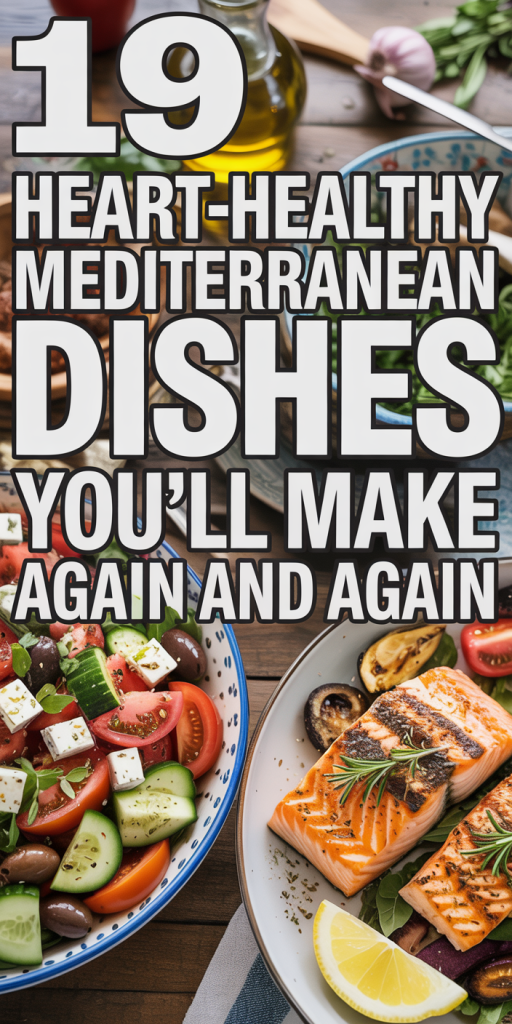
19 Heart-Healthy Mediterranean Dishes You’ll Make Again And Again
I’ve all heard that the Mediterranean diet is one of the best eating patterns for heart health, but it’s one thing to know the science and another to have a practical, delicious rotation of meals I actually want to cook. In this guide I present 19 heart-healthy Mediterranean dishes, from vibrant appetizers and salads to satisfying mains and smart sides, each chosen because it’s flavorful, easy to prepare, and anchored in ingredients that lower cardiovascular risk. I’ll also explain why the Mediterranean diet supports heart health, how to use this list, smart cooking swaps, and a simple weekly plan so I can start eating better without sacrificing taste.
Why The Mediterranean Diet Supports Heart Health
The Mediterranean diet is more a culinary tradition than a strict meal plan: lots of vegetables, fruit, whole grains, legumes, nuts, olive oil, moderate fish and poultry, and limited processed foods and red meat. Decades of research link this pattern to lower rates of heart disease, stroke, and metabolic conditions. Key mechanisms include:
- Healthy unsaturated fats: Extra-virgin olive oil (EVOO) and nuts supply monounsaturated and polyunsaturated fats that improve cholesterol profiles and lower inflammation.
- Fiber and plant compounds: Vegetables, fruit, whole grains, and legumes provide soluble fiber and polyphenols that help regulate blood pressure, blood sugar, and endothelial function.
- Lean protein and omega-3s: Regular fish and moderate poultry intake deliver lean protein and long-chain omega-3s, which are linked to lower triglycerides and reduced arrhythmia risk.
- Reduced processed foods and refined carbs: This lowers added-sugar and sodium intake, both important for heart health.
We’ll show dishes that consistently follow these principles: balanced fats (mostly from EVOO and nuts), generous produce, whole grains or legumes for fiber, and modest portions of lean animal protein. The result: meals that satisfy both taste buds and cardiologists.
How This List Is Organized And How To Use It
We grouped recipes into appetizing sections so you can mix and match: small plates to start, salads and grain bowls for lunches, hearty mains for dinner, supporting sides, and simple desserts that lean on yogurt or fruit. For meal planning, pick one main, two sides, and a salad for dinner, then use leftovers for lunches. Many recipes share staples, olive oil, garlic, lemon, herbs, chickpeas, so shopping and prep stay efficient.
A few practical tips before we immerse:
- Build flavors with herbs, citrus, and spices rather than extra salt.
- Use EVOO for dressings and finishing: measure it instead of pouring freehand.
- Roast, grill, or braise instead of deep-frying to preserve nutrients and cut saturated fat.
Now let’s get cooking, starting with small plates that already make us crave the next bite.
Appetizers & Small Plates (4 Recipes)
These starters showcase big flavor with minimal saturated fat: creamy dairy used sparingly, bright tomatoes, briny olives, and fragrant herbs.
Whipped Feta With Roasted Cherry Tomatoes
Whipping feta with a splash of Greek yogurt and a drizzle of EVOO transforms a crumbly cheese into a silky spread. Roast cherry tomatoes with garlic and oregano until they burst, then spoon over the whipped feta and finish with a sprinkle of parsley. Serve with toasted whole-grain bread or cucumber slices. The dish balances tangy cheese with antioxidant-rich tomatoes and controlled portions of fat.
Marinated White Beans With Herbs And Lemon
Canned or cooked cannellini beans are the backbone here. Toss beans with extra-virgin olive oil, lemon juice, minced garlic, chopped flat-leaf parsley, and a touch of red pepper flakes. Let them marinate for at least an hour (overnight is better). Beans are an inexpensive plant protein and a great source of soluble fiber, excellent for lowering LDL cholesterol.
Grilled Halloumi With Citrus Drizzle
Halloumi is salty and satisfying: grilling gives it a savory char. Slice and quickly grill until golden, then finish with a drizzle of lemon and orange juice mixed with a little EVOO and chopped mint. Because halloumi is a higher-sodium cheese, we serve modest portions and pair it with a citrus-forward sauce and slices of grilled peaches or zucchini for contrast.
Za’atar Roasted Eggplant Crostini
Roast eggplant slices brushed with a mix of EVOO and za’atar until tender and slightly crisp at the edges. Pile eggplant on whole-grain crostini, add a smear of labneh or ricotta, and finish with toasted sesame and pomegranate seeds. Eggplant soaks up flavors and provides fiber and antioxidants while za’atar adds earthy, floral notes without salt.
Salads & Bowls (4 Recipes)
Salads in Mediterranean cuisine are often meals in themselves, plenty of protein, whole grains, and healthy fats to keep us full and nourished.
Greek Village Salad With Olives And Herbs
This classic is all about texture: ripe tomatoes, crisp cucumber, green peppers, red onion, Kalamata olives, and a modest slab of feta. Dress with EVOO, red wine vinegar, oregano, and cracked black pepper. We keep the cheese portion small and lean on herbs and olives for savory depth. Add grilled chickpeas for extra fiber and protein.
Warm Farro Salad With Roasted Vegetables And Feta
Farro is a chewy whole grain rich in fiber and minerals. Toss cooked farro with roasted bell peppers, zucchini, and red onion, then fold in crumbled feta and chopped basil. Dress with lemon and EVOO. Eating warm grains with roasted veg makes a comforting, nutrient-dense lunch that travels well.
Chickpea, Cucumber, And Mint Tabbouleh
A Mediterranean spin on tabbouleh swaps most bulgur for parsley and bulgur or quinoa for extra fiber. Mix chickpeas, finely chopped parsley and mint, diced cucumber, tomato, lemon juice, and a splash of EVOO. This version is bright, cooling, and high in plant protein, perfect for picnics or midday meals.
Mediterranean Grain Bowl With Lemon-Tahini Dressing
Start with a base of quinoa or brown rice, top with roasted eggplant, cherry tomatoes, cucumber, arugula, and a spoonful of hummus. The lemon-tahini dressing (tahini, lemon, water, garlic, pinch of salt) pulls everything together. The tahini supplies healthy fats and a creamy mouthfeel without saturated fat-heavy dressings.
Main Courses (6 Recipes)
Mains focus on lean proteins, seafood, legumes, and vegetables, packed with nutrients that support heart health.
Baked Salmon With Tomatoes, Olives, And Capers
Salmon is a cornerstone of heart-healthy eating thanks to its omega-3 content. Bake fillets with halved tomatoes, sliced olives, capers, and a little EVOO. Finish with lemon zest and parsley. The tomatoes and olives add lycopene and polyphenols while the capers punch up flavor so we can use less salt.
Chicken Souvlaki With Whole-Wheat Pita And Tzatziki
Marinate chicken pieces in lemon, garlic, oregano, and EVOO, then skewer and grill. Serve with whole-wheat pita, shredded lettuce, tomato, and a tzatziki made from Greek yogurt, cucumber, garlic, dill, and lemon. This keeps saturated fat low while delivering satisfying protein and tangy freshness.
Shrimp With Garlic, White Wine, And Fresh Herbs
Sauté shrimp briefly with garlic, a splash of dry white wine, lemon, and an abundance of parsley and basil. Serve over whole-wheat couscous or a bed of sautéed greens. Shrimp cooks fast and pairs well with herbs and citrus that add volume and flavor without extra fat.
Stuffed Peppers With Brown Rice, Feta, And Pine Nuts
Bell peppers filled with brown rice, sautéed onions, chopped tomatoes, herbs, crumbled feta, and a sprinkling of toasted pine nuts make a balanced, colorful main. Brown rice delivers whole-grain benefits: pine nuts add a buttery richness that feels indulgent in small amounts.
Lentil And Spinach Stew With Smoked Paprika
Lentils are an affordable, heart-friendly protein. Simmer lentils with onions, garlic, tomatoes, smoked paprika, and lots of wilted spinach. A splash of red wine vinegar at the end brightens flavors. This stew keeps sodium moderate and offers a combo of fiber, plant protein, and iron.
Vegetable Moussaka With Light Béchamel
This lighter take layers roasted eggplant and zucchini with a modest tomato-lentil ragù and a thin béchamel made with low-fat milk and a touch of olive oil. Baking rather than frying and using lentils in the ragù reduces saturated fat while preserving the classic comfort of moussaka.
Sides & Grains (3 Recipes)
Sides round out meals with fiber, phytonutrients, and satisfying textures.
Herbed Couscous With Lemon And Toasted Almonds
Whole wheat or Israeli couscous tossed with lemon, chopped parsley, dill, and toasted slivered almonds is quick and bright. Almonds provide healthy fats and crunch: herbs and citrus carry the flavor so we don’t rely on butter.
Sautéed Greens With Garlic And Chili Flakes
Kale, Swiss chard, or collards sautéed quickly in EVOO with garlic and a pinch of chili flakes make a slightly bitter, savory foil to richer mains. Finish with a squeeze of lemon for brightness. Greens supply potassium, magnesium, and fiber, all important for heart health.
Roasted Mediterranean Vegetables With Olive Oil And Oregano
A mix of zucchini, bell peppers, red onion, and cherry tomatoes roasted with EVOO, oregano, and cracked black pepper is simple and versatile. Roast until edges caramelize: the natural sweetness reduces the need for salty sauces.
Desserts & Snacks (2 Recipes)
Desserts in this list keep sugar moderate and favor whole fruit, yogurt, and nuts.
Greek Yogurt With Honey, Walnuts, And Citrus Zest
A bowl of plain Greek yogurt topped with a drizzle of honey, a scatter of chopped walnuts, and orange or lemon zest is creamy, sweet, and satisfying. The yogurt delivers protein and probiotics: walnuts add omega-3–rich fat.
Baked Pears With Cinnamon And Almond Crumble
Halve pears and bake until tender, then top with a small spoonful of almond and oat crumble spiced with cinnamon. This dessert feels indulgent but uses fruit as the star, limiting added sugar and using nuts for texture and flavor.
Cooking Tips, Flavor Swaps, And Heart-Healthy Techniques
These technical tips make the dishes above both healthier and more likely to become weeknight favorites.
Smart Fat Choices, Salt Reduction, And Cooking Methods
- Choose extra-virgin olive oil as the primary fat. Measure it, 1–2 tablespoons per recipe is often enough.
- Favor grilling, roasting, steaming, braising, and sautéing over frying. Roasting concentrates flavor so you can use less oil.
- Reduce added salt by increasing acidity (lemon, vinegar), umami (tomatoes, mushrooms), and herbs. Use salted ingredients like olives or capers sparingly and rinse if needed to lower sodium.
- Incorporate nuts and seeds for healthy fats and satiety, but watch portions, about a small handful per serving.
- When a recipe calls for cream, consider Greek yogurt or a reduced-fat milk béchamel. When it calls for butter, try a blend of EVOO and a small amount of butter or use an EVOO emulsion.
Ingredient Substitutions For Special Diets (Low-Sodium, Vegetarian, Gluten-Free)
- Low-sodium: Choose no-salt-added canned beans, rinse brined olives and capers, and use herbs and citrus to replace some salt.
- Vegetarian: Many dishes are already vegetarian. Swap fish or chicken for extra legumes, tempeh, or grilled halloumi (in moderation) to maintain protein and flavor.
- Gluten-free: Substitute quinoa, brown rice, or gluten-free couscous for wheat-based grains and use gluten-free pita or lettuce cups for wraps.
Small swaps make these recipes accessible to more people without sacrificing authenticity or taste.
Meal Prep, Shopping, And Pantry Staples For Mediterranean Cooking
A well-stocked pantry and a little advance prep keep these 19 dishes realistic for busy weeks.
Essential Pantry Items And Fresh Ingredients To Keep On Hand
Pantry basics:
- Extra-virgin olive oil
- Canned tomatoes, canned beans (chickpeas, cannellini), and lentils
- Whole grains (farro, quinoa, brown rice, whole-wheat couscous)
- Tahini and jarred roasted red peppers
- Nuts (walnuts, almonds, pine nuts)
- Dried herbs and spices (oregano, za’atar, smoked paprika, cumin)
Fresh items:
- Lemons and oranges
- Garlic and onions
- Seasonal vegetables (eggplant, zucchini, bell peppers, tomatoes)
- Leafy greens (spinach, kale, arugula)
- Fresh herbs (parsley, mint, dill)
- Plain Greek yogurt and small amounts of cheese (feta, halloumi)
Tools and tips:
- Keep a jar of pre-made lemon-tahini dressing and a batch of cooked grains in the fridge.
- Roast a tray of mixed vegetables for 2–3 meals and season differently to keep variety.
Simple Weekly Meal Plan Using These 19 Dishes
Here’s a flexible 7-day plan that leverages leftovers and keeps cooking manageable:
- Monday: Baked salmon with tomatoes, olives, and capers: roasted Mediterranean vegetables: herbed couscous.
- Tuesday: Lentil and spinach stew (make extra) with whole-grain bread: Greek yogurt with honey for dessert.
- Wednesday: Chicken souvlaki wraps with tzatziki and Greek village salad.
- Thursday: Warm farro salad with roasted vegetables (use leftover roasted veg) and a side of sautéed greens.
- Friday: Shrimp with garlic and white wine over brown rice: simple mixed green salad.
- Saturday: Stuffed peppers with brown rice and feta: za’atar roasted eggplant crostini as a starter.
- Sunday: Vegetable moussaka (make ahead and reheat): chickpea cucumber tabbouleh as a side: baked pears for dessert.
Snacks and small plates (interchangeable): whipped feta with roasted cherry tomatoes, marinated white beans, Greek yogurt with walnuts. This plan highlights how a handful of staples and smart prep can produce diverse, heart-healthy meals across the week.
Conclusion
These 19 dishes prove that heart-healthy eating doesn’t have to be boring, or complicated. By focusing on whole grains, legumes, vegetables, lean proteins, and olive oil, we get meals that protect the heart while delighting our palates. Start with a couple of favorites from the list, keep a small set of pantry staples, and use the cooking tips and swaps to tailor recipes to your needs. In a few weeks you’ll notice meals that are both easier to put together and genuinely satisfying, so you’ll make them again and again.