14-Day Plant-Based Energy Boost
In a world where we constantly seek more energy, our diets play a crucial role in fueling our bodies. At the heart of this try lies the plant-based diet, a sustainable and nourishing approach that can profoundly impact our energy levels. Over the next 14 days, we’ll embark on a journey to boost our energy through whole, plant-based foods. With each meal, we’ll explore the connection between what we eat and how we feel, setting the stage for an invigorated lifestyle. Let’s jump into this transformative experience together.
Understanding Plant-Based Nutrition
The Connection Between Diet and Energy Levels
Our energy levels are deeply intertwined with our dietary choices. When we consume nutrient-dense foods, particularly those rich in vitamins, minerals, and antioxidants, we provide our bodies with the fuel needed for optimal performance.
Plants are packed with essential nutrients that promote healthy bodily functions. For instance, complex carbohydrates from whole grains and legumes are slowly digested, giving us sustained energy rather than the quick spikes associated with processed sugars.
Benefits of a Plant-Based Diet
Adopting a plant-based diet doesn’t just energize us: it also has myriad health benefits. Research indicates that a diet rich in fruits, vegetables, nuts, and seeds can reduce the risk of chronic diseases, improve digestion, and enhance overall wellness. Also, plant-based eating can positively influence our mood and mental clarity. As we gear up for our 14-day boost, we should keep these benefits in mind, making our dietary transformation feel all the more rewarding.
Preparing for Your 14-Day Journey
Setting Realistic Goals
Before we begin, it’s vital to set achievable goals. Instead of drastic changes, we should aim for small, manageable adjustments. This approach will increase our chances of success and keep us motivated. For instance, we might aim to incorporate more plant-based meals each week or commit to trying new recipes together.
Essential Foods to Include
To maximize our energy, we should fill our pantry with the following foods:
- Leafy Greens: Spinach, kale, and Swiss chard are unbelievable sources of iron and vitamins that help combat fatigue.
- Whole Grains: Brown rice, quinoa, and oats will provide us with long-lasting energy.
- Legumes: Beans, lentils, and chickpeas are rich in protein and fiber, making them perfect for keeping us full and energized.
- Nuts and Seeds: Almonds, chia seeds, and flaxseeds can provide healthy fats and protein to fuel our day.
- Fruits: Bananas, berries, and apples are excellent sources of natural sugars, fiber, and essential vitamins.
How to Create Meal Plans
Crafting our meal plan is crucial for success. We can start by brainstorming recipes and mapping out our meals for the week ahead. Here are some meal ideas to consider:
- Breakfast: Overnight oats with almond milk, chia seeds, and berries.
- Lunch: Quinoa salad with roasted vegetables and a lemon-tahini dressing.
- Dinner: Stir-fried tofu with mixed veggies served over brown rice.
By planning ahead, we’ll ensure that delicious, energy-boosting meals are always within reach.
Your 14-Day Meal Plan Overview
Week 1: Energizing Meals and Snacks
Our first week should focus on building a foundation of energy-boosting meals. Let’s aim for three main meals and healthy snacks throughout the day. Here’s a simple outline:
- Breakfasts:
- Smoothie with spinach, banana, and almond butter
- Whole grain toast with avocado and tomatoes
- Lunches:
- Lentil soup with whole grain bread
- Chickpea salad with cucumbers and feta cheese
- Dinners:
- Black bean tacos with fresh salsa
- Vegetable and quinoa stir-fry
- Snacks:
- Fresh fruit, hummus with carrot sticks, or a handful of nuts
Each meal should focus on incorporating plant-based proteins, healthy fats, and complex carbohydrates.
Week 2: Sustaining Energy and Enhancing Recovery
In our second week, we’ll continue building on our progress while introducing meals that enhance recovery, especially if we’ve started exercising regularly. We can include:
- Breakfasts:
- Chia seed pudding with coconut milk and fruits
- Smoothie bowl topped with nuts and seeds
- Lunches:
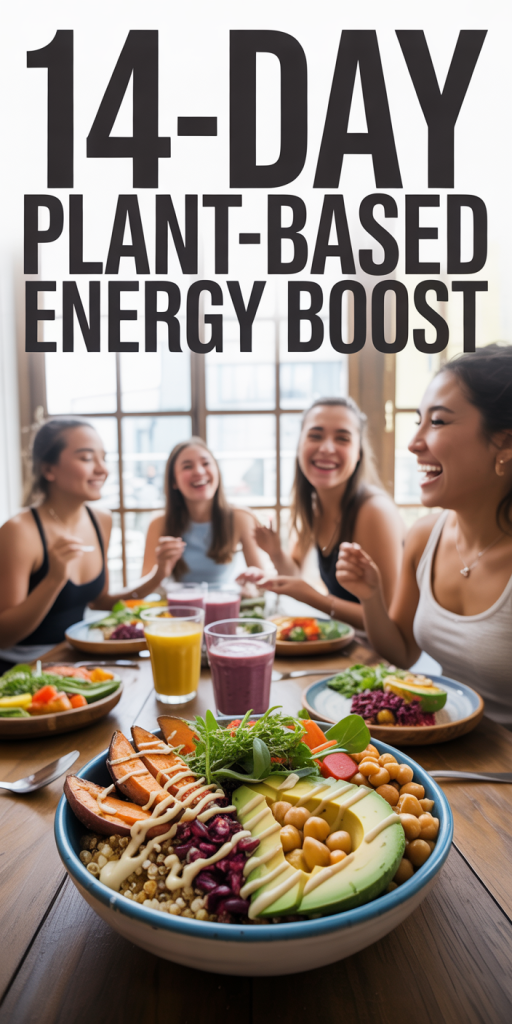
- Buddha bowls with brown rice, roasted chickpeas, and vegetables
- Vegan sushi with avocado and cucumber
- Dinners:
- Stuffed bell peppers with quinoa and black beans
- Creamy vegetable curry with rice
- Snacks:
- Energy balls made from oats, dates, and nuts
This week’s focus is on recovery, with an emphasis on hydration and nutrient diversity.
Incorporating Exercise for Maximum Benefit
Types of Exercise to Pair with Plant-Based Eating
Exercise plays a significant role in boosting our energy levels. When combined with a nutritious plant-based diet, it can lead to substantial improvements in our overall health.
- Cardiovascular Activities: Running, cycling, and swimming will elevate our heart rate and promote endurance.
- Strength Training: Incorporating body-weight exercises or resistance training can build muscle and enhance metabolism, making it easier to maintain energy levels.
- Yoga or Pilates: These low-impact exercises emphasize balance and flexibility, reducing stress and promoting relaxation.
Optimizing Your Routine for Energy
To make the most of our workouts, timing and nutrition are essential. We should aim to eat a carb-rich snack about 30 minutes before exercising and replenish with protein afterward. This practice not only provides immediate energy but also aids in recovery. For example, a banana or a piece of toast with nut butter is a great pre-workout choice.
Tracking Your Progress and Benefits
Monitoring Energy Levels
As we navigate through our 14-day journey, keeping track of how we feel will be invaluable. We can take notes daily on our energy levels, mood, and any physical changes we notice. This practice allows us to assess what’s working and what might need adjustment.
Adjusting Your Diet and Exercise as Needed
If we find days when our energy dips, it may be beneficial to reassess our food choices or our activity level. Perhaps we need more carbohydrates on certain days or a bit more hydration. We should also allow for flexibility, adjusting our meal plans according to how our bodies respond will culminate in a more personalized and effective approach to plant-based living.
Challenges and Solutions During the 14 Days
Common Obstacles to Overcome
Every journey comes with its hurdles. As we embrace a new way of eating, we may face challenges such as cravings, social situations, or even meal fatigue. Recognizing these obstacles in advance can help us prepare mentally.
Tips for Staying Motivated
Staying motivated can sometimes be tough. Here are some strategies to keep us on track:
- Find a Support System: Joining a group or enlisting friends to join us can provide accountability.
- Celebrate Small Wins: Every healthy meal, snack, or choice we make deserves recognition. Keeping a journal can be uplifting.
- Experiment in the Kitchen: Trying out new recipes can be a fun way to avoid monotony and keep our taste buds excited.
Conclusion
As we reach the end of our 14-day plant-based energy boost, we should reflect on the changes we’ve made, not just in our diets but in our overall well-being. This journey has taught us the profound impact that plant-based nutrition can have on our energy levels and health.
By building a strong foundation in our eating habits, enhancing our awareness of how food fuels our bodies, and addressing challenges proactively, we are well-equipped to continue our journey toward sustained vitality. We encourage you to take the insights gained from this experience and build upon them, ensuring that the benefits of plant-based eating remain part of our lifestyle long after these 14 days.