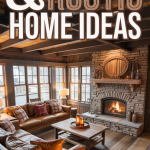
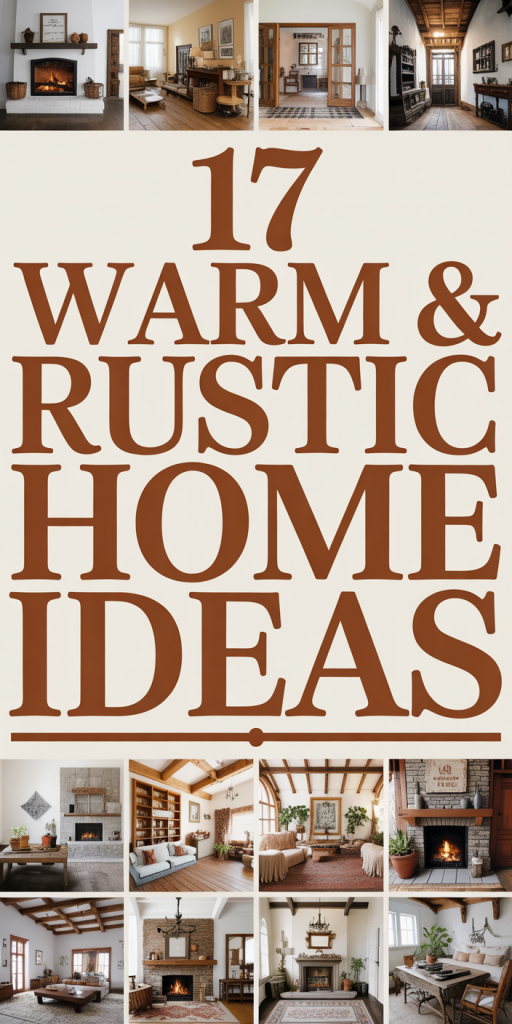
17 Warm & Rustic Home Ideas
When we think of home, warm and rustic designs can evoke feelings of comfort and nostalgia. It’s about more than decorating: it’s about creating a space that feels inviting, personal, and connected to nature. We often find ourselves gravitating towards homes that combine charming elements with earthy aesthetics, making us feel cozy and at ease. In this text, we explore 17 warm and rustic home ideas to help you transform your space into a haven. Whether you’re starting from scratch or simply looking to refresh your existing design, these insights will guide you in crafting a warm, rustic feel that reflects your style.
Understanding the Warm & Rustic Aesthetic
The warm and rustic aesthetic is celebrated for its ability to merge comfort with nature-inspired elements. It embodies a sense of simplicity and nostalgia, often drawing inspiration from the countryside or natural surroundings. We can recognize this style through features like exposed wooden beams, muted color palettes, and handcrafted accessories. At its core, the rustic design focuses on organic materials and a welcoming atmosphere, making us feel connected and grounded in our environment.
Key Elements of Warm & Rustic Design
To create a warm and rustic home, there are several essential elements we should consider:
- Natural Materials: Wood, stone, and metal play pivotal roles in rustic design.
- Earthy Color Tones: Rich browns, muted greens, and deep reds create a soothing palette.
- Handcrafted Features: Unique, artisanal pieces add character and warmth.
- Comfortable Textiles: Soft furnishings in natural fabrics enhance coziness.
By incorporating these key elements, we create spaces that not only look good but feel good too.
Color Palettes That Enhance Warmth
Choosing the right color palette is crucial in achieving a warm and rustic home. We should lean towards:
- Warm Neutrals: Shades like beige, taupe, and cream serve as excellent backgrounds.
- Earthy Hues: Shades of brown, terracotta, and olive can be used in accent pieces.
- Splashes of Color: Add character with muted tones of mustard yellow, rust orange, or deep navy.
By utilizing these colors, we can create a serene backdrop that invites warmth and comfort into our living spaces.
Textures and Materials for a Rustic Feel
Textures play a vital role in rustic design, contributing to the overall warmth and aesthetic. Consider these materials:
- Wood: Reclaimed wood or distressed finishes offer authenticity.
- Stone: Natural stone accents can add depth and rustic charm.
- Fabrics: Linen, wool, and cotton contribute to a cozy atmosphere.
- Metals: Wrought iron or antique brass can provide a touch of elegance without feeling too polished.
Incorporating a mix of these textures will enhance the warm and inviting feel of our home.
Furniture Choices for Warmth and Comfort
Selecting the right furniture is key to achieving comfort and warmth in our homes. Some considerations include:
- Overstuffed Sofas: Choose pieces that invite you to sink in and relax.
- Farmhouse Tables: A rustic dining table fosters family connection.
- Vintage Finds: Look for unique pieces at thrift stores or flea markets to add character.
Focusing on comfort and practicality, we can create spaces that balance style and relaxation.
Accessorizing with Rustic Decor
Accents can bring our rustic vision to life. Here are some ideas:
- Woven Baskets: Great for storage and adds texture.
- Vintage Signs: These can evoke nostalgia and personal stories.
- Natural Candles: Opt for beeswax or soy candles to add a warm glow.
Thoughtfully choosing these accessories will enhance our rustic aesthetic, making the space feel curated and personalized.
Creating a Cozy Atmosphere with Lighting
Lighting sets the mood, and for a warm and rustic feel, we should consider:
- Soft Lighting: Use warm-toned bulbs to create a cozy ambiance.
- Layered Lighting: Mix floor lamps, table lamps, and wall sconces for depth.
- Candles and Lanterns: These can provide a unique glow and rustic charm.
With the right lighting choices, we can elevate the mood of our homes, making them more inviting.
Incorporating Nature into Your Home
Integrating nature into our home not only enhances the rustic aesthetic but also promotes a calming environment. We can do this by:
- Indoor Plants: Bring in greenery with potted plants or hanging vines.
- Natural Views: Arrange furniture to showcase views of the outdoors.
- Natural Art: Choose artwork featuring landscapes or nature themes.
By allowing elements of nature to flow into our spaces, we foster a more serene and inviting atmosphere.
DIY Projects for a Rustic Touch
Getting hands-on with DIY projects can infuse a personalized rustic touch into our homes. Consider these ideas:
- Reclaimed Wood Shelves: Create functional and stylish storage.
- Mason Jar Decor: These can serve as vases or storage jars for a rustic touch.
- Homemade Signs: Personalize your space with handcrafted signs that resonate with you.
These projects can not only beautify our homes but also impart a sense of creativity and individuality.
Maintaining Balance in Your Rustic Design
While we want to create a warm and rustic atmosphere, balance is key. To maintain harmony:
- Mix Old and New: Blend vintage pieces with modern elements for an eclectic look.
- Unified Color Scheme: Ensure that all elements adhere to a cohesive color story.
- Functionality vs. Aesthetics: Prioritize pieces that serve a functional purpose while contributing to the overall design.
By ensuring balance, we can create a space that feels thoughtful and curated.
Sustainable Practices in Rustic Home Design
Incorporating sustainable practices into our rustic home design can not only enhance our space but also reflect our values. Consider:
- Reclaimed Materials: Using salvaged wood or vintage pieces can reduce waste while adding charm.
- Eco-Friendly Finishes: Choose paints and finishes that are low in VOCs for health and safety.
- Energy-Efficient Solutions: Invest in energy-efficient appliances and insulation to minimize our environmental impact.
By prioritizing sustainability, we can create beautiful spaces that align with a conscious lifestyle.
Bringing the Outdoors In
A hallmark of rustic design is the seamless transition between indoor and outdoor spaces. We can achieve this by:
- Large Windows: Incorporate large windows or glass doors to let natural light in.
- Outdoor Furniture: Use weather-resistant furniture that can be enjoyed both inside and out.
- Natural Materials: Use materials that mimic those found outside, such as stone or wood.
This creates a multidimensional space that celebrates the beauty of the outdoors.
Showcasing Personal Touches
Our homes should reflect who we are: showcasing personal touches can enhance the rustic feel. We could:
- Display Family Heirlooms: Incorporate cherished pieces to tell our stories.
- Gallery Walls: Create an eclectic mix of art and photographs for personal expression.
- Travel Mementos: Showcase souvenirs from travels that carry memories.
Personalizing our space makes it more joyful and authentic.
Trends in Rustic Home Design
Keeping up with trends can help refresh our rustic designs while maintaining their essence. Some current trends include:
- Minimalism: Combining rustic elements with a minimalist approach for a clean aesthetic.
- Modern Farmhouse: A blend of traditional country style with contemporary design.
- Multifunctional Spaces: Emphasizing practical, space-saving design amidst rustic charm.
Staying attuned to trends ensures our spaces feel relevant while preserving warmth.
Conclusion
Creating a warm and rustic home is about more than just aesthetics: it’s about crafting a sanctuary that reflects our values and lifestyles. By integrating natural materials, warm colors, and personal touches, we can transform our spaces into comforting havens. Whether through DIY projects, thoughtful furniture choices, or sustainable practices, we have the tools to make our homes truly ours. Let’s embrace the warmth and charm of rustic design as we create spaces where memories are made.