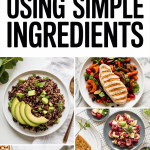
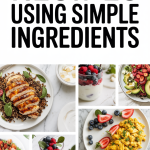
High-Protein Recipes Using Simple Ingredients: 25 Easy Meals and Hacks for Busy Cooks
We’re living in a time when convenience often competes with nutrition. Still, getting enough protein doesn’t have to mean complicated recipes, expensive powders, or hours in the kitchen. In this guide we’ll show practical, evidence-based ways to build high-protein meals using simple ingredients you likely already have or can buy affordably. Whether you’re meal-prepping for the week, trying to add more protein to snacks, or cooking for a family, these 25 meal ideas, strategies, and hacks will help you reach your protein goals without sacrificing flavor or time.
Why High-Protein Meals Matter (Even With Minimal Ingredients)
Protein does a lot of heavy lifting in our diets: it supports muscle maintenance and growth, aids recovery after exercise, helps regulate appetite, and contributes to healthy skin, hair, and immune function. Recent guidance from nutrition experts emphasizes protein distribution across meals, not just a single large dose, to optimize muscle protein synthesis and satiety. That’s good news for busy cooks: if we focus on simple, protein-rich ingredients at each meal, we can get these benefits without elaborate techniques or specialty items.
Eating high-protein meals also helps with blood sugar control and can reduce overall snacking. In practice, that means choosing foods like eggs, dairy, canned fish, beans, lentils, tofu, tempeh, and whole grains, many of which are cheap, shelf-stable, and versatile. By prioritizing these staples and learning a handful of quick preparations, we can consistently hit protein targets while keeping shopping lists and prep times manageable.
Finally, protein quality matters, but it doesn’t require perfection. Animal proteins are complete proteins with all essential amino acids, while plant proteins can be combined throughout the day to deliver a complete profile. With minimal ingredients and simple pairing strategies, we can create balanced meals that meet both macro and micronutrient needs.
Essential Simple Ingredients To Keep On Hand
Stocking a small set of versatile, protein-rich staples makes it easy to throw together meals. We recommend keeping the following on hand:
- Eggs: Cheap, portable, and fast-cooking, great for all meals.
- Canned tuna and salmon: Long shelf life, high protein, and ready to eat.
- Canned beans and lentils: Kidney beans, chickpeas, black beans, and canned lentils are pantry heroes.
- Greek yogurt and cottage cheese: Higher in protein than regular yogurt and useful for savory or sweet dishes.
- Tofu and tempeh: Firm tofu and tempeh store well and soak up flavors.
- Frozen chicken breasts, fish fillets, and shrimp: Freeze well and cook quickly.
- Quinoa, bulgur, and farro: Whole grains with decent protein content: quinoa is especially protein-forward.
- Nuts, seeds, and nut butters: Almonds, peanuts, pumpkin seeds, and chia add protein and healthy fats.
- Milk or fortified plant milk: For smoothies, oats, and cooking.
- Basic seasonings and pantry items: Olive oil, soy sauce, vinegar, garlic, onion, canned tomatoes, and broth.
With this shortlist we can assemble hundreds of high-protein meals. The ingredients are intentionally multipurpose so we don’t need an overflowing pantry to be well-fed and protein-rich.
How To Build Balanced High-Protein Meals Quickly
A simple formula keeps things fast and balanced: Protein + Vegetable + Whole Grain (or healthy fat). That’s it. Use this framework and mix-and-match ingredients:
- Start with a protein base: choose one primary protein source per meal (eggs, chicken, beans, tofu, etc.).
- Add vegetables: fresh, frozen, or canned: they add fiber and volume for satiety.
- Round it with a carbohydrate or healthy fat: whole grains, starchy veg, avocado, or a drizzle of olive oil.
Practical tips for speed:
- Batch-cook one protein and one grain at the start of the week. Roast a tray of chicken thighs, boil a pot of quinoa, and you’ve set up several meals.
- Use one-pan or sheet-pan methods to minimize washing and speed turnaround.
- Keep quick-cook proteins accessible: eggs, canned fish, and tofu can be turned into meals in under 10 minutes.
- Rely on frozen vegetables to cut prep time, they’re often picked and frozen at peak nutrition.
We also recommend prepping flavor bases: chop an onion and a few garlic heads and store them in the fridge, or mix a simple vinaigrette to toss through bowls. These tiny time investments mean you won’t reach for empty-calorie convenience foods when you’re pressed for time.
High-Protein Breakfasts That Use Pantry Staples
Protein-Packed Breakfast Bowls With Eggs, Beans, Or Yogurt
Breakfast bowls are one of the fastest ways to combine protein, carbs, and vegetables. Try a base of scrambled eggs or mashed beans, add roasted or sautéed veggies, and finish with a scoop of Greek yogurt or cottage cheese. One example: scramble two eggs with spinach and black beans, spoon on salsa and a dollop of Greek yogurt. It’s about 25–30 grams of protein and ready in 10 minutes.
Overnight Oats And Smoothies With Protein Boosters
Overnight oats are simple: oats + milk + a protein booster. Stir in Greek yogurt, cottage cheese, protein powder, or a few tablespoons of peanut butter for an instant protein upgrade. For smoothies, blend frozen fruit with milk and a scoop of protein powder or silken tofu, the texture is creamy and the protein is substantial.
Savory Breakfast Ideas: Cottage Cheese, Tofu Scrambles, And Quick Frittatas
Savory breakfasts stay interesting and are often higher in protein than sugary options. Tofu scrambles mimic scrambled eggs and pair well with turmeric, nutritional yeast, and veggies. Quick frittatas baked in a muffin tin make portable breakfast portions, use eggs, leftover veggies, and shredded cheese or crumbled tempeh. Cottage cheese topped with sliced cucumbers, cherry tomatoes, and a sprinkle of seeds is another five-minute, high-protein option.
Easy High-Protein Lunches And Dinners
One-Pan Meals: Chicken, Fish, Or Tempeh With Veggies
One-pan meals are a time-saver and reduce cleanup. Roast chicken thighs or salmon fillets on a sheet pan with broccoli, bell peppers, and sweet potatoes. Tempeh also roasts beautifully with a soy-ginger glaze. Seasonings are flexible, lemon, garlic, and olive oil for fish: smoked paprika and cumin for chicken: soy sauce and sesame oil for tempeh. These meals deliver 25–40 grams of protein per serving depending on portion size.
Simple Stir-Fries And Grain Bowls Using Canned Or Frozen Ingredients
Stir-fries are perfect for using canned or frozen proteins. Saute frozen mixed vegetables, add canned chickpeas or drained canned tuna, toss in cooked brown rice or quinoa, and finish with a quick sauce of soy sauce, vinegar, and a touch of honey. Grain bowls follow the same logic: start with cooked quinoa, top with roasted frozen edamame, a poached egg, and a spoonful of hummus for a protein-packed lunch.
Comfort Classics Made High-Protein: Chili, Stews, And Bakes
Comfort dishes can be protein-dense without being fussy. Make chili with lean ground turkey or extra beans for a vegetarian version: a two-bean chili with lentils and kidney beans offers substantial protein and fiber. Shepherd’s pie-style bakes can use mashed lentils mixed with vegetables topped by a modest potato layer. Casseroles and bakes can be portioned and frozen, making them ideal for quick dinners later in the week.
High-Protein Snacks And Sides To Fill The Gaps
Quick Dip And Spread Ideas: Hummus, Greek Yogurt Dips, And Bean Spreads
Dips are an easy way to add protein to snack time. Classic hummus (chickpeas + tahini) is about 7–8 grams of protein per half-cup. Greek yogurt-based dips mixed with herbs, lemon, and garlic serve as a high-protein swap for sour cream. Mash white beans with olive oil, lemon, and rosemary for a creamy spread that pairs with whole-grain crackers or vegetable sticks.
Portable Snacks: Energy Bites, Roasted Chickpeas, And Cheese Plates
Energy bites made from oats, nut butter, and seeds are portable and usually contain 4–8 grams of protein per bite depending on the recipe. Roasted chickpeas are crunchy, shelf-stable, and easy to season, about 6–8 grams of protein per half-cup. Cheese plates with a few slices of hard cheese, some nuts, and apple slices make a balanced snack for on-the-go protein and fat.
Simple Sides That Add Protein: Lentil Salads, Quinoa Pilaf, And Sautéed Greens With Beans
Side dishes can bump meal protein significantly. Lentil salads tossed with herbs and vinaigrette can add 10–15 grams of protein per serving. Quinoa pilaf mixed with toasted seeds and chopped nuts is both filling and protein-rich. Sautéed greens like kale or Swiss chard combined with white beans or cannellini make an easy side that feels light but supplies a meaningful protein boost.
Batch Cooking, Freezing, And Meal-Prep Strategies
Make-Ahead Recipes And Storage Tips To Save Time
We rely on batch-cooking to keep healthy eating realistic. Make-ahead ideas: bake traybakes of chicken and veggies, cook a big pot of lentil soup, or roast a block of tofu with a sticky glaze. Store portions in airtight containers and label with dates. Most cooked proteins last 3–4 days in the fridge: freeze portions you won’t eat within that window.
Portioning, Reheating, And Combining Meals For Variety
Portion while the food is fresh so you don’t overeat later. Divide meals into single servings with a balanced mix of protein, veg, and grain. Reheat gently to preserve texture, reheat soups and stews slowly on the stove and use the oven or toaster oven for traybakes to keep edges crisp. Combine prepped components differently across the week to avoid monotony: roasted chicken one night becomes chicken salad the next.
Smart Shortcuts: Canned, Frozen, And Pre-Cooked Options That Still Taste Fresh
We embrace quality canned and frozen options: canned salmon for patties, frozen edamame tossed into salads, or pre-cooked grains that speed up assembly. Use fresh herbs, lemon zest, or a quick vinaigrette to brighten these shortcuts. Even pre-cooked rotisserie chicken from the store can form the backbone of many meals when paired with fresh greens and a whole grain.

Shopping Guide And Affordable Ingredient Swaps
Budget-Friendly Protein Sources And Seasonal Buying Tips
Protein needn’t be expensive. Affordable choices include eggs, canned fish, dried lentils, dried beans, peanut butter, and whole chickens. Buying whole birds and portioning them yourself stretches dollars. Shop seasonal produce for better prices and flavor, frozen seasonal veg can be even cheaper and just as nutritious.
Simple Swaps For Vegetarian, Vegan, Or Dairy-Free Diets
Swap animal proteins for legumes, tofu, tempeh, and seitan if you’re vegetarian or vegan. Use fortified plant milks and soy yogurt to keep protein and micronutrients up when avoiding dairy. Nutritional yeast adds a savory note and extra B-vitamins to plant-based dishes.
Pantry Staples To Buy In Bulk And When To Choose Fresh
Buy dry goods in bulk: rice, oats, beans, and frozen proteins save per-unit costs. Fresh produce is best bought weekly for items you’ll eat raw or want crisp. But for busy cooks, frozen fruit and veg are reliable and reduce waste, buy fresh when you need texture or presentation (like salads).
Practical Nutrition Tips: Protein Targets, Timing, And Macro Balance
How Much Protein You Really Need And How To Track It Simply
Protein needs vary by age, activity, and goals. A common guideline for general health is 0.8–1.0 grams per kilogram of body weight: for strength training or older adults, 1.2–1.6 g/kg is often recommended. Rather than obsessing over exact numbers, we suggest setting a simple daily target (for many adults, 80–120 grams per day is practical) and aiming to include 20–40 grams of protein at each main meal.
Track protein with a simple app, or estimate using hand portions: a palm-sized piece of cooked meat (about 3–4 oz) is roughly 20–25 grams protein, one cup of Greek yogurt is ~20 grams, and a cup of cooked lentils is ~18 grams. These mental benchmarks make it easy to build meals without constant logging.
Combining Plant Proteins For Complete Amino Profiles
When relying on plant proteins, combine different sources across the day: grains + legumes (rice and beans), legumes + seeds (hummus on multigrain), or quinoa with lentils. You don’t need to combine them in the same meal, variety across meals achieves the same benefit.
Calorie, Sodium, And Fiber Considerations When Using Processed Shortcuts
Processed convenience foods (pre-cooked meats, canned soups, packaged mixes) can help with time but often carry more sodium and calories. We recommend reading labels and rinsing canned beans to reduce sodium. Balance convenience with fiber-rich vegetables and whole grains to avoid meals that are protein-heavy but nutrient-poor. Simple swaps, like choosing low-sodium canned beans, or pairing a processed protein with a big salad, keep meals healthy and satisfying.
Conclusion
We don’t need complex recipes or exotic ingredients to make high-protein meals that taste great and fit into busy lives. By stocking a small set of versatile staples, adopting simple meal-building rules, and leaning on batch-cooking and smart shortcuts, we can reach protein goals consistently. Try rotating a few of the breakfasts, lunches, dinners, and snacks described here over the next two weeks, you’ll save time, reduce decision fatigue, and likely feel more satisfied after meals. If you want, we can share a printable two-week high-protein meal plan using only pantry staples and a short shopping list to get you started.