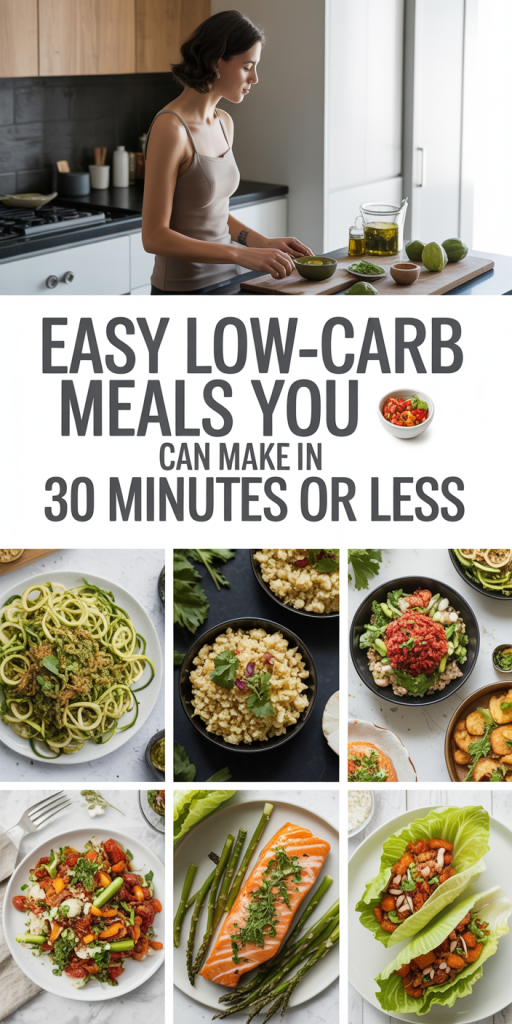
10 Easy Low-Carb Meals You Can Make in 30 Minutes or Less (Quick, Healthy Recipes for Busy Weeknights)
We’ve all had nights when dinner needs to be quick, satisfying, and not a carb bomb. That’s where a small arsenal of low-carb, 30-minute recipes saves the day. In this guide we walk through why low-carb eating works, the kitchen essentials that make fast cooking possible, ten tested recipes you can pull together in half an hour (or less), and practical meal‑prep, shopping, and nutrition tips so these meals actually fit into our week. Read on and we’ll make low-carb dinners simple, flavorful, and reliably fast.
Why Low-Carb Works: Benefits And Practical Goals
Low-carb eating isn’t a one-size-fits-all miracle, but it delivers reliable benefits for many people when we pair it with whole foods and sensible portions. The most immediate wins are: faster satiety (protein and fats keep us full), steadier blood sugar, and often fewer cravings. For those aiming to lose weight, reducing refined carbs can help create a caloric deficit without constant hunger. For people managing diabetes or metabolic syndrome, lowering carb intake blunts glucose spikes.
Practical goals to set before we start:
- Aim for a target range rather than a perfect number. For most low-carb dinners, keeping total carbs between 10–30 grams per meal is achievable and supportive of satiety.
- Focus on whole-food swaps: cauliflower for rice, spiralized zucchini for pasta, lettuce wraps for tortillas.
- Prioritize protein first, then fiber-rich vegetables, then fats for flavor and fullness.
We should also be realistic: low-carb doesn’t mean low-vegetable. Vegetables supply micronutrients and fiber that make low-carb meals sustainable. Our aim is meals that keep us full, energized, and easy to cook on busy nights.
Kitchen Essentials For Fast Low‑Carb Cooking
Speed in the kitchen often comes down to the right tools and a few smart staples. Here’s what we rely on.
What to keep on hand briefly:
- Sharp chef’s knife and a paring knife, good knives cut prep time dramatically.
- Nonstick skillet (10–12 inch) and stainless sauté pan, one-pan dinners are our best friends.
- Sheet pan, for fast roasted fish, veggies, and one-and-done dinners.
- Food processor or box grater, for shredding cauliflower or prepping quick salads.
- Spiralizer or handheld spiralizer, zucchini noodles in minutes.
- Microplane and tongs, small tools that save time and add polish.
Pantry basics that speed up cooking:
- Canned tuna/salmon, jarred roasted peppers, olives, and capers, instant flavor boosters.
- Coconut or olive oil, ghee, and a neutral high‑smoke oil (avocado), for fast searing.
- Low-sodium soy sauce or tamari, Dijon mustard, balsamic vinegar, and fish sauce, quick sauce building blocks.
- Nuts, seeds, and nut butters, add texture and fat for satiety.
With these tools and staples in place, 30 minutes is a comfortable window for most low-carb dinners.
Quick Low‑Carb Meal Recipes (30 Minutes Or Less)
Below are ten recipes we’ve tested that hit the sweet spot of speed, flavor, and nutrition. Each one is designed to be approachable: minimal ingredients, clear technique, and ready in 30 minutes or less. We include approximate times so you can pick a recipe based on how quickly you need dinner on the table.
Pantry Staples And Smart Shopping For Low‑Carb Meals
Smart shopping makes weekly low-carb cooking effortless. Think in categories: proteins, low-carb vegetables, healthy fats, and flavorings.
Proteins to buy regularly:
- Fresh or frozen shrimp, salmon, chicken breasts/thighs, ground turkey, pork chops, firm tofu. Frozen proteins reduce last-minute trips to the store.
Vegetables we consistently keep stocked:
- Zucchini, cauliflower, spinach, asparagus, bell peppers, broccoli, salad greens. Many of these roast or sauté quickly.
Fats and flavorings:
- Olive oil, avocado oil, butter, and ghee.
- Dijon, balsamic, soy sauce/tamari, chili paste, fish sauce, anchovy paste (for depth), capers, and olives.
A few shopping tips:
- Buy one item that can carry multiple meals: a whole head of cauliflower becomes rice, mash, or roasted steaks.
- Freeze single‑serving portions of proteins so we can defrost just what we need.
- Keep a rotating list to avoid decision fatigue, pick 3 proteins, 3 veggies, and 3 sauces each week.
This approach keeps the fridge useful, and our 30-minute dinners realistic even on hectic days.
Meal‑Prep Shortcuts And Time‑Saving Techniques
When we shave minutes from tonight’s dinner, we free up time for everything else. Here are the techniques we use most often.
Batch Prep Versus Daily Cooking: When To Do Each
Batch prep works best for components that store well: cauliflower rice, roasted vegetables, and cooked proteins. If we plan three low-carb dinners, we’ll roast a tray of mixed vegetables and grill extra chicken once, then recombine flavors across nights. Daily cooking is preferred when we want variety or maximum freshness, like pan-seared fish or crisp lettuce wraps.
Speedy Prep Tricks: Prepping Veggies, Proteins, And Sauces
- Use a food processor to rice cauliflower in 30 seconds.
- Spiralize zucchini and store in a paper towel–lined container for up to 2 days.
- Marinate proteins briefly with acidic components (lemon, vinegar) and oil for 10–15 minutes while we prep other ingredients: they pick up a lot of flavor fast.
- Make a quick sauce in a jar (olive oil, vinegar, mustard, garlic), shake and use across salads and sautés.
Time-saving cookware moves:
- Sear proteins in a hot, dry skillet to develop flavor quickly, then finish with a small pan sauce.
- Use sheet-pan dinners to roast protein and veg together, minimal monitoring, big payoff.
With these shortcuts, the line between a busy night and a cooked-from-scratch dinner disappears.
Simple Recipe Variations And Ingredient Swaps
Flexibility keeps low-carb cooking sustainable. Swap proteins, switch herbs, or alter fats without changing the technique.
Low‑Carb Swaps For Common High‑Carb Ingredients
- Pasta → zucchini noodles, shirataki noodles, or roasted spaghetti squash.
- Rice → cauliflower rice or shredded cabbage.
- Tortillas → large butter lettuce leaves or collard greens.
- Breadcrumbs for coating → almond flour or crushed pork rinds (if you eat pork).
Flavor Boosters That Don’t Add Carbs
- Citrus zest and juice, fresh herbs (basil, cilantro, parsley), capers, olives, anchovies, chili flakes, and toasted sesame oil.
- A splash of full‑fat coconut milk adds body to curries without carbs.
We recommend trying one swap at a time so flavors remain balanced. A small change often refreshes a meal and keeps us excited to cook.
Nutrition Notes, Portion Guidance, And Customization Tips
Low-carb meals can look different depending on our goals. Here’s how we dial them for energy, weight loss, or blood sugar control.
How To Balance Macros For Satiety And Energy
- Protein: make it the anchor of each meal (20–40g depending on needs). Protein slows digestion and helps preserve muscle if we’re losing weight.
- Fats: add enough to feel satisfied (a tablespoon or two of oil, a quarter avocado, or a thumb-sized knob of butter). Fats are calorie-dense: they’re useful for fullness but easy to overdo.
- Vegetables: fill half our plate with non-starchy veg to get volume and fiber without many carbs.
Adjusting Portion Size And Carb Targets For Weight Goals
- For weight loss, a reasonable approach is to lower total daily carbs and reduce portion sizes slightly while keeping protein steady. For dinner, aim for 10–20 grams of carbs from vegetables and small starchy components if included.
- For maintenance or active days, 20–40g per meal can be fine, especially if paired with carbs earlier in the day.
Modifying Recipes For Keto, Mediterranean, Or Diabetes‑Friendly Plans
- Keto: increase healthy fats (more butter, olive oil, or a creamy sauce) and limit even lower-carb vegetables that add up if needed.
- Mediterranean: emphasize olive oil, fish, olives, and herbs, this aligns with low-carb but emphasizes monounsaturated fats and vegetables.
- Diabetes‑friendly: focus on high-fiber vegetables, lean proteins, and small portions of low‑glycemic fruits if included. Monitor post-meal glucose responses if you’re tracking closely.
With these principles, we can adapt each recipe below to match our individual needs without sacrificing convenience or flavor.
Conclusion
We can make healthy, satisfying low-carb dinners without turning weeknights into a cooking marathon. With a handful of tools, smart staples, and a few quick techniques, those 30-minute recipes become our go-to, not our fallback. Below are the exact recipes and extra practical tips to carry out them straight away, pick a couple to try this week and notice how much calmer dinner feels.
What To Keep On Hand: Proteins, Veggies, Fats, And Flavorings
Proteins
- Shrimp, salmon, chicken breasts or thighs, ground turkey, pork chops, firm tofu.
Veggies
- Zucchini, cauliflower, broccoli, spinach, mixed salad greens, bell peppers, asparagus.
Fats
- Olive oil, avocado oil, butter, ghee, full-fat coconut milk (for curries).
Flavorings
- Dijon mustard, balsamic vinegar, low-sodium soy or tamari, fish sauce, capers, olives, chili paste, garlic, fresh herbs, lemon.
Keeping these categories stocked covers most 30-minute low-carb recipes and makes last-minute decisions painless.
Must‑Have Tools: Pans, Appliances, And Prep Items That Save Minutes
Tools that earn their space in our kitchen:
- 10–12″ nonstick skillet and a heavy-bottom stainless sauté pan, for even searing and easy cleanup.
- Sheet pan, for fast roasting and minimal fuss.
- Food processor, for ricing cauliflower, chopping herbs, or blending dressings.
- Spiralizer or handheld spiralizer, for zucchini noodles in minutes.
- Microplane, tongs, and silicone spatula, small tools that speed and simplify tasks.
These items make the difference between a fiddly 30-minute recipe and a smooth 30-minute meal.
1. Garlic Butter Shrimp With Zucchini Noodles — 15 Minutes
Time: 15 minutes | Serves: 2
Ingredients (approximate):
- 12–16 oz shrimp, peeled and deveined
- 2 medium zucchini, spiralized
- 2 tbsp butter + 1 tbsp olive oil
- 3 cloves garlic, minced
- Juice of 1/2 lemon, zest optional
- Salt, black pepper, red pepper flakes, fresh parsley
Method:
- Heat oil and 1 tbsp butter in a skillet over medium-high heat. Season shrimp with salt and pepper.
- Sear shrimp 1–2 minutes per side until opaque. Remove shrimp.
- Lower heat, add remaining butter and garlic: sauté 30 seconds, then add zucchini noodles and toss 1–2 minutes until warmed but still al dente.
- Return shrimp, add lemon juice, toss, finish with parsley and red pepper flakes.
Notes: Zucchini releases water: high heat and quick cooking preserves texture. We can add a sprinkle of grated Parmesan if carbs allow.
2. Sheet‑Pan Lemon Herb Salmon With Asparagus — 20 Minutes
Time: 20 minutes | Serves: 2–3
Ingredients:
- 2 salmon fillets
- 1 bunch asparagus, trimmed
- 2 tbsp olive oil
- 1 lemon, sliced
- Fresh dill or parsley, salt and pepper
Method:
- Preheat oven to 425°F. Toss asparagus with 1 tbsp oil, salt, and pepper on a sheet pan.
- Place salmon on the pan, drizzle with remaining oil, season, and top with lemon slices and herbs.
- Roast 12–15 minutes until salmon flakes and asparagus is tender-crisp.
Notes: We leave the salmon skin-on for faster handling and better texture. Swap asparagus for green beans or broccolini if preferred.
3. One‑Pan Chicken Piccata With Spinach — 25 Minutes
Time: 25 minutes | Serves: 2–3
Ingredients:
- 2 chicken breasts, pounded thin
- Salt, pepper, 1/4 cup almond flour (optional)
- 2 tbsp olive oil
- 1/4 cup chicken broth, 2 tbsp lemon juice, 2 tbsp capers
- 2 cups baby spinach
Method:
- Season and lightly dust chicken with almond flour (or skip for fewer carbs). Sear 3–4 minutes per side until golden and cooked through: remove.
- Deglaze pan with broth and lemon, stir in capers and simmer 1–2 minutes.
- Return chicken and add spinach: wilt spinach and spoon sauce over chicken.
Notes: Almond flour gives a crisp exterior without traditional breadcrumbs. This dish is tangy, bright, and pairs well with cauliflower mash.
4. Beef And Broccoli Stir‑Fry (Low‑Sugar) — 20 Minutes
Time: 20 minutes | Serves: 2–3
Ingredients:
- 12 oz flank steak, thinly sliced
- 3 cups broccoli florets
- 2 tbsp oil
- 2 tbsp low-sodium soy sauce or tamari, 1 tbsp rice vinegar, 1 tsp sesame oil
- 1 tsp grated ginger, 1 clove garlic, sliced scallions
Method:
- Blanch or microwave broccoli 1–2 minutes to brighten color and speed finishing.
- Sear steak in a hot skillet 1–2 minutes per side: remove.
- Stir-fry garlic and ginger briefly, add broccoli and sauce, toss until coated and heated through. Return steak and finish with sesame oil and scallions.
Notes: We keep sugar out to lower carbs: a tiny drop of liquid stevia or a pinch of erythritol can mimic the sweet balance if desired.
5. Cauliflower Fried Rice With Eggs And Veggies — 20 Minutes
Time: 20 minutes | Serves: 2–3
Ingredients:
- 4 cups cauliflower rice (store-bought or pulsed in a processor)
- 2 eggs, beaten
- 1 cup mixed diced veggies (carrot, peas, bell pepper), use sparingly for carbs
- 2 tbsp oil, 1–2 tbsp soy sauce, sesame oil, scallions
Method:
- Heat oil, scramble eggs quickly: set aside.
- Sauté veggies until tender. Add cauliflower rice and soy sauce, stir-fry 4–6 minutes until tender.
- Fold eggs back in, finish with sesame oil and scallions.
Notes: Use frozen mixed vegetables sparingly, they add carbs but also color and texture. We prefer cauliflower rice for that fried-rice texture without the carbs.
6. Turkey Taco Lettuce Wraps With Quick Pico — 15 Minutes
Time: 15 minutes | Serves: 2–3
Ingredients:
- 1 lb lean ground turkey
- Taco seasoning (cumin, chili powder, paprika, garlic powder)
- Romaine or butter lettuce leaves
- Quick pico: diced tomato, red onion, cilantro, lime juice, salt
Method:
- Brown turkey in a skillet, add taco seasoning and a splash of water: simmer 2–3 minutes.
- Make pico in a bowl.
- Serve turkey in lettuce leaves, top with pico, avocado, and a squeeze of lime.
Notes: Quick, handheld, and easy to scale. We’ll add shredded cheese or sour cream if calories allow.
7. Caprese Chicken Skillet With Balsamic Glaze — 25 Minutes
Time: 25 minutes | Serves: 2–3
Ingredients:
- 2 chicken breasts
- 1 cup cherry tomatoes, halved
- Fresh mozzarella slices, basil leaves
- 2 tbsp balsamic vinegar reduced or a splash of store balsamic glaze
Method:
- Sear seasoned chicken 5–6 minutes per side until cooked: remove.
- Sauté tomatoes to release juices, return chicken, top with mozzarella, cover briefly to melt.
- Finish with basil and a drizzle of balsamic glaze.
Notes: This feels indulgent but stays low-carb. Use part-skim mozzarella to reduce calories or full-fat for more satiation.
8. Mediterranean Tuna Salad With Olive And Feta — 10 Minutes
Time: 10 minutes | Serves: 2
Ingredients:
- 2 cans tuna in olive oil, drained
- 1/4 cup chopped olives, 2 tbsp crumbled feta
- Cucumber, cherry tomatoes, red onion
- Lemon juice, olive oil, oregano, salt and pepper
Method:
- Combine tuna, olives, feta, chopped veg, and dressing in a bowl.
- Serve over mixed greens or in avocado halves.
Notes: This is our fastest, no-cook dinner, high in protein and healthy fats, very low in carbs.
9. Quick Pork Chops With Mustard‑Cream Pan Sauce — 25 Minutes
Time: 25 minutes | Serves: 2
Ingredients:
- 2 boneless pork chops
- Salt, pepper, 1 tbsp oil
- 1/4 cup chicken broth, 2 tbsp Dijon mustard, 2 tbsp heavy cream
Method:
- Sear pork chops 4–5 minutes per side until golden and cooked through: remove and rest.
- Deglaze pan with broth, whisk in mustard and cream: reduce to a silky sauce.
- Return chops to pan to coat and serve with steamed green beans.
Notes: Pork cooks quickly and pairs beautifully with tangy mustard: heavy cream keeps carbs negligible while adding richness.
10. Thai Peanut Zucchini Noodles With Tofu Or Shrimp — 20–30 Minutes
Time: 20–30 minutes | Serves: 2–3
Ingredients:
- 3 medium zucchini, spiralized
- 8–12 oz shrimp or firm tofu
- Peanut sauce: 2 tbsp peanut butter, 1 tbsp soy sauce, 1 tbsp lime juice, 1 tsp chili paste, warm water to thin
Method:
- Sear shrimp or tofu quickly: set aside.
- Whisk peanut sauce to desired consistency.
- Toss zucchini noodles with sauce and heated protein just until warmed, zucchini should stay slightly crisp.
Notes: For fewer carbs and if peanut isn’t desired, use almond or sunflower‑seed butter. Shirataki noodles are another low-carb alternative if we want more noodle-like texture.
Batch Prep Versus Daily Cooking: When To Do Each
Batch prep is best for components: riced cauliflower, roasted veggies, cooked proteins, and dressings. When we batch these, dinner assembly becomes a matter of reheating and tossing. Daily cooking shines for delicate proteins (fresh fish) or if we crave variety.
A mixed approach works well: batch the parts that tolerate storage, cook delicate items fresh, and use quick sauces to change the flavor profile across several nights.
Speedy Prep Tricks: Prepping Veggies, Proteins, And Sauces
Speed tricks we use:
- Pre-chop onions, peppers, and garlic and store them in sealed containers for up to 4 days.
- Store spiralized zucchini between layers of paper towel to absorb moisture.
- Freeze single portions of ground meat or shrimp on a tray, then bag: defrost in warm water for 10 minutes when needed.
- Make 2–3 sauces (vinaigrette, peanut, citrus-garlic) in jars on Sunday and use them throughout the week.
These small habits shave prep time dramatically and reduce decision fatigue at dinner time.
Low‑Carb Swaps For Common High‑Carb Ingredients
Common swaps we recommend:
- Pasta → zucchini noodles, spaghetti squash, or shirataki noodles.
- Rice → cauliflower rice or shredded cabbage.
- Tortillas → lettuce leaves, collard wraps, or portobello caps.
- Breadcrumbs → almond flour, crushed pork rinds, or grated Parmesan.
These substitutions keep textures familiar while dramatically cutting carbs.
Flavor Boosters That Don’t Add Carbs
Use these liberally:
- Fresh herbs (basil, cilantro, parsley), citrus zest and juice, vinegars (balsamic, red wine), capers, olives, mustard, anchovy paste, and chili flakes.
They add depth and interest without raising the carb count, making low-carb meals feel abundant and flavorful.
How To Balance Macros For Satiety And Energy
A reliable macro balance for dinner is:
- 25–40% protein, 30–50% fat, and 20–30% non-starchy vegetables or low-carb carbs (by volume, not strict grams). Practically, that means a palm-sized protein portion, a generous veggie serving, and a modest amount of added fat.
We find this balance keeps energy steady overnight and helps prevent late-night snacking.
Adjusting Portion Size And Carb Targets For Weight Goals
If weight loss is our goal, trim fats slightly and maintain protein to protect lean mass. For athletic or high-activity days, increase carbs modestly at other meals or add a small starchy side (sweet potato or extra fruit earlier in the day). Always adjust based on how we feel, energy, sleep quality, and hunger cues are our best guides.
Modifying Recipes For Keto, Mediterranean, Or Diabetes‑Friendly Plans
Keto: Increase healthy fats (butter, olive oil, avocado): limit higher-carb veg like carrots or peas.
Mediterranean: Emphasize fish, olive oil, and herbs: include olives, feta, and lemon frequently.
Diabetes‑friendly: Focus on portion control, fiber-rich veg, lean proteins, and avoiding added sugars. Test individual meals for blood-glucose response if monitoring.
Each plan can use the same 30-minute recipe templates with small ingredient tweaks to meet goals.