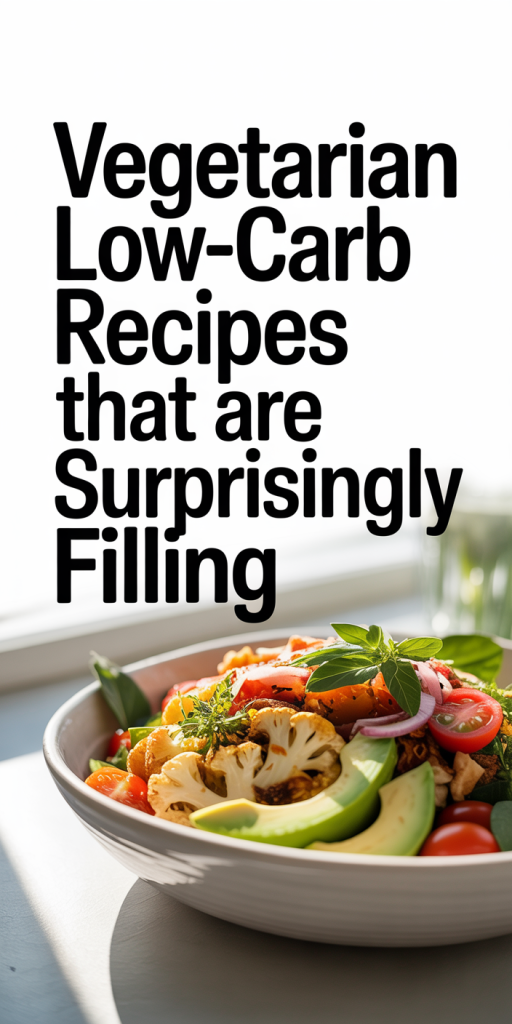
Vegetarian Low-Carb Recipes That Are Surprisingly Filling: 10 Satisfying Meals You Can Make This Week
I want food that keeps me full, fits a lower-carb approach, and doesn’t taste like a compromise. Luckily, vegetarian low-carb recipes can be both surprisingly filling and flavorful when I focus on the right ingredients and techniques. In this guide I’ll explain why low-carb vegetarian eating works, list pantry staples, share six satisfying recipes with quick tips, and give practical meal-prep, macro-balancing, and troubleshooting advice so you can cook confidently all week.
Why Low-Carb Vegetarian Eating Can Be Both Filling And Healthy
Low-carb and vegetarian sounds like a contradiction to some: carbs often carry the bulk of plant-based meals. But satiety, the feeling of fullness, doesn’t come only from carbs. Protein, healthy fats, fiber, and food volume play the main roles. When we restructure vegetarian meals around these elements, we get dishes that keep hunger at bay and deliver steady energy.
Why this works: protein slows gastric emptying and triggers fullness hormones: fat provides caloric density and mouthfeel: fiber bulks up meals without added digestible carbs: water and air (think soups, stews, and salads with volume) further increase satiety. Together, these let us eat less often and feel satisfied.
Health benefits beyond fullness: reducing refined carbs can improve blood sugar control, reduce triglycerides, and help with weight management. A thoughtfully planned low-carb vegetarian diet still supplies micronutrients, vitamin C, vitamin K, potassium, folate, especially when we emphasize a variety of vegetables, nuts, seeds, dairy (if used), and legumes in moderation.
Common misconceptions we’ve seen: (1) “Low-carb means low energy”, false when meals include quality fats and proteins. (2) “Vegetarian low-carb lacks protein”, not true if we use dairy, eggs, tofu, tempeh, seitan, legumes (in controlled portions), nuts, and seeds. (3) “It’s boring”, only if you stick to bland swaps. Using spices, different textures, and culinary techniques keeps dishes interesting and satisfying.
Key Low-Carb Vegetarian Ingredients To Stock Now
A smart pantry and fridge make low-carb vegetarian cooking fast and reliable. Here are ingredients we rely on:
- High-protein dairy: Greek yogurt (full fat or 2%), cottage cheese, ricotta. They’re versatile for breakfasts, dips, and desserts.
- Eggs: inexpensive, high-quality protein for any meal, boiled, baked, or scrambled.
- Tofu & tempeh: soy-based proteins that take flavors well: tempeh has more fiber and protein per ounce.
- Nuts & seeds: almonds, walnuts, pecans, chia, flax, hemp, great for crunch, healthy fats, and omega-3s.
- Low-carb vegetables: leafy greens, zucchini, cauliflower, broccoli, eggplant, bell peppers, mushrooms, asparagus. These form the bulk of our plates.
- Cauliflower & shirataki: cauliflower rice and shirataki noodles are low-carb bases for bowls and pastas.
- Legumes (judiciously): lentils and chickpeas in moderate portions, they add fiber and protein but carry carbs: we use them strategically.
- Healthy oils: extra-virgin olive oil, avocado oil, sesame oil, fat for satiety and flavor.
- Cheese: Parmesan, feta, halloumi, sharp cheddar, useful for texture and umami.
- Flavor enhancers: miso, nutritional yeast, tamari/soy sauce, vinegar, citrus, spices like smoked paprika, cumin, turmeric, za’atar.
- Low-carb condiments: tahini, mustard, pesto (watch sugar content), hot sauces.
When stocking, think versatile. A block of firm tofu can become stir-fry cubes, baked bites, or blended into creamy sauces. A head of cauliflower will appear as rice, mash, and a pizza crust. Buying staples in bulk and prepping them transforms weeknight decisions into five-minute choices.
6 Surprisingly Filling Low-Carb Vegetarian Recipes (With Quick Tips)
Below are six recipes that illustrate how vegetarian low-carb cooking can feel indulgent and sustaining. We include quick tips so you can tailor them fast.
Hearty Savory Breakfast: Cottage Cheese And Herb Shakshuka Skillet
We swap some tomatoes for red bell pepper and fold cottage cheese into the skillet for a creamy, protein-rich finish.
What to do: Sauté diced onion and bell pepper in olive oil until softened. Add chopped tomatoes (or cherry tomatoes halved), smoked paprika, cumin, and a pinch of chili. Make wells in the mixture and crack eggs into them. Cover and cook until eggs are set. Spoon dollops of well-drained full-fat cottage cheese and scatter chopped parsley and chives.
Why it fills: eggs + cottage cheese provide sustained protein: fat from olive oil and the cheese slows digestion: vegetables add volume.
Quick tip: If you want lower carbs, use fewer whole tomatoes and more roasted bell pepper and mushrooms for depth without extra sugar.
Protein-Packed Lunch: Cauliflower Rice Burrito Bowl With Crispy Tofu
This keeps the burrito-bowl vibe without tortillas. Cauliflower rice is seasoned with lime, cilantro, and a bit of cumin: crispy pan-fried tofu adds chew and protein.
What to do: Press and cube firm tofu, toss with a little tamari and cornstarch (or chickpea flour), pan-fry in avocado oil until golden. Pulse cauliflower florets to rice size, then lightly sauté with garlic, jalapeño, and lime. Assemble with shredded cabbage, pico-style tomatoes (use sparingly), avocado, and Greek yogurt mixed with lime and smoked paprika.
Why it fills: the crispy tofu delivers protein and texture: avocado and oil provide fat: cabbage and cauliflower give bulk.
Quick tip: Bake a tray of tofu cubes on Sunday for three lunches. Add different dressings to avoid boredom.
Comfort Dinner: Cheesy Eggplant And Walnut “Meat” Bake
We mimic a meaty texture using walnuts and mushrooms combined with eggplant and plenty of herbs, then top with cheese for melty satisfaction.
What to do: Roast sliced eggplant until soft. Pulse walnuts and sautéed mushrooms in a food processor with garlic, oregano, and a splash of tamari until coarse. Layer eggplant and walnut mixture in a baking dish, top with shredded mozzarella (or a mix of mozzarella and Parmesan), and bake until bubbly.
Why it fills: walnuts provide healthy fat and protein and create a dense mouthfeel: cheese adds fat and umami: eggplant soaks up flavors and yields volume.
Quick tip: Add a spoonful of tomato paste and red wine (optional) to the walnut mix for a deeper “ragu” flavor without loading carbs.
Light But Satisfying Salad: Warm Lentil And Roasted Veg Salad With Tahini Dressing
Although lentils carry carbs, they’re high in protein and fiber: when combined with lots of roasted low-carb veggies and a rich tahini dressing, they make a perfect mid-weight meal.
What to do: Roast zucchini, cauliflower florets, and cherry tomatoes with olive oil, salt, and cumin. Cook French green lentils (Puy) until tender but not mushy. Toss warm lentils with roasted veg, chopped fresh herbs, a squeeze of lemon, and a tahini-lemon dressing (tahini, lemon, water, garlic, salt).
Why it fills: lentils and tahini supply protein and fat: roasting concentrates flavors, making smaller portions feel more satisfying.
Quick tip: Keep lentils in the fridge for up to 5 days. Use them stirred into eggs or mixed into a low-carb stir-fry.
Snack Or Mini-Meal: Spiced Roasted Chickpeas With Avocado Dip
Roasted chickpeas are crunchy, savory, and portable. Pair them with a fatty avocado dip to balance carbs and heighten satiety.
What to do: Toss drained chickpeas with olive oil, smoked paprika, cumin, salt, and roast until crisp. Mash avocado with a squeeze of lime, chopped cilantro, and a pinch of salt for a quick dip.
Why it fills: chickpeas provide fiber and protein: avocado provides fat and smoothness, together they keep us satisfied longer than chips and salsa.
Quick tip: For a lower-carb swap, roast slices of halloumi or make spiced roasted almonds instead of chickpeas. Or use half a can chickpeas to reduce carbs but keep texture.
Low-Carb Dessert That Fills: Greek Yogurt Berry Parfait With Chia Crunch
We turn dessert into a small but filling course by focusing on protein-rich Greek yogurt and fiber-dense chia clusters.
What to do: Mix full-fat Greek yogurt with a little vanilla and lemon zest. Layer with a small handful of mixed berries (stew them lightly if you want more sauce), and top with a crunchy sprinkle made by toasting chia seeds with a touch of coconut flakes and chopped almonds.
Why it fills: Greek yogurt is high in protein and calcium: chia adds fiber and a pudding-like texture when moistened: nuts contribute fat and crunch.
Quick tip: Use frozen berries warmed with a dash of cinnamon to reduce sugar impact and prolong berry shelf life.
Meal-Prep And Batch-Cooking Strategies For Busy Weeks
To make vegetarian low-carb living practical, we lean on batch cooking and component prep. Here’s our typical approach for a week:
- Choose two proteins to prep: bake a tray of tofu/tempeh and hard-boil a dozen eggs (or prepare a large tub of seasoned cottage cheese). These are quick assembly pieces for salads, bowls, and breakfasts.
- Roast multiple veg at once: a sheet pan of mixed low-carb vegetables (cauliflower, eggplant, zucchini) can be used in wraps, salads, and as sides.
- Make a grain/alternative base: cauliflower rice keeps 4–5 days refrigerated: lentils and beans (in limited portions) should be cooked and portioned.
- Prepare dressings and flavor bases: tahini dressings, vinaigrettes, curry pastes, and a savory miso sauce last a week and convert bland food into exciting meals.
- Portioning: pre-portion meals into containers with protein, veg, and sauce separate. This prevents sogginess and helps with portion control.
- Quick reheat tricks: reheat roasted veg in a hot skillet rather than microwave to regain crispness: fresh herbs and a squeeze of acid (lemon, lime) revive flavors.
By prepping components instead of full meals, we maintain variety, mixing roasted veg with different proteins and sauces keeps lunches interesting without extra cooking time. Weekend 90–120 minute sessions set us up for five weekdays of minimal cooking.
Balancing Macros, Protein Sources, And Micronutrients On A Low-Carb Veg Diet
Macro balance and nutrient adequacy are vital. Here’s how we handle them in practical terms.
Protein: Aim for a protein source at each meal, eggs, dairy, tofu/tempeh, nuts/seeds, or measured portions of legumes. For most adults pursuing a low-carb vegetarian plan, 20–30 grams of protein at a main meal helps with satiety and muscle maintenance.
Fats: Include a portion of healthy fat every meal. This can be olive oil in a dressing, avocado, nut butter, or fatty dairy. Fats not only increase fullness but help absorb fat-soluble vitamins (A, D, E, K).
Carbohydrates: Prioritize fiber-rich vegetables and control starchy legumes or grains. When we do include lentils or chickpeas, we portion them, about 1/3 to 1/2 cup cooked, to keep net carbs moderate while benefiting from fiber and protein.
Micronutrients to watch:
- Vitamin B12: If we exclude animal products (vegan), B12 supplementation or fortified foods are essential. Vegetarians including dairy and eggs generally meet needs.
- Iron: Plant iron (non-heme) is less bioavailable: pair iron-rich foods (spinach, lentils, tofu) with vitamin C (bell pepper, lemon) to improve absorption.
- Calcium: Dairy is a rich source: otherwise use fortified plant milk, tahini, and leafy greens.
- Omega-3s: ALA from flax, chia, and walnuts helps: consider an algae-based EPA/DHA supplement if we aren’t eating fish.
Practical tracking tip: We don’t need rigid calorie counting, focus on plate composition: 1/4 protein, 1/4 starchy or legume (moderated), 1/2 non-starchy vegetables, plus a service of healthy fat. That simple visual works well for most of us.
Simple Cooking Techniques To Boost Satiety (Fats, Fiber, And Texture)
Texture and mouthfeel strongly influence how filling we perceive a meal to be. Small technique changes elevate satiety:
- Brown the proteins: Maillard reaction (browning) on tofu, tempeh, or eggplant increases savory notes and satisfaction. Dry the surface first and use a hot pan.
- Use layered textures: combine creamy (yogurt or tahini), crunchy (toasted nuts or seeds), and chewy (roasted mushrooms) components in one dish.
- Finish with fat: a drizzle of warm butter, sesame oil, or olive oil at the end releases aromas and signals richness to the brain.
- Add resistant starch where possible: cooled cooked cauliflower rice or refrigerated cooked lentils develop slightly different starch structures that slow digestion.
- Roast and char: roasting concentrates flavors so we eat less to feel satisfied. Charred edges on veg or a crisped cheese crust create pleasure with smaller portions.
- Bulk with fiber-rich greens: spinach, arugula, and cabbage add volume without many digestible carbs. Massaging kale or quick-sautéing leafy greens improves digestibility and flavor.
These techniques aren’t complicated: they require small adjustments, hot pan, a final fat finish, and a mix of textures, and dramatically change how filling a plate feels.
Shopping List, Pantry Staples, And Time-Saving Tools
A practical shopping list saves mental energy. Here’s a combined list we use, plus tools that speed cooking.
Pantry & Fridge Staples:
- Eggs, Greek yogurt, cottage cheese
- Firm tofu, tempeh
- Cauliflower, zucchini, eggplant, leafy greens
- Canned tomatoes (for sauces), canned chickpeas (optional), dried lentils
- Walnuts, almonds, chia seeds, hemp seeds
- Tahini, extra-virgin olive oil, avocado oil
- Tamari/soy sauce, miso paste, nutritional yeast
- Spices: smoked paprika, cumin, turmeric, cayenne, za’atar, oregano
- Vinegars: apple cider vinegar, red wine vinegar
- Cheese: Parmesan, feta, mozzarella
Time-saving Tools:
- High-quality nonstick skillet: for crispy tofu and quick sautés.
- Sheet pans: roast many vegetables at once.
- Food processor: makes walnut “meat,” cauliflower rice, and dressings in seconds.
- Instant pot/pressure cooker: speeds lentils and beans without babysitting.
- Immersion blender: quick tahini dressings and creamy soups.
When shopping, prioritize multipurpose items. A block of feta seasons salads, bowls, and bakes. Buying nuts and seeds in bulk often saves money and ensures we always have a crunchy option on hand.
Common Pitfalls, Troubleshooting, And How To Adjust Recipes For Preferences
Even with the best plans, we hit snags. Here are common problems and simple fixes.
Pitfall: Not feeling full after meals.
Fix: Increase protein and fat portions slightly, or add more high-volume vegetables (leafy greens, roasted cauliflower). Ensure a protein source at each meal.
Pitfall: Boredom with flavors.
Fix: Rotate sauces and spices. Use one basic protein (tofu) but change profiles, ginger-tamari, harissa-lemon, pesto, or switch textures (baked vs. pan-fried).
Pitfall: Digestive discomfort from legumes.
Fix: Soak and rinse beans, use smaller portions, or substitute with lentils (generally easier to digest). Introduce legumes gradually.
Pitfall: Excessive carb intake from hidden sources (store-bought dressings, sweetened yogurt).
Fix: Make dressings at home using olive oil, vinegar, and mustard: choose plain Greek yogurt and sweeten lightly with stevia or a small amount of honey if desired.
Adjusting for preferences:
- Vegan: Replace dairy with full-fat coconut yogurt or nut-based yogurts (watch added sugars), increase tofu/tempeh, and take B12.
- Gluten-free: Most vegetarian low-carb recipes are naturally gluten-free: avoid seitan and use tamari (gluten-free) instead of soy sauce if needed.
- Nut allergies: Use seeds (pumpkin, sunflower) as crunchy toppings and increase legumes or tofu for protein.
By troubleshooting proactively, we keep momentum. Taste as we cook, and don’t be afraid to add an acid (vinegar or lemon) at the end to brighten and make smaller portions feel more satisfying.
Sample 7-Day Low-Carb Vegetarian Meal Plan (Quick At-A-Glance)
This sample plan shows how to mix the recipes and strategies above into a practical week. Portions depend on individual needs: adjust protein and fat to feel satisfied.
Day 1
- Breakfast: Cottage cheese and herb shakshuka skillet (small portion of tomatoes)
- Lunch: Cauliflower rice burrito bowl with crispy tofu
- Snack: Spiced roasted chickpeas (small handful)
- Dinner: Cheesy eggplant and walnut “meat” bake
Day 2
- Breakfast: Greek yogurt berry parfait with chia crunch
- Lunch: Warm lentil and roasted veg salad with tahini dressing
- Snack: Sliced bell pepper with mashed avocado
- Dinner: Stir-fried tempeh with broccoli and sesame-ginger sauce over cauliflower rice
Day 3
- Breakfast: Omelet with spinach, feta, and mushrooms
- Lunch: Leftover eggplant bake with side salad
- Snack: Handful of walnuts and a small piece of cheese
- Dinner: Zucchini noodle primavera with roasted cherry tomatoes and Parmesan
Day 4
- Breakfast: Cottage cheese with sliced cucumber, smoked paprika, and dill
- Lunch: Tofu taco bowls (lettuce cups, avocado, pickled onion)
- Snack: Roasted almonds and a few berries
- Dinner: Lentil-stuffed bell peppers (use smaller lentil portion), served with tahini drizzle
Day 5
- Breakfast: Greek yogurt with chia-crunch and warmed berries
- Lunch: Roasted vegetable platter with herby yogurt dip and baked halloumi
- Snack: Hard-boiled egg and sliced radishes
- Dinner: Mushroom and walnut “meat” lettuce wraps with a spicy peanut sauce
Day 6
- Breakfast: Scrambled eggs with sautéed kale and Parmesan
- Lunch: Cauliflower rice sushi bowls with avocado and marinated tofu
- Snack: Celery sticks with almond butter
- Dinner: Eggplant and zucchini gratin with a side of roasted asparagus
Day 7
- Breakfast: Leftover cottage cheese shakshuka (reheated gently)
- Lunch: Warm lentil salad with roast veg and tahini dressing
- Snack: Greek yogurt with a sprinkle of toasted chia and nuts
- Dinner: Pan-seared halloumi, roasted Brussels sprouts, and a simple arugula salad
We recommend prepping key components, baked tofu, roasted veg, cooked lentils, on day 0 so most weekday meals assemble in under 10 minutes.
Conclusion
We don’t have to choose between vegetarian ethics and satisfying, low-carb meals. By prioritizing protein, healthy fats, fiber, and textural contrast, and by using straightforward meal-prep strategies, we can eat meals that keep us full and energized all week. The six recipes here show the range available, from savory breakfasts to comforting dinners and filling desserts. Start with a stocked pantry, batch a few components, and use the troubleshooting tips to fit meals to your tastes. Once you see how flavorful and sustaining vegetarian low-carb cooking can be, weeknight dinner will feel less like compromise and more like opportunity.