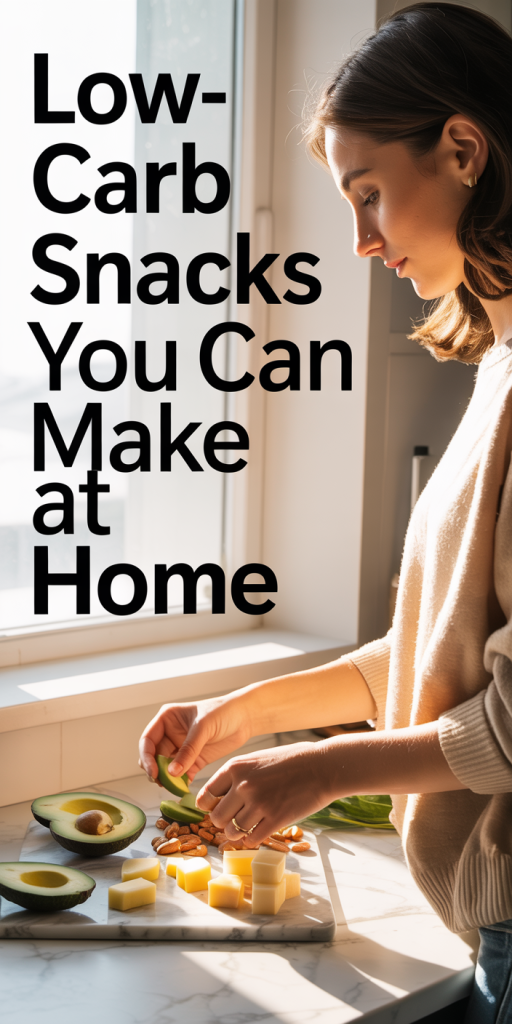
20 Easy Low-Carb Snacks You Can Make at Home (Quick, Healthy Ideas)
We all get snack attacks, midafternoon slumps, late-night cravings, or the pre-meeting nibble. The trick is reaching for something that satisfies without derailing our daily carb goals. That’s where low-carb snacks we can make at home come in: fast, flavorful, and tailored to our tastes. In this guide we share 20 easy recipes and practical strategies for keeping tasty low-carb options within arm’s reach. Whether you’re following keto, carb-conscious for metabolic health, or simply trying to eat cleaner, these ideas balance convenience, nutrition, and real-food ingredients. We’ll cover pantry staples, speedy savory and sweet recipes, portable options for work or travel, party-ready bites, plus batch-prep, storage, and substitution tips so you can snack smart all week long.
Why Low‑Carb Snacks Work: Benefits and When To Choose Them
Low-carb snacking isn’t just a trend, it’s a practical approach to steady energy, appetite control, and improved blood sugar regulation for many people. When we prioritize snacks that are lower in carbohydrates and higher in protein, fat, or fiber, we reduce quick glucose spikes that often lead to that familiar “crash and reach for more sugar” cycle.
Benefits we see consistently:
- Better satiety: Protein and fat take longer to digest, keeping hunger at bay between meals.
- Stable energy: Lower-carb options blunt rapid blood sugar swings, which helps concentration and mood.
- Weight-management support: Calorie density and appetite regulation combine to make it easier to avoid overeating.
- Practical for metabolic conditions: People managing insulin resistance, prediabetes, or type 2 diabetes often find low-carb snacks helpful.
When to choose low-carb snacks:
- Midday energy dips when we need sustained focus rather than a quick sugar hit.
- Pre- or post-workout if we’re balancing carbs across the day and prefer protein-rich recovery snacks.
- Travel or long meetings where healthy choices are limited.
- When we want to minimize cravings at night, a low-carb option can satisfy without fueling more desire for sweets.
A quick note: “Low-carb” is relative. For some of us, that means under 20–30 grams per day (ketogenic). For others, a snack with 5–10 grams of carbs is perfectly aligned with their goals. Later we’ll cover how to calculate net carbs for homemade snacks so we can tailor choices to our plan.
Pantry Staples, Fresh Ingredients, And Tools To Keep On Hand
A well-stocked low-carb pantry makes it easy to assemble satisfying snacks in minutes. Here are essentials we rely on:
Pantry staples:
- Nuts and seeds: almonds, walnuts, pecans, chia, flax, and sunflower seeds.
- Nut butters: natural peanut butter, almond butter, and tahini (no added sugar).
- Shelf-stable tuna or salmon: for quick protein-packed bites.
- Canned coconut milk (full-fat) for fat bombs and puddings.
- Low-carb sweeteners: stevia, erythritol, monk fruit blends (we’ll discuss choices later).
- Almond flour and coconut flour for quick baking and crisps.
- Spices and flavorings: garlic powder, smoked paprika, cinnamon, vanilla extract.
Fresh ingredients we keep on hand:
- Eggs: incredibly versatile, we use them for frittatas, muffins, and quick baking.
- Cheese: cheddar, parmesan, cream cheese, and mozzarella are snack MVPs.
- Avocados: creamy, nutrient-dense fat perfect for quick dips or cups.
- Vegetables: cucumbers, bell peppers, celery, zucchini, and cauliflower for dipping and roasting.
- Berries: strawberries, blueberries, raspberries, lower in carbs than many fruits and great for controlled sweet treats.
Tools that speed preparation:
- A small food processor or immersion blender for dips, energy bites, and chia puddings.
- Muffin tin: for mini frittatas and fat bombs.
- Oven and/or air fryer: for crispy snacks like cheese crisps and zucchini chips.
- Silicone baking mats: prevent sticking for baked crisps and make cleanup easier.
With these ingredients and tools, we can assemble most of the 20 snacks in this guide without extra shopping. The key is mixing fresher items with long-lasting staples so we always have an option.
Savory Low‑Carb Snacks You Can Make In Minutes
Here are savory ideas that come together quickly and deliver satisfying flavor with minimal carbs.
Cheese Crisps
Cheese crisps are the ultimate zero-carb crunchy snack if you choose full-fat hard cheeses like parmesan. Preheat the oven to 400°F (200°C). Spoon tablespoon-sized mounds of finely grated parmesan onto a silicone mat, flatten slightly, and bake 4–6 minutes until golden and crisp. We like to sprinkle a little smoked paprika or cracked pepper before baking for depth. Store in an airtight container for a day or two: they lose crispness if exposed to humidity.
Stuffed Mini Peppers With Herbed Cream Cheese
Mini sweet peppers are low in carbs and brilliant as vessels. Halve and remove seeds, then mix full-fat cream cheese with chopped chives, parsley, lemon zest, salt, and pepper. Pipe or spoon into pepper halves. These travel well and are visually appealing at parties. One pepper half is usually under 2 grams of carbs.
Avocado Tuna Cups
Mash avocado with lime juice, salt, and a pinch of chili flakes. Fold in drained canned tuna and a little diced celery for crunch. Spoon into halved cucumber rounds or use endive leaves. This snack is rich in healthy fats and protein, and we often prepare a batch for quick lunches.
Keto Meatballs With Garlic Dipping Sauce
Combine ground beef or turkey with an egg, grated parmesan, minced garlic, chopped parsley, salt, and pepper (substitute almond flour for breadcrumbs). Form into small meatballs and pan-sear or bake at 375°F (190°C) for 12–15 minutes. For the sauce, mix Greek yogurt or mayo with minced garlic, lemon juice, and dill. These keep well in the fridge and reheat in a skillet or microwave.
Sweet Low‑Carb Snacks That Satisfy Dessert Cravings
Dessert cravings don’t have to mean sugar binges. These sweet low-carb snacks use natural flavors and controlled sweetness to feel indulgent.
Greek Yogurt Bark With Berries And Nuts
Line a tray with parchment, spread thick full-fat Greek yogurt (or unsweetened coconut yogurt for dairy-free) into a thin layer, dot with halved berries, chopped nuts, and a light drizzle of a sugar-free sweetener or a tiny touch of honey if our carb budget allows. Freeze until solid, then break into pieces. Each piece can be portioned to keep carbs low while giving us a refreshing, creamy treat.
Keto Peanut Butter Fat Bombs
Melt 1/2 cup natural peanut butter with 1/4 cup coconut oil, stir in 1–2 tablespoons powdered erythritol and a splash of vanilla. Spoon into mini silicone molds and freeze until set. These are calorie-dense, so portion control is key, one or two small fat bombs usually does the trick.
Cocoa Almond Energy Bites (No Added Sugar)
Pulse 1 cup almonds, 2 tablespoons cocoa powder, 2 tablespoons chia seeds, 1–2 tablespoons monk fruit sweetener, and a tablespoon of water in a food processor until it forms a sticky dough. Roll into 12 small bites. They’re chewy, chocolaty, and hold up well in a sealed container.
Berry Chia Pudding Cups
Combine 3 tablespoons chia seeds with 1 cup unsweetened almond or coconut milk and 1/2 cup mashed mixed berries (fresh or thawed frozen). Sweeten modestly with stevia or erythritol to taste. Let it sit 10–15 minutes, stir, and refrigerate until set. Portion into small jars for grab-and-go dessert cups.
Low‑Carb Portable Snacks For Work, Travel, And School
Portability matters. These snacks travel well and stay low in carbs so we’re not tempted by vending machines.
Mini Frittata Muffins
Whisk 8 eggs with 1/2 cup heavy cream or unsweetened almond milk, salt, pepper, and herbs. Stir in chopped spinach, diced ham, and shredded cheddar. Divide into a greased muffin tin and bake at 350°F (175°C) for 16–20 minutes. These mini frittatas refrigerate for 4–5 days and reheat quickly. Each muffin is typically under 2 grams of carbs depending on add-ins.
Turkey Roll‑Ups With Veggie Sticks
Lay a slice of turkey or roast beef flat, spread a thin smear of cream cheese, add a thin pickle spear or julienned bell pepper, and roll. Secure with a toothpick. Pair with celery or cucumber sticks for crunch. They’re low-effort and easy to pack in a lunchbox.
Nuts, Seeds, And Savory Trail Mixes (Low‑Carb Versions)
Make a batch combining almonds, pecans, pumpkin seeds, a few unsweetened coconut chips, and a sprinkle of nutritional yeast for a cheesy note. Toss with a pinch of smoked paprika and sea salt. Keep portions to about a small handful (1–2 oz) to control calories and carbs. Homemade mixes beat store mixes that often include dried fruit or sugar-coated nuts.
Easy Party‑Style And Shareable Low‑Carb Snacks
Hosting doesn’t mean carbs have to take center stage. These shareable plates are crowd-pleasers.
Zucchini Parmesan Chips
Slice zucchini thin with a mandoline, brush lightly with olive oil, sprinkle with grated parmesan and Italian seasoning, and bake at 425°F (220°C) until crisp at the edges (about 12–15 minutes). They won’t be as crunchy as potato chips but deliver a satisfying savory bite with far fewer carbs.
Smoked Salmon Cucumber Bites
Top cucumber rounds with a dab of herbed cream cheese and a slice of smoked salmon. Finish with a sprig of dill and a squeeze of lemon. These are elegant, virtually carb-free, and very fast to assemble.
Buffalo Cauliflower Bites With Ranch Dip
Toss cauliflower florets in olive oil, buffalo hot sauce (or a mix of hot sauce and a little butter), and roast at 425°F until tender and slightly charred. Serve with a ranch dip made from Greek yogurt, lemon juice, and dried herbs. Cauliflower takes on bold flavors well and satisfies that nostalgia for wings without the carbs.
Batch Prep, Storage, And Reheating Tips
A little prep goes a long way when we want low-carb snacks ready during busy weeks.
Make‑Ahead Containers And Portioning Strategies
- Portion out nuts and trail mixes into single-serving bags or small jars to avoid overeating.
- Use small glass jars for chia pudding and yogurt bark pieces: they stack neatly and look inviting in the fridge.
- For savory snacks like mini frittatas and meatballs, arrange in meal-prep containers with compartments for fresh dippers (cucumber, cherry tomatoes) so we’re not tempted to add carbs.
- Label with dates. Most homemade low-carb snacks are best within 4–5 days refrigerated.
Freezing, Thawing, And Best‑Practice Reheating
- Freeze fat bombs, meatballs, and cheese crisps (separate layers with parchment) for up to 2–3 months. Thaw in the fridge overnight or at room temperature for 20–30 minutes.
- Reheat mini frittatas and meatballs in a 350°F oven for 8–10 minutes or in a skillet for a few minutes for better texture than the microwave.
- For crispy snacks (cheese crisps, zucchini chips), a quick 3–5 minute reheat in a 350°F oven or air fryer revives crispness. Microwaving can make them soggy, so we avoid it when possible.
- Store stuffed peppers and avocado-based snacks short-term: avocado oxidizes and browns, so squeeze lemon or lime juice on exposed flesh and keep them tightly sealed for 1–2 days.
Substitutions, Net Carbs, And Common Ingredient Swaps
Customizing recipes helps us keep snacks aligned with our dietary preferences and restrictions. Here’s what we swap and why.
Low‑Carb Sweeteners, Flours, And Dairy Alternatives
- Sweeteners: Erythritol and monk fruit blends are popular for their sugar-like texture and minimal glycemic impact. Stevia is potent, use it sparingly. We avoid maltitol or sorbitol in large amounts (they can cause digestive upset).
- Flours: Almond flour and coconut flour are our primary low-carb baking flours. Almond flour provides a moist texture: coconut flour absorbs more liquid and needs eggs or extra moisture.
- Dairy alternatives: Unsweetened almond, coconut, or macadamia milk work well in puddings and chia recipes. For creamy textures, canned coconut milk often mimics heavy cream.
How To Calculate Net Carbs For Homemade Snacks
Net carbs = total carbs − fiber − sugar alcohols (if applicable). When we make a recipe, we tally ingredients using nutrition labels or trusted food databases. For example, if a serving has 8g total carbs and 5g fiber, net carbs are 3g. If we use erythritol, we subtract it from total carbs because it doesn’t impact blood glucose for most people. Always double-check labels for sugar alcohols, some have small impacts and should be counted cautiously.
Troubleshooting Texture And Flavor Issues
- Too dry? Add a spoonful of full-fat yogurt, a beaten egg, or a splash of milk alternative depending on the recipe.
- Too crumbly in low-carb baking? Increase fat (butter or oil) slightly or reduce coconut flour if you used it.
- Not sweet enough? Try a small pinch of salt and a tiny extra amount of your chosen sweetener, sweetness perception changes when we remove sugar.
- Avocado browning? Acid (lemon or lime) slows oxidation. Store tightly sealed with plastic pressed to the surface.
Practical Tips For Sticking With Low‑Carb Snacking
Consistency beats perfection. These practical habits help us stay on track without feeling deprived.
Balancing Macros, Timing, And Portion Control
- Pair a little protein with some fat at snacks to maximize satiety (e.g., nuts + cheese, tuna + avocado).
- Time snacks around activity: a protein-forward snack before a workout can support performance, while a higher-fat snack may be better when we need calm, longer-lasting energy.
- Use smaller plates or containers to naturally limit portions. We pre-portion snacks into small containers so we don’t mindlessly nibble from a large bowl.
Smart Grocery Shopping And Meal Planning Habits
- Shop the perimeter first: fresh produce, dairy, and proteins live there. Avoid impulse buys in the middle aisles where sugary packaged snacks lurk.
- Keep a rotating list of 6–8 go-to recipes from this article and batch-cook one or two each weekend.
- Make snack prep part of our weekly routine: 20–40 minutes on Sunday can yield breakfasts, portable snacks, and party bites that make the rest of the week easier.
- When eating out or traveling, identify low-carb options before you go. Grilled proteins, salads with olive oil, and veggie sides are usually safe bets.
We’ve found that the fewer decisions we need to make during a busy day, the easier it is to stick with our plan. Prep + portable choices = success.
Conclusion
Low-carb snacks we can make at home prove that satisfying, flavorful eating doesn’t require processed bars or complicated recipes. With a few pantry staples, simple tools, and a handful of go-to recipes, we can handle cravings, maintain steady energy, and enjoy food that supports our goals. Start by picking three savory and three sweet options from this list to rotate through the week. Batch-prep what you can, portion mindfully, and tweak recipes with the swaps we discussed so they fit your carb targets and taste preferences. Small, consistent changes in how we snack add up, and by 2026 standards, these ideas keep us both practical and inspired.