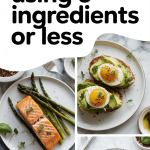
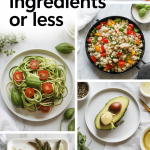
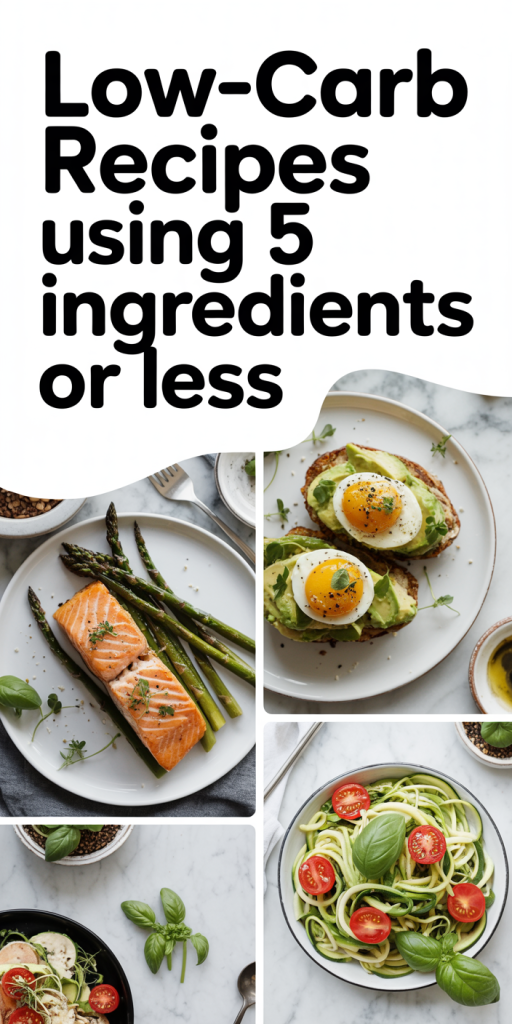
30 easy low-carb recipes with 5 ingredients or less
I know the calendar is full, the energy is low, and the last thing anyone wants to do after a long day is wrestle with complicated recipes. That’s why I created this collection of 30 low‑carb recipes using five ingredients or less, meals built for speed, flavor, and real life. Minimal shopping lists, minimal prep, and macros that play nicely with low‑carb goals. In the sections that follow I’ll cover why this approach works, the pantry staples I rely on, practical tips to boost flavor and keep carbs in check, and 30 precise recipes across breakfast, lunch/dinner, snacks, and desserts. Let me get cooking.
Why Low‑Carb With Five Ingredients Works — Health, Time, And Simplicity
Choosing low‑carb recipes that use five ingredients or less is about more than convenience. There are three big wins we keep returning to:
- Health: Fewer ingredients often means fewer hidden carbs, fewer processed additives, and better control over portions and macros. By focusing on whole foods, meat, fish, eggs, nonstarchy veg, nuts, and healthy fats, we naturally reduce added sugars and refined carbs.
- Time: Simplicity accelerates every step of the cooking process. Fewer components mean less chopping, fewer bowls to wash, and faster execution. For busy people, that time savings turns into consistency, it’s easier to stay on plan when meals are simple.
- Simplicity: A small ingredient list reduces decision fatigue. When we keep pantry staples and flavor boosters on hand, we can improvise dozens of dinners from a handful of items. That makes healthy eating sustainable, not punishing.
We’ll show that simple doesn’t equal boring. With smart techniques, roasting, searing, quick dressings, we get bold results with minimal inputs.
Kitchen Staples To Keep On Hand (10 Essentials)
Stocking a low‑carb pantry is the single best step to making five‑ingredient meals work. Here are ten essentials we recommend keeping on hand: they cover proteins, fats, veg, and simple flavorings.
Proteins: Quick Picks
- Eggs, versatile and fast. We use them for breakfasts, bakes, and binding for quick patties.
- Canned tuna or salmon, ready‑to‑go protein for salads or patties.
- Chicken thighs, forgiving, flavorful, and great roasted or pan‑seared.
Healthy Fats And Oils
- Extra‑virgin olive oil, finishing and dressings.
- Butter or ghee, for browning and richer flavor in low‑carb dishes.
Low‑Carb Vegetables To Rely On
- Zucchini, spiralizes into noodles, roasts well.
- Cauliflower, a stand‑in for rice or mash, and it roasts beautifully.
Simple Flavorings And Condiments
- Garlic (fresh or paste), small amounts make big differences.
- Lemon, brightens seafood, chicken, and dressings.
Convenient Pantry Items
- Parmesan cheese (block), grates for flavor concentration, crusts, and crisps.
These ten items cover a surprising number of recipes. Keep them topped up and you’ll rarely need more than five components for a meal.
Practical Tips For Success: Flavor, Time, And Macros
We can keep things simple without sacrificing flavor or dietary control. Here are practical strategies that help.
Flavor Boosts That Use Minimal Ingredients
- Citrus zest: A little lemon or lime zest lifts dishes more than juice alone.
- Toasted nuts or seeds: Add crunch and healthy fat, almonds, walnuts, or sesame seeds work wonders.
- Umami shortcuts: A small spoonful of miso or a sprinkle of parmesan amplifies savory notes.
Batch Prep And Freezing Strategies
- Roast a sheet pan of protein and veg: Double the recipe and refrigerate portions for 3–4 days.
- Freeze patties or meatballs individually on a tray, then transfer to a bag, reheats quickly in a skillet.
Easy Substitutions And How To Adjust Carb Counts
- Swap starchy veg for cauliflower or extra greens to drop carbs. For example, use cauliflower rice instead of regular rice.
- Swap honey/maple (not low‑carb) for a tiny bit of erythritol or omit sweeteners entirely in dressings.
- When tracking macros, weigh cooked portions and use a nutrition app, we prefer recording grams rather than estimating cups for accuracy.
With a few of these habits, five‑ingredient cooking becomes both efficient and flexible.
Breakfast Recipes (5 Ingredients Or Less)
Breakfast is where simplicity pays off daily. Here are six low‑carb recipes we use on rotation, each five ingredients or fewer.
Bacon‑And‑Egg Muffins
Ingredients: eggs, bacon, cheddar, spinach, salt.
We whisk eggs with a pinch of salt, fold in chopped cooked bacon, shredded cheddar, and wilted spinach. Bake in a muffin tin at 350°F (175°C) for 18–22 minutes. Portable, reheats well, and macros are high in protein and fat.
Avocado‑Baked Eggs
Ingredients: avocado, eggs, chili flakes, salt, lime.
Halve and pit an avocado, scoop a bit more flesh to create space, crack an egg into each half, season, and bake at 425°F (220°C) for about 12–15 minutes. Finish with lime and chili flakes.
Greek Yogurt With Berries And Nuts
Ingredients: full‑fat Greek yogurt, mixed berries, chopped walnuts, vanilla extract, cinnamon.
We keep this ultra‑simple: a cup of Greek yogurt, a small handful of berries, and nuts for texture. A dash of vanilla and cinnamon makes it feel indulgent while staying low‑carb.
Cottage Cheese And Cucumber Bowl
Ingredients: cottage cheese, cucumber, dill, lemon, black pepper.
Top a bowl of cottage cheese with diced cucumber, fresh dill, lemon zest, and cracked pepper. It’s hydrating, high in protein, and under five minutes.
Keto Almond Pancakes
Ingredients: almond flour, eggs, baking powder, butter, vanilla.
Whisk almond flour, eggs, a pinch of baking powder, and vanilla. Cook in butter over medium heat to golden brown. Serve with a pat of butter or a few berries.
Smoked Salmon Roll‑Ups
Ingredients: smoked salmon, cream cheese, chives, lemon zest, arugula.
Spread cream cheese on salmon slices, top with chives, lemon zest, and a few arugula leaves, then roll. Elegant, fast, and very low in carbs.
Lunch & Dinner Recipes (5 Ingredients Or Less)
These six mains are built for flavor and speed, protein forward, packed with vegetables, and each uses five ingredients or fewer.
Garlic Butter Salmon Fillets
Ingredients: salmon fillets, butter, garlic, lemon, parsley.
Sear salmon skin‑side down until crisp, flip, and add butter and minced garlic to baste. Finish with lemon and parsley. Serve with a simple green salad or roasted asparagus.
Chicken Thighs With Rosemary And Lemon
Ingredients: bone‑in chicken thighs, fresh rosemary, lemon, olive oil, salt.
Rub thighs with oil, salt, and chopped rosemary. Roast at 425°F (220°C) about 30–35 minutes until the skin is crispy. Lemon wedges squeezed over the top cut the fat and brighten the dish.
Zucchini Noodles With Pesto
Ingredients: zucchini, pesto (store or homemade, basil, pine nuts, parmesan, olive oil), cherry tomatoes, parmesan, salt.
Spiralize zucchini and lightly sauté to warm. Toss with pesto and halved cherry tomatoes, then sprinkle parmesan. Use a pesto with no added sugar to keep carbs down.
Beef And Broccoli Stir‑Fry
Ingredients: flank steak, broccoli, soy sauce or tamari, garlic, sesame oil.
Thinly slice steak and sear in a hot pan. Add broccoli, a splash of soy sauce, minced garlic, and a drizzle of sesame oil. Finish with a quick toss, serve over cauliflower rice if desired.
Caprese Stuffed Portobello Mushrooms
Ingredients: large portobello caps, fresh mozzarella, tomato, basil, balsamic reduction.
Remove stems, stuff caps with slices of mozzarella and tomato, bake 12–15 minutes at 400°F (200°C), and finish with basil and a few drops of balsamic reduction for sweetness without extra carbs.
Shrimp Scampi Over Spaghetti Squash
Ingredients: shrimp, garlic, butter, lemon, spaghetti squash.
Roast spaghetti squash halves, shred the flesh, then sauté shrimp in butter and garlic. Toss shrimp with the squash and lemon juice for a light, low‑carb twist on scampi.
Snacks, Sides & Quick Bites (5 Ingredients Or Less)
Low‑carb snacking keeps energy steady between meals. These six bites offer variety and are micro‑meals in themselves.
Herbed Cream Cheese And Veggie Platter
Ingredients: cream cheese, fresh herbs (chives, dill), radishes, cucumber, celery.
Mix chopped herbs into cream cheese and serve with sliced veggies. It’s crunchy, satisfying, and under 5 minutes to assemble.
Parmesan Crisps
Ingredients: grated parmesan, black pepper, optional smoked paprika.
Spoon small mounds of grated parmesan onto parchment and bake at 400°F (200°C) until melted and crisp (5–7 minutes). Great as a crunchy snack or salad topper.
Prosciutto‑Wrapped Asparagus
Ingredients: asparagus spears, prosciutto, olive oil, lemon zest, pepper.
Wrap spears with prosciutto, drizzle with oil and roast 10–12 minutes until tender. The prosciutto crisps and packs savory flavor with almost no carbs.
Simple Guacamole With Pork Rinds
Ingredients: avocados, lime, salt, cilantro, pork rinds.
Mash avocado with lime, cilantro, and salt. Scoop with pork rinds for a crunchy, zero‑net‑carb chip alternative.
Roasted Garlic Cauliflower Mash
Ingredients: cauliflower, garlic, butter, cream (or cream cheese), salt.
Roast cauliflower and garlic until caramelized, then blend with butter and a splash of cream for a silky mash that replaces potatoes.
Caprese Skewers With Balsamic Glaze
Ingredients: cherry tomatoes, mini mozzarella balls, basil leaves, balsamic reduction, salt.
Thread tomatoes, mozzarella, and basil onto skewers and finish with a tiny drizzle of balsamic reduction, simple, elegant, and portable.
Simple Low‑Carb Desserts (5 Ingredients Or Less)
Yes, we still get dessert. These four sweets satisfy a sweet tooth without wrecking low‑carb progress.
Dark Chocolate Almond Bark
Ingredients: 85% (or higher) dark chocolate, toasted almonds, sea salt, vanilla (optional).
Melt dark chocolate, stir in toasted almonds, spread thin, and sprinkle with sea salt. Chill until set and break into pieces, rich, satisfying, and portion‑friendly.
Whipped Coconut Cream With Berries
Ingredients: chilled canned coconut cream, vanilla, berries, lemon zest.
Scoop the firm cream from chilled cans, whip with vanilla and a touch of lemon zest, and top with a few berries. Light, dairy‑free, and naturally low in carbs.
Peanut Butter Fat Bombs
Ingredients: natural peanut butter, coconut oil, unsweetened cocoa powder, a pinch of salt.
Mix equal parts peanut butter and coconut oil, sweeten to taste with a sugar substitute or leave unsweetened, stir in cocoa, chill in molds. Little bites of concentrated fats to satisfy cravings.
Baked Cinnamon Apples With Ricotta
Ingredients: small apple, ricotta, cinnamon, lemon juice, optional erythritol.
Core and halve a small apple, sprinkle with lemon and cinnamon, and bake until tender. Serve with a spoonful of ricotta, this uses a small apple to keep carbs reasonable and feels indulgent.
How To Scale, Store, And Track Your Meals
Simplicity in recipes should extend to scaling, storage, and tracking. Here’s how we make it practical for weekly life.
Portion Scaling And Serving Suggestions
- Double or triple core recipes: Most five‑ingredient dishes scale linearly. If roasting chicken thighs, roast a tray for the week.
- Plate balancing: Pair a protein portion (3–6 oz) with two cups of low‑carb veg and a tablespoon of fat to keep macros stable.
Storage, Reheating, And Shelf Life Tips
- Refrigerate cooked meals in airtight containers for 3–4 days.
- Freeze individual portions for 2–3 months, flash freeze on a tray first to avoid clumping.
- Reheat proteins gently: reheat in a skillet with a splash of water or oil to preserve texture rather than microwaving hot and dry.
Quick Ways To Track Macros Without Stress
- Use a scale: Weigh cooked portions once and save those weights in your tracking app to avoid repeated measurements.
- Save favorite meals as templates in your app so you can log with one tap.
- Track carbs with a focus on net carbs (total carbs minus fiber and sugar alcohols) if that’s your chosen method, just be consistent.
These small practices reduce friction and make it far more likely we’ll keep the habit of simple, low‑carb cooking.
Conclusion
We’ve shown that low‑carb cooking doesn’t have to be complicated or time consuming. With a few pantry staples, sensible substitutions, and a handful of quick techniques, roasting, searing, and smart seasoning, you can build satisfying breakfasts, mains, snacks, and desserts using five ingredients or less. The real benefit is consistency: fewer barriers to cooking at home, better control over macros, and more energy to spend on the things we value. Try picking three recipes from this list to rotate weekly: once those become routine, stash a few extras for variety. Minimal ingredients, maximum results, that’s how we keep eating well without the hassle.