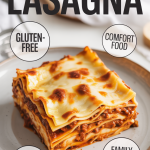
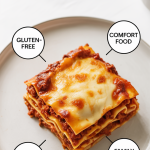
How To Make Gluten-Free Lasagna
Gluten-free cooking can feel like a challenging job, especially when it comes to beloved dishes like lasagna. But fear not. We’re diving into the world of gluten-free ingredients, preparing the perfect layers, and finishing it off with delightful pairings. By the end of this guide, you’ll be ready to impress your family and friends with a scrumptious gluten-free lasagna that everyone will love.
Understanding Gluten-Free Ingredients
When it comes to gluten-free lasagna, our first step is understanding the ingredients we’ll be using.
Choosing Gluten-Free Noodles
Not all pasta is created equal, especially when we venture into gluten-free territory. We have options like rice, quinoa, and corn-based noodles, which are widely available. But let’s not forget about the innovative gluten-free brands that now offer lasagna noodles made from a blend of these ingredients. Always check labels for certifications to ensure they’re gluten-free and keep an eye on the cooking times as they may differ from traditional pasta.
Substituting Traditional Fillings
Traditional lasagna often contains a rich array of cheeses, meats, and vegetables. Luckily, the beauty of gluten-free cooking is our ability to substitute without sacrificing flavor. For cheeses, we can use ricotta, cottage cheese, and mozzarella, which are all naturally gluten-free. When it comes to meat, whether it’s ground beef, sausage, or turkey, these protein options are inherently gluten-free, but we should always verify that no gluten-containing fillers have been added.
Selecting Sauces and Seasonings
Sauces can be a hidden source of gluten, particularly in commercial brands. Opt for gluten-free labeled marinara or be adventurous and whip up our own from fresh tomatoes, herbs, and spices. As for seasonings, most dry spices are gluten-free, but it’s wise to double-check any blends that might contain gluten as a stabilizer.
Choosing the right ingredients sets the foundation for a lasagna that delights and satisfies. We’re well on our way to crafting a beautiful, gluten-free dish.
Preparing Your Gluten-Free Lasagna
Preparation is key when it comes to putting together our gluten-free lasagna. Let’s explore the techniques that will make layering and baking a breeze.
Layering Techniques for Optimal Taste
Layering is an art. We recommend starting with a base layer of sauce to prevent sticking, then alternate between noodles, cheese, sauce, and any additional fillings. This method ensures each bite is filled with flavor. Remember, if we’re using dry gluten-free noodles, they may need to be pre-cooked depending on the brand: always check the packaging.
Creating a beautiful top layer with cheese can be a game changer. We might choose a combination of mozzarella for melting and Parmesan for a salty punch.
Baking Instructions and Tips
Baking our lasagna is where the magic happens. We preheat our oven to 375°F (190°C). Cover the dish with foil to prevent the top from browning too quickly, removing it during the last 15-20 minutes to allow the cheese to get that golden, bubbly finish. Usually, it takes about 45 minutes to an hour to bake thoroughly. To check for doneness, we can insert a knife into the center: if it comes out hot, we’re good to go. Allowing our lasagna to sit for about 15 minutes after baking ensures the layers hold when we slice into it.
Serving and Storing Your Lasagna
Serving our gluten-free lasagna can be as enjoyable as making it. Let’s explore the best ways to enjoy this dish while also discussing storage tips.
Best Pairings for Gluten-Free Lasagna
The beauty of lasagna is how well it pairs with various sides. A fresh, crisp salad with a zesty vinaigrette complements the richness of the lasagna beautifully. We might also consider roasted vegetables or a simple garlic bread made from gluten-free bread.
Storing Leftovers
Leftover lasagna is a delightful treat, and storing it properly extends its life. Allow the dish to cool before covering it with plastic wrap or transferring it into an airtight container. Refrigerated, it will last for up to 4 days: in the freezer, it can hold strong for up to 3 months. Reheating is best done in the oven to retain that freshly baked texture, rather than the microwave, which can cause it to become soggy.

Creative Variations on Traditional Recipes
Let’s not limit ourselves. There are so many ways to make our gluten-free lasagna that fit various tastes and dietary preferences.
Vegetarian Options
Vegetarian lasagna is a fantastic, colorful option. Instead of meat, we can pile in layers of spinach, mushrooms, zucchini, and any other seasonal vegetables we adore. A white sauce or even pesto makes for a delicious alternative to the traditional marinara.
Meat Lover’s Version
For those who can’t resist a hearty meal, a meat lover’s version is ideal. We can mix ground beef, sausage, and even layer in some cooked bacon for an added smoky flavor. Combining multiple meats enhances the richness of our dish.
Experimenting with Different Cheeses
Cheese is central to the flavor profile of lasagna, and we have plenty of choices to explore.
The classic mozzarella provides that gooey melt, but we can also experiment with other cheeses like ricotta, provolone, and even goat cheese for a tangy twist. Mixing different cheeses can elevate the flavor profile from classic to gourmet. Let’s not forget to include some grated Parmesan on top for that extra depth of flavor.
Conclusion
To conclude, we’ve broken down the steps to create a delicious gluten-free lasagna that doesn’t compromise on taste. By understanding gluten-free ingredients, mastering our layering techniques, and being creative with variations, we can enjoy this classic dish regardless of dietary restrictions. So let’s get cooking, and make our next family meal a gluten-free celebration everyone will enjoy.