The Protein-First Breakfast Trick: How To Feel Full, Burn Fat, And Power Your Morning
We’ve all been sold the idea that breakfast should be quick, carb-heavy, and comforting, a bagel, a bowl of cereal, or toast with jam. Trouble is, those choices often leave us hungry mid-morning, reaching for snacks, or suffering energy crashes that derail productivity. The protein-first breakfast trick flips that script: we prioritize high-quality protein at the start of the day so we feel fuller, support muscle, and steady our metabolism. In this 2026 guide we’ll explain exactly what protein-first means, the simple science behind it, how much protein to aim for, realistic meal options (including quick and vegan swaps), and the common mistakes people make. We’ll keep it practical, no fads, just evidence-based steps you can apply tomorrow morning.
What The Protein-First Breakfast Actually Means
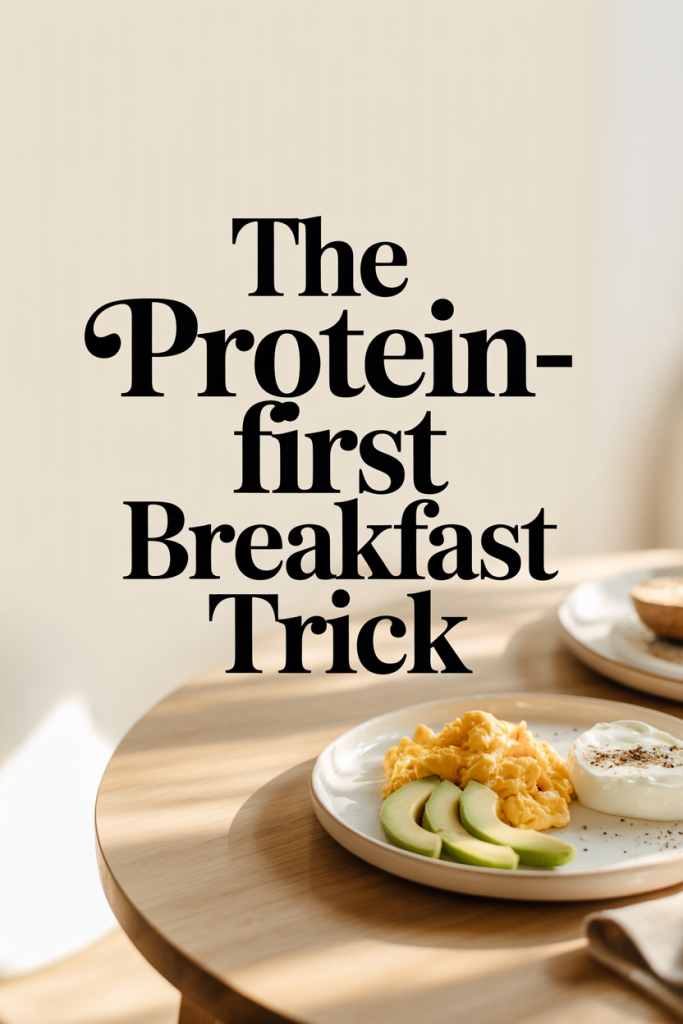
We use the phrase “protein-first” to describe an intentional approach: the majority of calories and attention at breakfast come from protein-rich foods rather than refined carbohydrates or sugary items. That doesn’t mean carbs are banned, they still play a role for taste, fiber, and quick energy, but protein becomes the anchor of the meal. Practically speaking, a protein-first breakfast looks like eggs with veggies, Greek yogurt with nuts and berries, a protein shake with spinach and oats, or even a tofu scramble with whole-grain toast on the side.
Why prioritize protein first thing? Two big reasons. First, protein promotes satiety more reliably than carbohydrates or fats, so we’re less likely to snack before lunch. Second, protein supports muscle protein synthesis, which matters whether we lift heavy weights or simply want to preserve muscle mass as we age. A protein-first meal sets the hormonal and metabolic tone for the day, reducing hunger signals and creating a steadier blood-sugar profile compared with a carb-dominant breakfast.
We’ll stress practicality: protein-first isn’t an all-or-nothing rule. If you love pancakes on Saturday, have them. The strategy is about shifting our habitual weekday breakfasts so most mornings start with a protein-forward option that helps us feel full, clear-headed, and less prone to cravings.
Why Protein-First Works: The Science In Plain English
There’s a lot packed into the phrase “protein-first,” but the reasons it works are grounded in physiology we can explain without jargon. When we eat protein, several useful things happen: our stomach empties a bit more slowly, hormones that tell the brain we’re full increase, and our body prioritizes amino acids to maintain muscle tissue. Combined, these effects reduce hunger, blunt blood sugar swings, and keep our resting metabolic rate steadier.
We’ll take the science step by step and focus on practical implications: what we feel (less hunger, more sustained energy), what we preserve (muscle), and what we reduce (mindless snacking and overeating later in the day). The studies consistently show higher-protein breakfasts lead to lower calorie intake across the following 24 hours in many, though not all, trials, and for most of us that’s enough to produce meaningful changes in body composition when paired with sensible overall calorie balance.
How Protein Affects Hunger Hormones And Satiety
Protein exerts its appetite-control effects largely through hormone signaling. Two hormones we care about are ghrelin (the “hunger hormone”) and peptide YY / GLP-1 (satiety hormones). After a protein-rich meal, ghrelin levels tend to fall faster and stay lower than after a high-carb meal. At the same time, protein stimulates release of peptide YY and GLP-1, which tell our brain we’re satisfied.
The outcome is noticeable: meals higher in protein tend to reduce subsequent food intake and lower the frequency of snacking. We also experience fewer sugar-driven energy dips because protein slows gastric emptying, food leaves the stomach more slowly, creating a steady release of nutrients into the bloodstream rather than a rapid sugar spike and crash. That steadiness is what makes mornings more productive: we spend less mental energy battling cravings and more on the work at hand.
A practical takeaway: when we start the day with 20–40 grams of protein, the hormonal environment favors controlled appetite and fewer mid-morning interruptions. That range isn’t arbitrary, it’s what multiple feeding studies have found to reliably affect satiety in adults of varied sizes.
Impact On Metabolism, Muscle Preservation, And Energy Levels
Beyond appetite, protein supports metabolism and muscle. Muscle tissue burns more calories at rest than fat tissue, and preserving muscle becomes important as we age or if we’re aiming to lose fat. Protein supplies the amino acids the body needs to repair and build muscle, especially after resistance exercise. That means our breakfast choice can influence how our body partitions energy throughout the day.
Protein also has a higher thermic effect of food (TEF) than carbs or fat. Simply put, digesting and processing protein uses more energy, which slightly increases calorie expenditure after a meal. It’s not a magic bullet, but those incremental metabolic advantages add up over time when combined with activity and a steady calorie strategy.
Finally, protein helps maintain steady energy levels. When breakfast is protein-forward, glucose release is less volatile: our brains get a more consistent fuel supply. We notice better concentration and fewer mid-morning crashes, the kind that drive us toward sugary coffee drinks or vending-machine snacks. For people who exercise in the morning, having protein available also supports recovery and keeps us from entering the day in a catabolic (muscle-breaking) state.
How Much Protein To Aim For In The Morning
How much protein should we target at breakfast? Practical guidance depends on our goals, body size, and overall daily intake, but here are simple rules we can apply immediately:
- General maintenance and appetite control: aim for 20–30 grams of protein at breakfast. That range has consistently been linked to improved satiety and reduced intake later in the day.
- For muscle building or older adults: target 30–40 grams in the morning, especially if we trained in the previous day or plan a resistance workout later. Older adults typically need higher per-meal protein to stimulate muscle protein synthesis.
- If we track daily protein: a common recommendation is 1.2–1.6 g/kg of body weight for active adults and up to 2.0 g/kg for those in a calorie deficit who want to retain muscle. Divide that across meals, and breakfast should provide one of the larger shares, roughly 25–35% of total daily protein.
We’ll keep it simple: if you weigh 80 kg and aim for 1.6 g/kg (128 g/day), shooting for 30–35 g at breakfast is reasonable. For many people, a 20–30 g target is a transformative, achievable step that improves appetite control without overcomplicating meal prep.
Practical Protein-First Breakfast Ideas For Every Morning
We need breakfasts that fit real life: some mornings we have 5 minutes, other days we’ve time to cook. Here are flexible, protein-first templates and specific examples so we can pick what fits our schedule and preferences.
- Egg-based breakfasts: eggs are versatile, affordable, and ~6–7 g protein each. Scrambles, omelets with veggies and cheese, or hard-boiled eggs with avocado make solid protein anchors.
- Dairy and dairy-alternatives: Greek yogurt, Skyr, cottage cheese, or high-protein plant yogurts provide 15–20+ grams per serving: pair with nuts and fruit for texture and fiber.
- Smoothies and shakes: whey, casein, or plant-based protein powders mixed with milk or fortified plant milk, nut butter, spinach, and oats produce 20–40 g in minutes.
- Meat and fish: smoked salmon, turkey sausage, or leftover roasted chicken can be combined with whole-grain toast or a salad for a savory start.
- Plant-forward choices: tofu scrambles, tempeh bacon, seitan slices, or chickpea-based pancakes are great for vegetarians and vegans: combine with seeds, nut butter, or fortified plant milks to boost protein.
We’ll also talk about portioning: pair 20–30 g protein with 1 serving of whole grains or fruit and a vegetable when possible. That keeps the meal balanced and satisfying without over-relying on fats or sugars for satiety.
Quick 5‑Minute Protein-First Options
Busy mornings don’t have to mean carb-heavy defaults. Here are rapid protein-first options we can assemble in five minutes or less:
- Greek yogurt (1 cup) + 2 tbsp chopped nuts + ½ cup berries, ~25 g protein depending on yogurt.
- Protein shake: 1 scoop whey or plant protein + 8–10 oz milk/plant milk + a handful of spinach, ~20–35 g.
- Cottage cheese (1 cup) with sliced tomato and black pepper, plus a slice of whole-grain toast, ~25–28 g.
- Hard-boiled eggs (2–3) with fruit and a small handful of almonds, ~14–21 g: add a slice of turkey or cheese to reach 20+ g.
- Tofu scramble made quickly in a microwave: crumbled firm tofu, turmeric, and spinach, ~15–20 g depending on portion: pair with a small grain for balance.
We find that prepping a few core ingredients (cooked eggs, portioned yogurt, or pre-measured protein powder) makes these options nearly effortless. Keep staples on hand so the default is protein-first rather than fast carbs.
Meal-Prep Strategies And Vegetarian/Vegan Swaps
Meal prep makes protein-first sustainable. We recommend batching 6–8 breakfasts at once or preparing protein components that combine quickly during the week.
Batch ideas:
- Hard-boiled eggs: cook a dozen at once and refrigerate for 4–5 days.
- Overnight oats with protein: mix oats, milk, 1 scoop protein powder, and chia seeds in jars: top with fruit in the morning.
- Baked tofu or tempeh strips: season, bake, and add to salads, wraps, or toast.
- Egg muffins: whisk eggs, add veggies and cheese, pour into muffin tins and bake. Reheat for 30–60 seconds.
Vegetarian and vegan swaps:
- Dairy-free yogurt fortified with pea or soy protein can approach the protein levels of Greek yogurt when chosen carefully.
- Legume-based options: chickpea flour pancakes, lentil-based spreads (like mujaddara-style leftovers), or hummus on sprouted toast paired with seeds.
- High-protein grains/seeds: amaranth, quinoa, hemp seeds, and chia provide extra protein when combined thoughtfully.
We’ll emphasize balance: plant-based proteins are sometimes less concentrated in certain amino acids, so pairing different sources across the day helps ensure we get all essential amino acids. Combining beans with grains, or using a fortified plant protein powder, keeps things simple and complete.
Common Mistakes With Protein-First Breakfasts And How To Fix Them
Even with the best intentions, it’s easy to make mistakes that dilute the benefits of a protein-first approach. We see the same pitfalls again and again, and each has a straightforward fix.
Mistake 1: Counting low-protein foods as “protein”, e.g., a bagel with peanut butter that looks substantial but contains only 6–8 g of protein. Fix: measure or estimate protein. Add a Greek yogurt, an egg, or a scoop of protein powder to reach your target.
Mistake 2: Relying on processed “protein” bars or cereals that are high in sugar and low in quality protein. Fix: read labels for complete protein sources and minimal added sugars. Opt for whole-food proteins when possible.
Mistake 3: Skipping carbs and fiber, going so protein-heavy we miss out on fiber, leading to digestive discomfort or boredom. Fix: include a small portion of whole grains, fruit, or vegetables for fiber and micronutrients.
Mistake 4: Not planning for taste and variety, which causes people to revert to old habits. Fix: rotate flavors and formats (savory, sweet, smoothies, warm, cold) and use herbs, spices, and condiments to keep breakfasts interesting.
Mistake 5: Assuming protein alone will create weight loss without attention to calories. Fix: use protein-first to control appetite, but still be mindful of total energy intake and healthy food choices throughout the day.
Addressing these mistakes keeps the approach practical and sustainable. Small changes, like adding an egg or choosing low-sugar Greek yogurt, often unlock the biggest wins.
Conclusion
The protein-first breakfast trick is simple but powerful: make protein the anchor of the first meal so we stay full, protect muscle, and steady our energy. We don’t need perfect adherence, small, consistent changes matter most. Start by aiming for 20–30 grams of protein at breakfast, keep quick options on hand, and avoid the common label traps that masquerade as high-protein foods. Over a few weeks we’ll likely notice fewer mid-morning cravings, steadier focus, and better control of calories across the day. Try one new protein-first breakfast this week and see how the morning feels, we suspect you’ll stick with it.