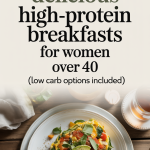
20 Delicious High-Protein Breakfasts For Women Over 40 (Low-Carb Options Included) — Energize Your Mornings With Simple, Satisfying Recipes
As women move through their 40s, mornings can feel different: energy dips, shifting hormones, and a metabolism that rewards smarter food choices. A high-protein breakfast helps stabilize blood sugar, supports muscle mass, and keeps us full longer, exactly what we need to handle busy lives and evolving health goals. In this guide we’ll explain why protein matters after 40, show how to build balanced low-carb options, and give 20 ready-to-make recipes with ingredients and instructions so you can start the day energized. We focus on simple, time-smart recipes, many are meal-prepable and adaptable to dietary needs.
Why High-Protein Breakfasts Matter After 40
After 40, our bodies change: lean muscle mass gradually declines (sarcopenia risk), estrogen and other hormone shifts affect energy and appetite, and insulin sensitivity can worsen. Protein at breakfast addresses these issues in three practical ways.
- Preserve and build muscle: Protein supplies amino acids needed for muscle protein synthesis. Consistently eating 20–30 grams of high-quality protein in the morning helps maintain strength and metabolic rate.
- Improve satiety and blood sugar control: Protein slows digestion and reduces mid-morning cravings. That steadier blood glucose pattern helps with weight management and mood stability.
- Support bone and metabolic health: Along with calcium and vitamin D, adequate dietary protein supports bone remodeling, important as osteoporosis risk rises.
We also need to consider caloric balance and individual goals: some of us aim for weight loss, others maintenance or muscle gain. High-protein breakfasts can be tailored, lower-carb for better glucose control, slightly higher carbs around workouts for energy, or moderate fats for satiety.
Practical targets: aim for ~20–35 grams of protein at breakfast, depending on body size and activity level. Pair protein with fiber-rich veggies or whole-food carbs and healthy fats to create balanced meals that sustain us through busy mornings.
How To Build Balanced High-Protein, Low-Carb Breakfasts: Portions, Macros, And Pantry Staples
Building a balanced high-protein, low-carb breakfast is about composition, not deprivation. Here’s a simple framework we use.
Portion and macro guide
- Protein: 20–35 g. Examples: 3 large eggs (18–21 g), 6 oz Greek yogurt (15–20 g), 3–4 oz cooked chicken or salmon (20–25 g), or a 1-scoop whey/plant protein shake (20–25 g).
- Carbs: 10–40 g depending on goals. For low-carb options keep net carbs under ~20–25 g: include fibrous vegetables and small portions of berries or oats if desired.
- Fats: 10–20 g for satiety, olive oil, avocado, nuts, or seeds.
Pantry and fridge staples to keep on hand
- Eggs, plain Greek yogurt, cottage cheese
- Canned tuna/salmon, smoked salmon, lean deli turkey
- Unsweetened protein powder (whey or plant)
- Nuts, seeds, nut butters
- Low-carb veggies: spinach, kale, bell pepper, zucchini
- Berries, oats (rolled), whole-grain bread (optional)
- Healthy fats: olive oil, avocado, ghee
Building meals quickly
- Start with a protein base (eggs, dairy, or fish).
- Add non-starchy vegetables for fiber and volume.
- Include one fat source for satiety.
- If you train in the morning, add a small complex carb (½ banana, ¼–⅓ cup cooked oats) to fuel performance.
Swap ideas and allergy notes
- Dairy-free: use silken tofu, unsweetened plant yogurt, or protein powder blended with nut milk.
- Vegetarian: focus on eggs, dairy, legumes (limited for low-carb), and high-protein grains like quinoa.
- Gluten-free: most recipes below are naturally gluten-free: swap bread/oats for certified gluten-free versions.
Portion it for convenience: divide cooked scrambled eggs, cooked chicken, or baked egg muffins into single-serving containers for 3–4 days. Store Greek yogurt and toppings separately to keep textures fresh.
20 High-Protein Breakfast Ideas For Women Over 40 (Quick Recipes, Low-Carb Options, And Serving Notes)
We’ve organized 20 quick recipes that deliver solid protein and real flavor. Each entry lists ingredients and concise instructions. Where relevant, we note low-carb swaps.
- Spinach & Feta Egg Scramble (Serves 1)
Ingredients: 3 large eggs, 1 cup baby spinach, 1 oz feta, 1 tsp olive oil, salt, pepper.
Instructions: Heat oil, wilt spinach 1–2 min, whisk eggs, add to pan and scramble with spinach. Top with crumbled feta. Serve with a few cherry tomatoes. Protein ~21 g. Low-carb: yes.
2. Greek Yogurt Power Bowl
Ingredients: 1 cup plain Greek yogurt, 2 tbsp chopped almonds, ¼ cup mixed berries, 1 tsp chia seeds.
Instructions: Stir yogurt, top with nuts, berries, chia. Optional drizzle of cinnamon. Protein ~22 g. Low-carb: use fewer berries.
3. Smoked Salmon & Avocado Plate
Ingredients: 3 oz smoked salmon, ½ avocado, 1 cup arugula, lemon, pepper.
Instructions: Plate salmon and sliced avocado over greens, squeeze lemon, season. Protein ~17–20 g. Low-carb: yes.
4. Cottage Cheese with Cinnamon Pear
Ingredients: 1 cup low-fat cottage cheese, ½ pear diced, 1 tsp honey, cinnamon.
Instructions: Combine and sprinkle cinnamon. Protein ~28 g. Low-carb: swap pear for ¼ cup berries.
5. Veggie Egg Muffins (Makes 6)
Ingredients: 6 eggs, 1 cup chopped mixed veggies (bell pepper, zucchini, spinach), ¼ cup shredded cheese, salt, pepper.
Instructions: Whisk eggs, stir in veggies and cheese, bake in muffin tin at 350°F for 18–22 minutes. One muffin = ~7–8 g protein: make 2–3 for breakfast. Low-carb: yes.
6. Turkey & Veggie Breakfast Roll-Ups
Ingredients: 4 slices deli turkey, 2 oz cream cheese, sliced cucumber and bell pepper.
Instructions: Spread cream cheese on turkey, add veggies, roll. Make 3–4 rolls. Protein ~20–25 g. Low-carb: yes.
7. Protein Oatmeal with Collagen
Ingredients: ½ cup rolled oats, 1 scoop protein powder, 1 tbsp chia, 1 cup water or milk, 1 tbsp nut butter.
Instructions: Cook oats, stir in protein powder off heat, top with nut butter. Protein ~25–30 g. Low-carb: reduce oats to ⅓ cup and add extra seeds.
8. Savory Tofu Scramble
Ingredients: 6 oz firm tofu, 1 tbsp nutritional yeast, turmeric, 1 cup spinach, 1 tsp olive oil.
Instructions: Crumble tofu, sauté with oil and spices, add spinach until wilted. Protein ~20 g. Low-carb: yes: vegetarian.
9. Cottage Cheese Pancakes (2 servings)
Ingredients: 1 cup cottage cheese, 2 eggs, ½ cup oat flour, 1 tsp vanilla, butter for pan.
Instructions: Blend cottage cheese, eggs, oat flour until smooth, cook small pancakes over medium heat. Protein ~25–30 g. Low-carb: swap oat flour for almond flour (adjust liquid).
10. Quick Chickpea Avocado Toast
Ingredients: ½ cup mashed chickpeas, ½ avocado, 1 slice whole-grain toast, lemon, salt.
Instructions: Mash chickpeas and avocado, spread on toast. Protein ~12–15 g. Low-carb: use a low-carb or seed bread.
11. Salmon & Egg Breakfast Bowl
Ingredients: 3–4 oz cooked salmon, 2 soft-boiled eggs, 1 cup mixed greens, 1 tsp olive oil.
Instructions: Assemble greens, flake salmon, halve eggs, drizzle oil. Protein ~30 g. Low-carb: yes.
12. Almond Butter Protein Smoothie
Ingredients: 1 scoop protein powder, 1 cup unsweetened almond milk, 1 tbsp almond butter, ice, ½ banana.
Instructions: Blend until smooth. Protein ~25 g. Low-carb: omit banana, add ¼ avocado.
13. Turkey Sausage & Peppers Skillet
Ingredients: 4 oz turkey sausage, 1 cup sliced bell pepper and onion, 2 eggs (optional), olive oil.
Instructions: Sauté sausage and peppers, optionally top with fried or poached eggs. Protein ~25–30 g (with eggs). Low-carb: yes.
14. Quinoa Breakfast Bowl with Nuts
Ingredients: ¾ cup cooked quinoa, ¾ cup Greek yogurt, 2 tbsp chopped walnuts, cinnamon.
Instructions: Combine warm quinoa with yogurt, top with nuts and cinnamon. Protein ~20–25 g. Low-carb: smaller quinoa portion or swap for hemp hearts.
15. Egg & Spinach Stuffed Portobello
Ingredients: 2 large portobello caps, 2 eggs, handful spinach, 1 tbsp grated Parmesan.
Instructions: Roast caps 8 min, crack an egg into each, top with spinach and Parmesan, bake until eggs set. Protein ~18–22 g. Low-carb: yes.
16. Chia-Pudding with Protein
Ingredients: 3 tbsp chia seeds, 1 cup unsweetened milk, 1 scoop protein powder, 1 tsp vanilla.
Instructions: Whisk ingredients, refrigerate overnight, stir and top with berries. Protein ~25 g. Low-carb: use unsweetened milk and fewer berries.
17. Lean Beef Breakfast Hash
Ingredients: 4 oz lean ground beef, ½ small sweet potato diced (optional), 1 cup spinach, 1 egg.
Instructions: Brown beef, add sweet potato until tender, wilt spinach, top with fried egg. Protein ~30 g. Low-carb: omit sweet potato.
18. Sardines on Rye with Tomato
Ingredients: 1 can sardines in olive oil (3.75 oz), 1 slice rye bread, sliced tomato, lemon.
Instructions: Toast bread, top with sardines and tomato, squeeze lemon. Protein ~22–25 g. Low-carb: serve on salad greens instead of bread.
19. Egg White Frittata with Broccoli
Ingredients: 6 egg whites, 1 cup steamed broccoli, 2 tbsp feta, salt, pepper.
Instructions: Whisk egg whites, fold in broccoli and feta, bake at 350°F for 20 min. Protein ~24 g. Low-carb: yes.
20. High-Protein Breakfast Burrito (Wrap or Low-Carb Leaf)
Ingredients: 3 scrambled eggs or ¾ cup egg whites, 2 oz black beans, 1 oz shredded cheddar, salsa, whole-grain tortilla or romaine leaf.
Instructions: Assemble filling and wrap: serve warm. Protein ~30 g. Low-carb: use romaine leaf or low-carb tortilla.
Serving notes: For most recipes we suggest adding a small side of fiber (greens or berries) and water. Aim to vary proteins across the week, eggs, dairy, fish, poultry, plant proteins, to cover different amino acid profiles.
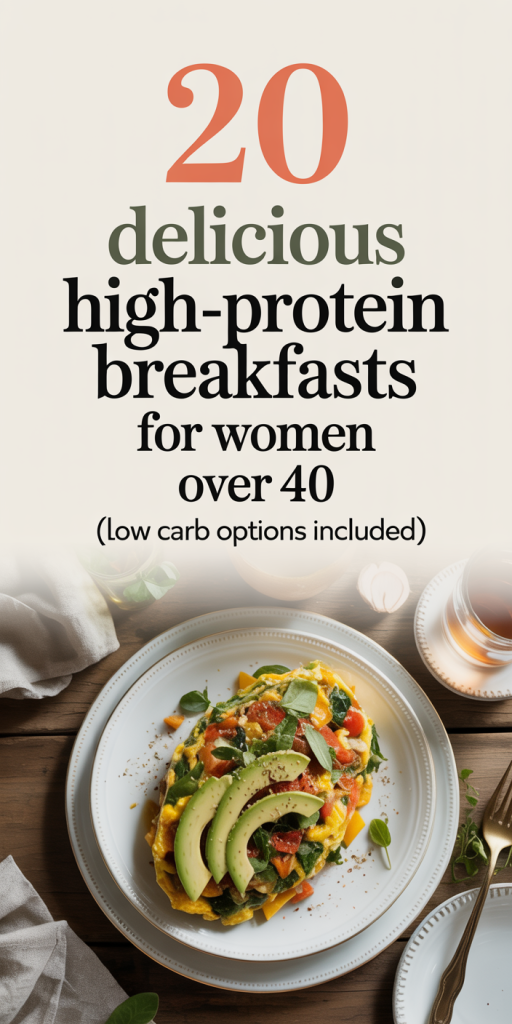
Meal-Prep, Swaps, And Practical Tips: Make These Breakfasts Work For Hormones, Weight Goals, And Busy Mornings
To make high-protein breakfasts sustainable, we rely on a few simple meal-prep strategies and smart swaps that respect hormones and time constraints.
- Batch-cook foundations
- Egg muffins, baked frittatas, and hard-boiled eggs store well for 3–5 days. Make two batches on Sunday and rotate.
- Cook a larger portion of salmon, chicken, quinoa, or turkey sausage to use across bowls and salads.
2. Grab-and-go packing
- Portion Greek yogurt into single containers and pack toppings separately to avoid sogginess.
- Keep pre-washed greens and washed berries ready in clear containers: visual cues make healthier choices easier.
3. Practical swaps to manage carbs and calories
- Swap bread for lettuce wraps or low-carb tortillas when we want to reduce net carbs.
- Use cottage cheese or Greek yogurt in pancakes and smoothies to bump protein without many extra calories.
4. Hormone-aware tips
- If insulin sensitivity is a concern, focus on lower-carb breakfasts with non-starchy veggies and healthy fats.
- For women experiencing menopausal night sweats or disrupted sleep, avoid large late-night carbs: prioritize protein at breakfast to stabilize daytime energy.
5. Timing and exercise
- If we exercise in the morning, add a small portion of carbs (½ banana, ¼–½ cup oats) to fuel performance: otherwise keep carbs lower.
6. Flavor and variety hacks
- Rotate spices (smoked paprika, za’atar, curry powder) to keep simple proteins exciting.
- Use different herbs and citrus to change the profile of repeat meals.
7. Where convenience meets nutrition
- Keep canned tuna, salmon, and pre-cooked frozen shrimp on hand for instant bowls.
- Choose minimally processed protein bars or high-protein Greek yogurt cups only when whole-food options aren’t available.
8.Tracking and adjustments
- Use a simple app or journal for a week to track protein intake at breakfast and note how you feel (energy, cravings). Adjust to hit the 20–35 g target.
These small systems let us stick with high-protein breakfasts even during hectic weeks, while supporting weight goals, muscle preservation, and hormonal balance.
Conclusion
High-protein breakfasts are one of the most practical, evidence-backed changes we can make after 40. They preserve muscle, steady energy, and help manage appetite and blood sugar. The 20 recipes above give a range of flavors, textures, and carb options so we can match meals to our goals, whether low-carb, higher-energy for workouts, or vegetarian-friendly. Start by choosing two favorites and prepping them for the week. Small, consistent changes in the morning add up: more strength, better focus, and mornings that actually feel energizing.