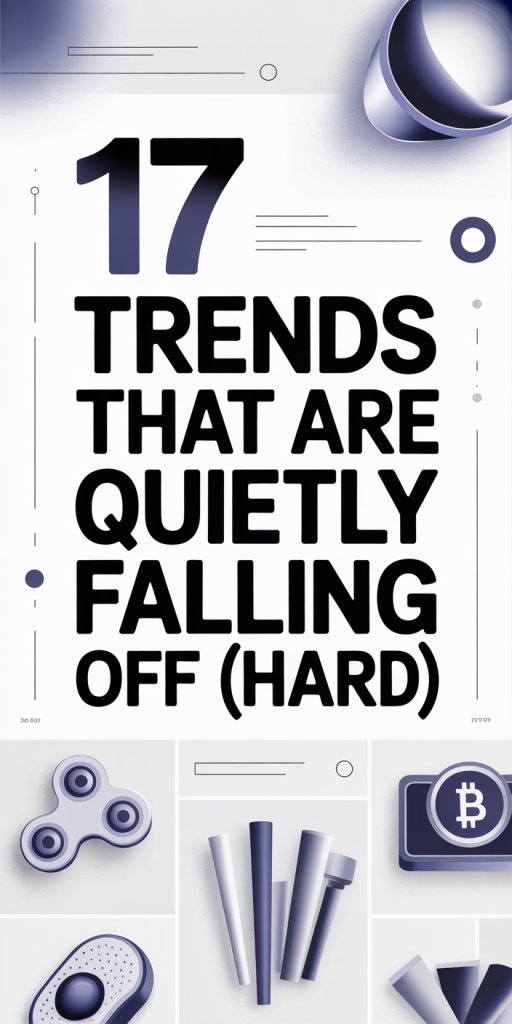
17 Trends Everyone Is Finally Done With — What’s Out In 2026 (And Why It Matters)
We’ve watched hype cycles accelerate, seen fads peak overnight and collapse just as fast, and learned the same hard lesson again: not every shiny new thing deserves a seat at the table. In 2026 we’re more selective, and frankly burnt out, on trends that promised transformation but delivered noise. This article walks through 17 trends we’re collectively moving past, explains why they stopped working, and points to what truly matters going forward. We’re not just cataloging what’s out: we’re measuring impact: social, cultural, economic, and personal. If you make decisions for a brand, run a team, or simply want to live with less clutter and more meaning, these takeaways will help you cut through the next wave of hype faster.
Why Trends Burn Out Faster Than Ever
Trends used to last years: now many collapse in months. There are a few forces driving this speed-up. First, distribution is instantaneous. Social platforms push new formats and creators amplify them until saturation, then move on. Second, attention is finite. We’re juggling more feeds, more products, more voices: novelty wears thin quickly. Third, the ROI equation shifted: brands rush to chase visibility, inflating demand for fads and then withdrawing support once the metrics flatten. Finally, skepticism is rising. We’ve been burned by greenwashing, performative activism, and hollow tech promises, so people second-guess new movements faster.
For organizations and individuals that want to stay relevant, this requires a different approach. We favor durable signals over virality: clear value, transparency, and community trust. When we evaluate a trend now, we ask: does it solve a real problem or merely hijack attention? If it’s the latter, survival time will be short. That’s why so many once-unstoppable movements are already on their way out.
Social Media Trends We’ve Outgrown: Dance Challenges, Cookie‑Cutter Branding, And Performative Outrage
Dance challenges were fun at first, a low-friction way to join culture, but overuse turned them into noise. Platforms that rewarded repeatable hooks encouraged creators to recycle choreography for clicks, and audiences grew numb. Similarly, cookie-cutter branding, the same pastel palette, sans-serif logo, and forced ‘authenticity’, made every startup look identical. That homogenization reduced brand memorability and consumer trust.
Performative outrage became a social currency, but it’s exhausting and often counterproductive. Quick takes and outrage loops amplified visibility but rarely produced structural change, and audiences tired of virtue signaling without action. Together, these trends degraded the value exchange between creators, platforms, and followers.
What’s replacing them? We’re seeing a return to specificity: creators who bring unique perspectives, brands that lean into distinct visual systems, and civic engagement that couples critique with concrete steps. Short-term virality isn’t enough, sustained community value is what endures.
Influencer Marketing And Viral Content That No One Trusts Anymore
Influencer marketing peaked when audiences still believed endorsements were personal. Now, people can spot paid placements, recycled scripts, and affiliate-driven hype. That recognition erodes trust. Micro-influencers once promised authenticity, but as agencies scaled and expectations rose, content became transactional. The result: lower conversion rates and higher skepticism.
Viral content has similar shortcomings. It can jump-start awareness, but virality rarely equals sustainable engagement. We’ve learned that a million views don’t guarantee loyalty. Measuring impact requires deeper metrics, retention, repeat purchases, community sentiment, not just reach.
How should marketers adapt? We recommend blended strategies: fewer splashy campaigns, more long-term creator partnerships, and transparent disclosures that respect audiences. When creators are collaborators rather than paid amplifiers, recommendations regain credibility. We’re moving from one-off virality to slow, trust-based growth.
Tech Hypes On The Decline: Metaverse Promises, NFT Status Symbols, And Crypto Bro Culture
The metaverse was sold as the next internet, immersive, persistent, and universally transformative. What arrived was fragmented: platform silos, poor UX, and few compelling cross-platform use-cases for everyday users. As a result, consumer interest cooled. NFTs similarly moved from collectible status symbols to a cautionary tale: intellectual property issues, environmental critiques (less so now but still resonant), and speculative bubbles left many skeptical.
Crypto’s culture problem, the ‘crypto bro’ persona, hurt mainstream adoption. Overpromises about decentralization and quick wealth attracted headlines but not sustainable habits. Regulatory scrutiny and real-world failures forced a reckoning.
That said, the underlying tech isn’t dead. Tokenization, digital ownership models, and web3 primitives are being retooled for practical applications: identity, royalties, and supply-chain provenance. The lesson is clear: hype without utility collapses fast: meaningful integration takes time and humility.
AI And Image Hype: From Stocky Deepfakes To Low‑Value Generated Content
Generative AI exploded into mainstream conversation, promising limitless creativity. Yet a wave of low-effort, low-value content followed: AI-generated images that look generic, text that lacks nuance, and deepfakes that raised ethical alarms. Early excitement ignored two truths: tools amplify creator output but don’t replace thoughtful human curation, and novelty can’t substitute for narrative or expertise.
Organizations are adjusting. Instead of flooding channels with machine-made posts, the best teams use AI to augment workflows: rapid prototyping, idea generation, and accessibility improvements, while humans handle editing, strategy, and ethical oversight. We value AI that raises the baseline of work without erasing human distinctiveness. The future will favor hybrid workflows, not wholesale automation.
Workplace And Productivity Fads That Flopped: Open‑Plan Offices, Hustle Culture, And Zoom Fatigue
Open-plan offices promised collaboration but often delivered distraction and burnout. Studies linked open layouts to decreased face-to-face interaction and reduced productivity for tasks requiring focus. Companies are redesigning spaces to reintroduce privacy, quiet zones, and flexible booking. Hustle culture, the glorification of overwork, also peaked and backfired. Workers demanded boundaries: talent left jobs that rewarded presenteeism over sustainable performance.
Zoom fatigue became emblematic of pandemic-era overcommunication. Back-to-back virtual meetings sapped energy and creativity. In response, we’ve seen fewer mandatory video calls, more asynchronous communication, and clearer meeting agendas. Productivity isn’t about volume: it’s about meaningful output. Organizations that measure results, not busyness, are better positioned to retain teams and foster sustainable performance.
Fashion, Beauty, And Consumer Goods Trends People Are Done With: Fast Fashion, Y2K Nostalgia, And Excessive Logos
Fast fashion’s convenience came at a steep cost: environmental damage, labor issues, and waste. Consumers, especially younger cohorts, increasingly prioritize durability and transparency. The backlash pushed resale, repair, and circular models into the mainstream. Y2K nostalgia had a stylistic moment, but the pendulum swung: after saturation, many want fresh aesthetics that borrow selectively rather than copy wholesale.
Excessive logos and conspicuous branding also declined as signaling shifted toward subtlety and craftsmanship. People prefer pieces that age well and tell a story rather than shout status. Beauty trends followed a similar arc: heavy contouring and overprocessed looks gave way to skin-first, minimalist routines that emphasize health and longevity.
Brands that invest in supply-chain transparency, quality, and repairability are gaining trust. The market rewards mindful consumption over disposable trends.
Home And Design Aesthetics Falling Out Of Favor: All‑White Minimalism And Overcurated Spaces
All-white minimalism, pristine, immaculate interiors, looked aspirational in glossy feeds but proved impractical for real life. People grew tired of sterile spaces that prioritize staging over comfort. Overcurated homes, designed more for photographs than daily living, also lost appeal. Instead, we’re favoring lived-in, layered interiors that balance aesthetics with function.
The shift values warmth, texture, and personal artifacts. Plants, tactile textiles, and secondhand finds create spaces that feel authentic. Flexible layouts and multipurpose furniture respond to hybrid work patterns, while investment in craftsmanship over trend-driven pieces adds longevity.
Design that accommodates life, kids, pets, hobbies, resonates more than perfectly styled showrooms. We’re choosing homes that tell a story, not a catalog.
Marketing And Advertising Excesses: Creepy Hyper‑Targeting And One‑Size‑Fits‑All Campaigns
Hyper-targeting promised relevance but drifted into creepiness when ads tracked users across multiple touchpoints without clarity. Consumers pushed back, demanded privacy, and regulatory frameworks tightened. Brands relying solely on invasive targeting saw diminishing returns as audiences installed blockers and tuned out. Conversely, one-size-fits-all campaigns also failed, they missed nuance and alienated segments.
The middle way is contextual relevance: use signals responsibly, be transparent about data practices, and design messages that respect privacy. Creative that leans into storytelling and builds long-term brand equity outperforms invasive tactics. We’re returning to principles: clear value exchange, consent, and creative excellence over algorithmic shortcuts.
Diet, Wellness, And Fad Culture We’re Moving Past: Endless Detoxes And Diet Trend Cycling
Endless detox regimens and rapid diet cycling promised quick fixes but often undermined long-term health. We’ve become more skeptical of miracle cleanses, steep caloric restrictions, and extreme fasting trends that ignore individual variability. The science favors sustainable, personalized approaches: balanced nutrition, sleep, stress management, and movement suited to the person.
Wellness commercialization contributed to the problem. Products framed as ‘detox’ or ‘reset’ often offered little more than expensive placebo effects. Consumers now look for evidence-backed claims, transparent ingredients, and lifestyle interventions that are measurable and maintainable.
As we close, it’s worth noting a broader pattern: trends that center quick wins, superficial signals, or exploit weak regulatory oversight tend to collapse first. What endures are approaches grounded in utility, ethics, and respect for human complexity. In 2026 we’re done with flash, and focused on durable change.