14 Trends Everyone Pretends to Like (But Doesn’t): Why We Fake It And How To Stop In 2026
We’ve all been there: liking a viral snack, nodding at a fashion moment, or posting a hot take about productivity hacks we secretly ignore. In 2026 the pressure to signal we’re “in” has only intensified, new platforms, micro-influencers, and status-driven algorithms reward conformity. That’s made polite pretense an everyday social lubricant. But faking enthusiasm for trends costs time, money, and authenticity. In this text we’ll name 14 widely hyped trends people often pretend to love (but mostly don’t), explain why we perform approval, and give practical ways to opt out gracefully. Our goal isn’t to shame enjoyment, lots of trends are fun, but to help us recognize the difference between genuine interest and social performance so we can choose where to invest our attention and voice.
Why So Many People Pretend To Like Trends
Why do we pretend? It’s a mix of social incentives and low-cost signaling. Trends act like social shorthand: they tell others where we belong without requiring long conversations. Liking the same show, buying the same plant, or using the same productivity app communicates cultural fit instantly. Algorithms boost visible consensus, when a handful of people signal approval, the rest pile on just to avoid appearing out of touch. Economics plays a role too. Fast fashion, subscription boxes, and one-click purchases lower the friction to try something, and when failure is cheap we’re more likely to fake enthusiasm afterward to justify the cost.
Psychology matters: people are loss-averse about social capital. Admitting we don’t care can feel like subtracting a point from our social score. In group contexts, work teams, friend circles, industry Slack channels, expressing enthusiasm keeps interactions smooth. Finally, there’s the identity labor of social media: curated feeds reward performative joy. Together these forces create an ecosystem where pretending becomes the low-effort path of least resistance. Understanding this helps us spot why pretended trends persist even when real interest doesn’t.
How This List Works — Grouping 14 Trends You’ve Seen Everywhere
We grouped the 14 trends into four buckets, lifestyle, social media/pop culture, fashion/beauty, and wellness/work/home, because the incentives and pressures differ across contexts. Each trend listed is ubiquitous in 2026 media and conversation, and each one we’ve observed people often endorse performatively. For transparency: we’re not declaring these trends bad across the board. Many have genuine fans and useful aspects. Our lens is pragmatic: where do most people exaggerate interest to fit in? For each trend we’ll explain why it’s performative, the common signals people send, and a short note on when it’s actually worth pursuing.
Why grouping helps: it highlights patterns. Lifestyle trends often involve purchases and routines: social media trends are about visibility and virality: fashion and beauty relate to identity signaling: wellness/work/home trends mix self-improvement with aspirational living. After the list we’ll give detection tools and language to say no without awkwardness, because opting out can be a social skill worth learning.
Lifestyle Trends People Say They Love (But Don’t)
- Sourdough Renaissance: Early pandemic baking turned into a prolonged flex. Many still post starter photos, but most don’t maintain the habit beyond a few loaves: the social goal is the craft aesthetic rather than culinary mastery.
- Capsule Wardrobes (as performed): The idea, buy less, curate more, is sound. But a lot of “capsule” wardrobes are just curated Instagram edits: people still buy seasonally but highlight a minimalist few pieces for optics.
- Clean Beauty Purism: We see skincare labels and ingredient lists shared like declarations of moral taste. Yet many users rotate between pragmatic drugstore buys and luxury items: the purity signaling is stronger than consistent purchasing.
- Tiny House Evangelism: The tiny house is a lifestyle aspiration in feeds, but few followers genuinely choose permanent tiny living: it’s often an aesthetic longing for simplicity without the trade-offs of less space and zoning hassles.
Why these trend-pretenders stick: they let people signal values (craft, restraint, health, freedom) with one Instagram post or product tag. When considering them, ask: do we want the value the trend promises, or just the status that comes with signaling it?
Social Media And Pop Culture Trends That Feel Fake
- Virality-as-Authority: When a meme or TikTok hack gains traction, it’s treated as expert consensus. We share viral takes to be current, not because we vetted the content. The consequence: fads get amplified regardless of truth.
- Micro-influencer Worship: The narrative that small creators are more “real” has merit, but a lot of micro-influencer culture upgrades into performative authenticity, carefully scripted “relatable” content that’s engineered to feel unfiltered.
- Obsessive Nostalgia: Reboots and retro aesthetics are fun, but the constant harking back, “this was better then”, often masks a lack of engagement with current culture. Nostalgia is emotionally comforting: we sometimes promote it as cultural taste.
- Hot Takes and Cancellation Signaling: Posting a provocative opinion to attract engagement is a common play. Many hot takes function as frictionless signaling, an easy way to appear decisive with minimal accountability.
When are these trends worth following? If virality or influencer content helps us discover real value, new music, useful tips, meaningful creators, then engagement is justified. But we should be skeptical when trend-following replaces critical thought.
Fashion And Beauty Trends Everyone Acts Into (But Mostly Isn’t)
- Statement Sneakers and ‘Quiet Luxury’ Logos: Fashion cycles create visible markers of belonging, this season’s shoe silhouette, that season’s logo-free elevated basics. People post them to suggest a refined taste even when their wardrobes are a mix of bargain pieces and impulse buys.
- At-Home Salon Aesthetics: From salon-style DIY cuts to elaborate home haircare routines, we love the look of disciplined beauty care. But many who share the aesthetic don’t keep up with the regimen: the image matters more than the maintenance.
- Skinimalism Instagram Faces: The trend toward “less is more” skincare is widely praised, but in reality many users toggle between heavy routines and minimal ones depending on convenience and mood. The public posture of restraint often outlasts the private habits.
- Hyper-Specific Micro-Trends (think: a single handbag shape or nail art motif): These micro-trends are easy to replicate visually for content and so become overrepresented. People adopt them briefly to stay current, not because they’ve integrated the style into a stable personal aesthetic.
Fashion and beauty trends offer immediate visual signals that are cheap to emulate. That’s why they’re disproportionately performative, outward image can be curated faster than true self-expression.
Wellness, Work And Home Trends That Get Pretend Approval
- Biohacking Everything: Intermittent fasting, blue light blockers, wearable metrics, biohacking promises optimization. We often praise it as scientific commitment, but many of us pick and choose practices without consistent application: it’s ritualized virtue signaling more than disciplined experimentation.
- Hustle Culture Lite and The Side Hustle Narrative: We share productivity stacks and income streams like badges of industriousness. Yet a surprising number of side-hustle posts are aspirational, meant to showcase ambition rather than sustainable supplemental income.
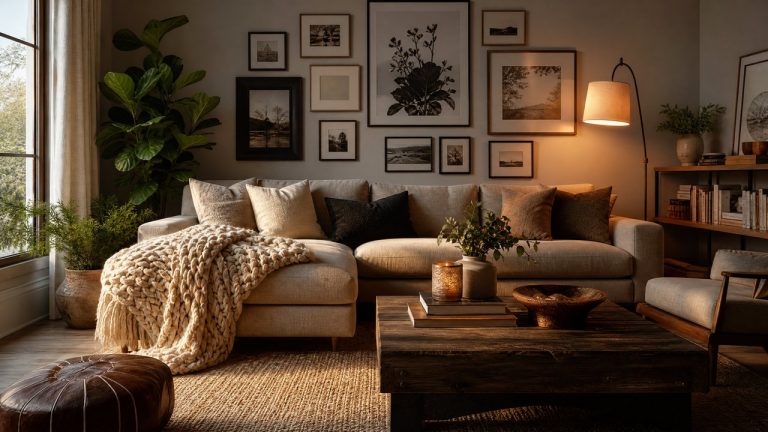
- Scandi Hygge/Cozy Home Staging: The same aesthetic appears across rental listings and lifestyle profiles. People stage corners of their homes for photos that imply a calm, curated life even when day-to-day living is messier.
- Work-From-Anywhere Bronzing: Remote work made location flexibility aspirational. Many tout the digital nomad lifestyle but maintain local ties and routine commutes: they enjoy the idea of location independence more than the reality.
These trends thrive because they promise measurable improvement, better health, more money, a calmer home. But the performance of improvement is often cheaper than doing the work. Below we’ll offer tools to detect when we’re pretending and how to course-correct.
How To Spot A Trend You’re Only Pretending To Like
There are quick litmus tests to tell whether we’re genuinely into a trend or just posing:
- Consistency Test: Do we maintain the behavior over months, or did it peak around a single post? Genuine interest survives beyond the initial social reward.
- Investment Ratio: Are we spending time and money proportionate to the claimed enthusiasm? Small posts and big claims are suspect.
- Private vs. Public Behavior: Do our private choices (what we buy for daily use, how we spend weekends) match our public declarations? Disparity often signals performative approval.
- Emotional Baseline: Does the trend make us feel energized, or anxious about keeping up? Authentic hobbies create positive engagement: performative ones often create stress.
- Feedback Loop Check: Are we repeating phrases and images we’ve seen elsewhere, or contributing original takes? Copy-paste enthusiasm is usually social mimicry.
Use these checks compassionately. We’re allowed to try trends and change our minds, but awareness prevents habitually vamping for social points.
How To Stop Pretending And Be More Intentionally Authentic
Stopping pretense is a practice, not a moment. Here are steps we can integrate:
- Audit Our Feed and Calendar: Remove sources that push us to perform. If an account makes us compare or mimic, mute it. If our calendar is full of events we attend out of obligation, cut one a month.
- Adopt Micro-Experiments: Instead of committing to a trend, test it for 30 days. If it still resonates after a month, keep it. If not, let it go without guilt.
- Normalize ‘I Don’t Care’ Language: Practice neutral phrases like, “That’s not my thing,” or “I appreciate it, but it isn’t for me.” They’re clear and defuse pressure.
- Reframe Social Value: Reward curiosity over conformity. When someone in our circle admits indifference, respond with interest, ask what they do enjoy. That reduces the payoff of pretending.
- Track Emotional Payoff: Notice when saying yes drains us. Our time and attention are the currency, spend them where they yield real returns, not status.
Authenticity isn’t a performance either: it’s a set of habits that make our choices match our values more often.
Practical Tips For Saying No Without Drama
Saying no gracefully is a social skill that protects our time and reduces performative pressure. Try these techniques:
- The Brief Decline: Short and specific. “I’m going to pass on that, thanks for the invite.” It ends the conversation without needing justification.
- The Trade Offer: If we dislike an expectation but want to stay connected: “I’m not into that trend, but I’d love to hang out and do X instead.” It redirects social energy into something mutually rewarding.
- The Buffer Response: For persistent social invites or trend-pressure, use a delay: “Let me think, I’ll get back to you.” Often pressure dissipates, and we avoid knee-jerk conformity.
- The Honest Pivot: When appropriate, be candid: “I tried that trend and it wasn’t for me, here’s what I liked instead.” Framing our choice as personal preference keeps things nonjudgmental.
- Group Norms Calibration: In teams, suggest periodic check-ins about shared rituals (apps, tools, aesthetic choices). Making norms explicit reduces the unspoken pressure to conform.
These approaches let us maintain relationships while preserving agency. No drama, just clearer boundaries.
Conclusion
Trends will always be part of culture, and there’s joy in shared discovery. The problem isn’t trends themselves, it’s pretending. When we fake enthusiasm to accumulate social currency, we pay in attention, money, and authenticity. In 2026 the antidote is simple but countercultural: notice why we follow things, experiment intentionally, and learn to decline without performance. If we recalibrate our signals, rewarding curiosity, consistency, and honest preference, we’ll keep the fun parts of trends and leave the performative baggage behind. Let’s practice saying no when something doesn’t fit and reserving our loudest yeses for what genuinely lights us up.