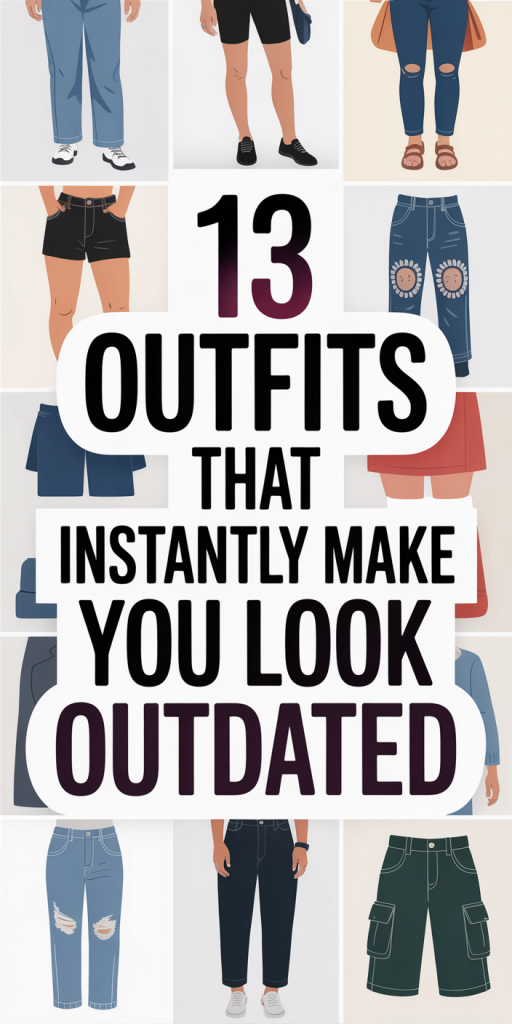
13 Outfits That Instantly Make You Look Outdated (And How To Fix Them)
Fashion cycles spin faster than ever, but some outfits flatline our look instantly, making us appear stuck in a past decade. We’re not here to shame anyone’s taste. Instead, we want to give clear, practical fixes so you can keep the spirit of a look without signing up for a time capsule. In this guide we’ll call out 13 specific outfit choices and explain why they read as outdated in 2026, then show how to modernize them with tailoring, proportion swaps, fabric updates, and smarter styling. Think of this as a quick diagnostics checklist: spot the culprits in your wardrobe, apply a few adjustments, and watch your outfit feel current again.
Baggy Suits, Boxy Blazers, And Poor Tailoring
Baggy suits and boxy blazers were once shorthand for power dressing, then they became shorthand for “I didn’t bother.” The problem isn’t oversized pieces themselves: it’s when they swallow our shape and lose any sense of intent. In 2026, the silhouette that reads as thoughtful balances ease with structure. A blazer should skim the shoulder, define the waist slightly (even on men’s blazers), and end at a proportionate point relative to your torso.
How to fix it
- Prioritize tailoring: Spend on one strategic alteration, nipping the waist, shortening sleeves, or tapering trouser legs. Even inexpensive blazers look elevated with a $30 tailoring tweak.
- Choose smart oversize: If we want an oversized look, pick pieces made from lighter, drapey fabrics (linen blends, soft wool) with intentional seams and drop shoulders that read contemporary rather than sloppy.
- Mind proportions: Pair a roomy blazer with a fitted base layer, a slim turtleneck or tailored tee, and swap wide-leg trousers for slightly tapered, cropped trousers for a modern balance.
- Update details: Look for single-breasted styles, minimal lapels, and matte buttons. Avoid heavy shoulder pads or too much padding unless you’re intentionally going for a retro statement.
Why this works: Tailoring signals intent. When a blazer or suit fits with a hint of shape, it communicates refinement. We can keep comfort without looking like we borrowed clothes from a different decade.
Ultra Low-Rise Jeans, Sagging Waistlines, And Misplaced Fits
Low-rise jeans defined an era, but their comeback is selective, and easily dated when done wrong. Ultra low-rise that exposes underwear bands or creates an awkward sag tends to read juvenile or out of touch. Likewise, trousers that hang too low around the hips make proportions look off and shorten the torso.
How to fix it
- Opt for mid-rise or high-rise: A mid-rise sits comfortably at the natural waist and flatters most body types. High-rise elongates the leg and creates a cleaner silhouette under cropped jackets and tucked tops.
- Right fit, modern cut: Choose straight-leg, relaxed straight, or subtly tapered cuts instead of extremely flared or super-skinny styles. These cuts give a timeless base that we can style in contemporary ways.
- Waist detailing: If you like the low-rise aesthetic, try a faux low-rise effect, pairing a cropped knit or a tucked-in tank over a mid-rise, so it reads intentional. Avoid visible underwear lines by using seamless undergarments or higher-rise shapewear.
- Fabric and wash: Darker, cleaner washes and rigid denim are more modern than heavily distressed, stonewashed pairs. Minimal distressing placed thoughtfully (knees, hems) looks curated, not careless.
Why this works: Proportion is everything. Fix the rise and fit, and the jeans become a versatile canvas, not a costume piece.
Loud Logos, Washed-Out Graphic Tees, And Overused Branding
A logo used to signal status: now it often signals that we weren’t paying attention to nuance. Oversized, loud logos and washed-out graphic tees can make an outfit feel like a billboard from another era. In 2026, subtlety and storytelling trump overt branding: people prefer pieces with interesting construction, texture, or discreet badges rather than in-your-face monograms.
How to fix it
- Scale back: Swap large logo tees for plain tees with quality fabric, pima cotton, slub, or fine jersey. If you want a brand nod, choose a small, embroidered logo or a branded detail hidden at the hem.
- Invest in design details: Look for tees and sweaters with unique hems, asymmetric seams, or textured knits. These read as intentional design choices rather than branding shortcuts.
- Curate graphics: For graphic tees, pick artist collaborations or limited-edition prints that feel editorial. Avoid dated band tees or trademarked characters unless you’re styling them with irony and context.
- Layer smartly: If you love a statement tee, layer it under a blazer or overshirt. The contrast shifts the message from “loud casual” to “thoughtfully styled.”
Why this works: We live in an era of visual literacy, audiences pick up on nuance. Clothing that tells a subtler story feels more current and, frankly, smarter.
Overmatched Tracksuit Sets, Neon Athleisure, And Matching Head‑To‑Toe Logos
Tracksuit culture evolved into a lifestyle category, but perfectly matched velour sets and neon athleisure that scream “I bought the matching set” can look dated if they lack subtlety. The problem is uniformity, wearing an entire branded suit-to-shoe-to-hat constellation that reads like a theme rather than an outfit.
How to fix it
- Mix textures and tones: Break up matching sets with neutral staples, swap one piece for a denim jacket, structured coat, or leather shoe to create contrast. A velvet or velour top can gain fresh energy when paired with matte joggers or tailored trousers.
- Tone down the neon: If we love bright colors, use them as accents, socks, a belt, or a single top, rather than the whole ensemble. Muted neons or color-blocking with cream and black create a modern nod without shouting.
- Smart branding: Replace full-logo pieces with minimal, logo-free alternatives. Premium athleisure brands now favor discreet hardware and thoughtful cut-and-sew over panels plastered with logos.
- Accessorize with intention: Add a minimal crossbody, refined sneakers, or a structured cap to shift the vibe from “matching set” to “designed look.”
Why this works: Mixing gives depth. When we intentionally contrast the expected match, the pieces feel curated, not costume-like.
Prairie Dresses, Excessive Ruffles, And Overdone Boho Trends
Boho cycles in and out, and when it’s overapplied, think endless tiers, excessive ruffles, and too-much-lace, it tips from romantic to dated. Prairie dresses can be beautiful, but in excess they make an outfit read as “trying too hard to evoke a past trend.” The modern update keeps the free spirit but pares down volume and mixes contemporary elements.
How to fix it
- Edit the volume: Choose one statement element, either ruffle, print, or embroidery, rather than multiple. A dress with a single ruffle at the neckline or a subtle tier is more wearable.
- Modernize with proportion: Pair a flowy dress with structured footwear (ankle boots, block heels) or a cropped leather jacket to ground the look. Adding a tailored blazer creates an unexpected but contemporary contrast.
- Fabric choices: Lightweight cotton and viscose are fine, but look for heavier linens or silk blends that drape better and resist the costume feel. Matte finishes read more modern than shiny or overly gauzy materials.
- Accessory restraint: Keep accessories minimal, one pendant, a simple belt, or a practical tote. Too many beads, tassels, or layered necklaces push the outfit into overdone territory.
Why this works: Boho’s charm is effortless ease. By simplifying and adding structure, we preserve the aesthetic without copying a headline trend to excess.
Clunky Dad Sneakers, Oversized Platforms, And Shoe Overkill
Chunky sneakers and platform shoes have dominated streetwear, but extremes, clunky dad sneakers that look like hiking boots, or platforms that overpower the rest of the outfit, can make everything else read off-balance. Footwear should complement the outfit’s tone: when it competes, the whole look becomes visually noisy.
How to fix it
- Scale to the outfit: If you’re wearing minimalist tailoring or sleek jeans, balance them with streamlined sneakers or refined loafers. Reserve chunky footwear for equally bold, volume-friendly outfits.
- Choose refined chunky: If we want the chunky trend, pick shoes with cleaner lines, subdued colorways, and less embellishment. A monochrome chunky sneaker in off-white reads more elevated than bright, multi-paneled versions.
- Platform moderation: Platforms can add drama but keep the height practical and the silhouette integrated with the outfit. Wedge sneakers or platform soles with slim uppers provide lift without looking cartoonish.
- Care and condition: Oversized sneakers can age an outfit if scuffed or dirty. Regular cleaning and proper care keep them intentional rather than neglected.
Why this works: Shoes are anchors. When the footwear aligns in proportion and detail with the rest of the outfit, everything reads current and purposeful.
Novelty Hats, Too-Matched Accessories, And Dated Prints Or Patterns
Accessories should finish a look, not date it. Novelty hats (think oversized trucker caps plastered with slogans), overly matched belt-bag-shoe sets, and tired prints (body-con florals, tiny ditsy patterns in clashing palettes) often telegraph a wardrobe that hasn’t been edited since a specific trend cycle.
How to fix it
- Edit accessories: Keep one focal accessory, a structured bag, bold earring, or classic watch. Resist the urge to match everything in the same material and color. Mixing metals and textures is perfectly modern.
- Update prints: Swap dated small-scale prints for bigger motifs, abstract patterns, or tonal jacquards. Florals and checks are timeless when scaled and colored thoughtfully, avoid high-contrast, fluorescent palettes unless it’s a deliberate styling choice.
- Reconsider novelty hats: Choose timeless headwear, wool fedoras, minimalist beanies, or structured baseball caps in premium materials, over slogan-heavy or cartoonish options.
- Accessory function: Buy fewer pieces but better ones. A well-made leather belt, classic sunglasses with a modern frame, and a versatile crossbody will neutralize dated prints and elevate basics.
Why this works: Accessories are the punctuation of an outfit. When they’re curated and mixed, they create a layered, contemporary look instead of a themed costume.
Conclusion
Updating an outdated outfit rarely requires a total wardrobe overhaul. Usually, we can modernize by adjusting fit, refining proportions, editing volume, and choosing better-quality fabrics and accessories. The throughline is intentionality: clothes should look like they were chosen, not collected. Use tailoring as your first line of defense, favor discreet branding and thoughtful textures over loud logos, and mix unexpected elements to keep looks fresh. If we aim for small, deliberate changes, one updated shoe, a tailored blazer, or a cleaner-fit jean, we’ll see a surprisingly big return. Fashion in 2026 rewards nuance, so let’s curate with care and wear what feels current and true to us.