The Iron Trick For Women: Boost Energy, Reduce Fatigue, And Improve Hemoglobin Naturally (2026 Guide)
We see iron discussed everywhere, in health headlines, fitness chats, and women’s forums, but it still gets treated like a mysterious nutrient. In reality, iron is one of the most actionable levers we have to improve energy, cognitive clarity, exercise performance, and overall well‑being. This guide cuts straight to the point: why iron matters for women, what commonly causes iron loss, how to recognize low iron, and a simple “iron trick” grounded in meal timing and pairing that reliably improves iron absorption. We’ll also cover top food sources, a practical 7‑day meal plan, when supplements make sense, and how to track progress. Our aim is practical: give us tools we can use this week to feel better, avoid guesswork, and work smarter with our diet and lifestyle rather than relying solely on pills.
Why Iron Matters For Women — Biology, Periods, Pregnancy, And Performance
Iron is central to oxygen delivery. Hemoglobin, the iron‑containing protein in red blood cells, ferries oxygen from our lungs to muscles, brain, and organs. When iron is low, hemoglobin drops and tissues receive less oxygen, which translates into fatigue, shortness of breath with exertion, brain fog, and slower recovery. For women, biology creates extra demand and risk. Monthly menstrual losses are the most common cause of iron depletion in reproductive‑age women. Heavy periods (menorrhagia) dramatically increase that risk: even regular menstruation can create a slow drain over years.
Pregnancy multiplies iron needs: developing placenta and fetus require iron, and maternal blood volume expands, often increasing daily iron demand severalfold. That’s why prenatal care emphasizes iron status. Athletes and active women face a different set of challenges: repeated impact (running) can cause small blood losses in the gut, and endurance training increases plasma volume, diluting hemoglobin concentration, so even well‑fed athletes can be functionally iron‑deficient.
Not all iron is equal. Heme iron, found in animal products, is absorbed more efficiently (15–35%) and is less affected by inhibitors. Non‑heme iron, found in plants and fortified foods, is absorbed at lower rates (2–20%) and is more sensitive to dietary factors. Understanding these differences helps us strategize meals that maximize absorption without radical diet changes.
Finally, the clinical picture matters: iron deficiency without anemia can still cause symptoms. That means we should care about iron even before routine blood counts dip into a clear anemia range.
Common Causes Of Iron Loss And Low Iron Levels
We often assume low iron is just about not eating enough meat, but causes are multifactorial. Recognizing them helps us target the right solution.
- Menstrual blood loss: The single biggest driver for premenopausal women. Heavy, prolonged, or frequent bleeding speeds depletion.
- Pregnancy and breastfeeding: Increased iron needs during pregnancy and postpartum lactation can outpace intake.
- Inadequate dietary intake: Vegan and vegetarian diets can be lower in readily absorbed iron unless carefully planned.
- Gastrointestinal blood loss: Ulcers, polyps, hemorrhoids, inflammatory bowel disease, and gastritis can cause chronic slow bleeding.
- Malabsorption: Conditions like celiac disease or atrophic gastritis reduce iron uptake from the gut.
- Medications and medical procedures: NSAIDs can promote GI bleeding: frequent blood donation lowers stores.
- Increased physiologic demand: Adolescence, rapid growth, intense training, and recovery from surgery all raise iron needs.
- Competitive endurance sports: Mechanical hemolysis (breakdown of red blood cells), sweat loss, and GI microbleeding can contribute.
Sometimes multiple factors combine: for example, a vegetarian athlete with heavy periods and high training volume is at much higher risk than any single factor alone. That’s why a brief history and targeted testing are often the fastest route to a clear plan.
Recognizing Low Iron: Symptoms, Simple Home Checks, And When To Test
Symptoms of low iron range from subtle to obvious. We want to notice early signs and act before performance or mood are affected.
Common symptoms
- Persistent fatigue not relieved by sleep
- Breathlessness or decreased exercise tolerance
- Brain fog, poor concentration, or irritability
- Pale skin or paler inner eyelids
- Fast or irregular heartbeat and dizziness
- Restless legs, brittle nails, or unusual cravings (pica)
Simple home checks
- Look at the inner lower eyelid: bright pink indicates good blood flow: a pale, whitish lining can suggest low hemoglobin (but this is only a quick cue, not definitive).
- Track energy and performance: note a measurable drop in workout intensity, duration, or cognitive stamina.
- Menstrual calendar: estimate average monthly blood loss, soaking through a pad/tampon every 1–2 hours or needing double protection suggests heavy bleeding and higher risk.
When to test
We recommend testing when symptoms are persistent or risk factors exist. A basic initial panel usually includes a complete blood count (CBC) with hemoglobin, and iron studies: serum ferritin, serum iron, transferrin saturation (TSAT), and total iron‑binding capacity (TIBC). Ferritin reflects iron stores and is the most useful single test for early deficiency. Targets and interpretation:
- Ferritin <15–20 ng/mL typically indicates depleted stores and iron deficiency anemia risk.
- Ferritin 20–50 ng/mL can be low symptomatic for some women: many clinicians aim for 30–50 ng/mL to resolve symptoms.
- Ferritin can be falsely elevated during inflammation or infection, C‑reactive protein (CRP) can help interpret results.
We should test sooner rather than later if there’s heavy menstrual bleeding, pregnancy, chronic GI issues, or if symptoms meaningfully impact life or performance.
The Iron Trick — Meal Timing And Pairing To Maximize Absorption
The single most practical strategy to boost iron without immediately resorting to supplements is to optimize how and when we eat iron‑containing foods. We call this the “iron trick”: pair iron sources with enhancers (especially vitamin C), avoid inhibitors around key meals, and time consumption to reduce interference. This approach often produces measurable improvements in iron status within weeks when practiced consistently.
The trick rests on three simple principles: emphasize heme iron where possible, increase vitamin C at iron‑rich meals, and separate major inhibitors (calcium, coffee/tea, and some plant compounds) from those meals.
Top Iron-Rich Foods, Easy Meal Ideas, And A 7-Day Sample Plan
We prioritize foods with high iron density and those that combine well with vitamin C. Mix and match these options across the week.
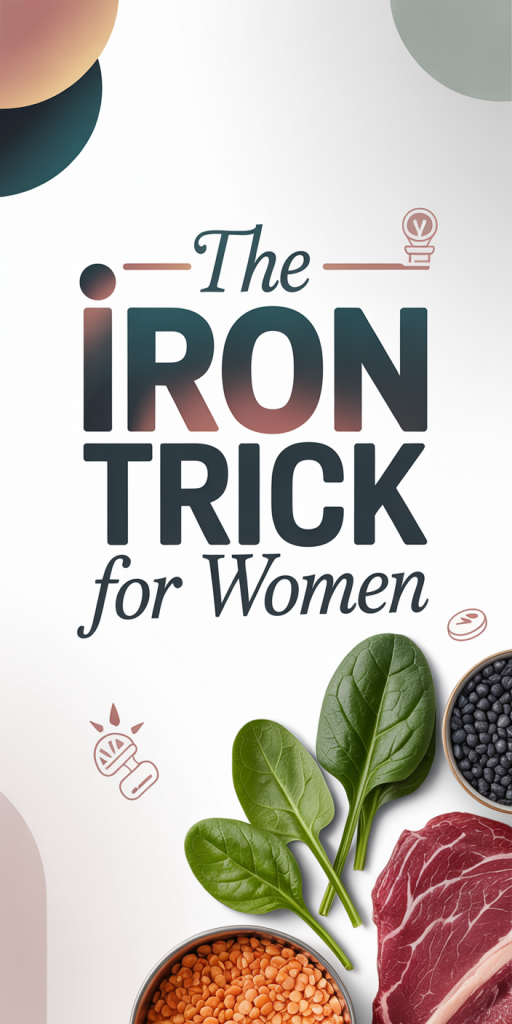
Top iron sources (approximate iron per serving)
- Beef (3–4 oz cooked): 2–3 mg absorbable iron (heme)
- Chicken liver (3 oz): 7–9 mg (heme: very high), use sparingly
- Oysters and clams (3 oz): 6–8 mg (heme)
- Canned tuna or salmon (3–4 oz): 1–2 mg
- Lentils (1 cup cooked): 6–7 mg (non‑heme)
- Chickpeas (1 cup cooked): 4–5 mg
- Tofu (1/2 cup firm): 3–4 mg
- Spinach (1 cup cooked): 6 mg (non‑heme but contains inhibitors)
- Fortified cereals (varies): 4–18 mg per serving
- Pumpkin seeds (1/4 cup): 2–3 mg
Easy meal ideas
- Breakfast: Fortified oatmeal with sliced strawberries and a squeeze of orange, quick vitamin C + non‑heme iron.
- Lunch: Lentil salad with roasted red peppers, parsley, and lemon dressing: whole‑grain bread (soaked or sprouted).
- Dinner: Grilled flank steak with chimichurri and a side of steamed broccoli and roasted sweet potatoes.
- Plant option: Tofu stir‑fry with bell peppers, bok choy, and lime.
7‑day sample plan (high level)
Day 1: Breakfast, fortified cereal + kiwi: Lunch, beef & mixed greens with orange segments: Dinner, lentil curry + spinach salad (lemon dressing).
Day 2: Breakfast, steel‑cut oats + strawberries: Lunch, tuna salad with bell pepper: Dinner, tofu stir‑fry + brown rice.
Day 3: Breakfast, smoothie (spinach, orange, banana, protein): Lunch, chickpea salad with lemon: Dinner, grilled chicken + roasted Brussels + sweet potato.
Day 4: Breakfast, fortified toast + orange slices: Lunch, beef wrap with red pepper: Dinner, lentil bolognese over zucchini noodles.
Day 5: Breakfast, yogurt alternative with fortified granola + berries (schedule dairy away from main iron meal): Lunch, oyster or clams pasta (if tolerated) + parsley: Dinner, sautéed kale & tempeh with lemon.
Day 6: Breakfast, scrambled eggs + sautéed spinach + tomato: Lunch, quinoa & black bean bowl with lime: Dinner, salmon, broccoli, and roasted beets.
Day 7: Breakfast, chia pudding made with fortified plant milk and kiwi: Lunch, chicken, roasted pepper, and citrus salad: Dinner, vegetable stew with added pumpkin seeds and lemon.
We should adjust portions to meet calorie needs and preferences. The plan focuses on at least one iron‑optimized meal per day, vitamin C at each of those meals, and spacing of calcium/coffee outside those eating windows.
When To Consider Supplements, How To Choose Them, And Monitoring Progress
Food and timing help a lot, but sometimes supplements are necessary, especially when ferritin is low, hemoglobin indicates anemia, or dietary changes aren’t sufficient.
When to consider supplementation
- Ferritin <15–20 ng/mL or hemoglobin below the lab reference range with symptoms.
- Rapidly declining iron status (e.g., heavy bleeding, pregnancy) or when we need faster improvement for performance or symptoms.
- Malabsorption conditions or when dietary changes are impractical.
Choosing a supplement
- Forms: Ferrous sulfate is the most common and inexpensive. Ferrous gluconate and ferrous fumarate are alternatives with different elemental iron percentages. Iron bisglycinate (a chelated form) is often better tolerated with less GI upset but can be pricier.
- Dosing: Many therapeutic regimens use 60–100 mg elemental iron daily for significant deficiency, split into two doses for tolerance. Newer evidence supports alternate‑day dosing (every other day) for better absorption and fewer side effects in some people: this can be especially helpful if we’re sensitive to GI symptoms. For mild deficiencies or maintenance, lower daily doses (15–30 mg) taken with vitamin C can suffice.
- Tolerability: Common side effects include constipation, nausea, and dark stools. Taking iron with a small amount of food may reduce GI upset but can slightly reduce absorption. If one form causes severe GI issues, trying iron bisglycinate or dividing doses may help.
Monitoring progress
- Retesting timeline: We generally check ferritin and hemoglobin at 8–12 weeks after starting therapy. Hemoglobin often rises faster (within 2–4 weeks): ferritin takes longer as stores refill.
- Targets: Hemoglobin should normalize first: ferritin target depends on symptoms and risk. For symptomatic women, many clinicians aim for ferritin ≥50 ng/mL to reduce relapse risk, while 30–50 ng/mL may be adequate for others. For athletes or pregnant individuals, targets can be individualized higher.
- Safety: Excess iron is harmful. We avoid long‑term high‑dose supplementation without testing. If iron doesn’t improve as expected, investigate ongoing losses (GI workup, gynecologic assessment) and consider specialist referral.
If we’re pregnant or have chronic disease, coordinate supplementation with a healthcare provider. Prenatal vitamins contain iron but may not provide enough for established deficiency, which often requires separate therapeutic dosing.
Conclusion
The iron trick, pairing iron‑rich foods with vitamin C, avoiding inhibitors around key meals, and timing intake, is a low‑cost, high‑impact strategy we can carry out right away. For many women, these dietary shifts plus modest lifestyle adjustments restore energy and improve performance without immediate reliance on high‑dose supplements. When deficiency is moderate or severe, or if symptoms persist, supplements guided by testing are appropriate and effective. Let’s make iron a regular part of our nutrition strategy: test when needed, prioritize at least one iron‑optimized meal daily, and reassess in 8–12 weeks. Small, consistent changes often lead to the most reliable results.