The Digestive Enzyme Trick For Women: Boost Digestion, Energy, And Hormone Balance In 2026
Digestive problems, bloating, irregular bowel movements, sluggish energy, and unpredictable cravings, are frustratingly common for women. We often chalk these symptoms up to stress, aging, or “just how our bodies are,” but there’s a simple, evidence-informed tool many of us overlook: digestive enzymes. In 2026, with new research linking enzyme support to better nutrient absorption, reduced post-meal discomfort, and even improved hormone metabolization, enzymes deserve a place in our everyday toolkit. In this text we’ll explain why women are uniquely vulnerable to digestive trouble, what digestive enzymes are and how they interact with female physiology, and, most importantly, an easy, practical protocol you can try this week. We’ll also cover safety, dosing, and how to combine enzymes with diet, probiotics, and lifestyle changes for lasting relief. Let’s get practical.
Why Women Often Struggle With Digestion — Key Hormonal And Lifestyle Drivers
Women’s digestive complaints aren’t random: they often reflect predictable hormonal and lifestyle patterns. We should start with sex hormones. Estrogen and progesterone fluctuate across menstrual cycles, pregnancy, postpartum, perimenopause, and menopause. Estrogen generally speeds gastrointestinal transit and increases bile production, whereas progesterone relaxes smooth muscle, slowing gut motility and often contributing to constipation and bloating. Those shifts alone can make the same meal feel very different on different days.
Beyond hormones, common female life stages bring added burdens. Pregnancy and postpartum change digestive enzyme production and demand, we need more nutrients for fetal development and lactation, yet nausea, reflux, and altered appetite can reduce effective intake. Perimenopause often coincides with weight redistribution, changes in insulin sensitivity, and altered gut microbiome diversity, all of which affect digestion and metabolic health.
Lifestyle drivers compound these biological factors. Many of us manage multiple roles and chronic low-grade stress, which activates the sympathetic nervous system and impairs the “rest-and-digest” parasympathetic response. Sleep disruption, commonly reported among women, alters appetite hormones (ghrelin, leptin) and slows gastric emptying. Dietary patterns matter too, reduced chewing, intermittent fasting, or high-processed-food intake change enzyme demand and microbial fermentation in the gut.
Finally, commonly used medications and supplements, oral contraceptives, NSAIDs, and some antidepressants, can alter bile flow, gastric pH, and gut motility. Antibiotic exposure historically or recently also alters microbial partners that assist digestion. All of these factors help explain why digestive symptoms are so prevalent among women and why a targeted digestive enzyme strategy can be particularly helpful when integrated with lifestyle adjustments.
What Digestive Enzymes Are And How They Support Female Physiology
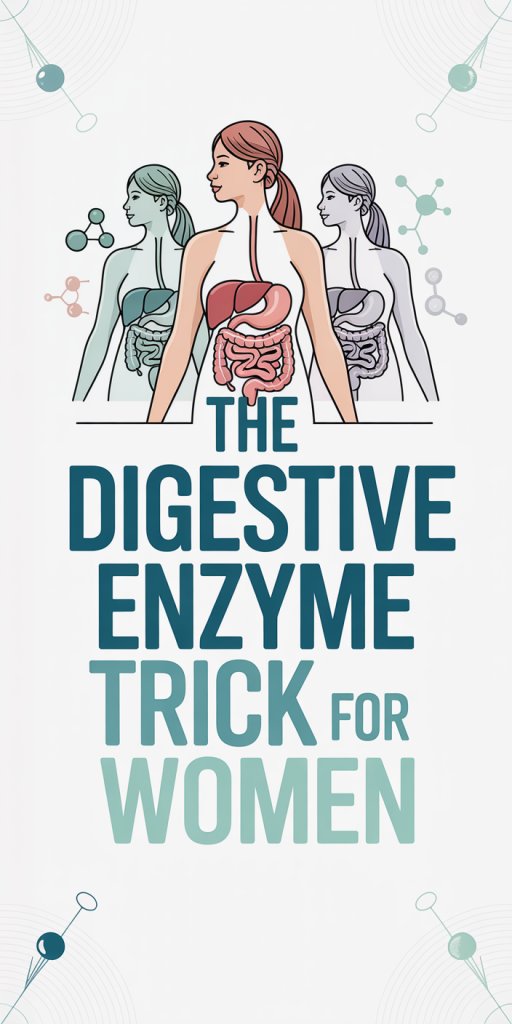
Digestive enzymes are proteins that catalyze the breakdown of macronutrients, carbohydrates, proteins, and fats, into absorbable units. The pancreas, stomach, and small intestine secrete many of these enzymes, and the gut microbiome also contributes. Key human enzymes include amylase (breaks down starch), proteases like pepsin and trypsin (break down proteins), and lipase (breaks down fats). We also produce specialized enzymes for lactose (lactase) and disaccharides (sucrase, maltase).
There are also plant- and microbe-derived enzymes available as supplements: bromelain and papain (proteolytic enzymes from pineapple and papaya), fungal amylases and proteases with broader pH activity, and lipase blends for fat digestion. These supplemental enzymes can be especially useful when endogenous production is insufficient or timing of meals/meal composition overwhelms digestive capacity.
For women specifically, enzymes have several physiologic advantages. Better breakdown and absorption of fats support the production of steroid hormones (estrogen, progesterone, testosterone) that require cholesterol-derived substrates. Improved protein digestion ensures adequate amino acids for neurotransmitter synthesis, tissue repair, and menstrual cycle support. Enhanced carbohydrate digestion can reduce fermentation in the colon that produces gas and bloating, symptoms that commonly spike during progesterone-dominant phases.
Enzymes may also indirectly support the microbiome. By reducing undigested food reaching the colon, we lower abnormal fermentation that favors gas-producing or dysbiotic bacteria. That said, enzymes don’t replace a healthy microbiome: they complement it. When used thoughtfully, digestive enzymes can reduce symptomatic burden, improve nutrient uptake, and support the stable hormonal environment women need for energy and resilience.
The Digestive Enzyme Trick For Women: A Simple, Practical Protocol
We’ve found the most successful enzyme approach is practical, personalized, and consistent. The trick isn’t to take an enzyme indiscriminately, it’s to match enzyme type and timing to symptoms and meals, monitor for effects, and combine that with small, sustainable dietary tweaks. Below we break this into timing, enzyme selection by symptom, and a starter protocol you can test this week.
When To Take Enzymes For Best Results (Timing And Meal Pairing)
Timing matters more than most people expect. For enzymes to work, they need to be present in the stomach/small intestine when food arrives. For most oral enzyme supplements we recommend taking them just before or with the first few bites of a meal. For capsules designed to dissolve in the stomach, that’s typically 0–5 minutes before eating. For enteric-coated capsules meant to release in the small intestine, take them about 5–10 minutes before or with the meal so release matches chyme arrival.
For snacks or small carbohydrate-dense meals, a lower dose is often sufficient. For large, high-fat meals (dinner with rich sauces, cheese, or fried foods), a dose focused on lipase and bile-supporting enzymes can reduce post-meal heaviness and reflux. If you experience late-postprandial hypoglycemia or reactive symptoms several hours after eating, consider splitting doses: half with the meal, half 1–2 hours later, but only after confirming tolerance.
Which Enzymes To Choose Based On Common Female Symptoms
- Bloating and gas after starchy meals: choose amylase and alpha-galactosidase blends (the latter helps digest complex oligosaccharides in beans and cruciferous vegetables).
- Reflux, heartburn, or indigestion with large meals: consider proteases and neutralizing blends: some formulas include betaine HCl for low-acid digestion (only if under provider guidance).
- Heavy, greasy meals that leave you lethargic: select lipase-dominant formulas that support fat breakdown and, if available, bile salts to improve fat emulsification.
- Lactose intolerance or milk-related symptoms: take lactase with dairy-containing meals.
- Menstrual-related bloating and constipation: a broad-spectrum digestive enzyme that includes proteases, amylases, and lipases, paired with a gentle pro-motility habit (hydration, movement), can be helpful.
Always choose products from reputable brands that list enzyme units (e.g., USP or independent assay) rather than vague proprietary blends.
A Simple Daily Enzyme Protocol You Can Try This Week
Day 1–2: Baseline. Track your typical meals and symptoms (time, food, symptom severity). This helps identify patterns.
Day 3–9: Start with a broad-spectrum digestive enzyme containing amylase, protease, and lipase. Take one standard dose with breakfast, lunch, and dinner (or with the two largest meals). Keep a symptom diary, note bloating, gas, energy, and bowel movements.
If you notice improvement after 3–5 days, continue for 4 weeks to reassess. If specific symptoms persist, switch or add targeted enzymes: lactase with dairy, alpha-galactosidase for legumes/Brussels sprouts, or a lipase/bile blend for fatty meals.
After 4 weeks, evaluate: are symptoms reduced by at least 50%? If yes, try tapering to enzymes with heavier meals only and maintain other supportive habits. If no improvement or if adverse effects occur (rash, severe abdominal pain), stop and consult a provider. This stepwise, monitored approach is both pragmatic and safe.
Safety, Dosing, And How To Avoid Common Pitfalls
Digestive enzymes are generally well tolerated, but we must treat them with the same respect as any active supplement. Safety and proper dosing begin with product quality. Look for third-party testing, clear labeling of enzyme units (not just milligrams), and transparent ingredient lists. Avoid formulations with unnecessary fillers or high-dose herbal stimulants unless indicated.
Dosing varies by product. Enzyme potency is usually listed in activity units (e.g., FCC, DU for protease, LU for lipase). Follow manufacturer guidance initially, but the clinical rule of thumb is “start low, go slow.” Begin at the lower recommended dose and increase only if needed. For broad-spectrum digestive blends, most adults find standard doses taken with meals effective. For lipase or bile salt-containing products, use caution if you have gallbladder disease or prior cholecystectomy, start under supervision.
Common pitfalls:
- Treating the enzyme as a panacea. Enzymes help digestion but don’t fix food intolerances, celiac disease, or inflammatory bowel disease. They’re an adjunct, not a cure.
- Overuse with acid-reducing medications. If you take proton pump inhibitors (PPIs) or H2 blockers, gastric pH is altered. Some enzymes require an acidic environment: others are formulated for low-pH or enteric release. Match the enzyme to your medication profile.
- Ignoring allergic potential. Plant-derived enzymes (bromelain, papain) can cause allergic reactions in sensitive individuals. If you’re allergic to pineapple or papaya, avoid those extracts.
- Expecting instant perfection. Some symptoms, like visceral hypersensitivity or IBS, may improve over weeks rather than overnight. Track trends rather than single episodes.
If unexpected side effects occur, severe abdominal pain, vomiting, hives, or breathing difficulty, stop immediately and seek medical attention. For routine questions about dosing in pregnancy, breastfeeding, or chronic illness, consult a clinician before starting.
How To Combine Enzymes With Diet, Probiotics, And Lifestyle For Lasting Relief
Enzymes work best within a broader digestive strategy. Think of enzymes as the spark that improves current digestion while diet, probiotics, and lifestyle changes build resilience.
Diet: Focus on whole foods that are easier to digest and nutrient-dense. We recommend:
- Prioritizing slow, mindful eating, chew thoroughly and avoid drinking large volumes of fluid while eating, which can dilute digestive secretions.
- Pairing carbohydrates with protein and healthy fats to stabilize blood sugar and slow gastric emptying.
- Experimenting with portion control: large meals overwhelm enzymes and bile. Try slightly smaller, more frequent meals if you’re prone to post-meal discomfort.
- Identifying individual triggers. Keep a food-symptom log for 2–3 weeks to spot patterns (dairy, FODMAP-rich foods, artificial sweeteners).
Probiotics and prebiotics: A balanced microbiome enhances digestive efficiency. Certain probiotic strains (Lactobacillus rhamnosus, Bifidobacterium strains) have evidence for reducing bloating and improving stool regularity. Pair probiotics with prebiotic foods gradually (garlic, onions, leeks, resistant starches), especially if you have gas, start low and increase tolerance.
Lifestyle:
- Manage stress. We can’t overstate how much a 10–20 minute daily breathing practice or walk after meals helps the vagal tone and digestion.
- Move regularly. Gentle movement after meals (a 10–15 minute walk) stimulates motility and reduces postprandial bloating.
- Prioritize sleep. Poor sleep shifts appetite and impairs gut barrier function.
We recommend integrating enzymes with these habits rather than relying on enzymes alone. For example, take a lipase-containing enzyme with a fatty meal, chew slowly, take a short walk afterward, and consider a probiotic in the morning. Over weeks, you’ll likely see more durable symptom relief than with any single tactic used in isolation.
Who Should See A Healthcare Provider Before Trying Enzymes
While many women can try over-the-counter digestive enzymes safely, certain scenarios warrant professional guidance. We recommend consulting a healthcare provider (primary care, gastroenterologist, or a qualified integrative clinician) before starting enzymes if any of the following apply:
- You have a known gastrointestinal disease: inflammatory bowel disease (Crohn’s, ulcerative colitis), celiac disease, chronic pancreatitis, or active peptic ulcer disease.
- You’ve had abdominal surgery that altered digestive anatomy (bariatric surgery, Whipple procedure, bowel resections), enzyme needs and formulations differ significantly after these procedures.
- You currently take prescription medications that affect digestion or interact with supplements, including warfarin, anticoagulants, or immunosuppressants.
- You have gallstones, a history of gallbladder disease, or have had your gallbladder removed. Bile-dependent digestion and supplemental bile salts need provider oversight.
- You are pregnant, breastfeeding, or planning conception. While many enzymes are likely low-risk, evidence is limited and provider input is prudent.
- You experience alarming symptoms: unintentional weight loss, blood in stool, persistent vomiting, severe abdominal pain, or new-onset jaundice.
When you consult, bring the product label so the clinician can review enzyme types and doses. Good clinicians will help you choose evidence-based formulations, adjust other therapies, and recommend appropriate testing if symptoms suggest malabsorption or an underlying condition.
Conclusion
Digestive enzymes are a practical, science-backed tool that can reduce bloating, improve nutrient absorption, and support the hormonal balance so many women are chasing. We’ve found the most effective approach is targeted: match enzyme type and timing to your symptoms and meals, use high-quality products at sensible doses, and combine enzymes with dietary, probiotic, and lifestyle strategies for more durable results. Start with a short trial, keep a symptom diary, and consult a provider if you have complex medical issues. With a little experimentation and consistency, the digestive enzyme trick could be the missing piece that restores daily comfort and sustained energy in 2026 and beyond.