A More Nourishing College Apartment Starts With Six Smart Style Moves
A first apartment does not need a large budget or a permanent renovation to feel welcoming. The most successful student spaces usually begin with a few repeatable decisions: make the bed comfortable, give everyday items a home, use light intentionally, and let color arrive through pieces that can move with you. Those choices make a room easier to live in, not merely nicer to photograph.
This guide turns compact-apartment inspiration into a practical reset for busy weeks. Each idea pairs a design direction with a simple Kitchen Pause recipe, so creating a calmer home can also create a dependable moment to eat, recharge, and return to your day with more energy.
1. Build a Soft Landing at the Door
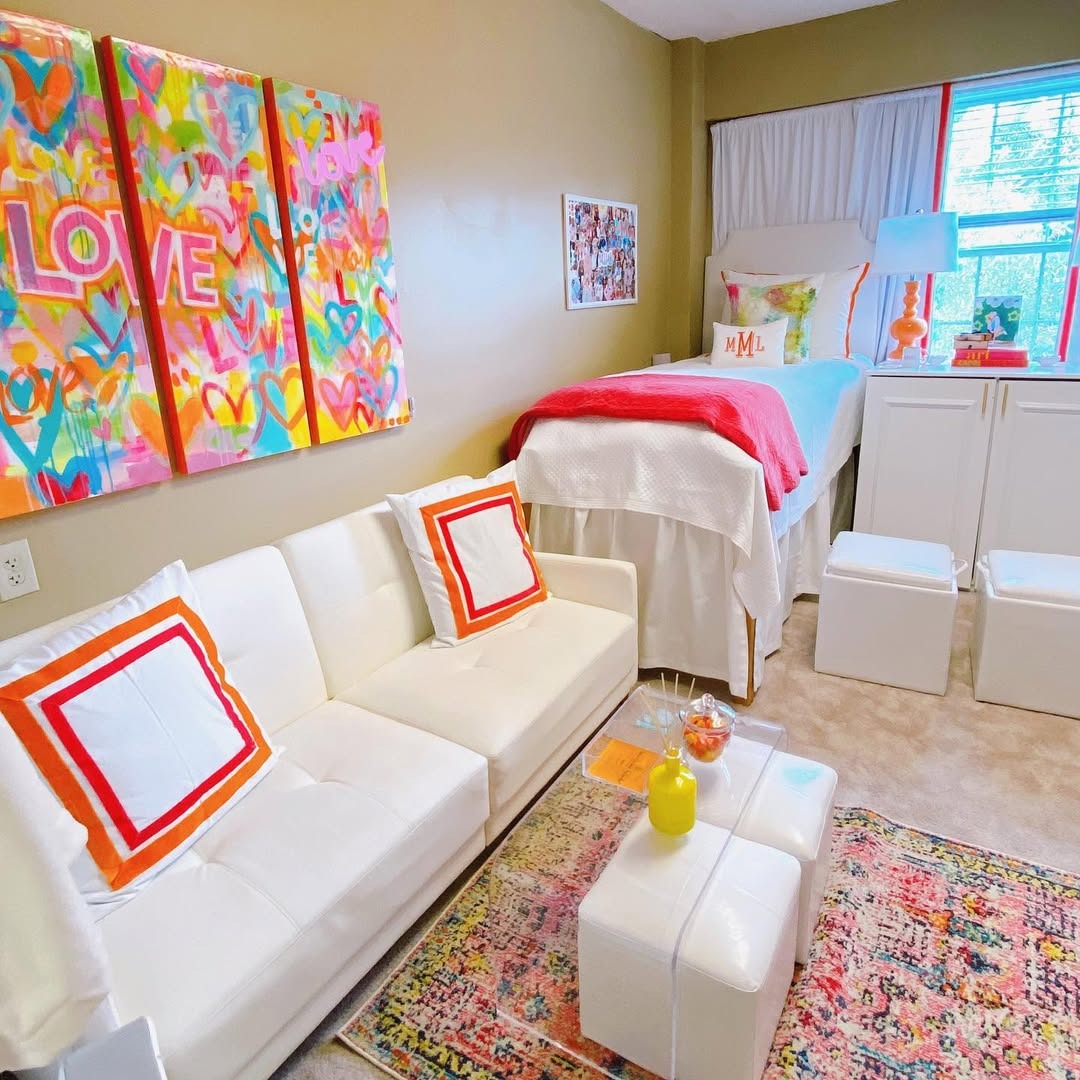
The entry is easy to overlook when an apartment is small, yet it quietly determines how the rest of the home feels. Create a landing zone with one washable mat, a narrow tray for keys, and a basket that can hold shoes, reusable bags, or the jacket you reach for most. If drilling is not allowed, use removable hooks and a slim over-the-door organizer. Keep the palette restrained, then add one cheerful accent—a striped runner, a bright catchall, or a small framed print—to make the threshold feel intentional. The goal is not to fill the entry; it is to prevent the first three feet of your home from becoming a drop zone.
A useful rule is to store arrivals where your hands naturally release them. Put mail beside the tray, cleaning cloths near the mat, and a tote close to the exit. That tiny bit of choreography saves time during rushed mornings and makes evening tidying less demanding. Once the entry works, the whole apartment feels more composed.
Kitchen Pause: Cinnamon Apple Yogurt Cup
- ¾ cup plain or vanilla yogurt
- 1 small apple, diced
- 2 tablespoons granola
- 1 tablespoon chopped walnuts
- ½ teaspoon cinnamon
- 1 teaspoon honey
- Spoon yogurt into a cup or bowl.
- Add apple, granola, walnuts, and cinnamon.
- Finish with honey and eat immediately or chill for later.
2. Let the Bed Do More Than Sleep
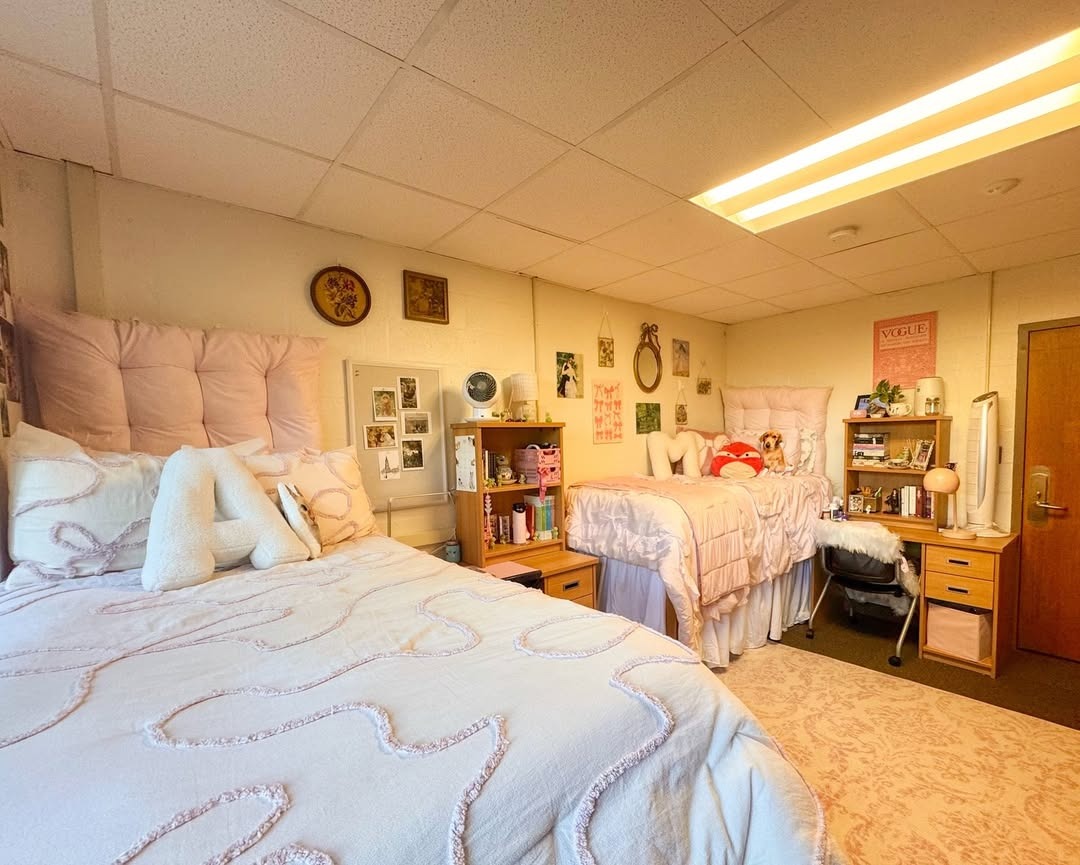
In a compact apartment, the bed often occupies the largest footprint, so treat it as the room’s anchor rather than an afterthought. Start with breathable sheets, a supportive pillow arrangement, and one textured cover that can fold neatly at the foot. A low-profile headboard, a removable wall tapestry, or two large cushions can create a visual backdrop without permanent changes. Choose one base color and repeat it in a lamp, storage bin, or small artwork; repetition makes inexpensive pieces look related.
If the bedroom doubles as a study or lounge, define the bed’s boundary with a small rug or a folded throw. This separates rest from work without adding furniture. Keep the bedside surface edited: a reading light, water glass, and one container for charging cables are usually enough. When the bed looks ready for sleep instead of covered in coursework, the room gives you a clearer signal to wind down.
Comfort also comes from maintenance. Wash bedding on a predictable day, air the room while you make it, and keep an extra pillowcase within reach. These habits are modest, but they help a temporary rental feel cared for and personal.
Kitchen Pause: Peanut Butter Banana Toast
- 1 slice whole-grain bread
- 1 tablespoon peanut or almond butter
- ½ banana, sliced
- 1 teaspoon chia seeds
- Pinch of cinnamon
- Toast the bread until crisp at the edges.
- Spread with nut butter and arrange banana slices on top.
- Sprinkle with chia seeds and cinnamon.
3. Use Light to Divide the Day
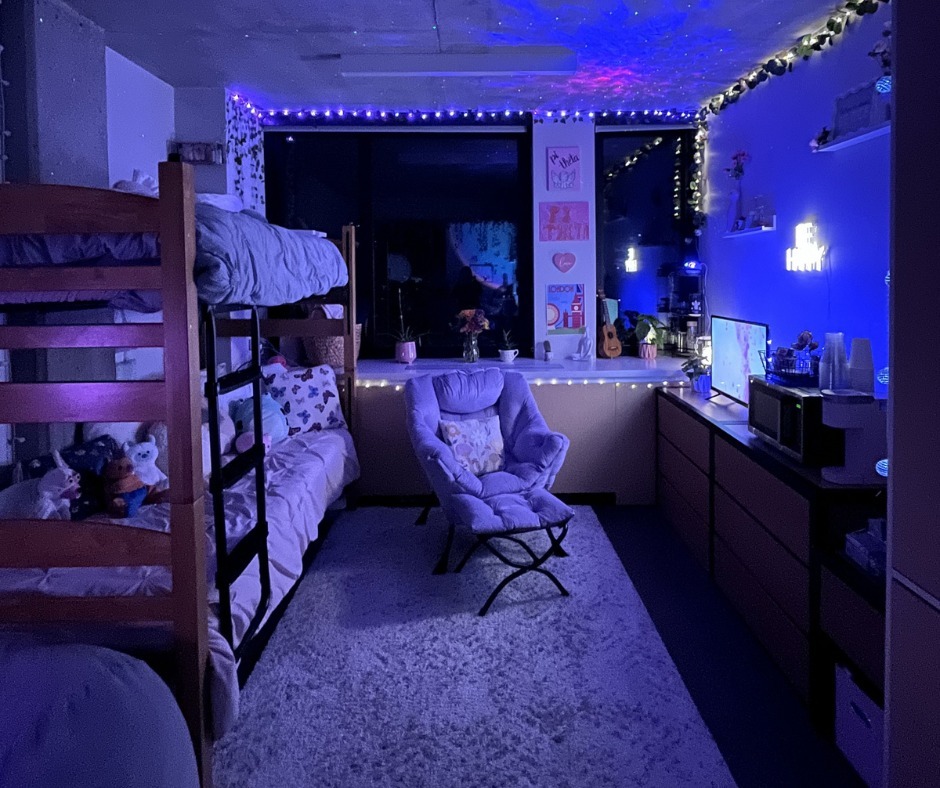
One overhead fixture rarely gives a small apartment enough flexibility. Instead, layer light so each part of the day has a setting: a desk lamp for focused work, a warm floor or table lamp for conversation, and a small clip light for reading. Select bulbs with a comfortable warm tone in relaxing areas, while keeping the desk bright enough to see notes without squinting. A plug-in timer or smart bulb can make the routine nearly automatic.
Placement matters as much as the fixture. Aim a desk lamp across the page to reduce shadows, put a lamp beside—not behind—the sofa, and keep cords gathered with reusable ties. If windows provide good daylight, position the desk nearby but not directly in glare. Sheer curtains can soften brightness while preserving the room’s sense of openness.
Think of lighting as a gentle transition tool. Turn on the desk lamp when classes begin, switch to side lighting after dinner, and dim the room before bed. This simple sequence makes a multipurpose apartment feel less chaotic because the atmosphere changes with the activity. It also lets affordable furnishings appear more considered, proving that ambiance often comes from placement rather than price.
Kitchen Pause: Golden Hummus Snack Plate
- ⅓ cup hummus
- 1 small carrot, cut into sticks
- ½ cucumber, sliced
- 4 whole-grain crackers
- ¼ cup roasted chickpeas
- Pinch of smoked paprika
- Spread hummus on a small plate.
- Arrange vegetables, crackers, and chickpeas around it.
- Dust hummus with paprika and serve.
4. Make Shared Space Feel Fair
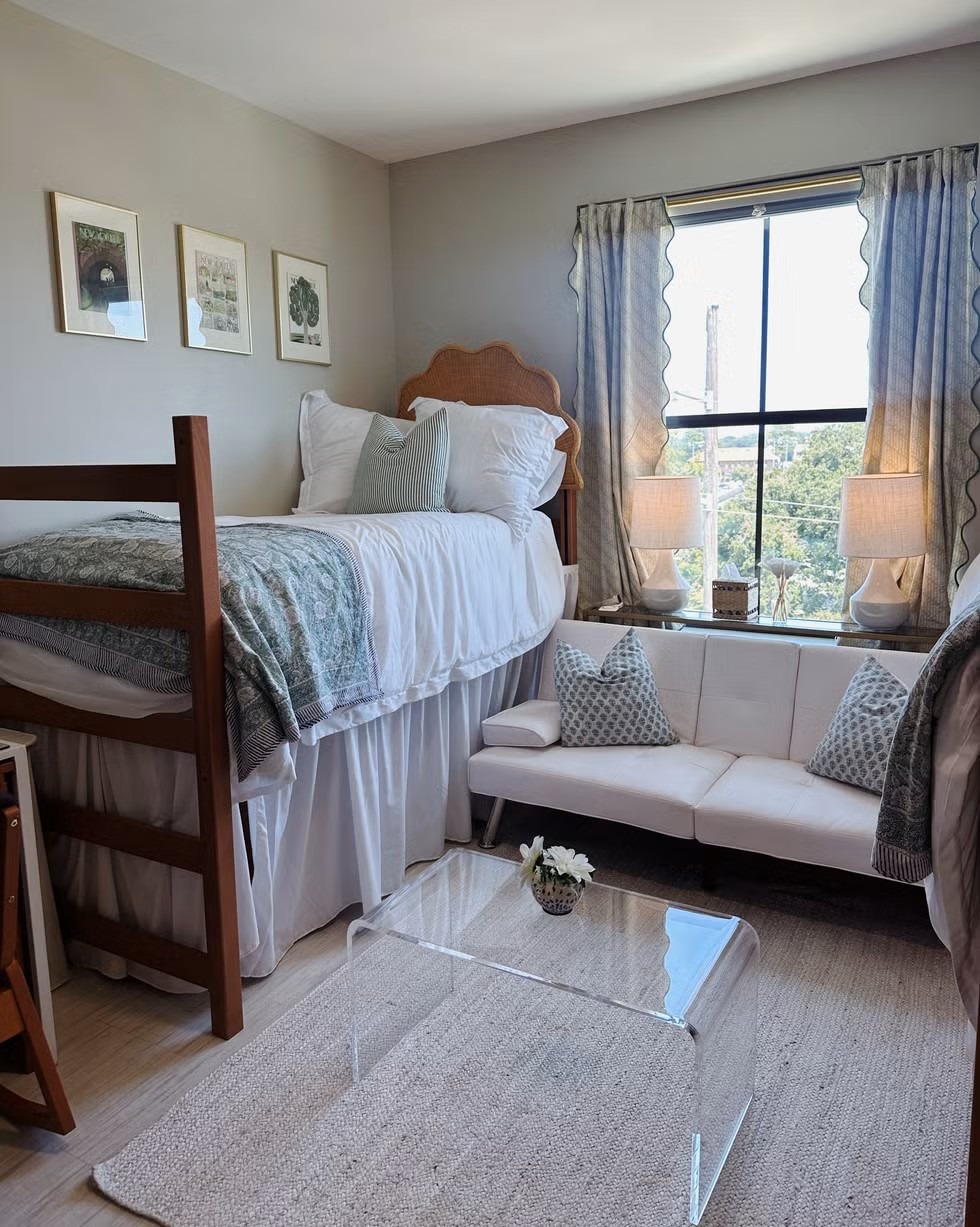
Roommates do not need identical taste to share a home that feels cohesive. Agree first on practical standards—clear walkways, a place for dishes, and a weekly reset—then let each person choose a small zone or set of accents. A common base of natural wood, cream, charcoal, or another quiet neutral can connect mismatched pieces. Personal color can appear in pillows, art, bedding, and desk accessories that are easy to move or replace.
Symmetry is especially useful in shared rooms. Matching baskets or similarly sized bedside surfaces create visual calm even when the objects on them differ. Labeling shelves and using one basket per person can prevent the vague frustration of “Where does this go?” In the kitchen, divide refrigerator shelves and keep a shared bin for staples everyone actually uses.
The most considerate shared spaces leave room for both privacy and conversation. A curtain, folding screen, or strategically placed bookcase can suggest a boundary without making the room feel divided. Design becomes a form of communication: clear storage lowers friction, while a few mutually chosen details make the apartment feel like a home rather than a compromise.
Kitchen Pause: Lemon Herb Couscous Jar
- ½ cup cooked couscous
- ½ cup cherry tomatoes, halved
- ¼ cup cucumber, diced
- 2 tablespoons feta
- 1 tablespoon olive oil
- 1 teaspoon lemon juice
- 1 tablespoon chopped parsley
- Layer couscous, tomatoes, cucumber, and feta in a jar.
- Whisk olive oil and lemon juice, then pour over the top.
- Add parsley, seal, and shake before eating.
5. Give Personality a Portable Place
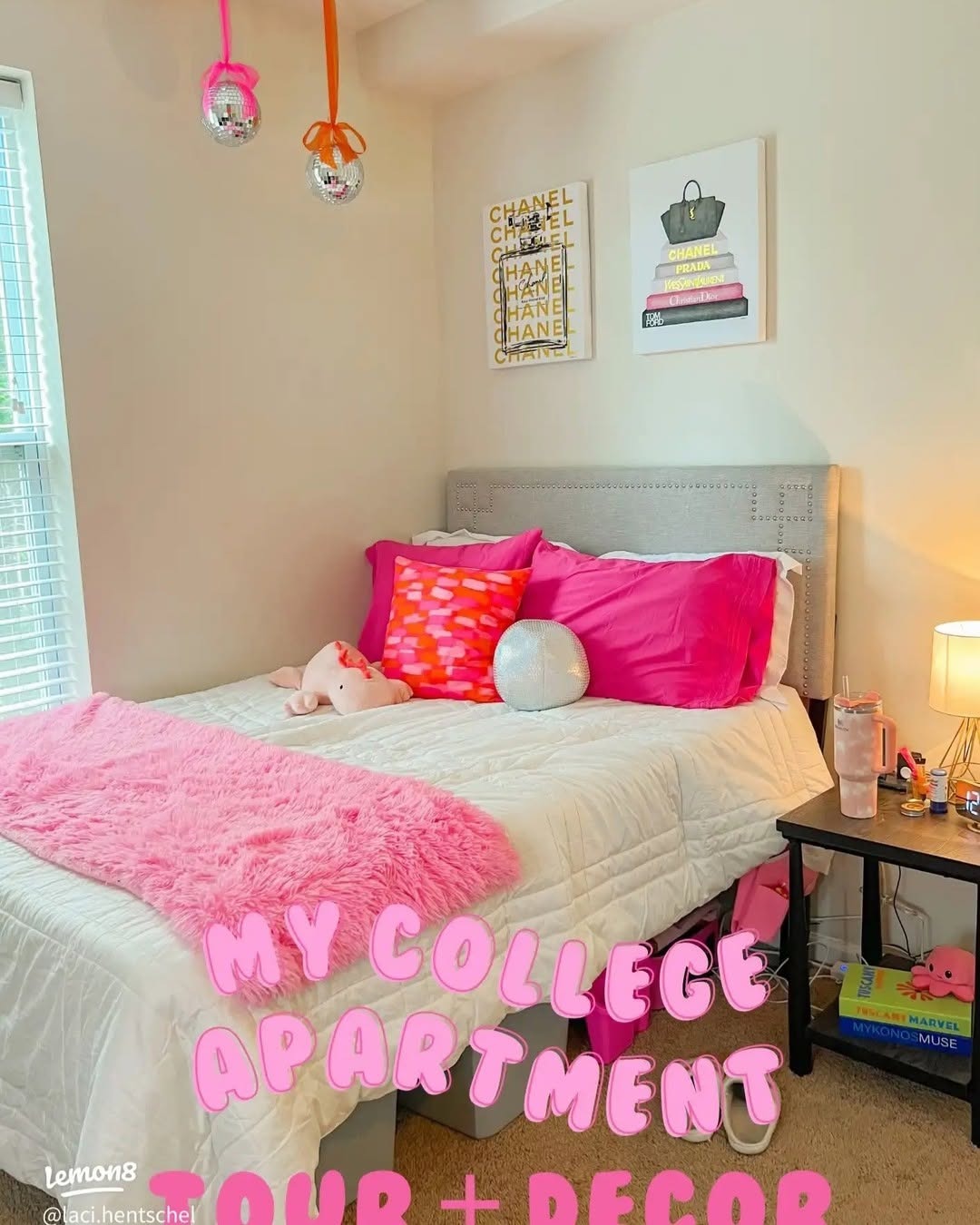
A rental can feel unmistakably yours without permanent paint or a crowded gallery wall. Choose one portable personality piece—a colorful textile, a framed poster, a thrifted mirror, or a photo grid—and let it lead the room. Build around it with two supporting tones rather than adding every color you like. Removable picture strips, magnetic hangers, and leaning frames keep the installation flexible and make move-out easier.
Personal details work best when they are edited. Display a few photographs at eye level, group small keepsakes on one shelf, and rotate seasonal objects instead of letting every memory compete at once. A fabric wall hanging can soften sound and add warmth; a mirror can bounce daylight into a darker corner; a small plant or realistic faux stem can bring shape to a plain desk. Each choice should contribute either feeling, function, or both.
A portable collection is also a smart long-term investment. Buy pieces that fold flat, fit standard frames, or serve more than one room. When the next lease begins, the same objects can move from bedroom to living area and make an unfamiliar floor plan feel recognizable within an afternoon.
Kitchen Pause: Berry Chia Pudding
- ½ cup milk or plant milk
- 2 tablespoons chia seeds
- ½ cup mixed berries
- ½ teaspoon vanilla
- 1 teaspoon maple syrup
- 1 tablespoon sliced almonds
- Stir milk, chia, vanilla, and maple syrup in a jar.
- Cover and refrigerate at least 2 hours, or overnight.
- Top with berries and almonds before serving.
6. Finish With Storage That Looks Calm
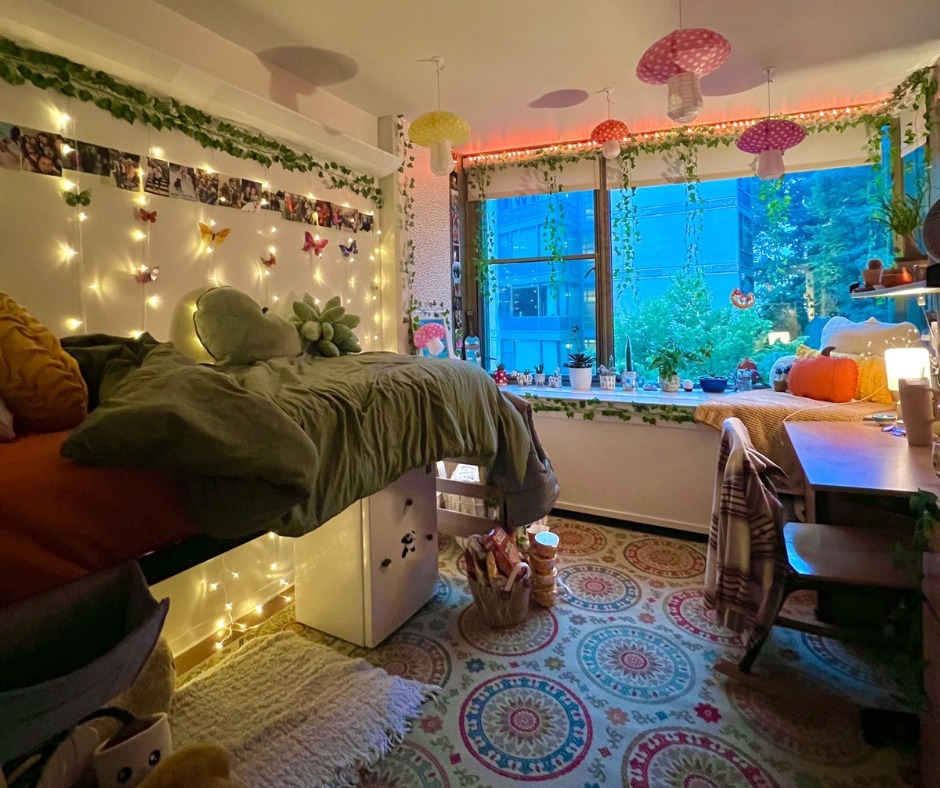
The final layer of a livable apartment is storage that does not announce itself as clutter control. Use lidded boxes under the bed for off-season clothing, a vertical cart for toiletries or school supplies, and matching bins on open shelves for small items. Favor containers that are easy to lift and see into; a beautiful system that is difficult to use will not survive a busy semester. Keep frequently used objects between waist and shoulder height, and reserve high or hidden locations for things you use less often.
Create a five-minute closing routine. Return cups to the kitchen, clear the desk, place laundry in one hamper, and reset the sofa or bed. If a surface repeatedly collects the same item, change the storage rather than blaming yourself. The best organization follows behavior.
Leave a little empty space in every category. A spare drawer section and an unfilled shelf make room for new books, groceries, or a roommate’s needs without forcing an emergency rearrangement. When storage is simple and visible, cleaning becomes a sequence of small actions instead of a weekend project. That is the kind of design win that keeps paying off long after the novelty of new decor fades.
Kitchen Pause: No-Cook Oat Crunch
- ½ cup rolled oats
- ¼ cup yogurt
- 1 tablespoon sunflower-seed butter
- 1 tablespoon raisins
- 1 tablespoon pumpkin seeds
- ½ teaspoon cinnamon
- 1 teaspoon honey
- Stir oats, yogurt, seed butter, and honey in a bowl.
- Fold in raisins, pumpkin seeds, and cinnamon.
- Chill for 10 minutes, then eat with a spoon.
Final Thoughts
A college apartment becomes more comfortable when every choice supports the way you actually move through the week. Start with one landing zone, one restful bed layer, or one storage fix; then add color and personal objects only where they improve the experience. The result can be stylish without being precious and organized without feeling rigid.
Most importantly, make the apartment a place that helps you pause. A quick snack, a softer lamp, and a clear surface can turn an ordinary evening into a small reset. Good design is not about having more; it is about making daily life easier to return to.