Flattering Fashion: 14 Practical Style Moves for Petite, Curvy Figures
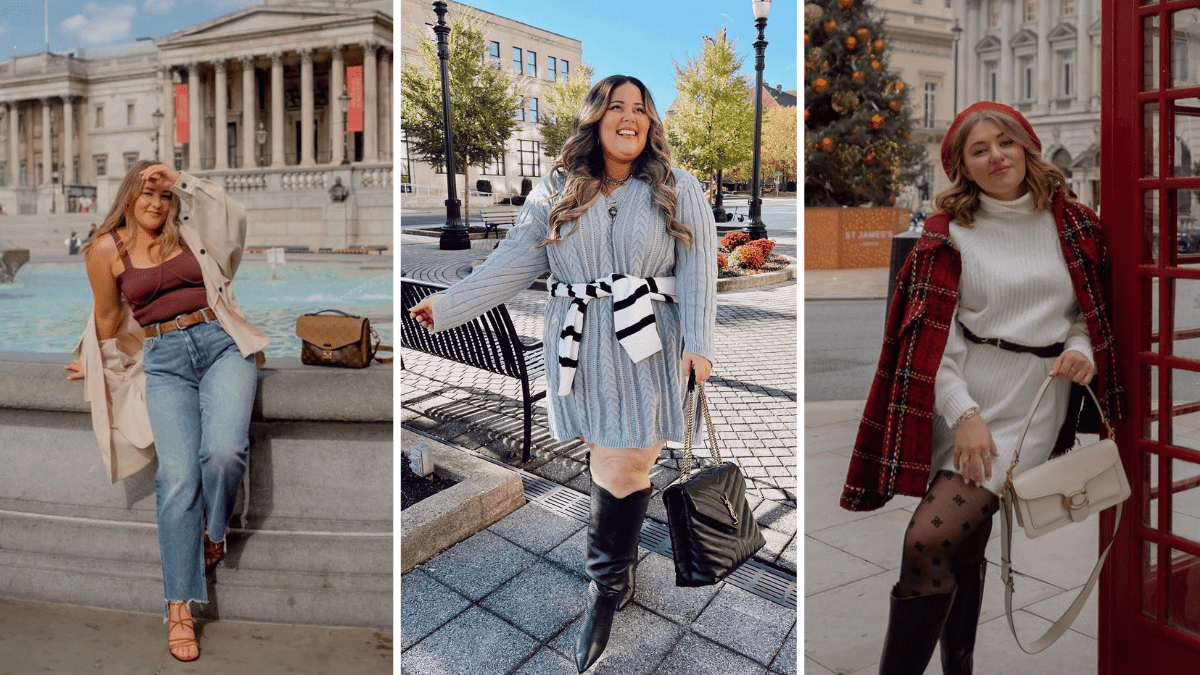
Feeling confident in clothes starts with small, reliable styling choices that celebrate your shape and make getting dressed a pleasure. These 14 practical moves focus on proportion, silhouette, and simple tricks that create balance and lift without dramatic wardrobe overhauls.
Each of the seven sections below pairs two complementary tips you can try together. Read them as a toolkit—pick what fits your lifestyle and body, then adapt until it feels unmistakably you.
1. Proportions That Create Height
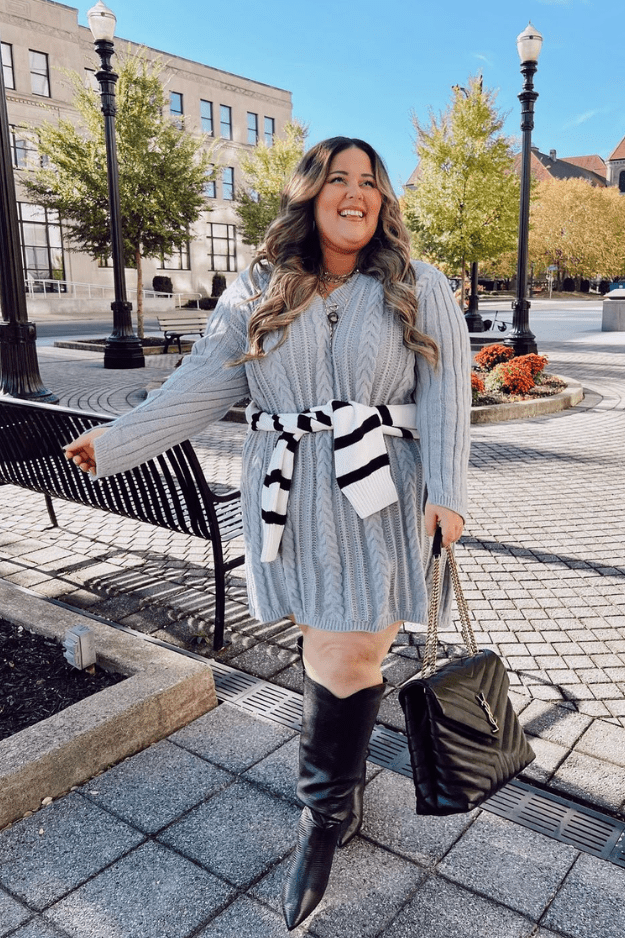
Shorter torsos and legs feel longer when clothing creates uninterrupted vertical lines. Think V-necks, single vertical seams, and avoiding extra horizontal details that cut your frame.
Pair higher-rise bottoms with tops that either tuck in or hit at the narrowest part of your waist to visually lengthen legs. Keep jacket lengths cropped or fitted rather than long and boxy so the eye travels up and down.
Try this: Tuck a lightweight tee into high-rise straight jeans and add a V-neck cardigan to create a continuous vertical line.
2. Smart Waist Definition
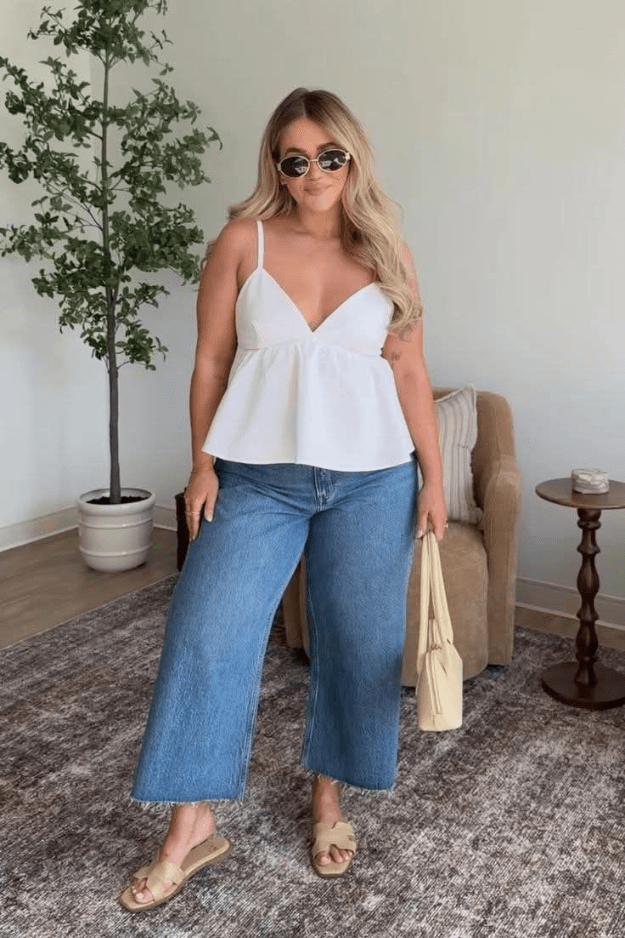
Defining the waist adds shape and prevents clothes from swallowing you. Look for garments with natural waist seams, wrap details, or soft belts that draw the eye inward without adding bulk.
A thin belt or a side-tie can be more flattering than heavy elastic at the midsection; it creates a clear waistline and gives you a clean silhouette. Avoid raw, wide bands that sit across the fullest part of your torso where they may create unnecessary emphasis.
Try this: Layer a lightweight blazer or cardigan over a tucked blouse and secure with a narrow belt at the true waist to create an hourglass impression.
3. Choose Flattering Silhouettes
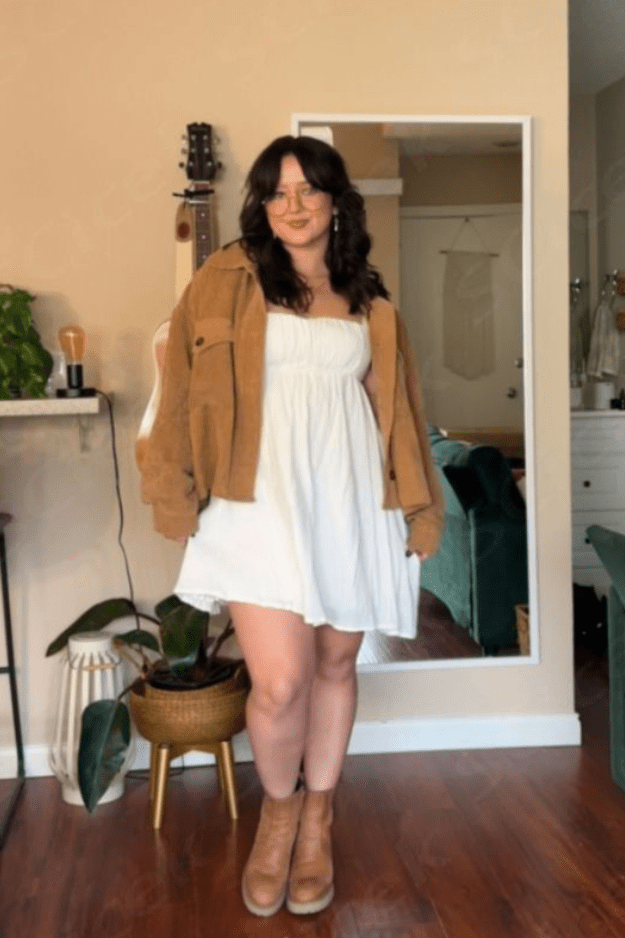
Not every trend suits every body; focus on silhouettes that skim rather than cling or drown. A-line skirts, wrap dresses, and well-cut straight trousers offer shape without adding volume.
Avoid boxy tunics and super-tight pieces at the same time—either create structure with a tailored top or embrace fluid drape that nods to your natural curves. Structured shoulders or a gentle dart can add polish without bulk.
Try this: Try a midi wrap dress with a defined waist and a slight A-line skirt to balance hips and create a taller silhouette.
4. Use Prints and Color to Your Advantage
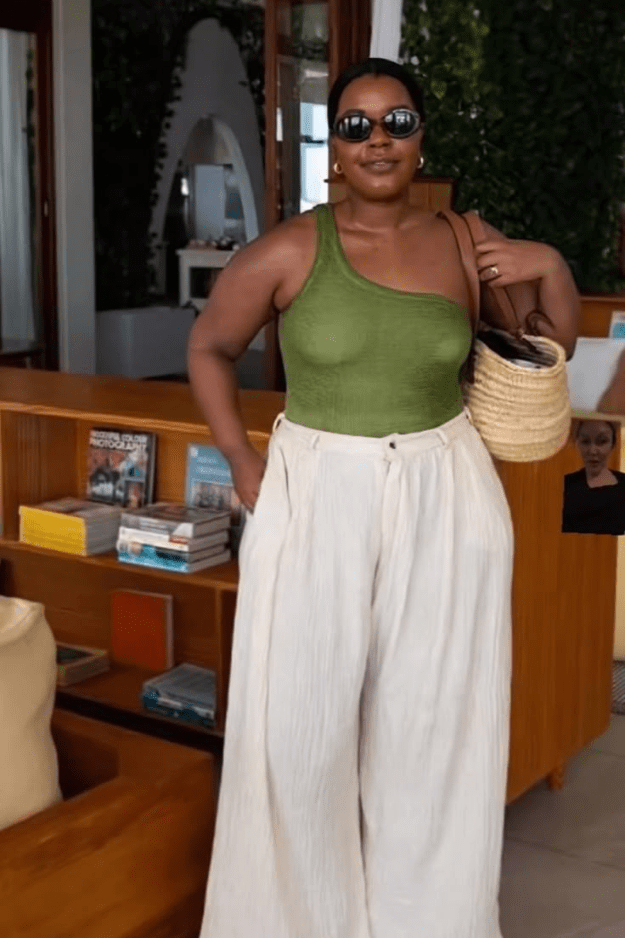
Scale matters: smaller, denser prints typically read more subtle and can be slimming, while very large motifs may overwhelm a petite frame. Vertical or diagonal patterns help lengthen; darker colors recede and can be used where you want less emphasis.
That said, color-blocking strategically brings attention to your favorite features—combine a darker bottom with a brighter top to lift the face. Play with tonal outfits to create a single visual column that elongates.
Try this: Wear a darker skirt or pant with a brighter fitted top and add a long pendant necklace to draw the eye vertically.
5. Hemlines That Gain Inches
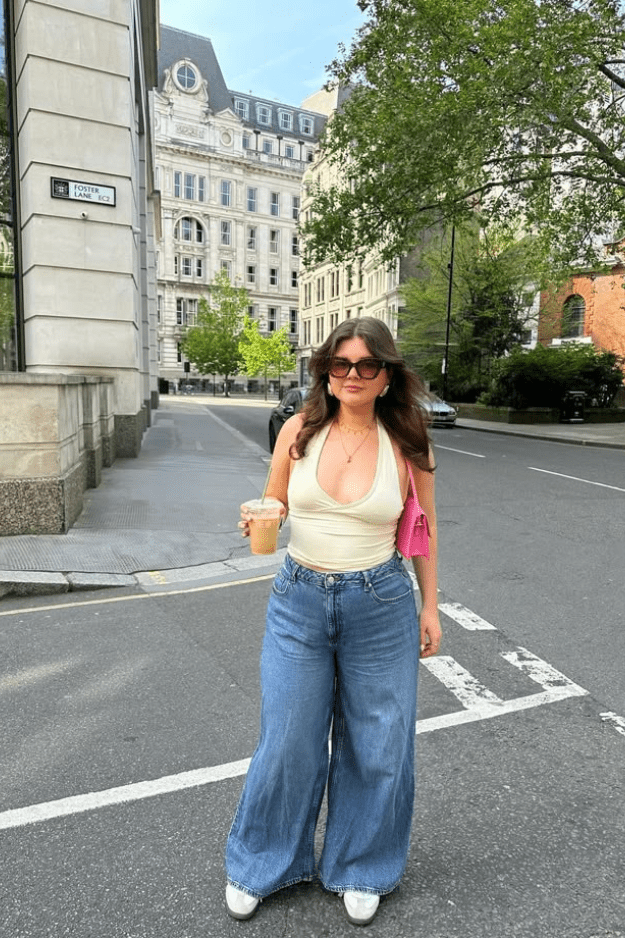
Choosing the right hem length is an instant game-changer: mid-calf hems can cut you off, while skirts that hit just above the knee or a bit shorter tend to visually lengthen legs. Cropped trousers work if they end just at the ankle and are balanced with a slightly higher rise.
When wearing ankle boots or straps, pick ones that either match your skin tone or the color of your pants to avoid a harsh break at the ankle. A small heel or slightly elevated sole adds inches without discomfort.
Try this: Swap a mid-calf skirt for one that falls a finger above the knee and pair with low-contrast shoes to keep the leg line continuous.
6. Layer Light, Layer Smart
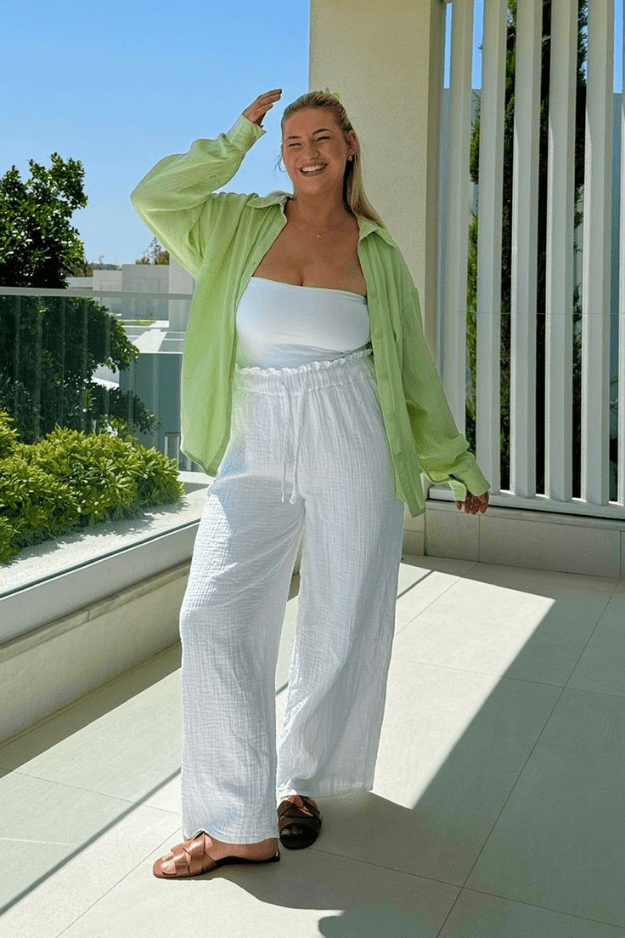
Layering can add depth without bulk if you choose thin fabrics and maintain clear lines. A lightweight longline vest or a single-breasted blazer can lengthen the torso while a bulky coat can overwhelm a smaller frame.
Keep layers proportionate: short jackets pair well with higher waists, while longer layers should be more fitted to avoid swallowing your shape. Use layers to frame the body rather than cover it completely.
Try this: Put a thin, longline vest over a tucked top and straight-leg jeans to add depth and verticality without extra volume.
7. Accessories That Add Height and Focus
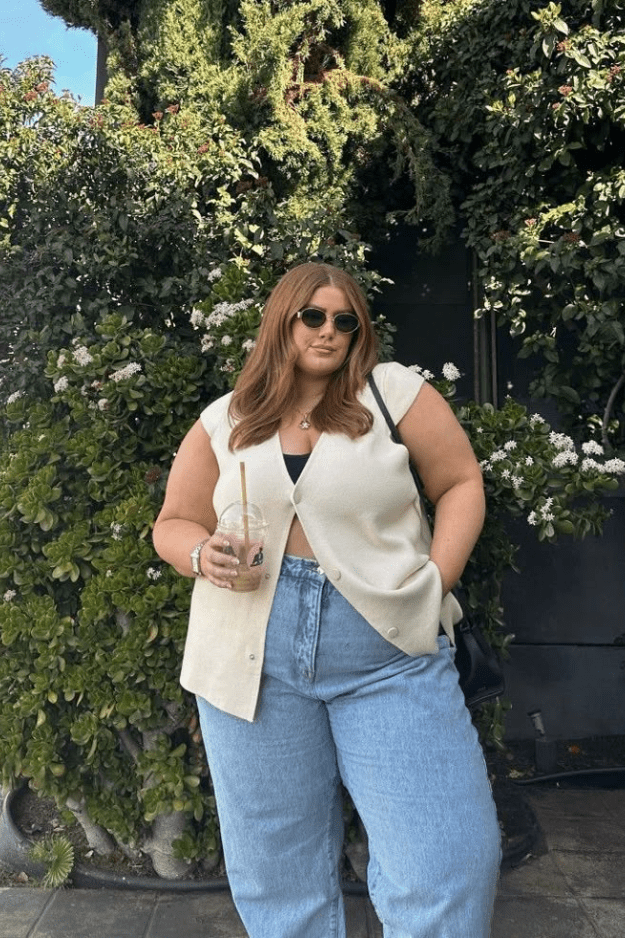
Accessories can be subtle elongators: long necklaces, vertical pendant chains, and narrow scarves create downward movement. Choose shoes with a gentle point or a low heel to lengthen the footline; ankle straps that match the shoe or skin tone are preferable.
Keep bag sizes proportional—micro bags can look lost and oversized totes can overpower. Eyewear, hats, and structured jewelry draw attention to the face, which centers your look and communicates confidence.
Try this: Wear a pointed-toe shoe in a neutral shade with a long pendant necklace to create a cohesive vertical line from neck to toe.
Final Thoughts
Dressing a shorter, fuller figure is about making intentional, confidence-building choices: emphasize vertical lines, define your waist, choose balanced silhouettes, and use accessories to guide the eye. Start with one or two of these tips, adapt them to your lifestyle, and celebrate the outfits that make you feel strong and at ease.