Effortless Style in Your 70s: Confident, Comfortable, and Unapologetically You
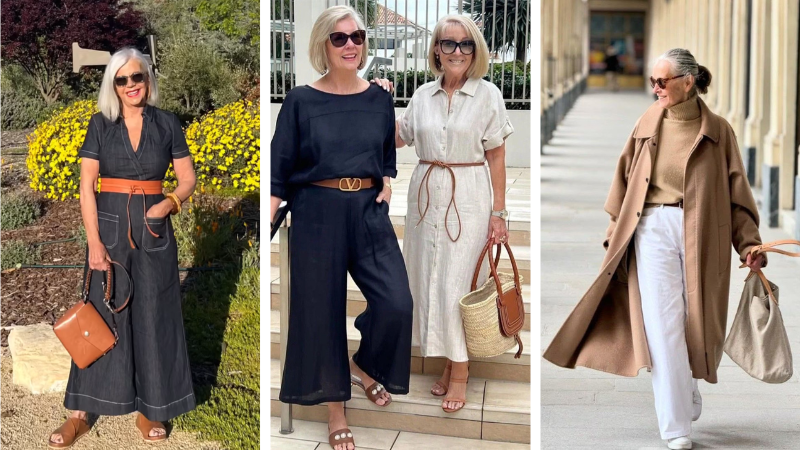
Reaching your 70s doesn’t mean retreating from style—it’s an invitation to dress with clarity, confidence, and the pleasure of knowing what works for you. This decade is about refining a personal uniform that feels good, looks polished, and makes getting dressed a joyful part of your day.
Think of your wardrobe as a toolkit: fewer fussy trends, more purposeful choices. The goal is to build outfits that balance comfort with presence so you can move through social life, travel, and everyday errands looking and feeling like the person you are now.
1. Make Fit Your Foundation
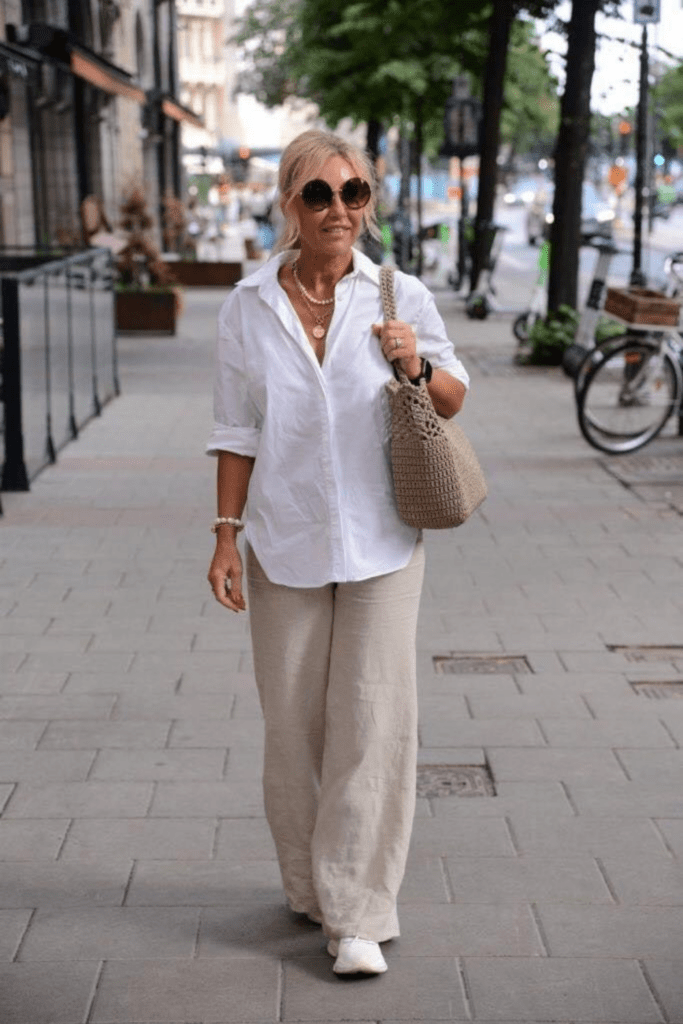
Clothing that fits well will always read as stylish. Focus on proportion—nip in at the waist when you want shape, choose streamlined trousers to lengthen the leg, and avoid oversized pieces that swallow your frame unless you intend them as a deliberate, modern silhouette.
A few minutes with a tailor can transform off-the-rack items into pieces that look custom-made. Think of tailoring as an investment in every garment’s impact rather than a luxury for special occasions.
Try this: take one favorite jacket and one pair of pants to a tailor to adjust sleeve length and hem for a cleaner, more intentional look.
2. Prioritize Comfortable, High-Quality Fabrics
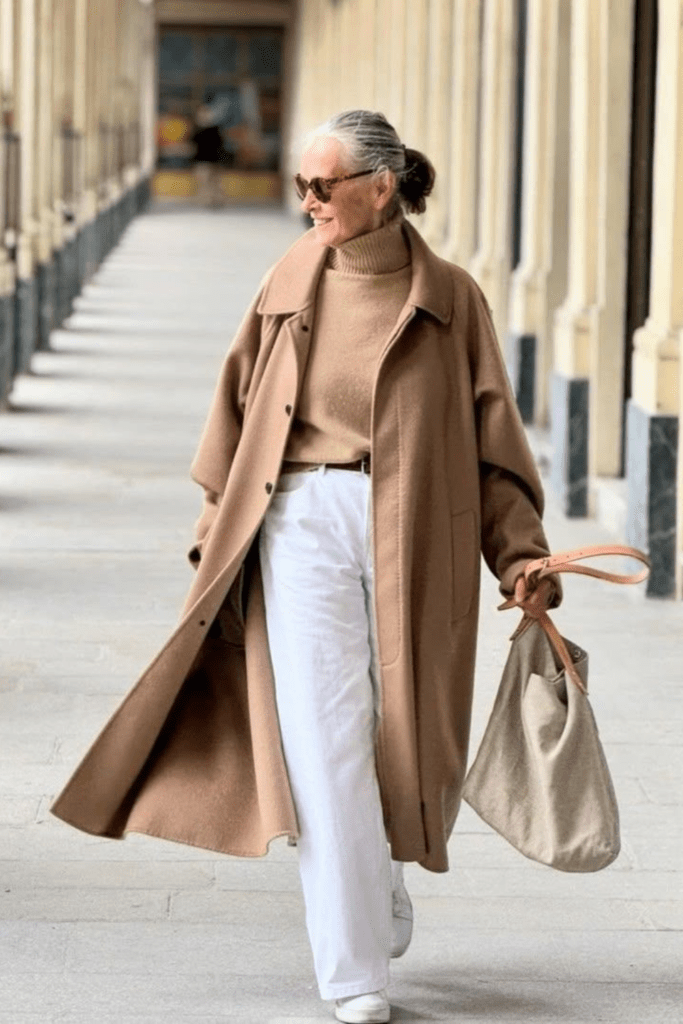
Fabric choice determines how an outfit feels all day long. Opt for natural or engineered blends with a bit of stretch—cotton knit, fine merino, linen blends, and soft wools that drape, breathe, and resist creasing make daily dressing easier and more flattering.
Textures add interest without fuss; a subtle rib, a fine knit, or a matte crepe elevates simple silhouettes and masks wear. Aim for durable pieces that withstand repeat wear so you can rely on them as staples.
Try this: swap one synthetic blouse for a soft knit top or a linen-blend shirt to feel more comfortable and polished throughout the day.
3. Use Color and Pattern Strategically
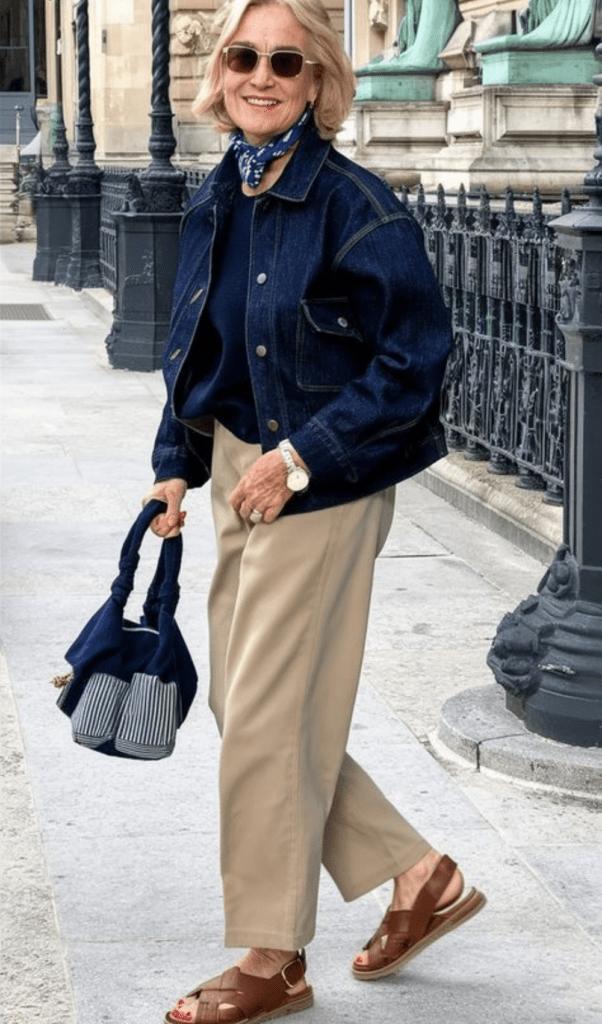
A thoughtful palette makes getting dressed faster and keeps outfits cohesive. Build around two neutrals—think warm beige and deep navy or charcoal and cream—and add one or two accent colors that flatter your complexion and bring energy to your look.
Patterns are your friend when used sparingly: a printed scarf, a striped tee, or a floral blouse can animate an outfit without overwhelming it. Keep scale in mind—moderate, well-spaced prints read best at a distance.
Try this: choose one accent color you love and buy three pieces in that tone to mix with your neutrals across seasons.
4. Accessories That Amplify, Not Compete
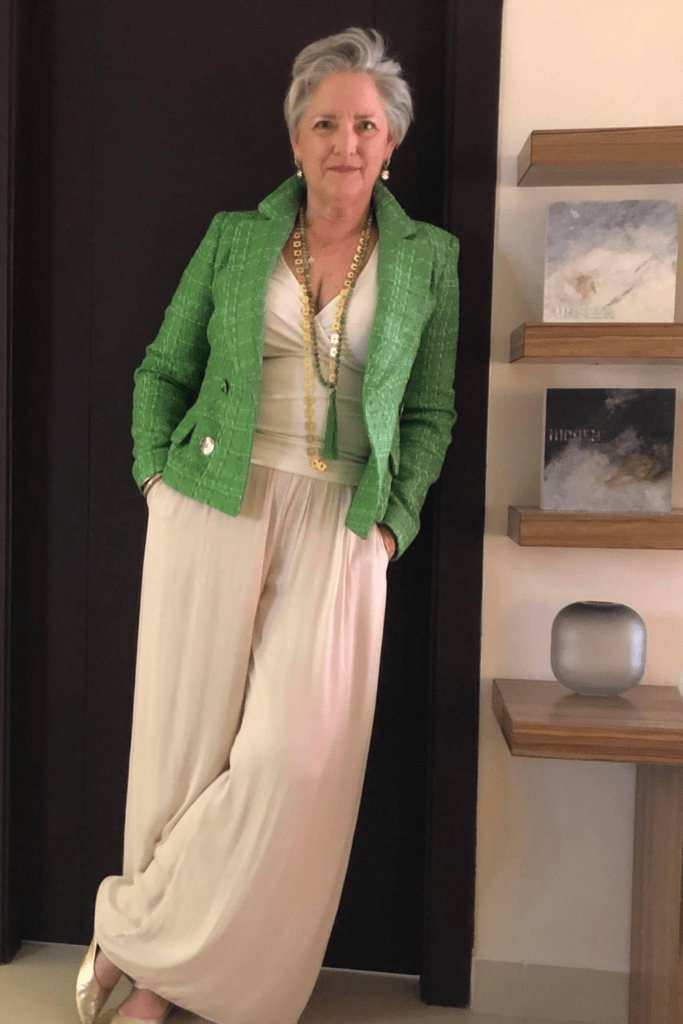
Accessories are the easiest way to signal personality and polish. A structured bag, a pair of statement glasses, or a couple of well-chosen jewelry pieces elevate simple outfits and add cohesion without effort.
Keep proportions in mind—delicate chains work beautifully with high necklines, while bolder cuffs complement three-quarter sleeves. Scarves and belts can be functional as well as stylish, defining a waist or adding warmth when needed.
Try this: add one statement accessory—a silk scarf or bold earring—to a neutral outfit to instantly lift the whole look.
5. Shoes That Balance Comfort and Elegance
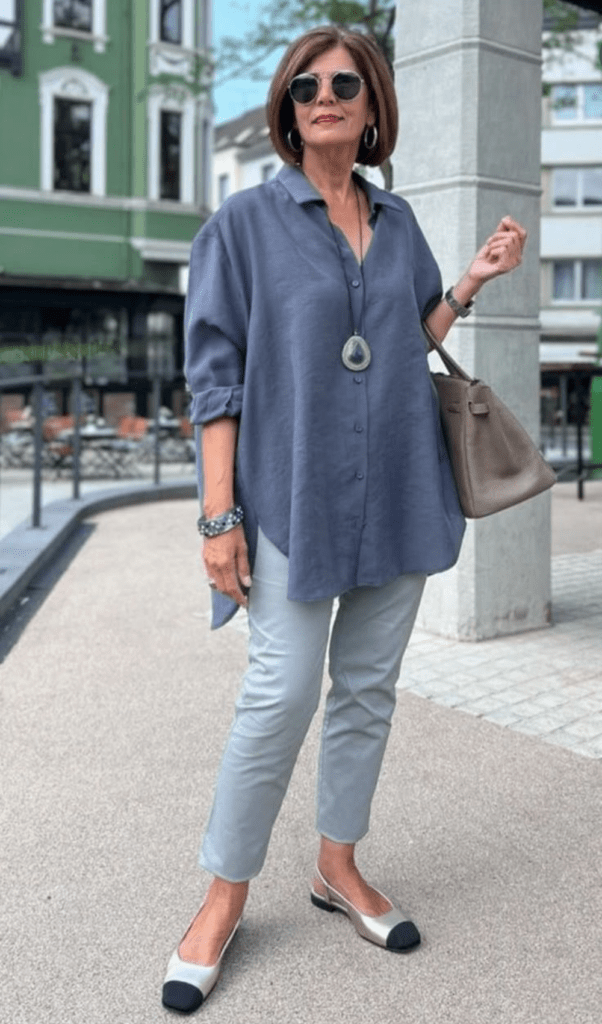
The right shoes make every outfit read intentional. Look for clean silhouettes—low block heels, polished loafers, sleek ankle boots, and supportive flats—that offer comfort without sacrificing a refined profile.
Pay attention to proportion: slimmer trousers pair well with low heels or loafers, while wider-leg pants harmonize with chunkier soles. Keep a few go-to pairs that match your daily life, from walking-friendly options to a dressier pair for events.
Try this: pick one pair of comfortable, supportive shoes in a neutral tone that works with most outfits and wear them through the week to assess fit and versatility.
6. Layer Smartly for Shape and Warmth
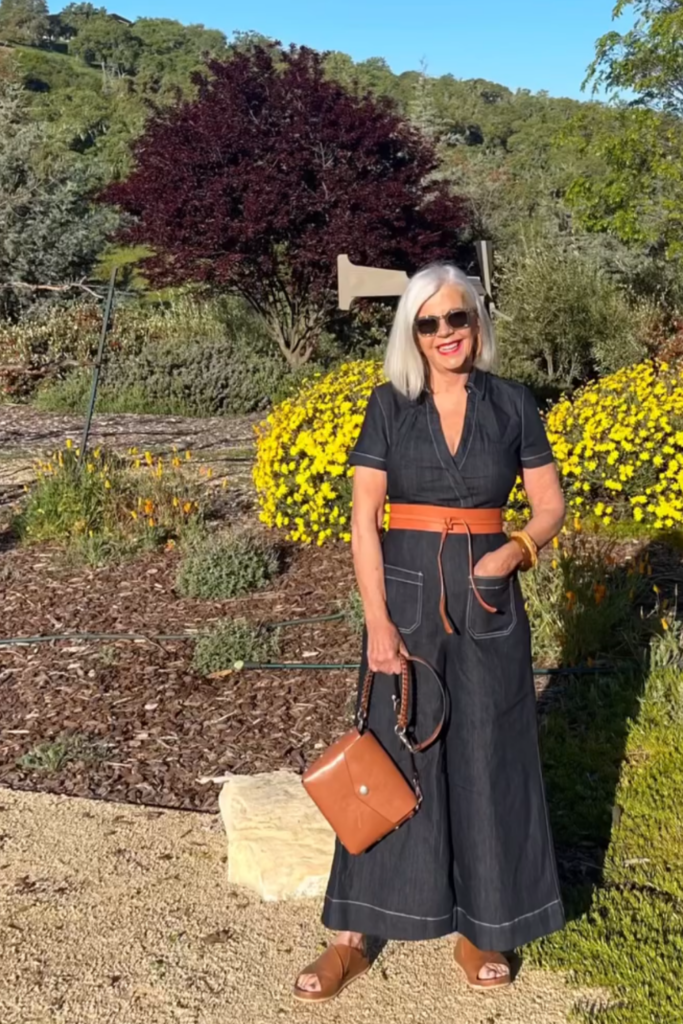
Layering isn’t just practical—it creates structure. Lightweight turtlenecks under blouses, a fitted cardigan over dresses, and a longline vest under a tailored coat all add dimension and adapt to changing temperatures while keeping the silhouette composed.
Choose one statement outer layer—a structured blazer, a classic trench, or a softwrap coat—that elevates casual pieces. Hem lengths matter; a jacket that hits at the hip reads differently than one that grazes the knee, so pick lengths that flatter your proportions.
Try this: practice layering a thin knit under a blazer and adding a long scarf to see how simple additions transform an outfit’s look and comfort.
7. Polish Through Grooming and Intentional Details
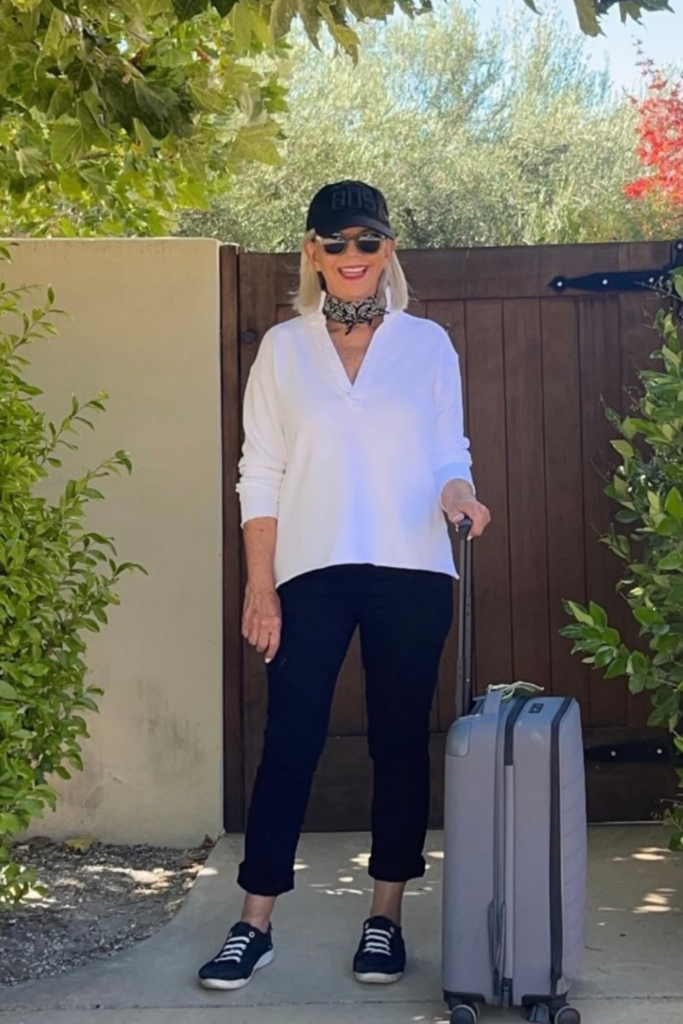
Style extends beyond clothing to the way you present yourself. Basic grooming—neat hair, tidy nails, well-kept eyewear—pairs with small beauty choices like a flattering lip color or a defined brow to lift your whole appearance without much time or effort.
Confidence is the final accessory: stand tall, move with purpose, and choose pieces that make you feel like yourself. When you dress with intention, others notice the ease and authenticity you bring to the room.
Try this: create a two-minute finishing routine (brow brush, tinted lip balm, simple earring) that you do before leaving the house to feel put-together every day.
Final Thoughts
Dressing well in your 70s is about clarity, comfort, and celebrating the person you are. With attention to fit, fabrics, and a handful of reliable pieces, you can build a wardrobe that supports your lifestyle and lets your confidence shine—every single day.
