Modern, Confident Style After 60: A Practical Guide to Dressing Fresh and Timeless
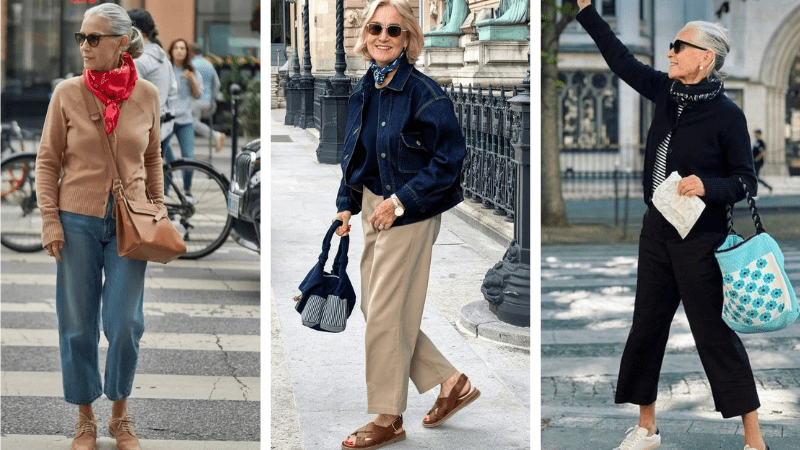
Turning 60 doesn’t mean stepping into a style box. It’s a great moment to refine what you wear so your clothes reflect experience, personality, and confidence instead of trends or expectations.
This guide focuses on clear, realistic steps—fit, fabric, color, proportion, and accessories—to keep your wardrobe feeling current without losing the comfort and ease you value. The goal is to help you look like the best version of yourself, not like someone chasing a moment in fashion history.
1. Fit First: The Power of Proper Tailoring
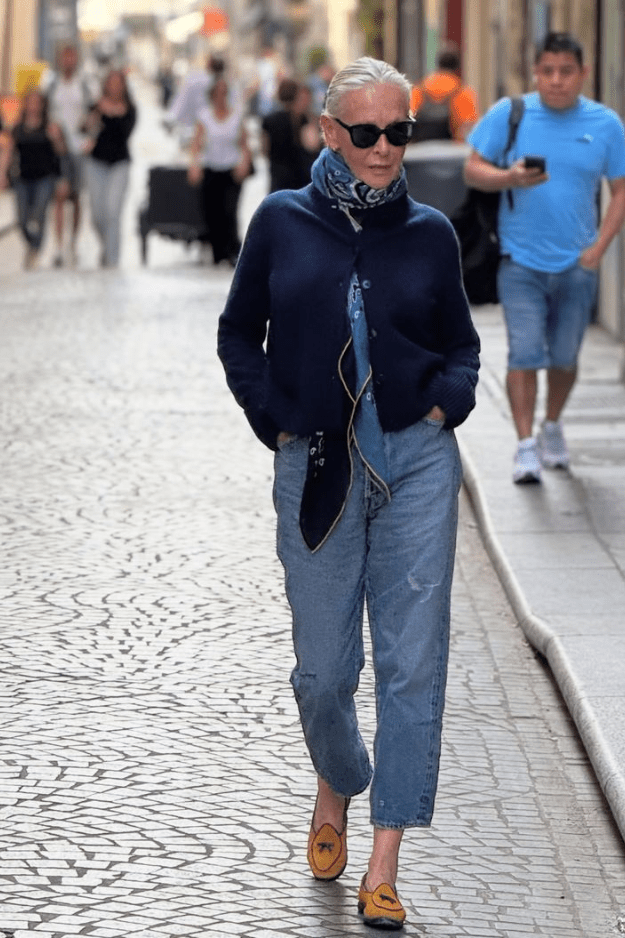
Fit changes everything. Clothes that are too tight or too boxy can age a look, while garments that skim rather than cling create a polished silhouette that feels modern and flattering.
A few simple tailoring adjustments—shortening sleeves, taking in a waist, or hemming trousers—can transform pieces you already own into something you reach for first. Tailoring is an investment that pays back in confidence and longevity.
Try this: Take one favorite coat or pair of trousers to a tailor and have the hem and waist adjusted for a cleaner, more current silhouette.
2. Choose Fabrics That Flatter and Breathe
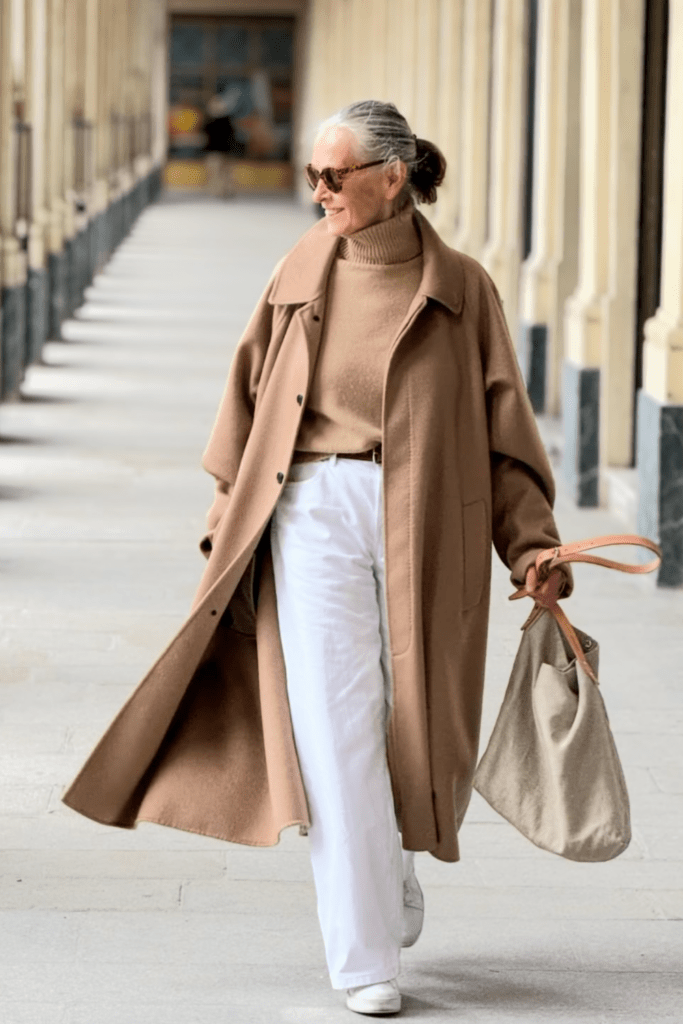
Fabric affects how garments sit and move. Natural fibers and blends with good drape—like lightweight wool, cotton, silk blends, and textured knits—tend to look richer and wear better than stiff, shiny synthetics.
Textures add visual interest without loud details: a softly ribbed sweater, a crepe blouse, or a brushed suiting can all give an outfit depth while staying understated and elegant.
Try this: Replace one polyester-heavy blouse with a breathable, textured knit or silk-blend top that skims the body and layers easily.
3. Color and Pattern: Use Contrast to Energize
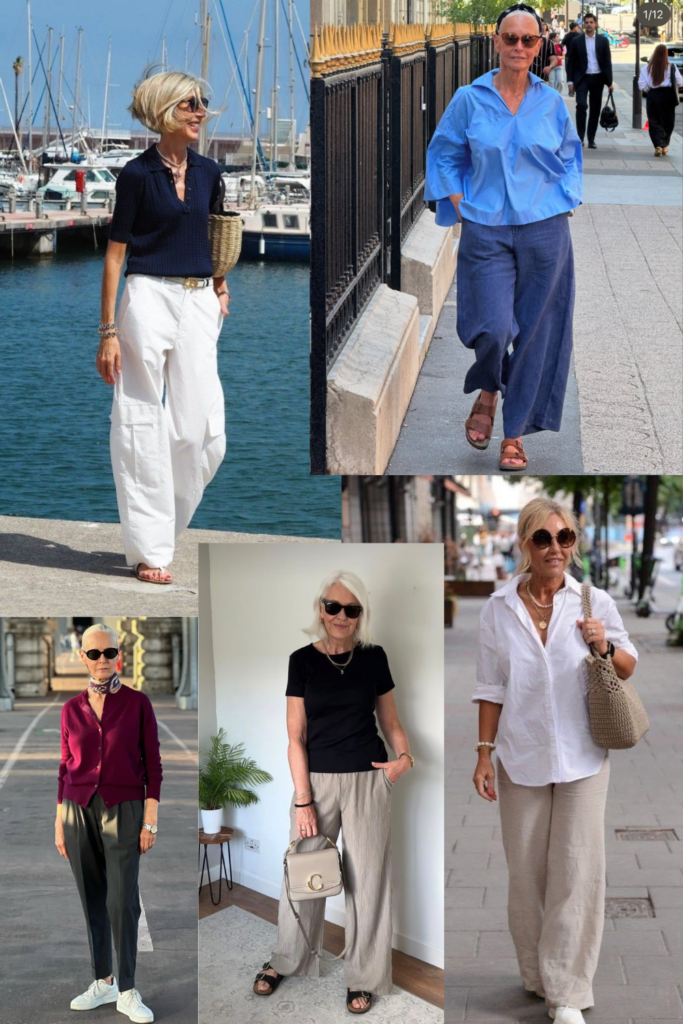
Neutral foundations—navy, charcoal, cream, camel—are timeless, but color is where personality shines. Introducing one saturated tone or a jewel shade can lift an outfit without feeling fussy.
Patterns are best when scaled to the wearer: small, busy prints can be softened by mixing with solids, while larger, graphic motifs work well as a single statement piece paired with muted companions.
Try this: Start with a neutral base and add one bold item—a scarf, sweater, or shoe—in a complementary color to add energy without overwhelm.
4. Update Classics with Contemporary Details
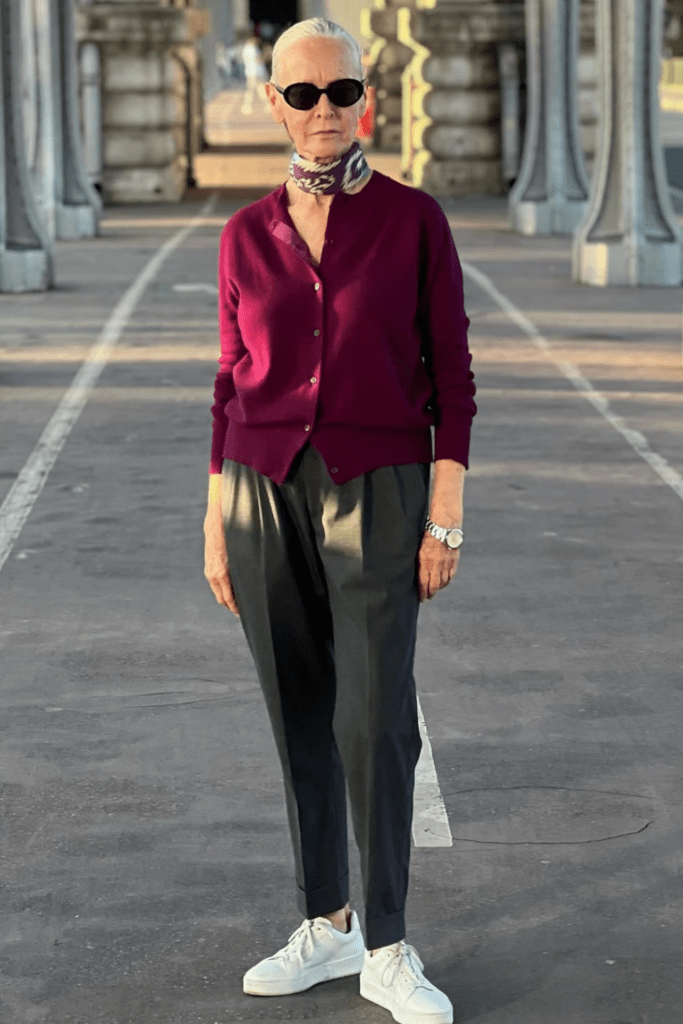
Classic pieces—blazers, trench coats, tailored trousers—form the backbone of a timeless wardrobe. Modernizing them comes down to small details: a slightly cropped length, a subtle asymmetry, or a refined lapel can refresh a familiar silhouette.
Think of updating rather than replacing. A new hemline, a modern collar, or switching to a streamlined closure will keep classics feeling current while preserving their versatility.
Try this: Modify one classic item—have a blazer taken in a touch and the sleeves shortened to reveal wrist jewelry or a crisp shirt cuff for a fresher look.
5. Balance Proportions with Thoughtful Layering
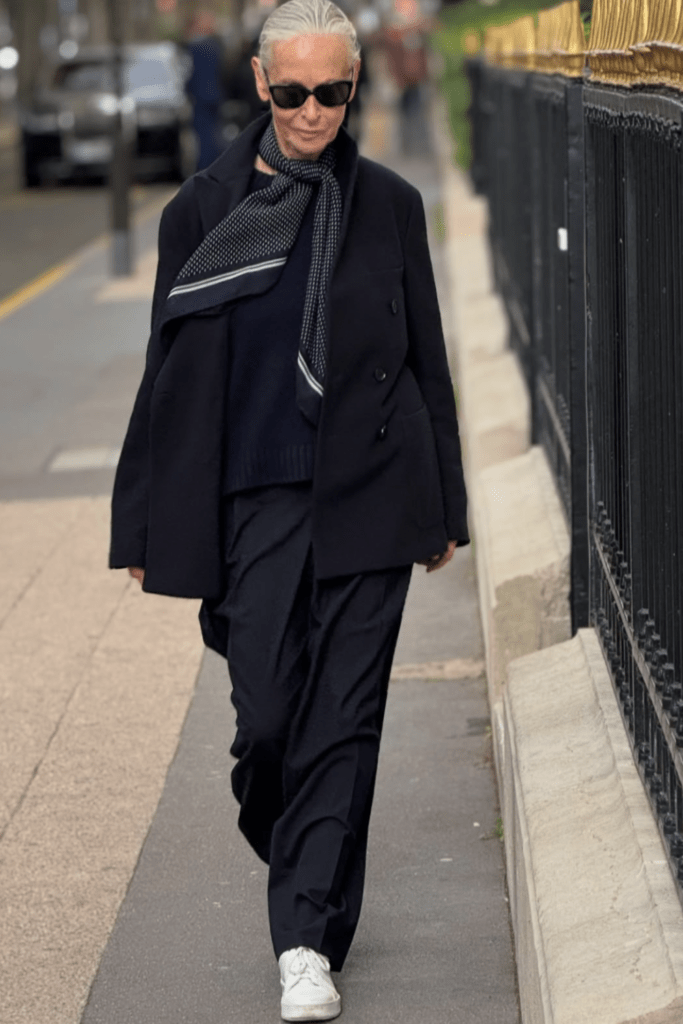
Layering is a tool for both style and practicality. Use lengths and shapes to create clean lines: pair a longer cardigan with a slimmer pant, or a structured jacket over a flowing dress to add contrast and sophistication.
Avoid too many competing bulk points; instead, aim for one voluminous piece balanced by sleeker items. This keeps outfits visually interesting without adding unnecessary weight.
Try this: Layer a mid-thigh jacket over a slim trouser and add a lightweight scarf or belt to define the waist and create a crisp vertical line.
6. Accessories: Make a Selective Statement
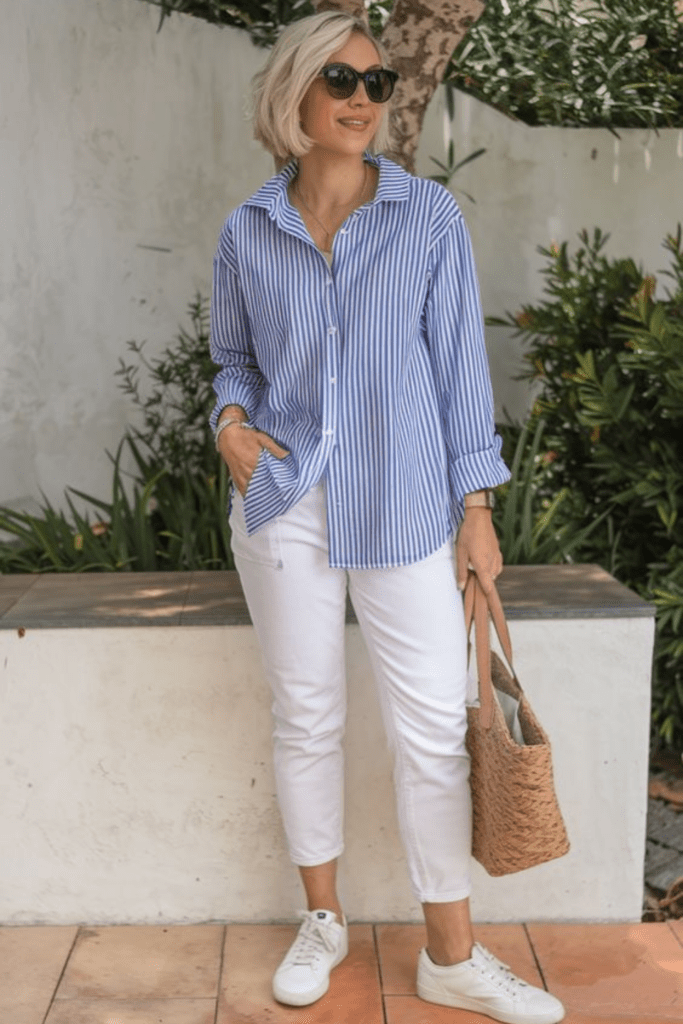
Accessories are the fastest way to personalize a look. Choose one or two pieces that reflect your taste—an eye-catching necklace, a sculptural brooch, or a textured handbag—rather than cluttering with many small items.
Eyewear, belts, and scarves also serve as functional style moments. Select finishes and shapes that complement your face and body proportions to amplify rather than compete with your outfit.
Try this: Pick one standout accessory to anchor an outfit—like a bold earring or a tactile belt—and keep the rest of the look simple and complementary.
7. Shoes That Combine Comfort and Chic
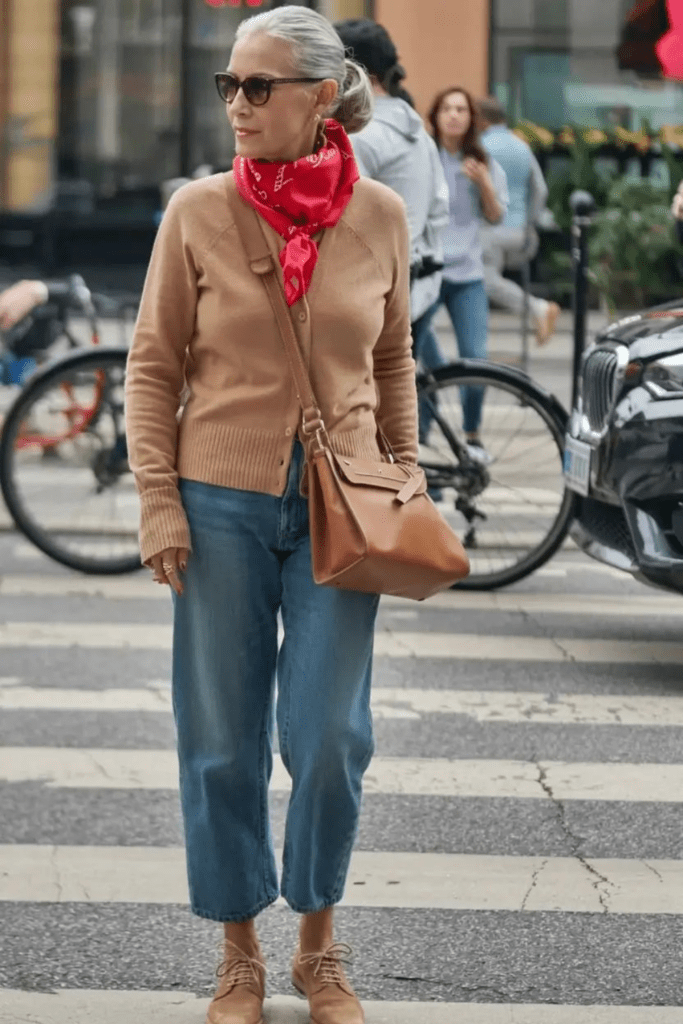
Comfortable shoes don’t have to mean sacrificing style. Seek shapes that elongate the leg—a modest heel, a pointed toe, or a sleek boot—and materials that hold structure without looking heavy.
A well-fitting shoe with a subtle design detail—contrasting stitching, a sculpted heel, or an elegant buckle—can lift an outfit and support all-day wear without feeling ordinary.
Try this: Choose one new pair of shoes with supportive construction and a modern detail—such as a low block heel or refined almond toe—to pair with both trousers and dresses.
Final Thoughts
Refreshing your wardrobe after 60 is about small, intentional choices: prioritize fit, experiment with color and texture, modernize classics with subtle updates, and let accessories tell your story. These steps help you dress in a way that feels joyful, confident, and very much your own.
