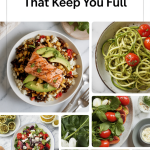
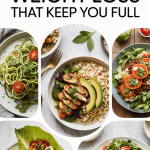
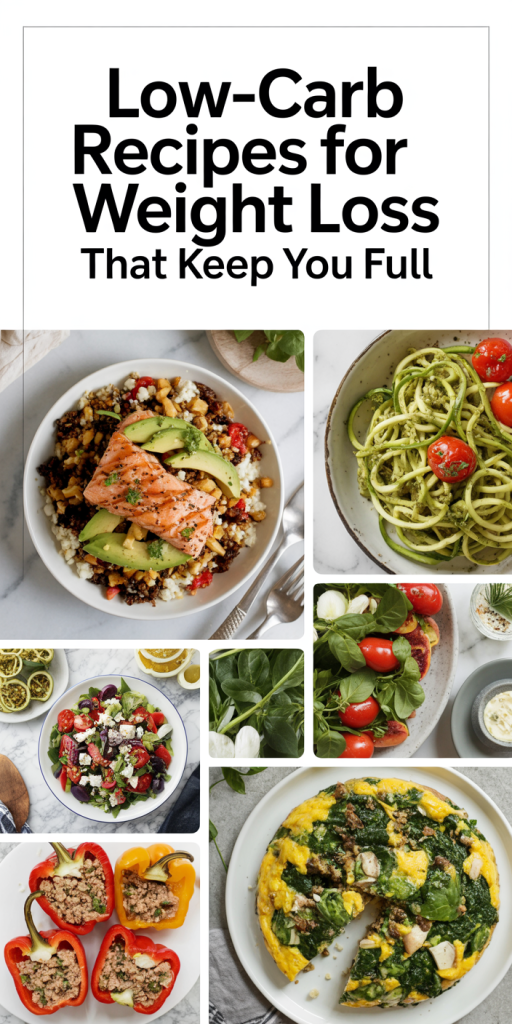
We want weight-loss meals that actually keep us satisfied, not constant grazing, not endless hunger. Low-carb eating can be a powerful tool for appetite control when it’s built around protein, healthy fats, fiber, and volume. In this guide we’ll explain why low-carb helps with fullness, share practical macro targets, provide 45+ recipe templates across breakfasts, lunches, dinners, snacks, and a ready-to-use 7-day meal plan for 2026. We’ll also cover grocery lists, batch-prep tips, equipment that saves time, and how to track progress without becoming obsessive. By the end, we want you to feel equipped to eat well, lose weight, and stay full.
Why Low-Carb Diets Can Help With Weight Loss And Appetite Control
How low-carb diets assist weight loss is partly metabolic and partly behavioral. Lowering refined carbs reduces rapid blood sugar swings, which often trigger hunger and snacking, while emphasizing protein and fats tends to increase satiety per calorie. But it’s not magic: the way we build low-carb meals matters.
How Satiety Works: Protein, Fat, Fiber, And Volume
Satiety is multidimensional. Protein has the strongest effect on hunger hormones and thermogenesis, so it’s our cornerstone for filling meals. Fat slows gastric emptying, which helps prolong fullness between meals. Fiber, especially soluble fiber, adds bulk, feeds gut microbes, and moderates glucose absorption. Finally, volume from low-calorie vegetables fills the stomach and sends stretch signals that reduce appetite. Combining these elements gives the best chance of staying full on fewer calories.
Carb Types To Limit Versus Those To Include
Not all carbs are equal. We recommend limiting:
- Refined sugars and sweets (soda, candy, pastries)
- White bread, white rice, and many processed snack foods
Prefer these carb sources instead:
- Low-glycemic fruits (berries, green apples) in moderation
- Whole, fibrous vegetables (leafy greens, cruciferous veg)
- Small portions of legumes or whole grains if your plan allows them (for non-keto approaches)
These choices reduce blood sugar spikes and maintain more even energy and hunger levels.
Evidence And Realistic Expectations For Weight Loss
Research shows low-carb diets can produce faster short-term weight loss compared with low-fat diets, largely due to water loss and reduced appetite leading to spontaneous calorie reduction. Over 12 months, differences between well-formulated low-carb and other balanced diets often narrow. So we aim for sustainable changes: use low-carb tools to reduce hunger and create a calorie deficit, but set realistic weight-loss rates (0.5–1% body weight per week for many people) and focus on adherence rather than perfection.
Core Principles For Filling Low-Carb Meals
We want low-carb meals that satisfy both stomach and taste buds. Below are practical principles to follow.
Target Macros For Hunger Control (Practical Ranges)
Macros vary by goal and activity level. These ranges are practical starting points:
- Protein: 25–35% of calories (or ~1.2–2.0 g/kg body weight daily)
- Fat: 40–60% of calories (focus on mono- and polyunsaturated fats)
- Net carbs: 5–20% of calories for stricter low-carb: 20–30% for moderate low-carb
If we’re aiming to lose weight and maintain muscle, err toward the higher protein range. For keto enthusiasts, carbs will be at the low end (<50 g/day), while more moderate low-carb plans can include 75–100 g/day depending on activity.
Balancing Protein, Healthy Fats, And Low-Glycemic Veggies
Each meal should include a quality protein source (eggs, poultry, fish, lean beef, tofu, tempeh), a serving of healthy fats (olive oil, avocado, nuts), and plenty of low-glycemic vegetables. This balance stabilizes blood sugar, increases satiety, and makes meals flavorful.
Using High-Volume, Low-Calorie Ingredients To Add Bulk
Bulk is our friend. Fill plates with leafy greens, zucchini, cauliflower rice, mushrooms, and shirataki noodles. These foods add volume and mouthfeel with few calories, so we can feel full while staying in a calorie deficit.
Meal Timing, Portion Sizes, And Protein Distribution
Spread protein across the day, aim for 20–40 g protein per meal, to control appetite and support lean mass. We don’t need rigid meal timing, but practical habits like having protein-rich breakfasts and balanced snacks reduce late-afternoon cravings. Keep portion sizes consistent during the week to simplify calorie control.
Breakfast Recipes To Keep You Full All Morning
A filling breakfast sets the tone for the day. These templates are simple, adaptable, and low in added sugars.
Savory Egg Muffins With Veggies And Cheese (Recipe Template)
Ingredients (makes 6–8 muffins):
- 8 large eggs or 6 eggs + 2 egg whites
- 1 cup finely chopped spinach or kale
- 1/2 cup diced bell pepper
- 1/2 cup shredded cheese (cheddar or mozzarella)
- 1/4 cup chopped onion
- Salt, pepper, and 1 tsp dried herbs
Method: Preheat oven to 375°F. Whisk eggs, stir in veggies and cheese, season, and pour into greased muffin tin. Bake 18–22 minutes until set. Each muffin: ~8–10 g protein, 120–160 kcal depending on cheese.
Why it works: Portable, high-protein, and vegetable-dense. Make a batch for quick breakfasts or snacks.
Greek Yogurt Parfait With Chia And Berries (Low-Sugar Version)
Ingredients (serves 1):
- 3/4 cup full-fat Greek yogurt (unsweetened)
- 1 tbsp chia seeds
- 1/3 cup mixed berries (blueberries, raspberries)
- 1 tbsp chopped nuts (almonds or walnuts)
- Optional: 1/2 tsp cinnamon or vanilla
Method: Layer yogurt, chia, and berries. Let chia soften for 5–10 minutes or overnight.
Why it works: Greek yogurt brings high-quality protein: chia and nuts add fiber and healthy fats to prolong fullness. Keep fruit portions moderate to control carbs.
High-Protein Smoothie Bowls With Fiber Boosters (No Added Sugar)
Template (serves 1):
- 1 scoop unflavored or vanilla whey/pea protein
- 3/4 cup unsweetened almond milk
- 1/2 cup frozen berries or 1/4 avocado for creaminess
- 1 tbsp ground flaxseed or psyllium husk
- Handful of spinach
Method: Blend until smooth. Top with 1 tbsp nuts and a few berries.
Why it works: Protein plus soluble fiber slows digestion and provides lasting energy without a sugar crash.
Lunch And Dinner Recipes That Deliver Satiety
Lunch and dinner are where volume and flavor come together. These templates are flexible for meal-prep and family meals.
One-Pan Lemon Herb Salmon With Roasted Broccoli (Recipe Template)
Ingredients (serves 2):
- 2 salmon fillets (4–6 oz each)
- 1 large head broccoli, cut into florets
- 2 tbsp olive oil
- Zest and juice of 1 lemon
- 1 tsp dried oregano, salt, pepper
Method: Toss broccoli with 1 tbsp olive oil, roast at 425°F for 12 minutes. Add salmon tossed with remaining oil, lemon, and herbs: roast another 10–12 minutes. Serve with lemon wedges.
Why it works: Salmon delivers satiating omega-3-rich fat and protein, broccoli adds volume and fiber. One-pan means less cleanup and quick prep.
Chicken Buddha Bowl With Cauliflower Rice And Tahini Dressing
Template (serves 2):
- 12 oz grilled chicken breast, sliced
- 3 cups cauliflower rice (lightly sautéed)
- 1 cup shredded cabbage or mixed greens
- 1/2 avocado, sliced
- 2 tbsp tahini mixed with lemon juice and water for dressing
Why it works: Cauliflower rice provides volume with minimal carbs: the combo of protein, fiber, and fat keeps us full. Swap chicken for tofu to make it vegetarian.
Beef And Vegetable Stir-Fry With Shirataki Or Zucchini Noodles
Template (serves 2):
- 8–10 oz lean beef strips
- 3 cups mixed stir-fry vegetables (peppers, broccoli, snap peas)
- 1 tbsp coconut or avocado oil
- 1–2 tbsp low-sugar stir-fry sauce (tamari + chili + ginger)
- 2 servings shirataki noodles or 2 medium spiralized zucchinis
Method: Stir-fry beef in hot oil, set aside: sauté vegetables briefly, return beef and sauce, toss with noodles.
Why it works: Satisfying umami flavors, quick cooking, and noodles that add volume with low carbs.
Vegetarian High-Protein Options: Lentil Salad With Feta And Avocado
Template (serves 2):
- 1 cup cooked green lentils (cooled)
- 1/2 cup diced cucumber, 1/2 cup cherry tomatoes
- 2 oz crumbled feta
- 1/2 avocado
- Dressing: olive oil, lemon, salt, pepper, chopped parsley
Why it works: Lentils provide plant protein and fiber: paired with healthy fats, the salad sustains energy. Keep portions moderate if you’re watching total carbs.
Satisfying Low-Carb Snacks And Mini-Meals
Snacks can support fullness between meals when composed of protein and fiber, not empty carbs.
Protein-Packed Snack Ideas: Hard-Boiled Eggs, Jerky, And Cottage Cheese
- Hard-boiled eggs (1–2): ~6–12 g protein each, portable and inexpensive.
- Beef or turkey jerky: pick low-sugar options for quick protein.
- Cottage cheese (1/2–1 cup): pair with cucumber slices or a few berries.
These snacks curb appetite quickly and are easy to prep in bulk.
Vegetable-Based Dips And Crunch: Hummus Alternatives And Crudité Combos
Hummus is great but watch portions for carbs. Alternatives:
- Baba ganoush (eggplant-based) with cucumber and bell pepper
- Greek yogurt tzatziki with radishes and celery
- Mashed avocado with lime and chili flakes as a dip for crunchy veg
Crunch plus fat/protein makes veggies feel more satisfying.
Quick Energy Bites Using Nuts, Seeds, And Minimal Sweetener (Recipe)
Recipe (makes ~12 bites):
- 1 cup mixed nuts (almonds, walnuts)
- 1/3 cup unsweetened shredded coconut
- 2 tbsp chia seeds or ground flaxseed
- 2–3 tbsp almond butter
- 1 tbsp erythritol or 1–2 tsp maple syrup (optional)
Method: Pulse nuts in food processor until coarse: mix with other ingredients, form into 12 balls, chill.
Why it works: Provides concentrated protein and fat for quick satisfaction without spiking blood sugar. Portion control is key, one ball is typically 150–200 kcal.
Sample 7-Day Low-Carb Meal Plan Focused On Fullness (Templates)
Here’s a practical 7-day template we can adapt. Portions assume moderate calorie deficit and roughly 30–40% protein, 40–50% fat, and net carbs around 50–80 g/day (adjust down for keto). Swap proteins and vegetables as needed.
Daily Meal Examples With Portion Guidance And Macros
Day 1 (example):
- Breakfast: 2 egg muffins + 1/2 cup Greek yogurt with berries (Protein ~30 g: Carbs ~20–25 g)
- Lunch: Lemon herb salmon (5 oz) + roasted broccoli + 1/3 cup cauliflower rice (Protein ~35 g: Carbs ~10–12 g)
- Snack: 1 hard-boiled egg + cucumber slices (Protein ~8 g: Carbs ~3 g)
- Dinner: Chicken Buddha bowl (4 oz chicken) with tahini and salad (Protein ~30 g: Carbs ~12 g)
Day 2 (example):
- Breakfast: Protein smoothie bowl (1 scoop protein + spinach + 1/4 avocado)
- Lunch: Beef stir-fry with shirataki noodles
- Snack: Cottage cheese (1/2 cup) with flax
- Dinner: Lentil salad (smaller portion of lentils) with feta
Repeat and rotate these patterns across the week. Aim for 3 main meals and 1–2 snacks depending on hunger.
Grocery Lists And Batch-Prep Schedule For The Week
Basic grocery list:
- Proteins: eggs, chicken breast, salmon, lean beef, Greek yogurt, cottage cheese
- Veggies: leafy greens, broccoli, cauliflower, zucchini, bell peppers, cucumbers
- Fats & extras: olive oil, tahini, avocados, nuts, seeds
- Pantry: shirataki noodles, canned tuna, lentils (if not keto), spices
Batch-prep schedule (2 hours/week):
- Roast a large tray of mixed vegetables
- Make egg muffins (12–16 muffins)
- Cook a big batch of cauliflower rice
- Grill chicken breasts and portion into containers
- Portion snacks (hard-boiled eggs, energy bites)
Swaps And Customizations For Dietary Preferences (Keto, Vegetarian, Dairy-Free)
- Keto: reduce lentils and higher-carb fruit: increase healthy fats (olive oil, avocado, fatty fish). Keep net carbs <50 g/day if desired.
- Vegetarian: use tempeh, tofu, Greek yogurt, cottage cheese, and legumes: be mindful of lentil/bean portions for carb totals.
- Dairy-free: swap Greek yogurt for coconut yogurt (unsweetened) and use nutritional yeast or avocado-based sauces instead of cheese.
Practical Tips To Maximize Fullness And Long-Term Adherence
Sustainable weight loss is as much about habits as it is about recipes. We focus on habits that help fullness and consistency.
Hydration, Sleep, And Stress Management Effects On Hunger
Dehydration often masquerades as hunger. Drinking water before meals can reduce intake. Sleep affects ghrelin and leptin, poor sleep increases hunger and carb cravings, so prioritize 7–9 hours when possible. Chronic stress elevates cortisol, which can increase appetite: simple stress-reduction practices (short walks, breathing exercises) help manage cravings.
Mindful Eating, Meal Timing, And Handling Cravings
Practice mindful eating: slow down, chew thoroughly, and notice hunger cues. When cravings hit, ask if we’re truly hungry or stressed/tired. If it’s a true craving, satisfy it with a small portion and move on: deprivation breeds binges. Time-restricted eating can help some people reduce late-night snacking, but we avoid rigid rules that lead to guilt.
Avoiding Common Pitfalls: Hidden Carbs, Overeating Fats, And Micronutrient Gaps
Hidden carbs show up in sauces, dressings, and packaged foods: read labels and make sauces from simple pantry ingredients. While fats help satiety, they’re calorie-dense, overeating them stalls weight loss. We emphasize portion awareness. Also, ensure micronutrients by including a rainbow of vegetables and, if needed, a multivitamin after consulting a professional.
Shopping, Kitchen Gear, And Pantry Staples For Success
Well-chosen tools and staples make healthy low-carb eating effortless.
Essential Fresh Ingredients And Long-Lasting Staples
Fresh:
- Eggs, chicken, salmon, lean beef
- Leafy greens, broccoli, cauliflower, zucchini, bell peppers
- Avocados, lemons, berries (freeze extra)
Pantry staples:
- Olive oil, avocado oil, tahini
- Canned tuna, shirataki noodles
- Nuts, seeds, nut butters
- Low-sodium tamari, vinegars, dried herbs, and spices
Having these on hand prevents last-minute convenience choices that are often carb-heavy.
Time-Saving Tools: Meal Prep Containers, Spiralizer, Air Fryer Tips
Tools we value:
- Meal prep containers with compartments for grab-and-go meals
- Spiralizer for zucchini noodles, quick volume without carbs
- Air fryer: crisps vegetables and proteins with minimal oil
- Food processor: makes energy bites, cauliflower rice, and quick dressings
Small investments in gear can reclaim hours each week and make adherence more likely.
How To Track Progress Without Obsessing Over Every Calorie
We want useful feedback without turning into calorie-accountant zombies. Use simple, actionable metrics.
Simple Metrics: Weight, Measurements, Energy, And Clothes Fit
Track weight weekly under consistent conditions (same scale, same time of day). Take body measurements monthly (waist, hips, chest) and note how clothes fit. Most importantly, monitor energy, sleep quality, and hunger patterns, these are early signals that our plan is working or needs tweaking.
When To Adjust Macros Or Seek Professional Guidance
If weight stalls for 4–6 weeks even though consistent effort, reassess portions, track intake for a short period, or reduce added fats modestly. If you experience persistent fatigue, hair loss, irregular menstruation, or other concerning symptoms, consult a registered dietitian or physician. We recommend professional guidance for those with diabetes, kidney disease, or taking medications that affect metabolism.
Conclusion
Low-carb recipes can be a sustainable way to lose weight if we focus on satiety-driving ingredients: protein, healthy fats, fiber, and volume. The recipe templates and 7-day plan here give practical, flexible options for breakfasts, lunches, dinners, and snacks, all designed to keep hunger at bay while supporting a calorie deficit. With simple batch-prep, the right pantry staples, and a few time-saving tools, we can stay full, enjoy our food, and progress toward our weight-loss goals without constant hunger. Start with a few recipes, batch-prep once a week, and track simple metrics: then adjust based on how we feel and perform. That’s how we make low-carb work for the long haul.