The spirulina trick for women to boost energy and hormones
I’ve watched spirulina move from niche health-food stores into mainstream medicine cabinets, and for good reason. The spirulina trick for women isn’t a fad, it’s a practical, research-backed way to improve energy, support hormone balance, and shore up nutrition gaps that commonly affect women at every stage of life. In 2026, formulations and quality testing have improved, making it safer and easier to use than ever. In this text I’ll explain what spirulina is, review the evidence specific to women’s health, outline safe dosing and timing, flag potential side effects and interactions, and show how to pick a high-quality product. Finally, I’ll share simple routines and recipes you can realistically adopt even on the busiest days. Read on to learn how a small daily habit could deliver measurable improvements in vitality, skin, and menstrual or menopausal symptoms, without unrealistic claims or harms.
What Is Spirulina And Why Women Are Turning To It
Spirulina is a blue-green microalga (a cyanobacterium) that’s been consumed for centuries in parts of Africa and Mexico. Today it’s cultivated worldwide and sold as powder, tablets, or blended extracts. Nutritionally, spirulina is distinctive for its dense profile: complete protein with all essential amino acids, B vitamins (notably B12 analogs and folate), iron, antioxidants like phycocyanin, and a mix of trace minerals. That combination explains much of the recent interest from women.
Why women in particular are turning to spirulina
- Nutrient density: Women of reproductive age, pregnant people, and those with heavy menstrual bleeding often need more iron and protein. Spirulina can be a compact way to add both without heavy calories.
- Energy and stamina: The full-protein profile and B-vitamin content support cellular energy production, which is appealing to women balancing work, family, and fitness.
- Skin and inflammation: Antioxidants like phycocyanin and beta-carotene help modulate oxidative stress, a reason many women try spirulina for clearer skin and faster post-exercise recovery.
- Plant-based appeal: For vegetarian and vegan women, spirulina is an accessible source of iron and protein when animal sources are limited.
It’s important to note that spirulina is a supplement, not a replacement for a balanced diet or prescribed medications. But when used thoughtfully, it’s a versatile adjunct to a woman’s health toolkit.
Evidence-Based Benefits For Women’s Health
We’ll summarize the strongest evidence specifically relevant to women, focusing on randomized trials, meta-analyses, and plausible biological mechanisms.
- Energy, fatigue, and athletic performance
Several small trials suggest spirulina reduces subjective fatigue and improves endurance markers. These effects come from its protein, iron, and antioxidant content which support mitochondrial function and reduce exercise-induced oxidative damage. For active women, runners, triathletes, or those in high-intensity interval training, spirulina has been linked to slightly improved time-to-exhaustion and lower muscle damage biomarkers.
- Iron status and anemia
Spirulina contains bioavailable iron and vitamin-like cofactors that can help raise hemoglobin in individuals with mild deficiency. Some randomized studies in women with anemia showed modest improvements when spirulina was included with iron therapy, though it’s not universally effective for moderate-to-severe anemia and shouldn’t replace prescribed iron when deficiency is diagnosed.
- Inflammation, skin, and metabolic markers
Phycocyanin, a key antioxidant pigment, lowers inflammatory cytokines in lab and animal work, and small human trials suggest improvements in markers like CRP. Clinically, women have reported clearer skin and reduced acne in pilot studies, though larger, controlled skincare trials are limited.
- Lipid profile and cardiometabolic health
Meta-analyses indicate spirulina can reduce total cholesterol, LDL, and triglycerides modestly, benefits relevant to women as they age or during post-menopause when lipid changes accelerate.
- Microbiome and gut health
Emerging evidence suggests spirulina acts as a prebiotic, supporting beneficial gut bacteria. While human data is preliminary, this could influence hormonal metabolism and mood regulation indirectly.
Limitations and quality of evidence
Most studies are small, variable in dose and formulation, and sometimes industry-funded. We should interpret results cautiously, prioritize randomized data, and look for replication. Still, the weight of evidence supports spirulina as a low-risk intervention with measurable benefits for energy, iron status, inflammation, and lipids in many women.
Spirulina For Hormone Balance, PMS, And Menopause Support
Women ask us whether spirulina can help with the hormonal ups and downs of monthly cycles or the changes of menopause. While spirulina isn’t a hormonal drug, its nutrient profile influences the systems that regulate hormones, inflammation, insulin sensitivity, and nutrient-dependent enzymatic pathways.
PMS and menstrual symptoms
- Nutrient correction: Magnesium, iron, and B vitamins in spirulina can counter deficiencies linked to PMS symptoms like fatigue, mood swings, and cramps. Where PMS has a nutritional trigger, daily spirulina may reduce symptom severity over a few cycles.
- Anti-inflammatory effects: Lowering prostaglandin-driven inflammation can translate to less menstrual pain. Small trials report reduced dysmenorrhea and overall symptom scores when spirulina was used adjunctively.
Hormone balance and insulin sensitivity
Insulin sensitivity affects androgen levels and menstrual regularity. Some studies show spirulina improves fasting insulin and HOMA-IR modestly, which could benefit women with PCOS or those experiencing metabolic-driven cycle irregularities. Again, spirulina is adjunctive, diet, exercise, and medical therapy remain central.
Menopause and post-reproductive health
- Hot flashes and mood: Direct evidence that spirulina reduces hot flashes is sparse. But, by improving sleep, reducing inflammation, and supporting metabolic health, spirulina may indirectly ease menopausal symptoms for some women.
- Bone and cardiovascular health: Spirulina’s antioxidant and lipid-lowering effects could support cardiovascular risk reduction during menopause when risk rises. There’s no strong evidence it preserves bone density, so we shouldn’t rely on it for osteoporosis prevention.
Practical takeaway
Spirulina can support hormone-related complaints by addressing underlying nutrient gaps, reducing inflammation, and improving metabolic indices. It’s most effective as part of a comprehensive plan, nutrition, sleep, movement, and medical care when appropriate.
Dose, Timing, And Forms: How To Use Spirulina Safely And Effectively
When we advise patients or readers, we focus on practical dosing, realistic timing, and picking a form that fits daily habits.
Common forms and pros/cons
- Powder: Most versatile, easy to add to smoothies, dressings, or baked goods. Taste can be grassy: mixing with strong flavors usually helps.
- Tablets/capsules: Convenient for travel and those who dislike the taste. Check tablet size and number per dose.
- Blended products: Pre-mixed powders or bars often combine spirulina with greens, adaptogens, or sweeteners, inspect ingredient lists for sugar or fillers.
Typical dosing
- Maintenance: 1–3 grams/day is a common starting point for general wellness and antioxidant support.
- Therapeutic ranges in studies: 3–6 grams/day have been used in many trials for energy, lipids, and anemia adjuncts.
- Higher doses: Up to 10 grams/day appear safe in short-term studies but offer diminishing returns and may increase gastrointestinal side effects.
Timing and how to take it
- With food: Taking spirulina with meals improves tolerability and absorption of fat-soluble components.
- Pre- or post-workout: Many women take it 30–60 minutes before exercise for potential endurance benefits or after to support recovery.
- Split dosing: If higher doses cause nausea, split into two smaller doses with meals.
Special considerations
- Pregnancy and breastfeeding: Some spirulina products are used during pregnancy for nutrition, but we recommend discussing with your healthcare provider due to variability in product purity. Certified, tested products are preferred.
- Combination with multivitamins: Spirulina can complement multivitamins but watch total iron and vitamin A equivalents to avoid excess.
We advise starting low, monitoring how you feel over 2–8 weeks, and adjusting. If you’re using spirulina to target a medical condition, coordinate with your clinician.
Potential Side Effects, Interactions, And Who Should Avoid It
Spirulina is generally well tolerated, but we need to be candid about possible harms and interactions so women can make informed choices.
Common, mild side effects
- Gastrointestinal upset: nausea, bloating, or diarrhea, especially when starting or at higher doses.
- Taste aversion: grassy or seaweed-like flavor may cause nausea in sensitive individuals.
Allergic reactions and rare events
- Allergic response: Though uncommon, some people experience rashes, itching, or more severe allergic reactions.
- Autoimmune flare risk: Because spirulina may stimulate immune activity, individuals with autoimmune diseases (like lupus, multiple sclerosis, or rheumatoid arthritis) should consult their specialist before starting.
Contamination risks
- Microcystin contamination: Poorly sourced spirulina can contain microcystins (cyanotoxins) or heavy metals if grown in contaminated water. This is why quality testing and certified suppliers are critical.
Interactions with medications
- Immunomodulators: If you’re taking immunosuppressants after organ transplant or for autoimmune disease, spirulina’s immune-stimulating properties could be problematic.
- Anticoagulants: While spirulina doesn’t have strong blood-thinning effects, it can contain vitamin K, discuss with providers if taking warfarin or other anticoagulants.
- Thyroid medications: Some algae contain compounds affecting iodine balance: monitor thyroid function if you have thyroid disease.
Who should avoid spirulina or use caution
- People with severe phenylketonuria (PKU): Spirulina contains phenylalanine and should be avoided.
- Individuals with compromised immunity or on immunosuppressive drugs: Consult your doctor first.
- Pregnant or breastfeeding women: Use only products with robust purity testing and get medical approval.
If you experience persistent adverse effects, stop and consult your clinician. Reporting side effects to product manufacturers and regulatory bodies helps improve safety across the market.
How To Choose High-Quality Spirulina: Purity, Tests, And Labels To Watch For
Choosing spirulina isn’t just about price or packaging, it’s about safety and verifiable testing.
What to look for on labels
- Source and cultivation method: Prefer spirulina grown in controlled freshwater ponds or closed bioreactors rather than open, unregulated sources.
- Batch testing: Look for products that publish third-party lab results (Certificates of Analysis, COAs) confirming absence of microcystins, heavy metals (lead, cadmium, mercury), and microbial contaminants.
- Purity and additive list: Minimal ingredients, ideally 100% spirulina with no fillers, sweeteners, or unnecessary botanicals.
- Organic and non-GMO: While organic claims for algae are tricky, certifications can indicate better farming practices: non-GMO labels are generally irrelevant for spirulina but may reassure some buyers.
Trusted tests and certifications
- Third-party testing labs: ISO-certified labs or recognized analytical providers. Brands should make COAs easily accessible on their website.
- NSF, USP, or ConsumerLab approvals: These are strong signals of manufacturing quality and accurate labeling.
- Heavy metal and toxin limits: COAs should report microcystin levels (ND or below safety thresholds) and heavy metals well under regulatory limits.
Red flags
- Vague sourcing language (“harvested from pristine waters”) without data.
- No COA or refusal to share batch testing.
- Extremely low prices that seem too good to be true, contamination and poor farming practices often drive cost down.
Practical shopping tips
- Buy smaller quantities first to test tolerance and verify the brand’s customer support.
- Prefer powders if you want transparency: reputable brands often provide lab data for powder batches.
- Check community reviews and independent testing sites for product recalls or contamination reports.
Investing a bit more in a tested product reduces risk and ensures you get the nutritional benefits without the hazards.
Simple Spirulina Routines And Easy Recipes For Busy Women
We know convenience matters. Below are routines and quick recipes that make spirulina easy to add to daily life without fussing over taste or time.
Simple daily routines
- Morning boost: 1 gram spirulina in your morning smoothie or mixed into yogurt. Follow with a balanced breakfast to prevent energy dips.
- Pre-workout: 1–2 grams 30–60 minutes before exercise for potential endurance benefits.
- Evening anti-inflammatory: 1 gram blended into an antioxidant-rich cacao or berry drink to support recovery and sleep.
Three easy recipes (each serves one)
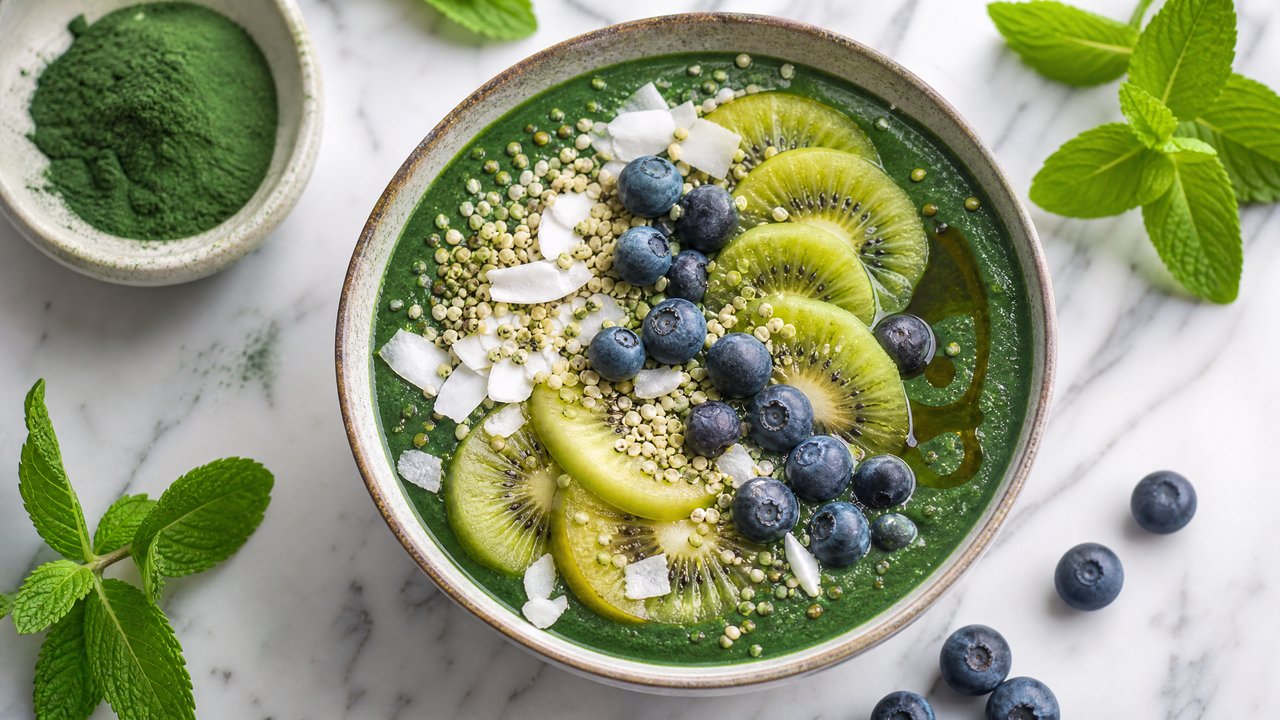
- Green Power Smoothie (about 1–2 minutes)
- 1 cup unsweetened almond milk or oat milk
- 1 small banana (frozen if you like thickness)
- 1 cup spinach
- 1 tsp spirulina powder (start with ½ tsp if you’re new)
- 1 tbsp nut butter
- Optional: 1 tsp honey or dates for sweetness
Blend until smooth. Spinach and banana mask the spirulina flavor and deliver fiber for satiety.
- Citrus Spirulina Tonic (quick, refreshing)
- Juice of 1 orange or ½ grapefruit
- 1 cup cold water or sparkling water
- ½–1 tsp spirulina powder
- Pinch of sea salt and grated ginger
Stir vigorously or shake in a bottle. The acidity and ginger balance spirulina’s vegetal notes and add vitamin C for iron absorption.
- Savory Spirulina Dressing (great for salads or grain bowls)
- 2 tbsp olive oil
- 1 tbsp apple cider vinegar
- 1 tsp spirulina powder
- 1 tsp Dijon mustard
- Salt and pepper to taste
Whisk together and toss with mixed greens and roasted vegetables for a nutrient-dense meal add-on.
Tips to mask flavor: combine with citrus, banana, strong herbs (mint, basil), or cocoa. If tablets suit you better, take them with a full glass of water and a snack. Keep expectations realistic: spirulina complements a healthy diet but isn’t a magic bullet.
Conclusion
The spirulina trick for women is less about a miracle cure and more about a smart, evidence-backed supplement choice. When sourced and used properly, spirulina offers a compact combination of protein, iron, B vitamins, and antioxidants that can boost energy, support menstrual and metabolic health, and contribute to skin resilience. We recommend starting with a tested product, using a conservative dose (1–3 grams/day), and treating spirulina as one piece of a broader health strategy, balanced nutrition, sleep, stress management, and medical care when needed. Try it for 6–8 weeks and track energy, menstrual symptoms, or lab markers with your clinician. If it helps you feel more vibrant, it’s earned a spot in your routine: if not, at least you’ll know you tried a low-risk, potentially high-reward approach.