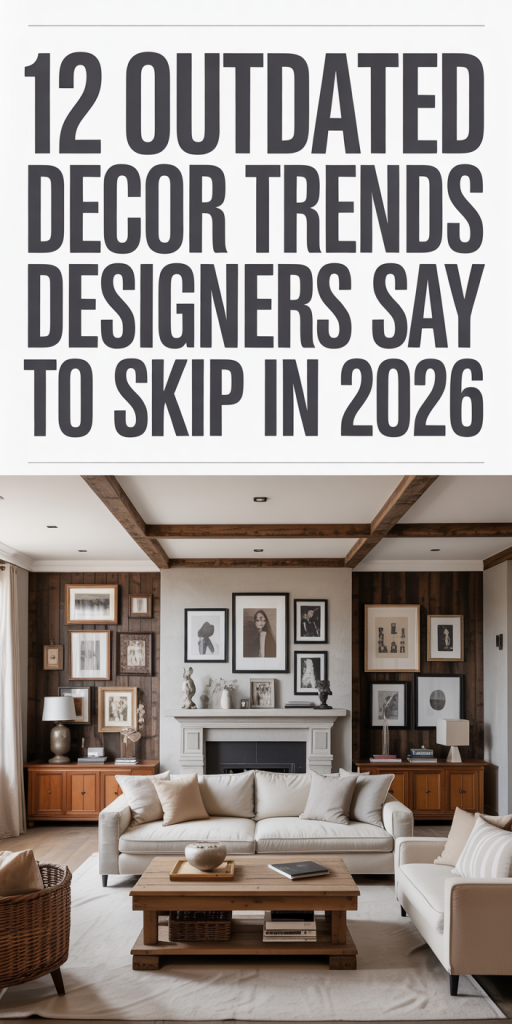
As we step into 2026, the world of interior design continues to evolve. While we cherish a beautifully curated home, some trends have overstayed their welcome, holding us back from creating truly inspiring and modern living spaces. This guide will explore 12 outdated decor trends that designers are urging us to skip this year, helping you to avoid common design pitfalls and embrace a more contemporary aesthetic. Let’s dive in and discover how to refresh your home for the year ahead.
1. Overly Themed Rooms
Overly themed rooms can quickly make a space feel more like a movie set than a comfortable, livable home. While it can be fun to embrace a specific theme, going overboard can lead to a lack of flexibility and a space that feels dated. Instead of a rigid theme, strive for a harmonious blend of styles that reflects your personal tastes without confining you to a single, narrow look.
For instance, if you love the beach, you can incorporate subtle coastal colors, natural textures, and beach-inspired art without turning your living room into a literal beach shack. This approach allows for self-expression while maintaining a versatile and timeless decor that can evolve with you.
2. Matching Furniture Sets
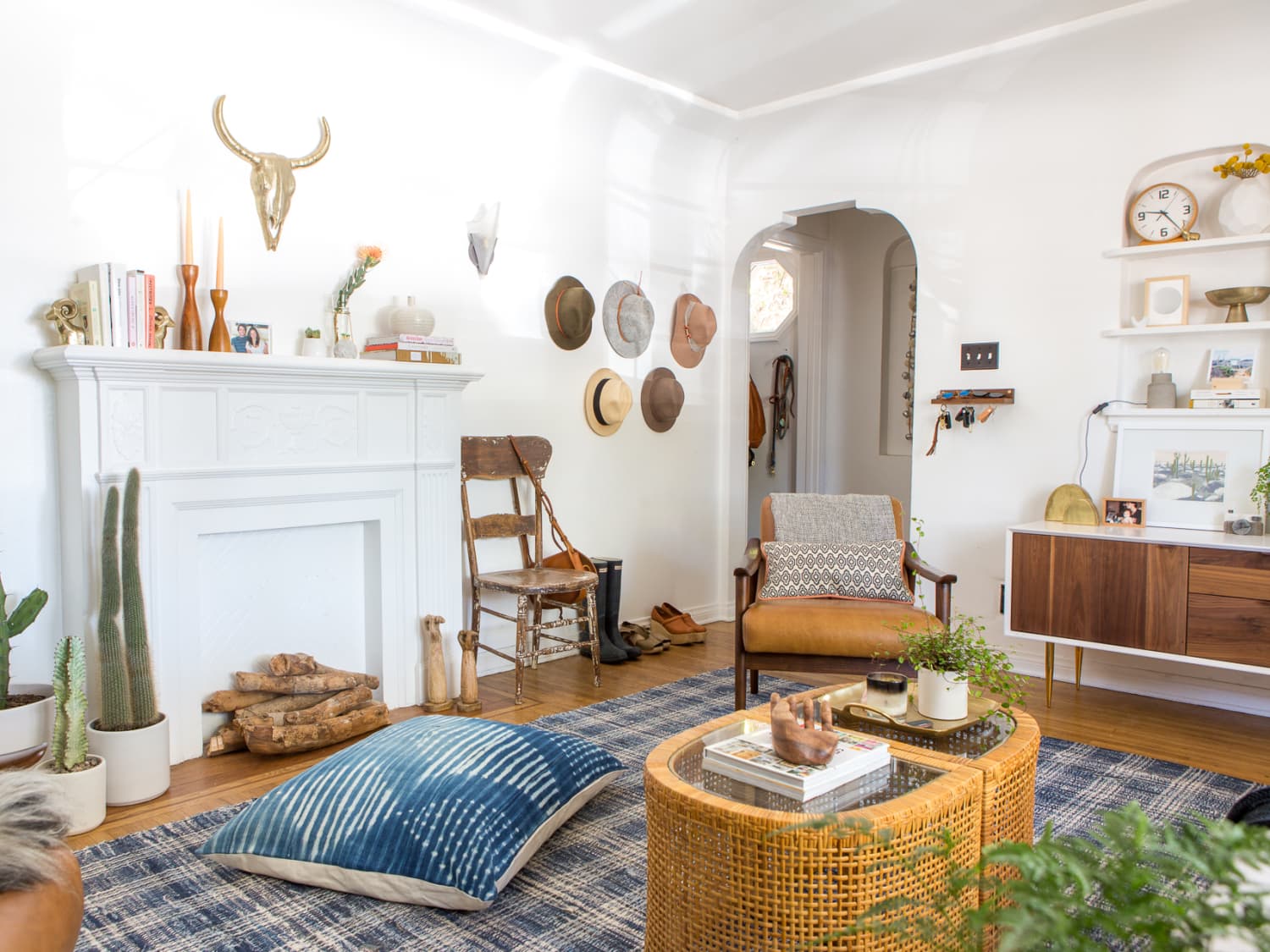
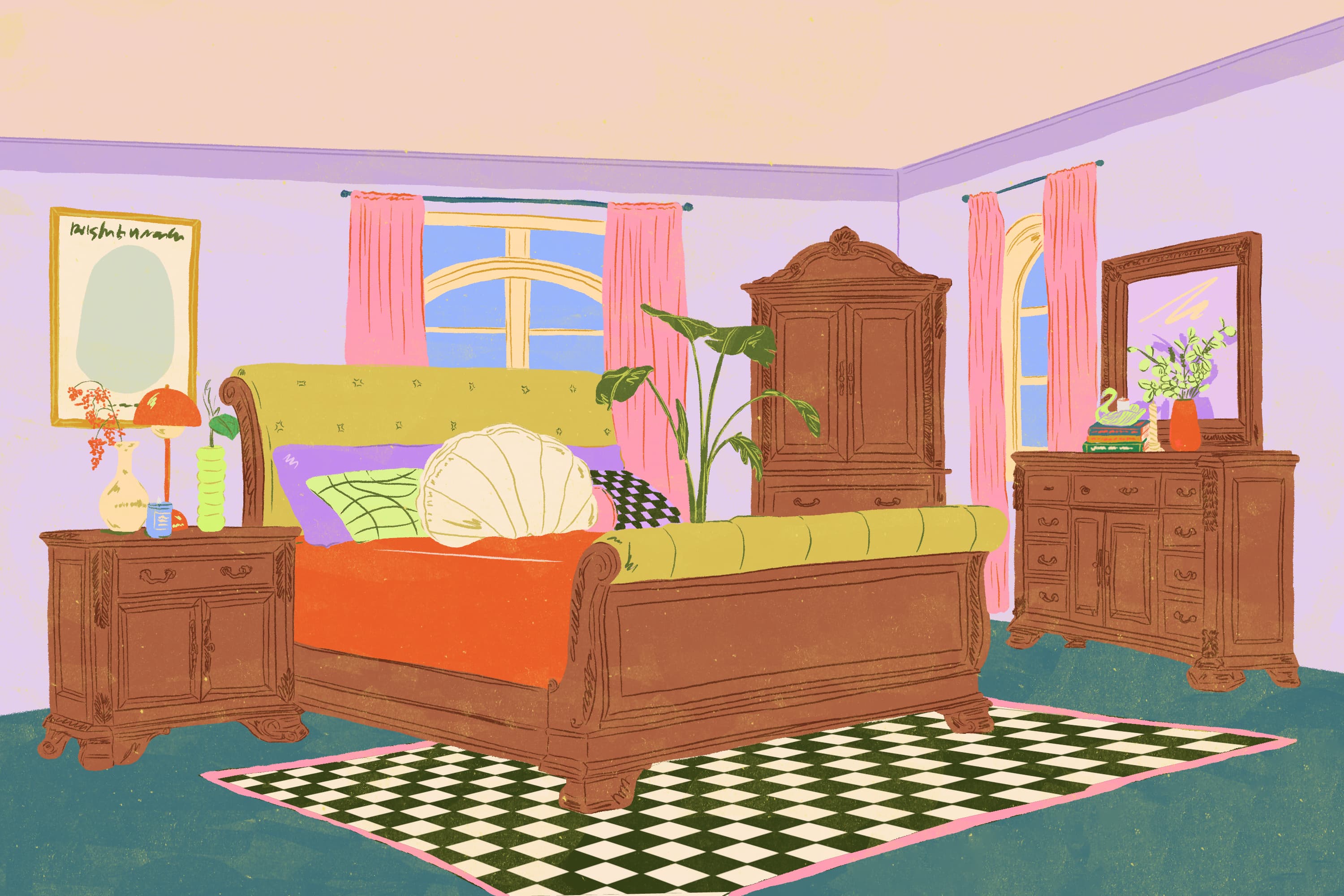
Gone are the days when every piece of furniture in a room had to match perfectly. These “matchy-matchy” furniture sets can make a room feel rigid, uninspired, and lacking in personality. The modern approach to interior design celebrates individuality and a curated look. Mixing and matching different styles, colors, and materials not only adds character but also creates a more dynamic and inviting space.
Create a more eclectic and personal space by combining vintage finds with modern pieces, or by mixing textures like leather, velvet, and wood. This approach allows your home to feel unique and thoughtfully assembled, showcasing your creativity and personal style.
3. Faux Finishes
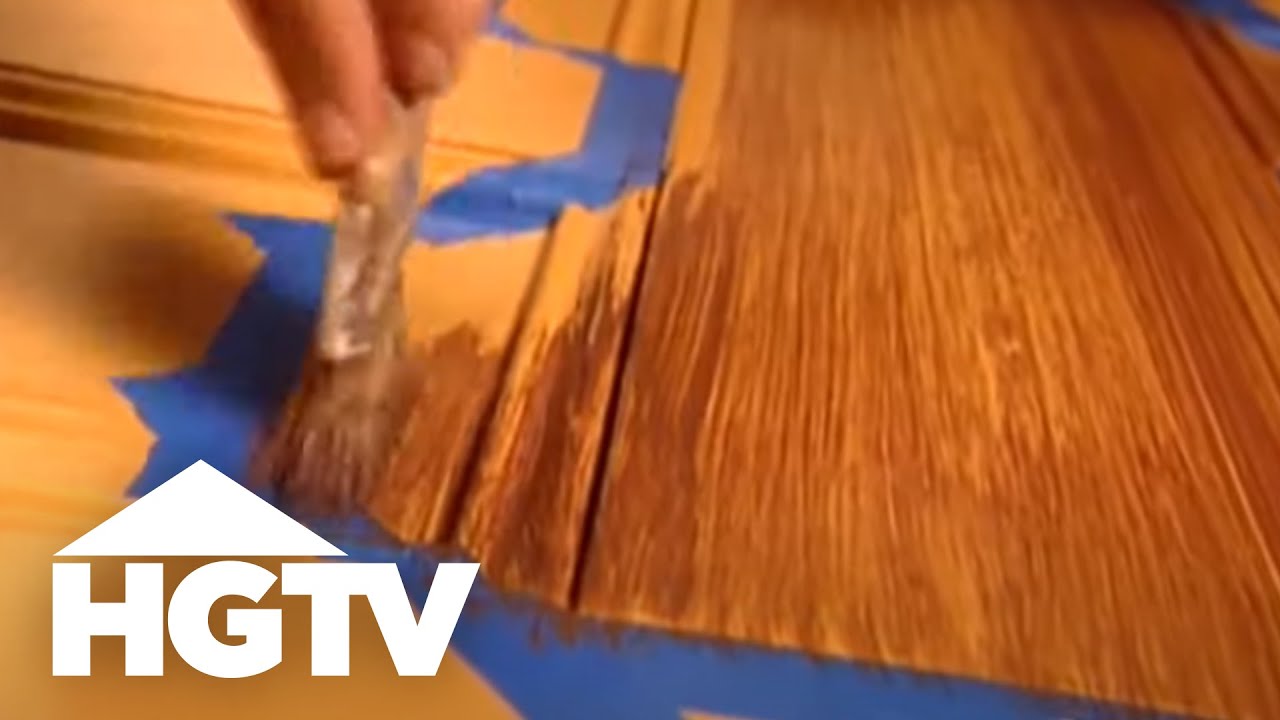
Faux finishes, such as faux wood or stone, can often look cheap and unnatural, detracting from the overall quality of your space. In 2026, the emphasis is on authenticity and the beauty of real materials. Genuine wood, stone, and metals add warmth, character, and a sense of permanence to a home, and they age gracefully over time.
If you love the look of wood, opt for the real deal over laminate or vinyl. Similarly, choose natural stone for countertops and backsplashes to elevate your design. This shift toward authenticity enriches your environment and enhances its long-term aesthetic appeal.
4. Heavy Drapery
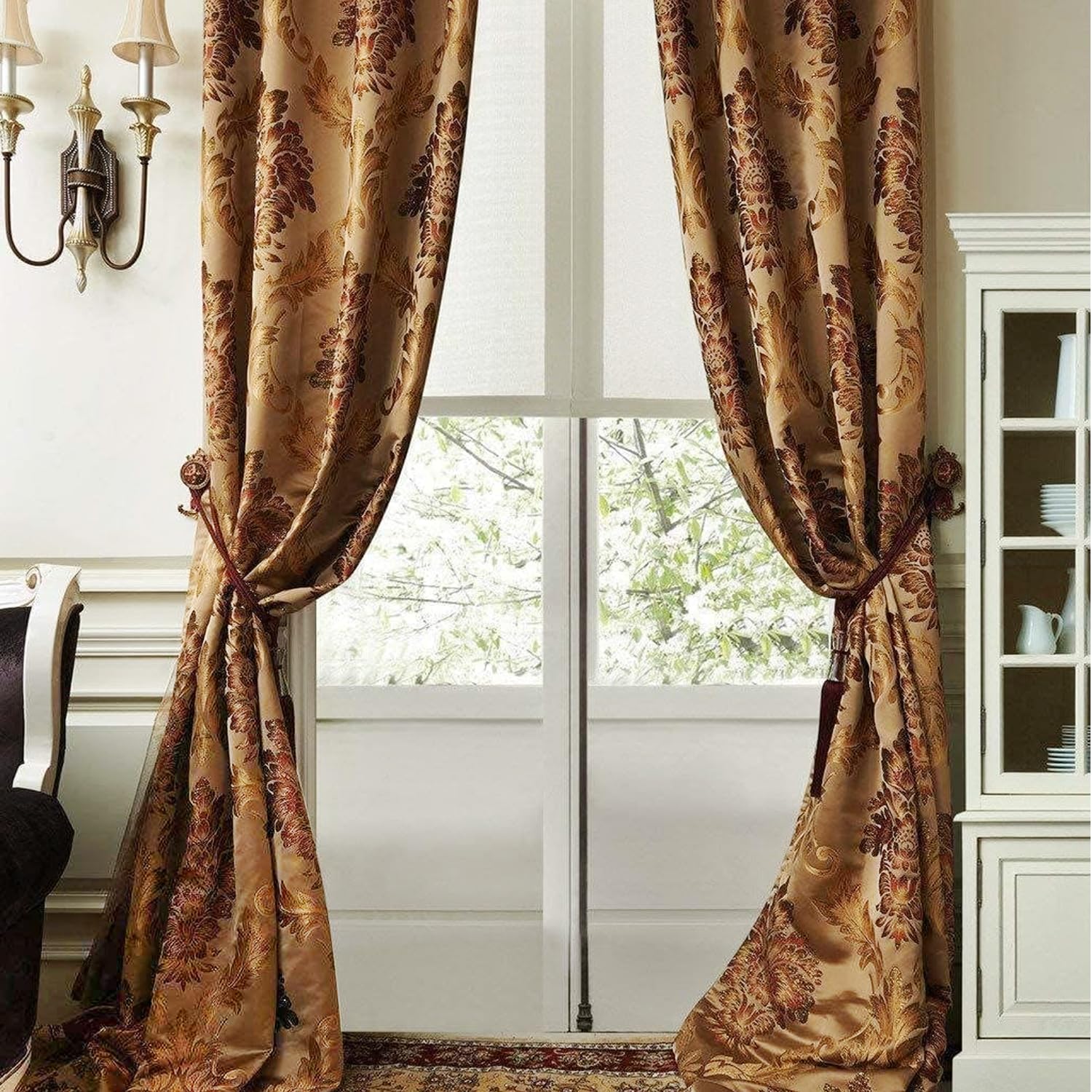
While heavy drapery was once a staple in traditional decor, it can make a room feel dark, dated, and smaller than it is. In 2026, the trend is toward lighter window treatments that allow natural light to flood the space, creating an airy and open environment. Light fabrics like linen, cotton, and sheers enhance the feeling of spaciousness and contribute to a warm, inviting atmosphere.
Letting in more natural light will not only brighten your rooms but can also improve your mood. Consider simple blinds, natural fiber shades, or light and airy curtains that complement a more relaxed and modern aesthetic.
5. Excessive Use of Gray
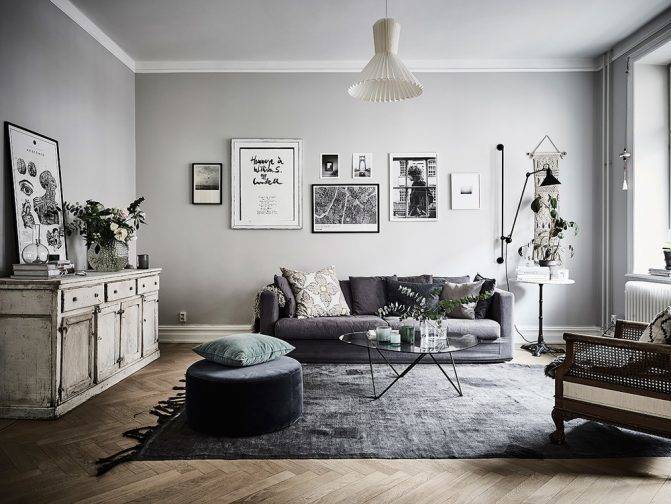
For several years, gray was the go-to neutral for many homeowners and designers. However, an excessive use of gray can make a space feel cold, uninspired, and monotonous. To create a warmer and more welcoming home, it’s time to diversify your color palette.
In 2026, we’re seeing a return to warm, earthy tones, soft pastels, and rich jewel tones that add vibrancy and personality. If you still love gray, consider using it as an accent or pairing it with complementary colors to create a more balanced and inviting ambiance.
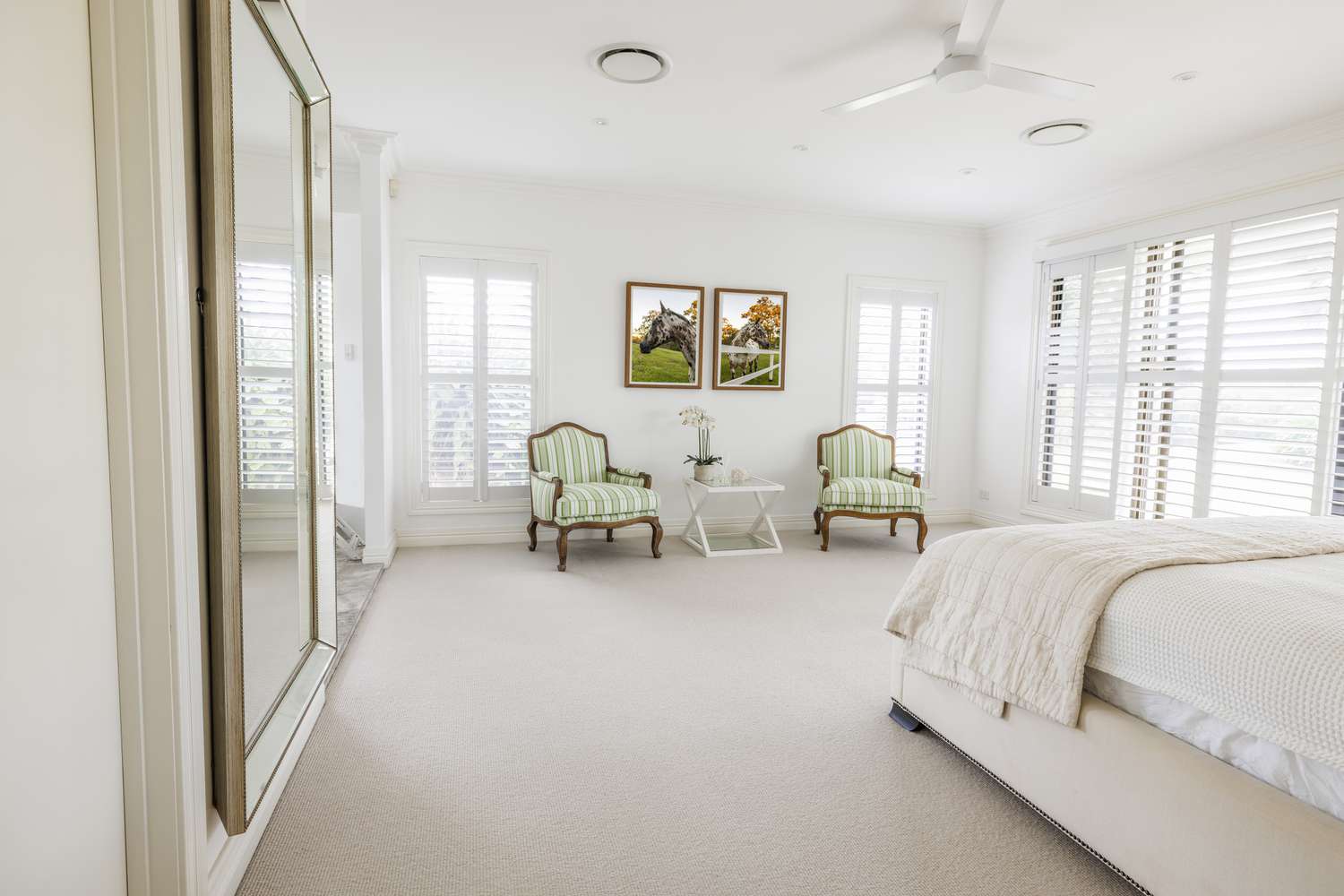
6. Wall-to-Wall Carpeting
Once a popular choice for its comfort and warmth, wall-to-wall carpeting is now often seen as a dated option that can trap dust, allergens, and stains. Modern design favors the clean lines and easy maintenance of hard-surface flooring like hardwood, laminate, or tile. These materials offer greater versatility and a more contemporary aesthetic.
If you still crave the softness of carpet, consider using area rugs to define spaces and add warmth and texture. This approach allows you to enjoy the comfort of a soft surface underfoot while maintaining the practicality and style of hard-surface floors.
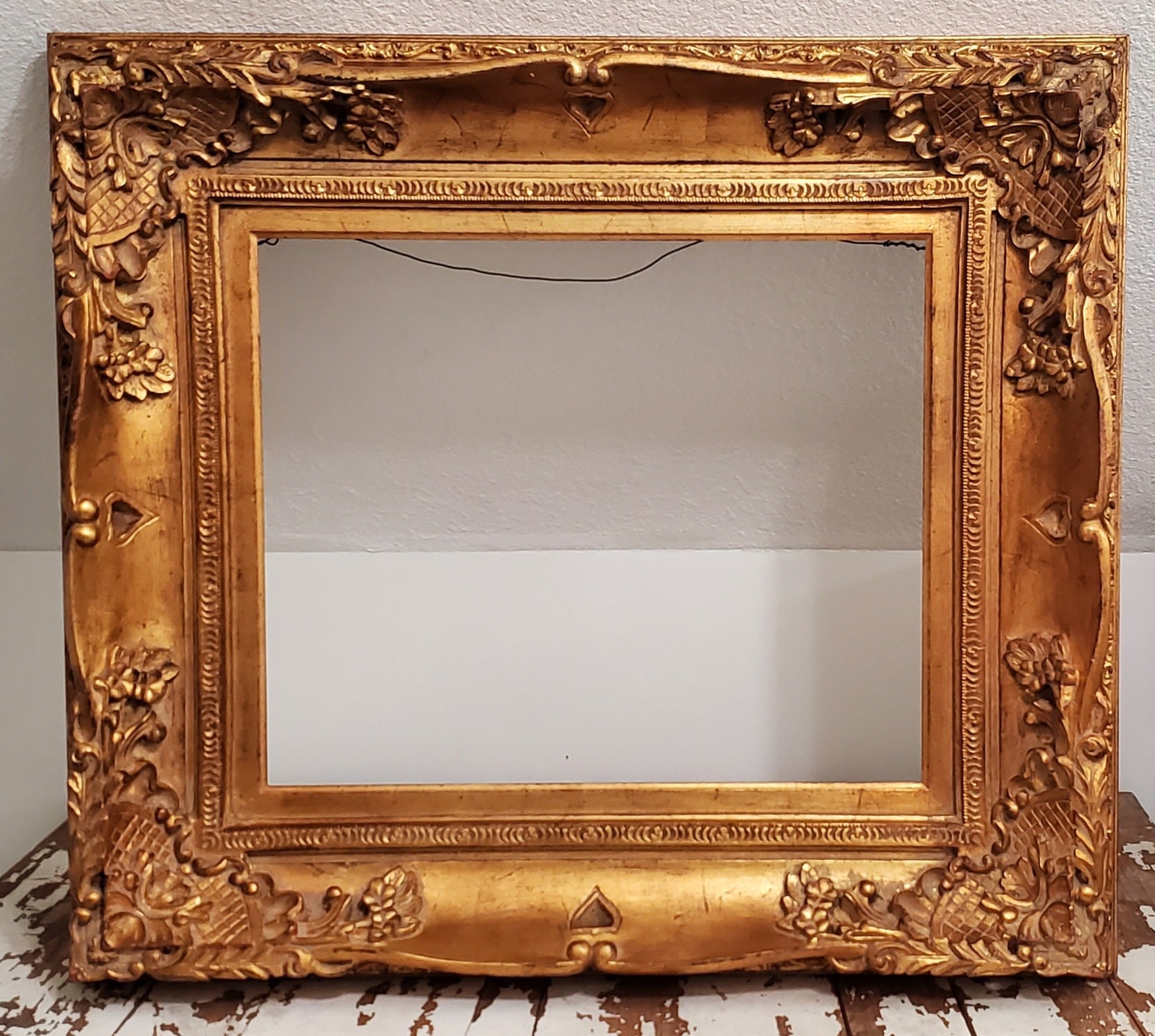
7. Ornate Frames and Decorations
While ornate frames and heavy decorations were once seen as symbols of opulence and luxury, they can now make a space feel overly formal, cluttered, and dated. The modern aesthetic leans toward a more minimalist approach, with clean lines and simple frames that allow the artwork or photographs to take center stage.
Choose sleek, simple frames or even consider frameless options for a contemporary touch. This allows your art and decor to shine without being overshadowed by heavy embellishments, creating a more refined and stylish atmosphere.
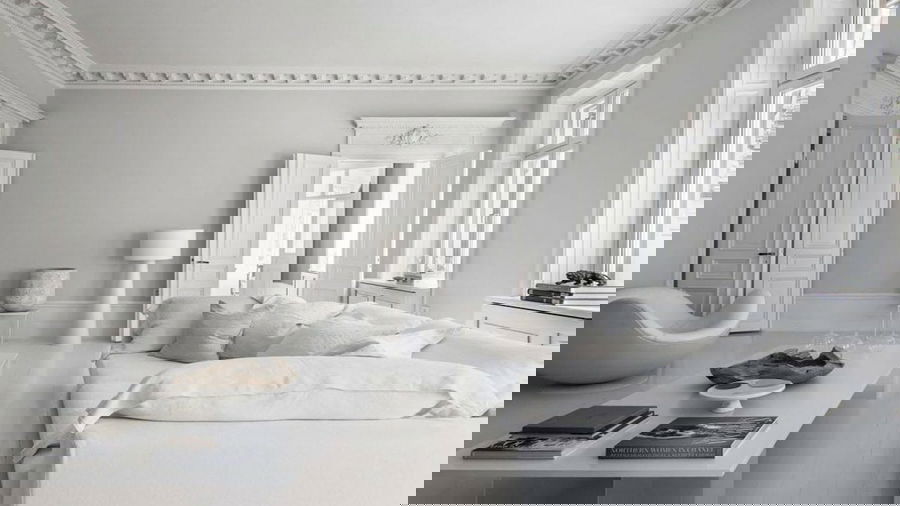
8. All-White Everything
Once hailed as the epitome of modern, minimalist design, all-white spaces are now often seen as sterile, cold, and lacking in personality. While white can be a fantastic base color, a room devoid of any other hue can feel uninspired and bland. In 2026, the trend is to embrace color in a way that reflects your personality and creates a more inviting atmosphere.
Incorporate soft hues, earthy tones, or even bold, vibrant accents to transform a stark white canvas into a space that feels lived-in and full of life. You can add color through textiles, furniture, art, or even a statement wall to create a more dynamic and personalized home.
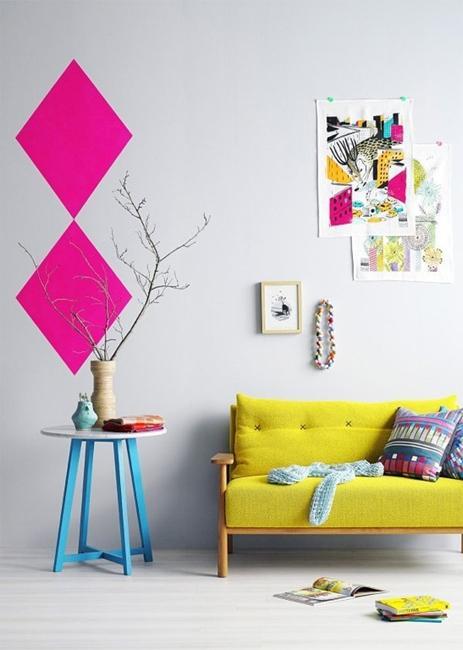
9. Bright Color Accents
While color is essential for creating a vibrant and personal space, overly bright, neon accents can be visually jarring and overwhelming. Instead of using loud, attention-grabbing colors, the trend in 2026 is to embrace more muted, earthy tones or softened palettes. These colors can still provide a pleasant pop without straining the eyes or creating a chaotic atmosphere.
Choose colors that harmonize with each other and create a sense of flow and cohesion throughout your home. This approach will enrich your space’s aesthetic appeal and create a more relaxing and inviting environment.
10. Traditional Lighting Fixtures
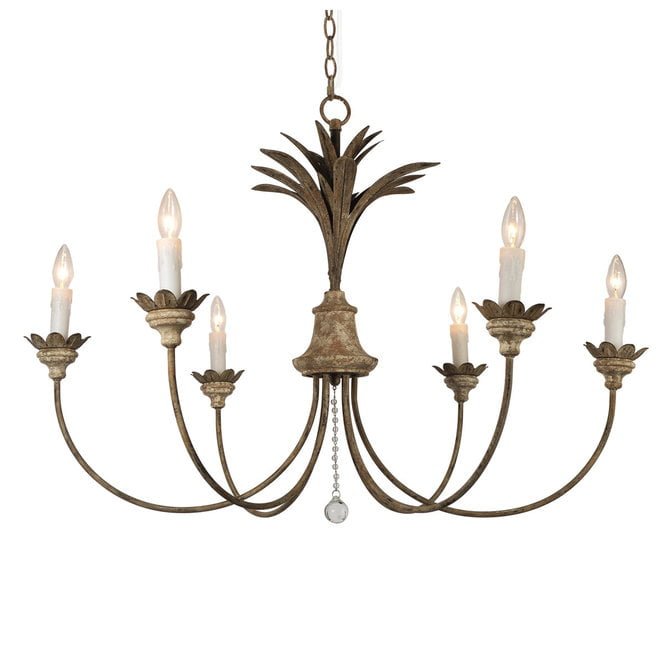
Traditional lighting fixtures, such as heavy, ornate chandeliers, can often feel dated and out of place in a modern home. Designers are encouraging homeowners to explore more contemporary lighting options that not only provide ample illumination but also serve as a statement piece. Unique, sculptural pendant lights, modern chandeliers, or minimalist fixtures can act as a focal point in a room.
Consider a layered lighting approach, incorporating a mix of ambient, task, and accent lighting to create a warm and inviting glow. This not only enhances the functionality of the space but also adds personality and flair.
11. Inflexible Space Layouts
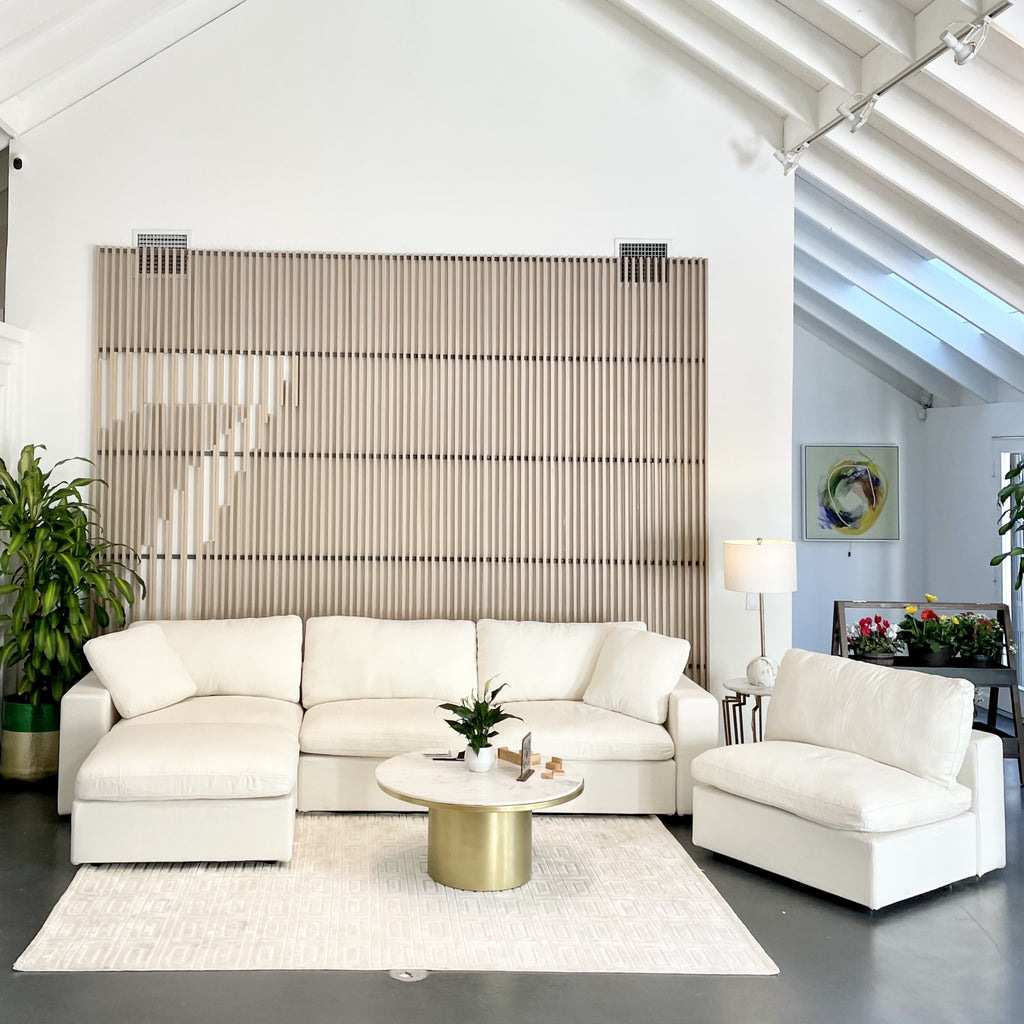
Many of us have grown accustomed to rigid furniture layouts that limit how we use our spaces. In 2026, the focus is on creating flexible and adaptable environments. Open layouts with multi-functional furniture allow us to maximize our living spaces, whether for family time, entertaining, or relaxing.
Invest in modular furniture that can be easily rearranged to suit your needs. This intentional flexibility enhances both the comfort and productivity of your home, allowing your space to adapt to your lifestyle.
12. Over Decoration
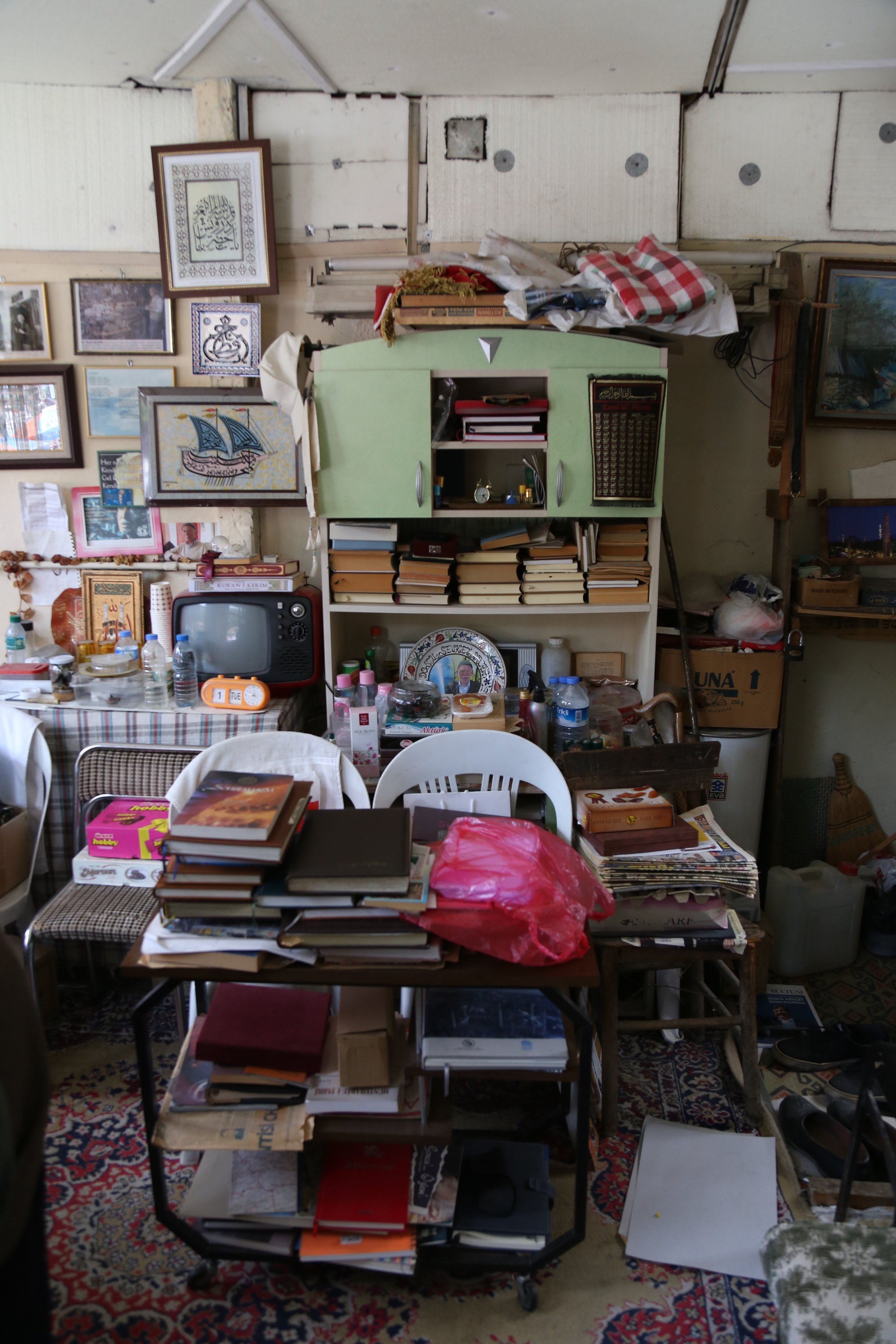
Finally, the tendency to over-decorate can lead to a chaotic and overwhelming environment. The concept of “less is more” is a guiding principle in modern design. Instead of crowding your spaces with an abundance of knickknacks and accessories, curate your collections thoughtfully. Select a few meaningful decor items that you truly love and allow them to shine.
By decluttering and simplifying your decor, you can create serene and inviting spaces that truly reflect your personality. This approach allows your chosen pieces to become focal points and creates a more calming and aesthetically pleasing home.
Conclusion
As we move further into 2026, it’s the perfect time to reassess our living spaces and embrace design trends that resonate with our evolving tastes and lifestyles. By moving away from outdated trends like matching furniture sets, heavy drapery, and the overuse of gray, we can create homes that are not only stylish and modern but also functional and comfortable. Your home should be a reflection of your personality and a sanctuary that adapts to your needs.
By making informed and intentional design choices, you can cultivate an environment that inspires, comforts, and truly feels like your own. Let’s celebrate the beauty of modern, personalized decor together and create spaces we love to live in.
As we step into 2025, we find ourselves at a crossroads of design evolution. With the ever-shifting tides of style, there’s no better time to reassess our living spaces. We love a beautifully curated home, but some trends have overstayed their welcome and are holding us back from creating truly inspiring environments. In this text, we’ll explore the top 12 outdated decor trends that designers recommend skipping this year, helping you avoid common pitfalls and embrace a more modern aesthetic. Let’s immerse.