If we’ve been feeling run-down, sluggish, or battling unexplained aches and pains, we might be experiencing the effects of inflammation. Inflammation is a natural response of our body, but when it becomes chronic, it can lead to serious health problems. That’s where an anti-inflammatory cleanse comes into play. With our 14-day anti-inflammatory cleanse, we’ll explore how we can reclaim our vitality and reduce inflammation through mindful eating, hydration, and lifestyle changes. Let’s embark on this transformative journey together.
Understanding Inflammation
What Is Inflammation?
Inflammation is a complex biological response our body initiates in response to harmful stimuli like pathogens, damaged cells, or irritants. It’s characterized by redness, warmth, swelling, and pain. While acute inflammation is helpful, serving as a protective mechanism, chronic inflammation can lead to serious health issues, including heart disease, diabetes, and autoimmune disorders.
Chronic Inflammation and Its Health Risks
Chronic inflammation is often a low-grade response that can linger for months or even years, silently wreaking havoc on our bodies over time. This long-term inflammation is linked to various health complications. By understanding its causes and risks, we can take proactive steps to reduce it, and that’s what our cleansing journey is all about.
The Role of Diet in Inflammation
Foods That Promote Inflammation
Our diet plays a pivotal role in either promoting or reducing inflammation. Foods high in sugar, refined carbohydrates, trans fats, and saturated fats can fuel inflammation in our bodies. Processed snacks, sugary beverages, and red meat should be minimized, as they can exacerbate inflammatory conditions.
Anti-Inflammatory Foods to Include
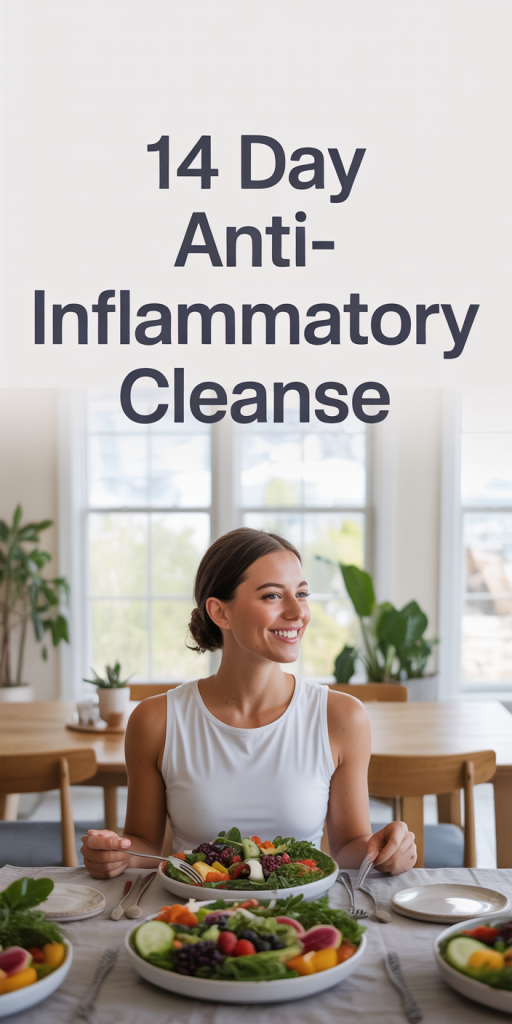
On the flip side, incorporating anti-inflammatory foods can help us combat inflammation. Think of foods rich in omega-3 fatty acids (like fatty fish and flaxseeds), leafy greens, nuts, berries, and olive oil. Not only do they nourish our bodies, but they actively work to quell inflammation. In this cleanse, we’ll focus on these nourishing foods to promote healing.
The 14-Day Cleanse Plan
Week 1: Preparing Your Body
To prepare our bodies for the cleanse, we need to gradually eliminate inflammatory foods while introducing nutrient-dense meals. During the first week, we’ll focus on cleaning up our diet, hydrating properly, and setting a solid foundation for the upcoming detox.
Meal Plan for Week 1
- Breakfast: Overnight oats with berries and walnuts.
- Lunch: Quinoa salad with chickpeas, cucumber, and olive oil.
- Dinner: Grilled salmon with steamed broccoli and sweet potato.
- Snacks: Carrot sticks with hummus or a handful of almonds.
Hydration and Detox Practices
Week 2: Implementing the Cleanse
In the second week, the cleanse intensifies. We begin eliminating caffeine and alcohol and focus solely on wholesome, anti-inflammatory foods. It’s crucial to drink plenty of water to help flush out toxins and aid our liver functions. We can also incorporate herbal teas known for their detoxifying properties.
Meal Plan for Week 2
- Breakfast: Smoothie with spinach, banana, and almond milk.
- Lunch: Lentil soup with lots of vegetables.
- Dinner: Stir-fried tofu with mixed veggies and brown rice.
- Snacks: Sliced apple with almond butter or chia seed pudding.
Incorporating Exercise and Mindfulness
Integrating exercise and mindfulness into our cleanse can significantly enhance our results. Physical activity not only helps reduce inflammation but also boosts our mood and energy levels. Aim for at least 30 minutes of moderate exercise each day, whether it’s walking, yoga, or swimming.
Mindfulness practices, like meditation and deep-breathing exercises, can further help us manage stress, which is known to trigger inflammation. Taking time to unwind is just as vital as the meals we consume.
Tracking Progress and Adjustments
As we investigate into this cleanse, it’s crucial to monitor our progress. Keeping a journal can help us track our meals, energy levels, mood changes, and any physical symptoms. If we find certain foods that still cause discomfort, we might need to make adjustments or eliminate them entirely post-cleanse.
Benefits of Completing the Cleanse
Completing our 14-day anti-inflammatory cleanse can yield numerous benefits. We may notice a decrease in overall pain, more energy throughout the day, clearer skin, and improved digestion. Also, it can serve as a powerful reset for our dietary habits, helping us to make healthier choices moving forward.
Tips for Maintaining an Anti-Inflammatory Lifestyle
After the cleanse, it’s essential to maintain the momentum. Here are some tips:
- Continue to prioritize anti-inflammatory foods in your diet.
- Stay hydrated by drinking adequate water throughout the day.
- Engage in regular physical activity and mindfulness practices to sustain mental and physical health.
- Experiment with new recipes to keep meals exciting and nutritious.
Conclusion
Embarking on our 14-day anti-inflammatory cleanse is an empowering journey towards better health. As we learn to nourish our bodies and minds, we cultivate a more balanced and vibrant lifestyle. Let’s commit to making choices that enhance our well-being, reducing inflammation and inviting vitality into our lives.